Ivana Havelka – författare
Visar alla böcker från författaren Ivana Havelka. Handla med fri frakt och snabb leverans.
7 produkter
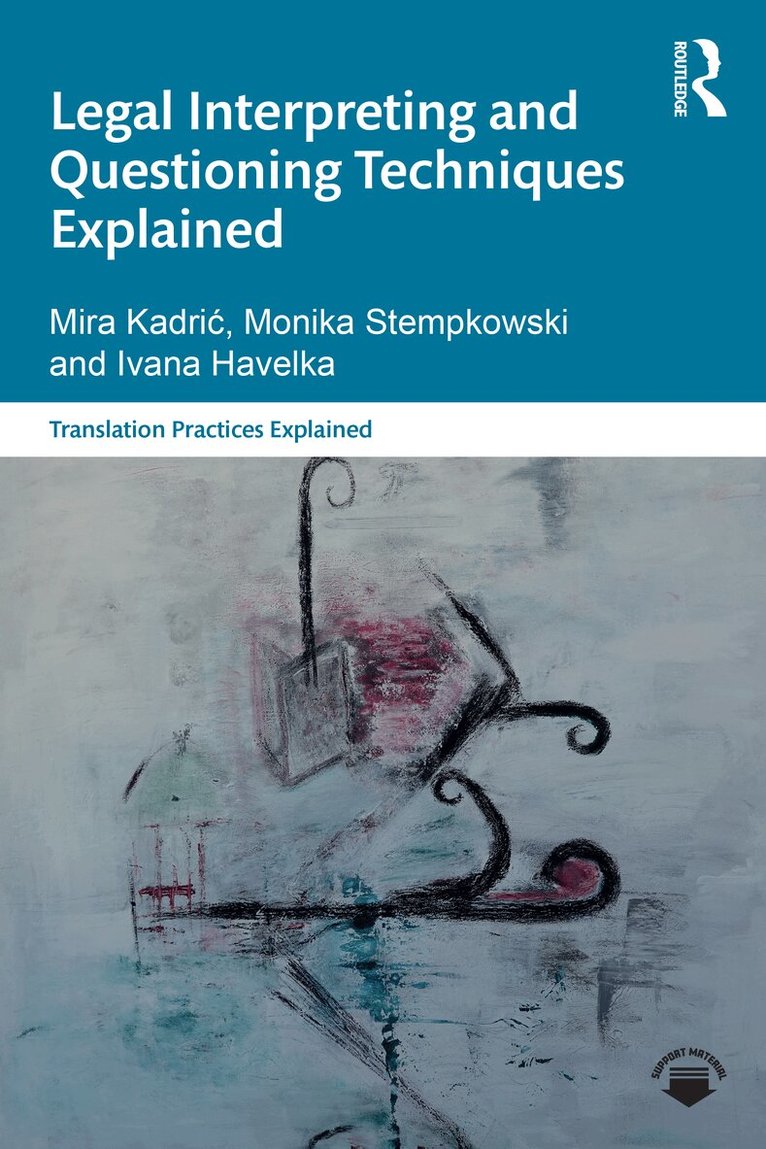
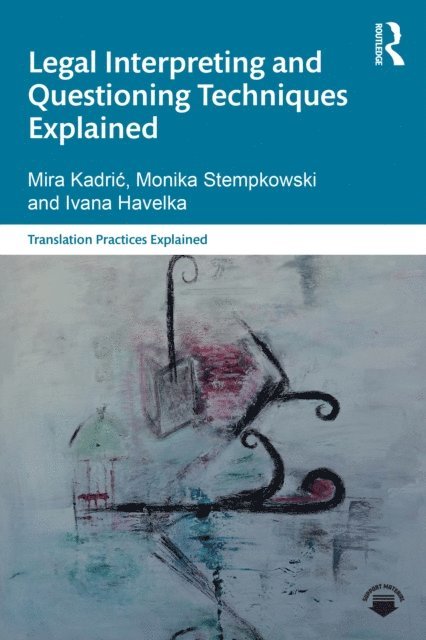
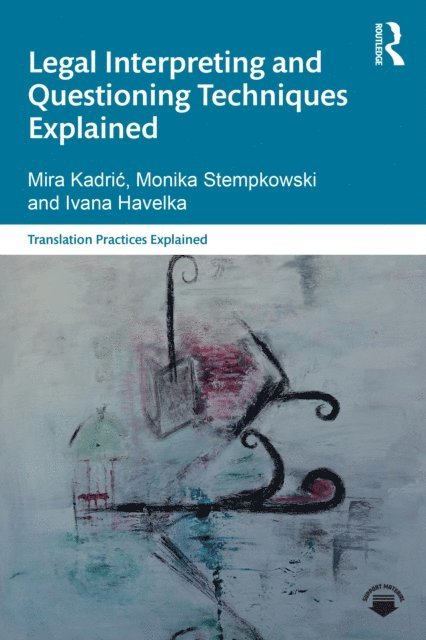
Legal Interpreting and Questioning Techniques Explained
Av Mira Kadrić, Monika Stempkowski m. fl.
Häftad, 2024
582 kr
Lägg i varukorg
Language and law are closely linked, and language is fundamental to the application of the law. Legal, criminalistic, translational and psychological aspects of communication come together in interpreted questioning (hearings, interrogations, interviews) and must be taken into account, especially …
Legal Interpreting and Questioning Techniques Explained
Av Mira Kadrić, Monika Stempkowski m. fl.
Inbunden, 2024
2309 kr
Lägg i varukorg
Language and law are closely linked, and language is fundamental to the application of the law. Legal, criminalistic, translational and psychological aspects of communication come together in interpreted questioning (hearings, interrogations, interviews) and must be taken into account, especially …
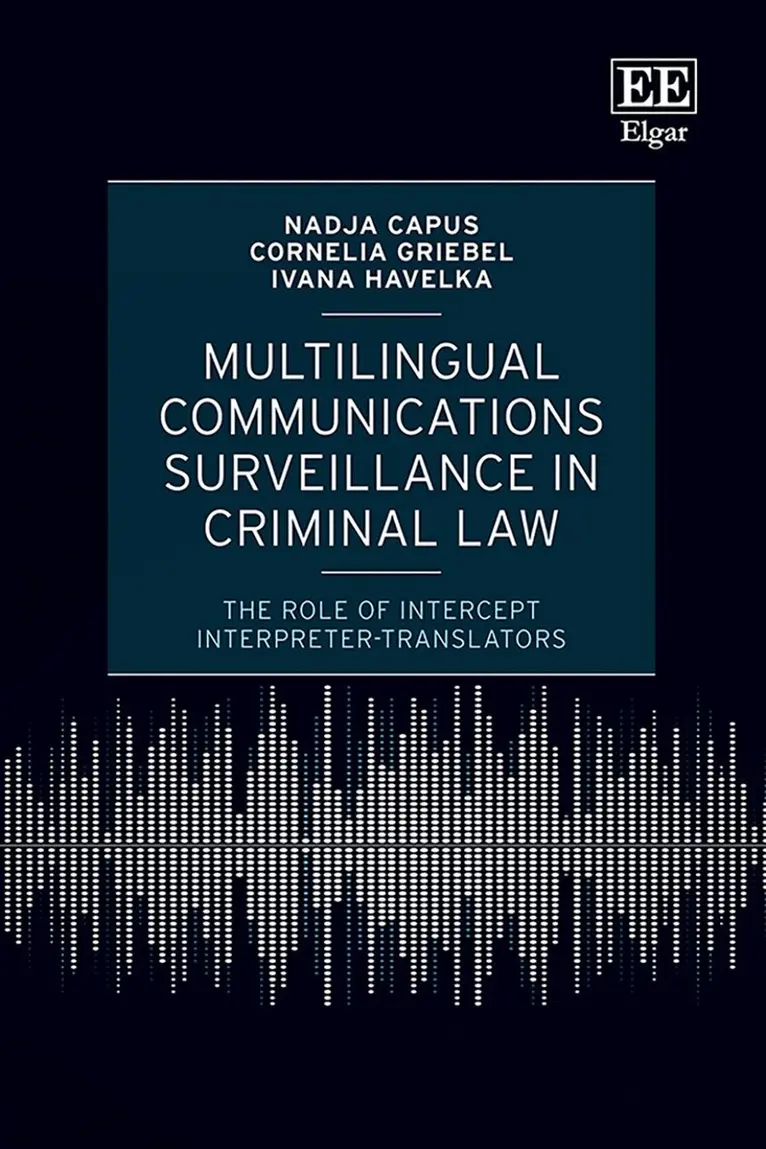
Multilingual Communications Surveillance in Criminal Law
The Role of Intercept Interpreter-translators
Av Nadja Capus, Cornelia Griebel m. fl.
Inbunden, 2024
1495 kr
Lägg i varukorg
Multilingual Communications Surveillance In Criminal Law highlights the vital yet overlooked roles of Intercept Interpreters and Translators (IITs) in criminal justice operations. Nadja Capus, Cornelia Griebel and Ivana Havelka conduct an interdisciplinary investigation, exploring IITs navigation …
Multilingual Communications Surveillance in Criminal Law
The Role of Intercept Interpreter-translators
Av Ivana Havelka, Cornelia Griebel m. fl.
E-bok, 2024
25 kr
Lägg i varukorg
Multilingual Communications Surveillance In Criminal Law highlights the vital yet overlooked roles of Intercept Interpreters and Translators (IITs) in criminal justice operations. Nadja Capus, Cornelia Griebel and Ivana Havelka conduct an interdisciplinary investigation, exploring IITs navigation …
Legal Interpreting and Questioning Techniques Explained
Av Ivana Havelka, Monika Stempkowski m. fl.
E-bok, 2024
685 kr
Lägg i varukorg
Language and law are closely linked, and language is fundamental to the application of the law. Legal, criminalistic, translational and psychological aspects of communication come together in interpreted questioning (hearings, interrogations, interviews) and must be taken into account, especially …
Legal Interpreting and Questioning Techniques Explained
Av Ivana Havelka, Monika Stempkowski m. fl.
E-bok, 2024
685 kr
Lägg i varukorg
Language and law are closely linked, and language is fundamental to the application of the law. Legal, criminalistic, translational and psychological aspects of communication come together in interpreted questioning (hearings, interrogations, interviews) and must be taken into account, especially …
Multilingual Communications Surveillance in Criminal Law
The Role of Intercept Interpreter-translators
Av Ivana Havelka, Cornelia Griebel m. fl.
E-bok, 2024
422 kr
Lägg i varukorg
Multilingual Communications Surveillance In Criminal Law highlights the vital yet overlooked roles of Intercept Interpreters and Translators (IITs) in criminal justice operations. Nadja Capus, Cornelia Griebel and Ivana Havelka conduct an interdisciplinary investigation, exploring IITs navigation …