Ivor Chipkin – författare
Visar alla böcker från författaren Ivor Chipkin. Handla med fri frakt och snabb leverans.
8 produkter
8 produkter
Häftad, Engelska, 2018
266 kr
Skickas inom 5-8 vardagar
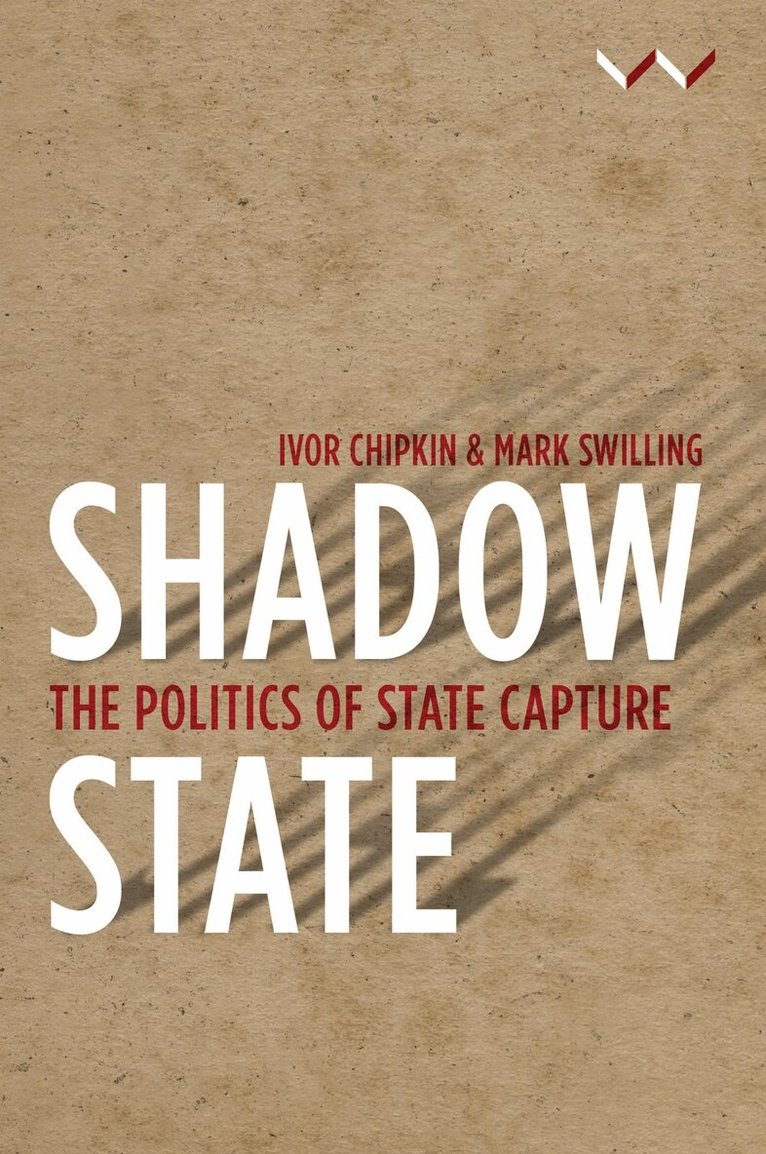
A powerful analysis of events that helped galvanise resistance across civil societyThe 2017 publication of Betrayal of the Promise, the report that detailed the systematic nature of state capture, marked a key moment in South Africa's most recent struggle for democracy. In the face of growing evidence of corruption and of the weakening of state and democratic institutions, it provided, for the first time, a powerful analysis of events that helped galvanise resistance within the Tripartite Alliance and across civil society. Working often secretly, the authors consolidated, for the first time, large amounts of evidence from a variety of sources. They showed that the Jacob Zuma administration was not simply a criminal network but part of an audacious political project to break the hold of whites and white business on the economy and to create a new class of black industrialists. State-Owned Enterprises (SOEs) such as Eskom and Transnet were central to these plans.The report introduced a whole new language to discuss state capture, showing how SOEs were 'repurposed', how political power was shifting away from constitutional bodies to 'kitchen cabinets', and how a 'shadow state' at odds with the country's constitutional framework was being built. Shadow State is an updated version of the original, explosive report that changed South Africa's recent history.
E-bok
PDF, Engelska, 2018430 kr
Läs direkt efter köp
The 2017 publication of Betrayal of the Promise, the report that detailed the systematic nature of state capture, marked a key moment in South Africa’s most recent struggle for democracy. In the face of growing evidence of corruption and of the weakening of state and democratic institutions, it provided a powerful analysis of events that helped galvanise resistance within the Tripartite Alliance and across civil society. Working often secretly, the authors consolidated large amounts of evidence from a variety of sources. They showed that the Jacob Zuma administration was not simply a criminal network but part of an audacious political project to break the hold of white business on the economy and to create a new class of black industrialists. State-owned enterprises (SOEs) such as Eskom and Transnet were central to these plans. Shadow State is an updated version of the original, explosive report that changed South Africa’s recent history. It introduces a whole new language to discuss state capture, showing how SOEs were ‘repurposed’, how political power was shifting away from constitutional bodies to ‘kitchen cabinets’, and how a ‘shadow state’ at odds with the country’s constitutional framework was being built.
E-bok
Engelska, 2018445 kr
Läs direkt efter köp
The 2017 publication of Betrayal of the Promise, the report that detailed the systematic nature of state capture, marked a key moment in South Africa’s most recent struggle for democracy. In the face of growing evidence of corruption and of the weakening of state and democratic institutions, it provided a powerful analysis of events that helped galvanise resistance within the Tripartite Alliance and across civil society. Working often secretly, the authors consolidated large amounts of evidence from a variety of sources. They showed that the Jacob Zuma administration was not simply a criminal network but part of an audacious political project to break the hold of white business on the economy and to create a new class of black industrialists. State-owned enterprises (SOEs) such as Eskom and Transnet were central to these plans. Shadow State is an updated version of the original, explosive report that changed South Africa’s recent history. It introduces a whole new language to discuss state capture, showing how SOEs were ‘repurposed’, how political power was shifting away from constitutional bodies to ‘kitchen cabinets’, and how a ‘shadow state’ at odds with the country’s constitutional framework was being built.
E-bok
PDF, Engelska, 2007373 kr
Läs direkt efter köp
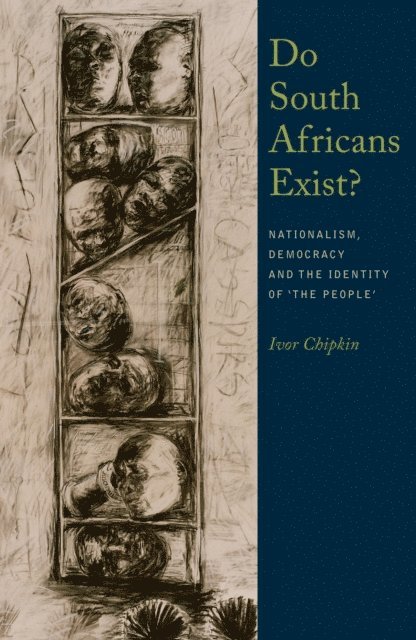
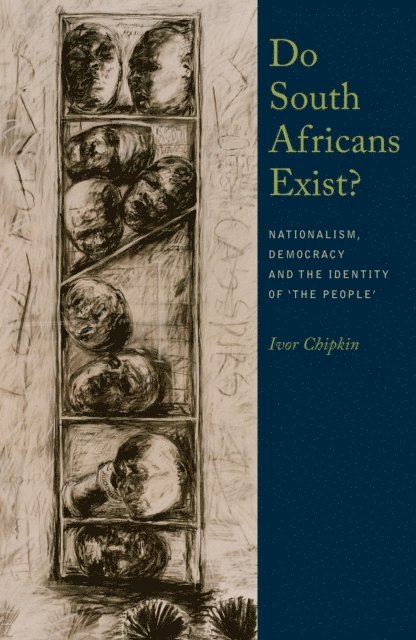
Do South Africans Exist? Addresses a gap in contemporary studies of nationalism and the nation, providing a critical study of South African nationalism against a broader context of African nationalism in general. Narratives of resistance, telling of African peoples oppressed and exploited, presume that ‘the people’ preceded the period of nationalist struggle. This book explores how an African ‘people’ came into being in the first place, particularly in the South African context, as a collectivity organised in pursuit of a political – and not simply cultural – end. The author argues that the nation is a political community whose form is given in relation to the pursuit of democracy and freedom, and that if democratic authority is lodged in ''the people'', what matters is the way that this ''people'' is defined, delimited and produced. He argues that the nation precedes the state, not because it has always existed, but because it emerges in and through the nationalist struggle for state power. Ultimately, he encourages the reader to re-evaluate knee-jerk judgements about the failure of modernity in Africa.
386 kr
Läs direkt efter köp
Do South Africans Exist? Addresses a gap in contemporary studies of nationalism and the nation, providing a critical study of South African nationalism against a broader context of African nationalism in general. Narratives of resistance, telling of African peoples oppressed and exploited, presume that ‘the people’ preceded the period of nationalist struggle. This book explores how an African ‘people’ came into being in the first place, particularly in the South African context, as a collectivity organised in pursuit of a political – and not simply cultural – end. The author argues that the nation is a political community whose form is given in relation to the pursuit of democracy and freedom, and that if democratic authority is lodged in ''the people'', what matters is the way that this ''people'' is defined, delimited and produced. He argues that the nation precedes the state, not because it has always existed, but because it emerges in and through the nationalist struggle for state power. Ultimately, he encourages the reader to re-evaluate knee-jerk judgements about the failure of modernity in Africa.
Häftad, Engelska, 2007
376 kr
Skickas inom 5-8 vardagar
Do South Africans Exist? Addresses a gap in contemporary studies of nationalism and the nation, providing a critical study of South African nationalism against a broader context of African nationalism in general. Narratives of resistance, telling of African peoples oppressed and exploited, presume that 'the people' preceded the period of nationalist struggle. This book explores how an African 'people' came into being in the first place, particularly in the South African context, as a collectivity organised in pursuit of a political – and not simply cultural – end. The author argues that the nation is a political community whose form is given in relation to the pursuit of democracy and freedom, and that if democratic authority is lodged in 'the people', what matters is the way that this 'people' is defined, delimited and produced. He argues that the nation precedes the state, not because it has always existed, but because it emerges in and through the nationalist struggle for state power. Ultimately, he encourages the reader to re-evaluate knee-jerk judgements about the failure of modernity in Africa.
E-bok
PDF, Engelska, 201844 kr
Läs direkt efter köp
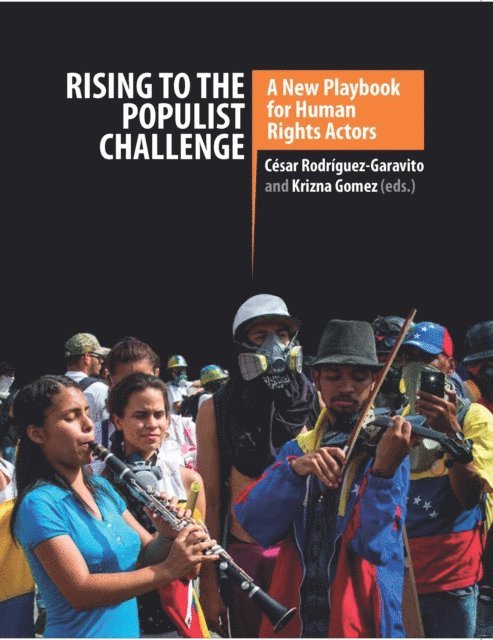
This book collects and analyzes a repertoire of responses by human rights organizations to the crackdown against civil society in the populist context. Written by scholars and advocates in challenging political settings from around the world, this book offers ideas and inspiration to their peers in the human rights community who are grappling with and resisting the erosion of democracy and rights.This collection takes two steps towards clearing the path for this civil society transformation. First, it clarifies the specific challenges to human rights raised by contemporary populist regimes and movements. What is the populist playbook against human rights? Second, it contributes to documenting and learning from a wealth of initiatives by human rights actors. What innovations are human rights actors introducing into their strategies and narratives to counter those of populist regimes? In short, what is the human rights playbook against populism?From meticulous documentation of abuses in Turkey to more grassroots forms of social networking in Hungary, from peace caravans in India to finding new ways of being useful under 21st century dictatorships in Venezuela, like war correspondents reporting from the trenches, our authors step forward to share their own continuing struggles to help their communities.Based on evidence from populist governments in India, Venezuela, Hungary, Turkey, Russia, the United States, and Ecuador—as well as crackdowns against civil society in South Africa, Egypt and other countries—this volume provides hope, solidarity, and reinvigoration for the human rights movement.
E-bok
PDF, Spanska, 201846 kr
Läs direkt efter köp
Una nueva guía para actores de derechos humanos. Este libro recopila y analiza un repertorio de respuestas de organizaciones de derechos humanos a la represión contra la sociedad civil en el contexto populista. Escrito por académicos y defensores que trabajan en entornos políticos desafiantes en todo el mundo, este libro ofrece ideas e inspiración para los activistas de derechos humanos que luchan y resisten la erosión de la democracia y los derechos.Esta colección busca facilitar la transformación de la sociedad civil de dos formas: En primer lugar, identifica los desafíos específicos que los regímenes y movimientos populistas contemporáneos crean para los derechos humanos. ¿Cuáles son las estrategias de los populistas contra los derechos humanos? En segundo lugar, contribuye a documentar y aprender de una variedad de iniciativas lideradas por diferentes defensores de derechos humanos. ¿Qué innovaciones están integrando los actores de derechos humanos en sus estrategias y narrativas para contrarrestar las de los regímenes populistas? En resumen, ¿cuál es el manual o las estrategias de derechos humanos contra el populismo?Desde una documentación detallada sobre abusos en Turquía a formas más populares de redes sociales en Hungría, desde caravanas de paz en la India hasta nuevas formas para tener impacto bajo las dictaduras del siglo XXI en Venezuela, como corresponsales de guerra informando desde las trincheras, nuestros autores comparten sus propias luchas continuas para ayudar a sus comunidades.Con base en la evidencia de gobiernos populistas en India, Venezuela, Hungría, Turquía, Rusia, Estados Unidos y Ecuador, así como enérgicas medidas contra la sociedad civil en Sudáfrica, Egipto y otros países, este volumen brinda esperanza, solidaridad y revitalización para el movimiento de derechos humanos.