Iwao Hirose - Böcker
Visar alla böcker från författaren Iwao Hirose. Handla med fri frakt och snabb leverans.
13 produkter
13 produkter
590 kr
Skickas inom 5-8 vardagar
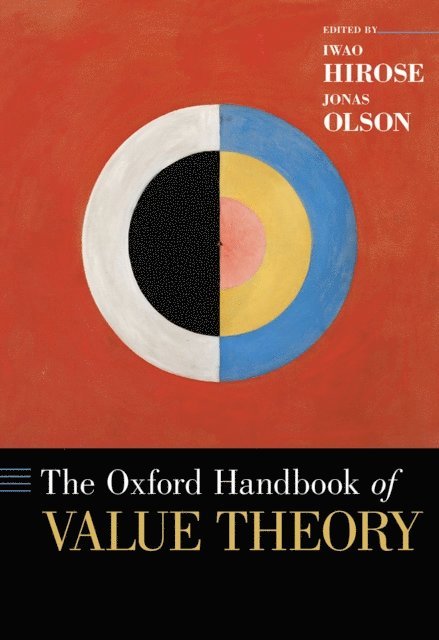
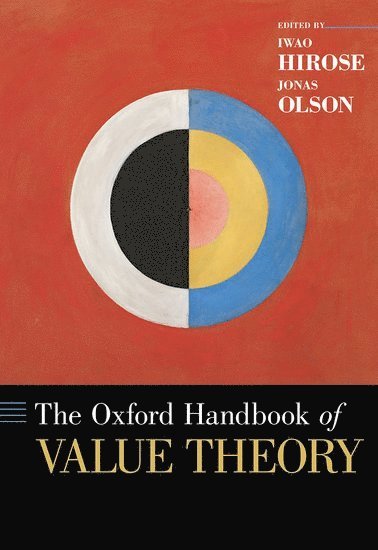
Value theory, or axiology, looks at what things are good or bad, how good or bad they are, and, most fundamentally, what it is for a thing to be good or bad. Questions about value and about what is valuable are important to moral philosophers, since most moral theories hold that we ought to promote the good (even if this is not the only thing we ought to do). This Handbook focuses on value theory as it pertains to ethics, broadly construed, and provides a comprehensive overview of contemporary debates pertaining not only to philosophy but also to other disciplines-most notably, political theory and economics.The Handbook's twenty-two newly commissioned chapters are divided into three parts. Part I: Foundations concerns fundamental and interrelated issues about the nature of value and distinctions between kinds of value. Part II: Structure concerns formal properties of value that bear on the possibilities of measuring and comparing value. Part III: Extensions, finally, considers specific topics, ranging from health to freedom, where questions of value figure prominently.
1 678 kr
Skickas inom 3-6 vardagar
John Broome has made major contributions to, and radical innovations in, contemporary moral philosophy. His research combines the formal method of economics with philosophical analysis. Broome's works stretch over formal axiology, decision theory, philosophy of economics, population axiology, the value of life, the ethics of climate change, the nature of rationality, and practical and theoretical reasoning. Weighing and Reasoning brings together fifteen original essays from leading philosophers who have been influenced by the work and thought of John Broome. It aims to offer a comprehensive evaluation of Broome's wide-ranging and far-reaching philosophical works over the past thirty years. The volume comprises two parts. The first part is focused on Broome's work on the theory of value, as exemplified in his books Weighing Goods, Weighing Lives, Economics out of Economics, and Climate Matters. The second part is focused on his work on practical and theoretical reasoning, which culminated in his Rationality through Reasoning. This volume also includes a piece by Broome on his intellectual history to date.
1 539 kr
Skickas inom 3-6 vardagar
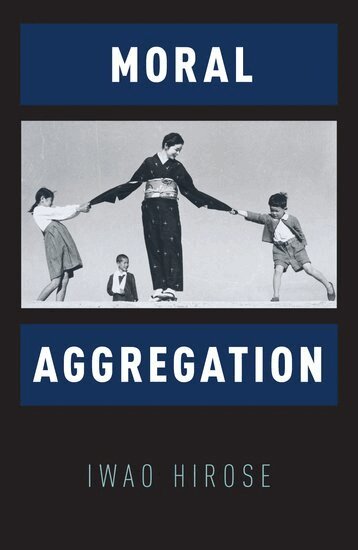
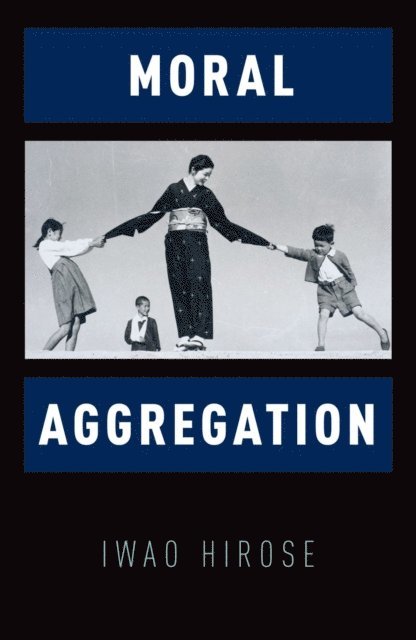
Some ethical theories tolerate or require aggregation -- a trade-off between benefits to a group of individuals and losses to another group of individuals. Since aggregation is an essential feature of utilitarianism, many critics of utilitarianism -- including John Rawls, Thomas Nagel, T. M. Scanlon, and others -- rule out aggregation from their proposed theories. However, critics encounter what has become known as the number problem-the problem that non-aggregative theories are insensitive to the number of people affected by actions even in the cases where the number of people is clearly relevant to what we ought to do. In this book, Iwao Hirose elucidates the theoretical nature of interpersonal and intra-personal aggregation and defends a form of aggregation, formal aggregation, as distinguished from substantive aggregation in utilitarianism. Substantive aggregation combines the morally relevant factors that are determined prior to, and independently of, aggregative process, and identifies the goal to be pursued. In contrast, formal aggregation represents the overall ethical judgment in terms of individuals' morally relevant factors and gives a structure to our ethical thinking. Hirose's view of formal aggregation is broader than substantive aggregation and avoids problems for utilitarianism. Furthermore, formal aggregation can satisfy the demands of critics of the conventional understanding of aggregation, thus being more attractive than substantive aggregation and the unqualified rejection of aggregation. Hirose's analysis thus elucidates the far-reaching scope of aggregation and offers a new insight to one of the fundamental elements in ethical theory.
2 524 kr
Skickas inom 7-10 vardagar
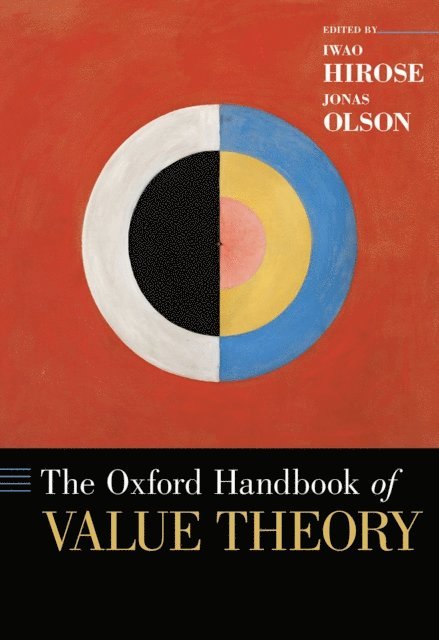
Value theory, or axiology, looks at what things are good or bad, how good or bad they are, and, most fundamentally, what it is for a thing to be good or bad. Questions about value and about what is valuable are important to moral philosophers, since most moral theories hold that we ought to promote the good (even if this is not the only thing we ought to do). This Handbook focuses on value theory as it pertains to ethics, broadly construed, and provides a comprehensive overview of contemporary debates pertaining not only to philosophy but also to other disciplines-most notably, political theory and economics.The Handbook's twenty-two newly commissioned chapters are divided into three parts. Part I: Foundations concerns fundamental and interrelated issues about the nature of value and distinctions between kinds of value. Part II: Structure concerns formal properties of value that bear on the possibilities of measuring and comparing value. Part III: Extensions, finally, considers specific topics, ranging from health to freedom, where questions of value figure prominently.
566 kr
Skickas inom 10-15 vardagar
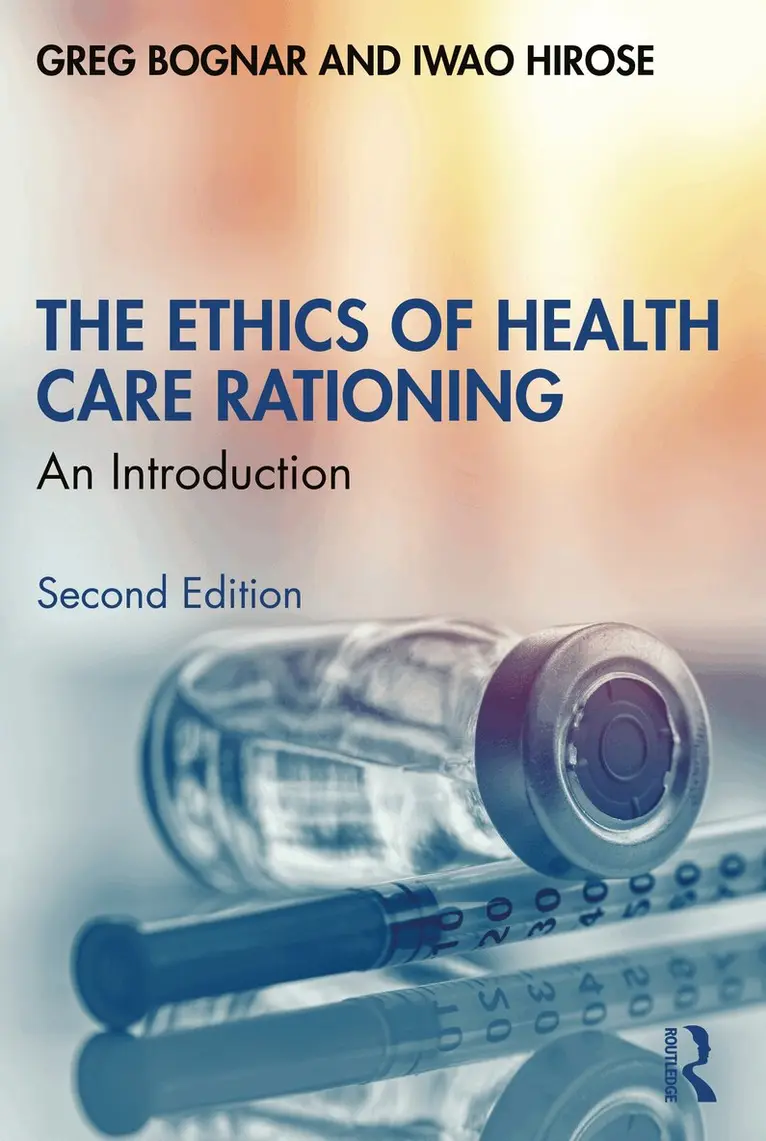
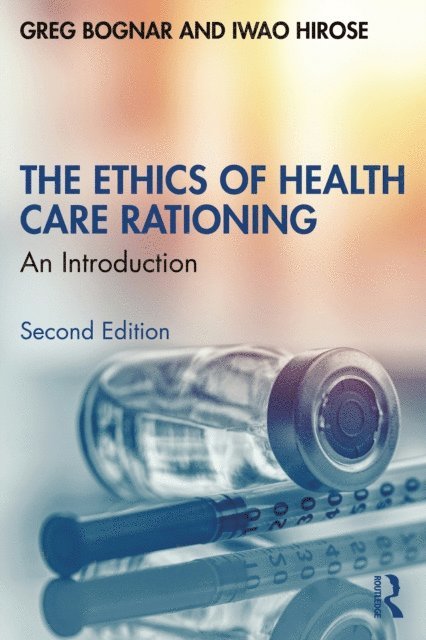
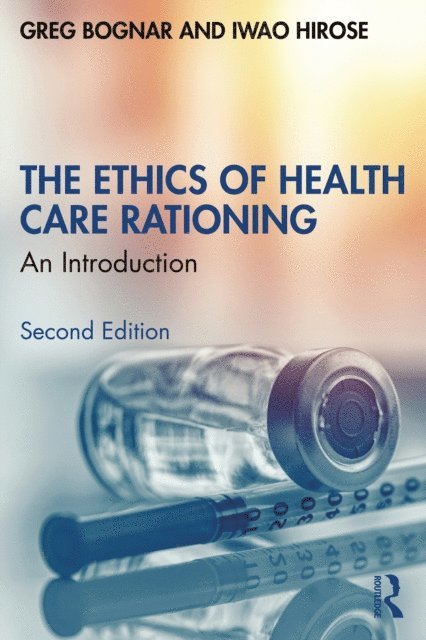
The rationing of health care is universal and inevitable, taking place in both poor and affluent countries, in publicly funded and private health care systems. Someone must budget for as well as dispense health care whilst aging populations severely stretch the availability of resources. The Ethics of Health Care Rationing is a clear, timely, and much-needed introduction to this important topic. Substantially revised and updated, this second edition includes new chapters on disability discrimination and age discrimination, and on the price of drugs and medical therapies. Beginning with a helpful overview of why rationing is an ethical problem, the authors examine the following key topics: What sort of distributive principles should we rely on when thinking about health care rationing? What is the relation between ethics and cost-effectiveness in health care?How should we think about controversies surrounding discrimination over disability and age? How should we approach controversies surrounding rationing and the price of pharmaceutical drugs and medical therapies? Should patients be held responsible for their health? Why does the debate on responsibility for health lead to issues about socioeconomic status and social inequality?Throughout the book, examples from the United States, the United Kingdom, and other countries are used to illustrate the ethical issues at stake. Additional features such as chapter summaries, annotated further reading, and discussion questions have also been updated, making this an ideal starting point for students new to the subject, not only in philosophy but also in closely related fields such as politics, health economics, public health, medicine, nursing and social work.
2 151 kr
Skickas inom 10-15 vardagar
The rationing of health care is universal and inevitable, taking place in both poor and affluent countries, in publicly funded and private health care systems. Someone must budget for as well as dispense health care whilst aging populations severely stretch the availability of resources. The Ethics of Health Care Rationing is a clear, timely, and much-needed introduction to this important topic. Substantially revised and updated, this second edition includes new chapters on disability discrimination and age discrimination, and on the price of drugs and medical therapies. Beginning with a helpful overview of why rationing is an ethical problem, the authors examine the following key topics: What sort of distributive principles should we rely on when thinking about health care rationing? What is the relation between ethics and cost-effectiveness in health care?How should we think about controversies surrounding discrimination over disability and age? How should we approach controversies surrounding rationing and the price of pharmaceutical drugs and medical therapies? Should patients be held responsible for their health? Why does the debate on responsibility for health lead to issues about socioeconomic status and social inequality?Throughout the book, examples from the United States, the United Kingdom, and other countries are used to illustrate the ethical issues at stake. Additional features such as chapter summaries, annotated further reading, and discussion questions have also been updated, making this an ideal starting point for students new to the subject, not only in philosophy but also in closely related fields such as politics, health economics, public health, medicine, nursing and social work.
630 kr
Tillfälligt slut
2 223 kr
Skickas inom 10-15 vardagar
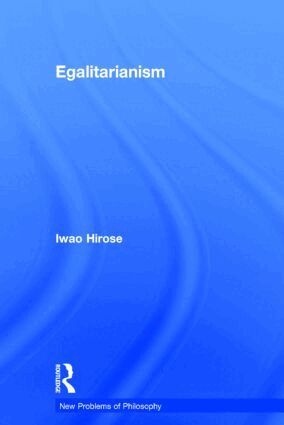
Some people are worse off than others. Does this fact give rise to moral concern? Egalitarianism claims that it does, for a wide array of reasons. It is one of the most important and hotly debated problems in moral and political philosophy, occupying a central place in the work of John Rawls, Thomas Nagel, G. A. Cohen and Derek Parfit. It also plays an important role in practical contexts such as the allocation of health care resources, the design of education and tax systems, and the pursuit of global justice.Egalitarianism is a superb introduction to the problem of contemporary egalitarian theories. It explains how rival theories of egalitarianism evaluate distributions of people’s well-being, and carefully assesses the theoretical structure of each theory. It also examines how egalitarian theories are applied to the distribution of health and health care, thus bringing a deceptively complex philosophical debate into clear focus. Beginning with a brief introduction to basic terminology, Iwao Hirose examines the following topics: Rawlsian egalitarianismluck egalitarianismtelic egalitarianismprioritarianismsufficientarianismequality and timeequality in health and health care.Including chapter summaries, annotated further reading and a glossary, this is an ideal starting point for anyone studying distributive justice for the first time, and will also be of interest to more advanced students and researchers in philosophy, economics, political theory, public policy, and public health.
658 kr
Skickas inom 10-15 vardagar
Some people are worse off than others. Does this fact give rise to moral concern? Egalitarianism claims that it does, for a wide array of reasons. It is one of the most important and hotly debated problems in moral and political philosophy, occupying a central place in the work of John Rawls, Thomas Nagel, G. A. Cohen and Derek Parfit. It also plays an important role in practical contexts such as the allocation of health care resources, the design of education and tax systems, and the pursuit of global justice.Egalitarianism is a superb introduction to the problem of contemporary egalitarian theories. It explains how rival theories of egalitarianism evaluate distributions of people’s well-being, and carefully assesses the theoretical structure of each theory. It also examines how egalitarian theories are applied to the distribution of health and health care, thus bringing a deceptively complex philosophical debate into clear focus. Beginning with a brief introduction to basic terminology, Iwao Hirose examines the following topics: Rawlsian egalitarianismluck egalitarianismtelic egalitarianismprioritarianismsufficientarianismequality and timeequality in health and health care.Including chapter summaries, annotated further reading and a glossary, this is an ideal starting point for anyone studying distributive justice for the first time, and will also be of interest to more advanced students and researchers in philosophy, economics, political theory, public policy, and public health.
524 kr
Skickas inom 10-15 vardagar
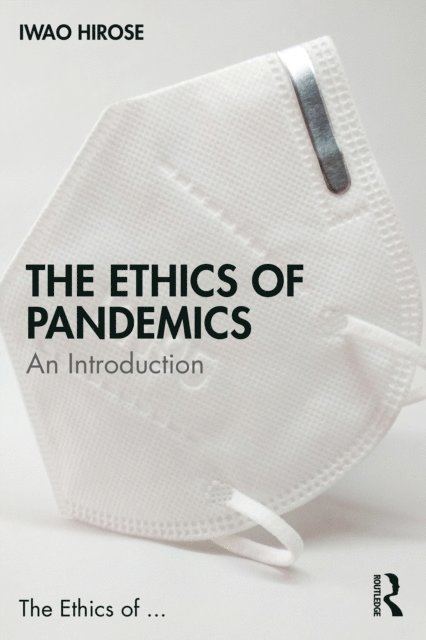
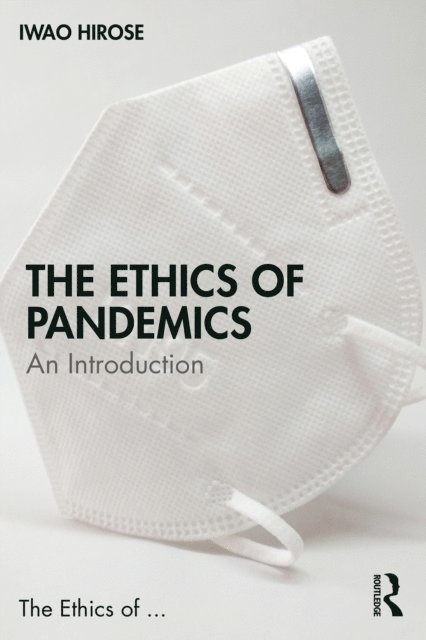
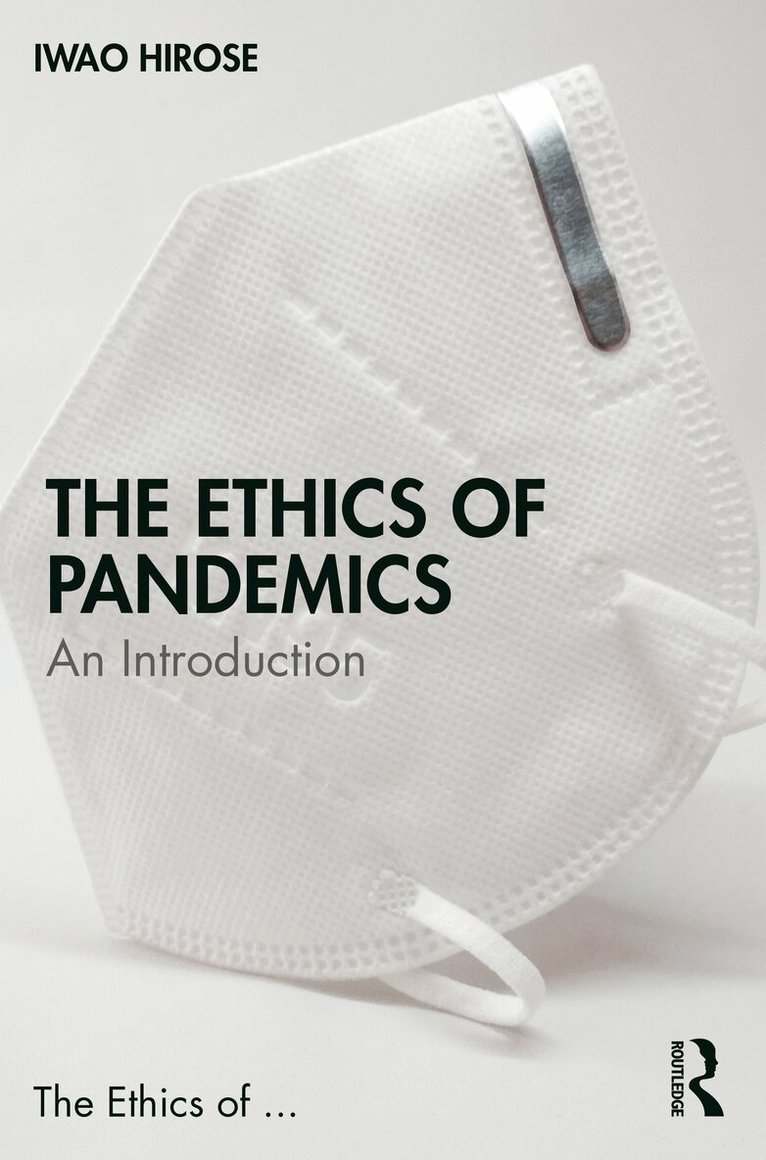
The recent COVID-19 pandemic has brought a broad range of ethical problems to the forefront, raising fundamental questions about the role of government in response to such outbreaks, the scarcity and allocation of health care resources, the unequal distribution of health risks and economic impacts, and the extent to which individual freedom can be restricted.In this clear introduction to the topic Iwao Hirose explores these ethical questions and analyzes the central issues in the ethics of pandemic response and preparedness such as: The general nature of pandemics and the ethics of preparednessEthical questions about general goals of pandemic response and preparednessThe distribution of scarce resources, for example, ventilators, hospital beds, antiviral drugs, and vaccinesRestrictions on individual freedomEthical questions in the wake of pandemics, including contact tracing, vaccine passports, and socioeconomic inequalities.With the use of real-life examples and a clear philosophical approach, The Ethics of Pandemics is a much-needed introduction to some of the most important ethical issues surrounding pandemics. It is essential reading for students of ethics, bioethics, and political philosophy and will also be of interest to those working in related areas such as public policy, public health, health law, nursing, and life sciences.
1 895 kr
Skickas inom 10-15 vardagar
The recent COVID-19 pandemic has brought a broad range of ethical problems to the forefront, raising fundamental questions about the role of government in response to such outbreaks, the scarcity and allocation of health care resources, the unequal distribution of health risks and economic impacts, and the extent to which individual freedom can be restricted.In this clear introduction to the topic Iwao Hirose explores these ethical questions and analyzes the central issues in the ethics of pandemic response and preparedness such as: The general nature of pandemics and the ethics of preparednessEthical questions about general goals of pandemic response and preparednessThe distribution of scarce resources, for example, ventilators, hospital beds, antiviral drugs, and vaccinesRestrictions on individual freedomEthical questions in the wake of pandemics, including contact tracing, vaccine passports, and socioeconomic inequalities.With the use of real-life examples and a clear philosophical approach, The Ethics of Pandemics is a much-needed introduction to some of the most important ethical issues surrounding pandemics. It is essential reading for students of ethics, bioethics, and political philosophy and will also be of interest to those working in related areas such as public policy, public health, health law, nursing, and life sciences.
579 kr
Skickas inom 10-15 vardagar
Some people are worse off than others. Does this fact give rise to moral concern? Egalitarianism claims that it does, for a wide array of reasons. It is one of the most important and hotly debated problems in moral and political philosophy and also plays an important role in practical contexts such as the allocation of health care resources, the design of education and tax systems, and the pursuit of global justice. Egalitarianism is a superb introduction to and critical overview of the problem of contemporary egalitarian theories. It explains how rival theories of egalitarianism evaluate distributions of people’s well-being, and carefully assesses the theoretical structure of each theory. It also examines how egalitarian theories are applied to the distribution of health and health care, thus bringing a deceptively complex philosophical debate into clear focus. Beginning with a brief introduction to basic terminology, Iwao Hirose examines the following topics: Rawlsian egalitarianism luck egalitarianismtelic egalitarianismprioritarianismsufficientarianismequality and timeequality in health and health carerelational egalitarianism.This second edition has been revised and updated throughout, including extensive revisions to the chapters on sufficientarianism, taking into account new developments and arguments concerning inequality between different generations; and to the chapter on equality and time, concerning the separability of time. There is also an entirely new chapter on relational egalitarianism. Including chapter summaries, annotated further reading and a glossary, Egalitarianism is an ideal starting point for anyone studying distributive justice for the first time, and will also be of interest to more advanced students and researchers in philosophy, economics, political theory, public policy, and public health.
2 098 kr
Skickas inom 10-15 vardagar
Some people are worse off than others. Does this fact give rise to moral concern? Egalitarianism claims that it does, for a wide array of reasons. It is one of the most important and hotly debated problems in moral and political philosophy and also plays an important role in practical contexts such as the allocation of health care resources, the design of education and tax systems, and the pursuit of global justice. Egalitarianism is a superb introduction to and critical overview of the problem of contemporary egalitarian theories. It explains how rival theories of egalitarianism evaluate distributions of people’s well-being, and carefully assesses the theoretical structure of each theory. It also examines how egalitarian theories are applied to the distribution of health and health care, thus bringing a deceptively complex philosophical debate into clear focus. Beginning with a brief introduction to basic terminology, Iwao Hirose examines the following topics: Rawlsian egalitarianism luck egalitarianismtelic egalitarianismprioritarianismsufficientarianismequality and timeequality in health and health carerelational egalitarianism.This second edition has been revised and updated throughout, including extensive revisions to the chapters on sufficientarianism, taking into account new developments and arguments concerning inequality between different generations; and to the chapter on equality and time, concerning the separability of time. There is also an entirely new chapter on relational egalitarianism. Including chapter summaries, annotated further reading and a glossary, Egalitarianism is an ideal starting point for anyone studying distributive justice for the first time, and will also be of interest to more advanced students and researchers in philosophy, economics, political theory, public policy, and public health.