J. Bruce Jacobs – författare
Visar alla böcker från författaren J. Bruce Jacobs. Handla med fri frakt och snabb leverans.
9 produkter
Changing Taiwanese Identities
Av J. Bruce Jacobs, Peter Kang
Häftad, 2019
742 kr
Lägg i varukorg
The peoples of Taiwan have been influenced by many different cultures and migrations throughout the island’s history. In the 20th and early 21st centuries especially it has been a stage for cultural and ethnic conflict, not least because of the arrival of mainland Chinese fleeing the Chinese …
Changing Taiwanese Identities
Av J. Bruce Jacobs, Peter Kang
Inbunden, 2017
2746 kr
Lägg i varukorg
The peoples of Taiwan have been influenced by many different cultures and migrations throughout the island’s history. In the 20th and early 21st centuries especially it has been a stage for cultural and ethnic conflict, not least because of the arrival of mainland Chinese fleeing the Chinese …
Changing Taiwanese Identities
Av Peter Kang, J. Bruce Jacobs
E-bok, 2017
855 kr
Lägg i varukorg
The peoples of Taiwan have been influenced by many different cultures and migrations throughout the island’s history. In the 20th and early 21st centuries especially it has been a stage for cultural and ethnic conflict, not least because of the arrival of mainland Chinese fleeing the Chinese …
Changing Taiwanese Identities
Av Peter Kang, J. Bruce Jacobs
E-bok, 2017
874 kr
Lägg i varukorg
The peoples of Taiwan have been influenced by many different cultures and migrations throughout the island’s history. In the 20th and early 21st centuries especially it has been a stage for cultural and ethnic conflict, not least because of the arrival of mainland Chinese fleeing the Chinese …
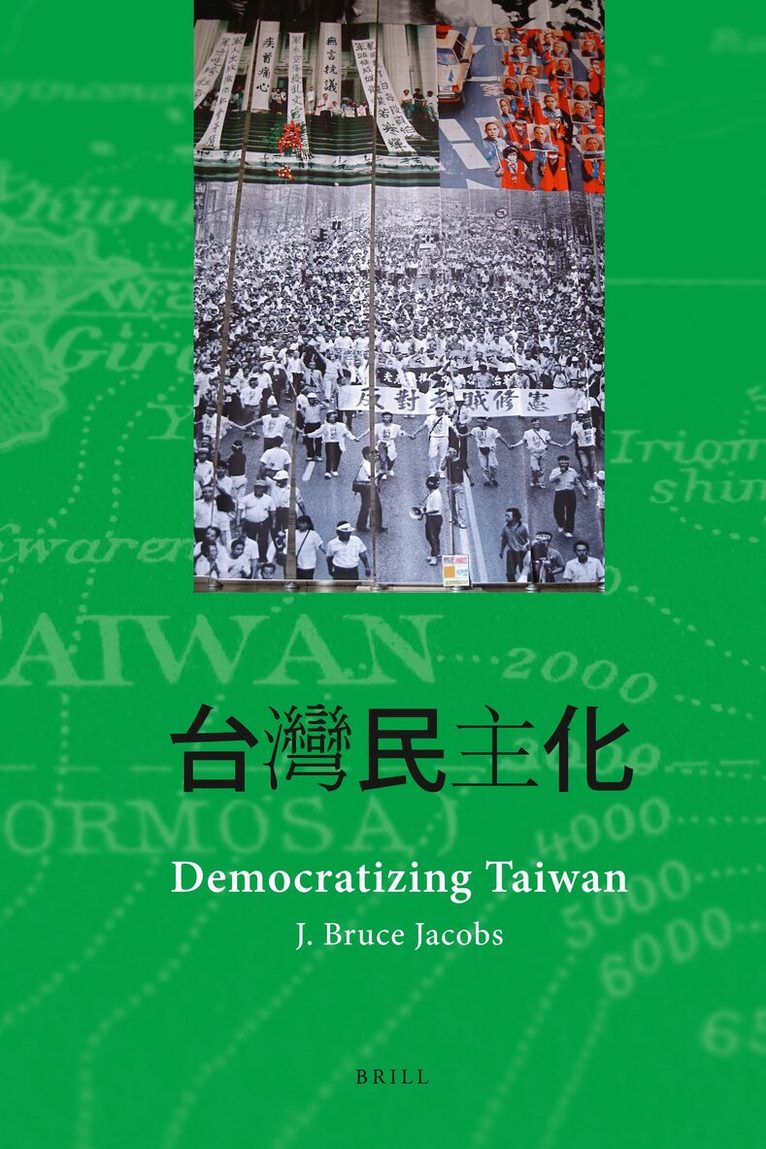
Democratizing Taiwan
Inbunden, 2012
1723 kr
Lägg i varukorg
Taiwan—together with India, Japan and South Korea—is one of only four consolidated Asian democracies. Democratizing Taiwan provides the most comprehensive analysis of Taiwan's peaceful democratization including its past violent authoritarian experiences, leadership both within and outside …
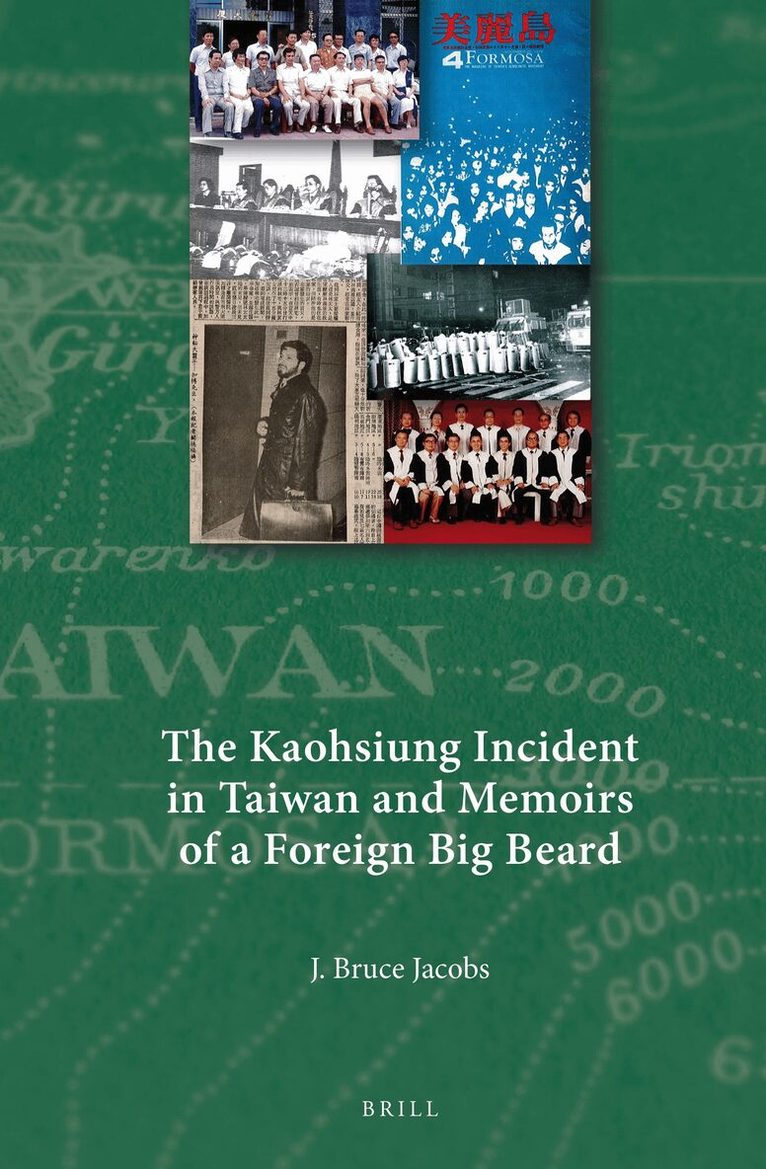
Kaohsiung Incident in Taiwan and Memoirs of a Foreign Big Beard
Häftad, 2016
727 kr
Lägg i varukorg
The Kaohsiung Incident of 1979-1980 disturbed Taiwan’s dictatorship and ultimately contributed to Taiwan’s democratization. This book analyzes the precursors to the Kaohsiung Incident, the Kaohsiung Incident itself, the following trials and the contributions of these events to Taiwan’s …
Assessing the Landscape of Taiwan and Korean Studies in Comparison
Inbunden, 2021
2204 kr
Lägg i varukorg
In Assessing the Landscape of Taiwan and Korean Studies in Comparison, the chapters offer a reflection on the state of the field of Taiwan and Korea Studies. For the editors, the volume’s purpose was to identify not just their similarities, but also a reflection on their differences. Both have …