J. Kameron Carter – författare
Visar alla böcker från författaren J. Kameron Carter. Handla med fri frakt och snabb leverans.
6 produkter
6 produkter
Inbunden, Engelska, 2008
770 kr
Skickas inom 5-8 vardagar
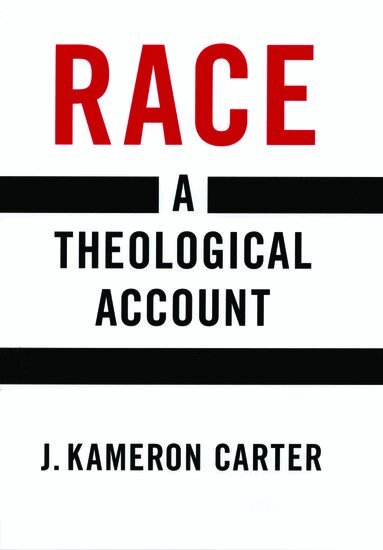
This groundbreaking monograph promises to open a new chapter in black theology. J. Kameron Carter argues that black theology's intellectual impoverishment in the Church and the academy is the result of its theologically shaky presuppositions, which are based largely on liberal Protestant convictions. He critiques the work of such noted scholars as Albert Raboteau, Charles Long and James Cone, and argues that black theology must rebuild itself on completely new theological foundations. He lays these foundations by means of a remarkable synthesis between African-American religious history and Christian orthodoxy. Carter urges black theologians to look back beyond the Enlightenment and the rise of race theory, and to bring patristic Christology into conversation with the modern construction of race and being. He himself draws primarily on the writings of Irenaeus of Lyons, Gregory of Nyssa, and Maximos the Confessor in constructing his innovative Christology.
E-bok
PDF, Engelska, 2008623 kr
Läs direkt efter köp
In Race: A Theological Account, J. Kameron Carter meditates on the multiple legacies implicated in the production of a racialized world and that still mark how we function in it and think about ourselves. These are the legacies of colonialism and empire, political theories of the state, anthropological theories of the human, and philosophy itself, from the eighteenth-century Enlightenment to the present. Carter''s claim is that Christian theology, and the signal transformation it (along with Christianity) underwent, is at the heart of these legacies. In that transformation, Christian anti-Judaism biologized itself so as to racialize itself. As a result, and with the legitimation of Christian theology, Christianity became the cultural property of the West, the religious ground of white supremacy and global hegemony. In short, Christianity became white. The racial imagination is thus a particular kind of theological problem. Not content only to describe this problem, Carter constructs a way forward for Christian theology. Through engagement with figures as disparate in outlook and as varied across the historical landscape as Immanuel Kant, Frederick Douglass, Jarena Lee, Michel Foucault, Cornel West, Albert Raboteau, Charles Long, James Cone, Irenaeus of Lyons, Gregory of Nyssa, and Maximus the Confessor, Carter reorients the whole of Christian theology, bringing it into the twenty-first century. Neither a simple reiteration of Black Theology nor another expression of the new theological orthodoxies, this groundbreaking book will be a major contribution to contemporary Christian theology, with ramifications in other areas of the humanities.
E-bok
Engelska, 2008601 kr
Läs direkt efter köp
In Race: A Theological Account, J. Kameron Carter meditates on the multiple legacies implicated in the production of a racialized world and that still mark how we function in it and think about ourselves. These are the legacies of colonialism and empire, political theories of the state, anthropological theories of the human, and philosophy itself, from the eighteenth-century Enlightenment to the present. Carter''s claim is that Christian theology, and the signal transformation it (along with Christianity) underwent, is at the heart of these legacies. In that transformation, Christian anti-Judaism biologized itself so as to racialize itself. As a result, and with the legitimation of Christian theology, Christianity became the cultural property of the West, the religious ground of white supremacy and global hegemony. In short, Christianity became white. The racial imagination is thus a particular kind of theological problem. Not content only to describe this problem, Carter constructs a way forward for Christian theology. Through engagement with figures as disparate in outlook and as varied across the historical landscape as Immanuel Kant, Frederick Douglass, Jarena Lee, Michel Foucault, Cornel West, Albert Raboteau, Charles Long, James Cone, Irenaeus of Lyons, Gregory of Nyssa, and Maximus the Confessor, Carter reorients the whole of Christian theology, bringing it into the twenty-first century. Neither a simple reiteration of Black Theology nor another expression of the new theological orthodoxies, this groundbreaking book will be a major contribution to contemporary Christian theology, with ramifications in other areas of the humanities.
Inbunden, Engelska, 2023
1 097 kr
Skickas inom 5-8 vardagar
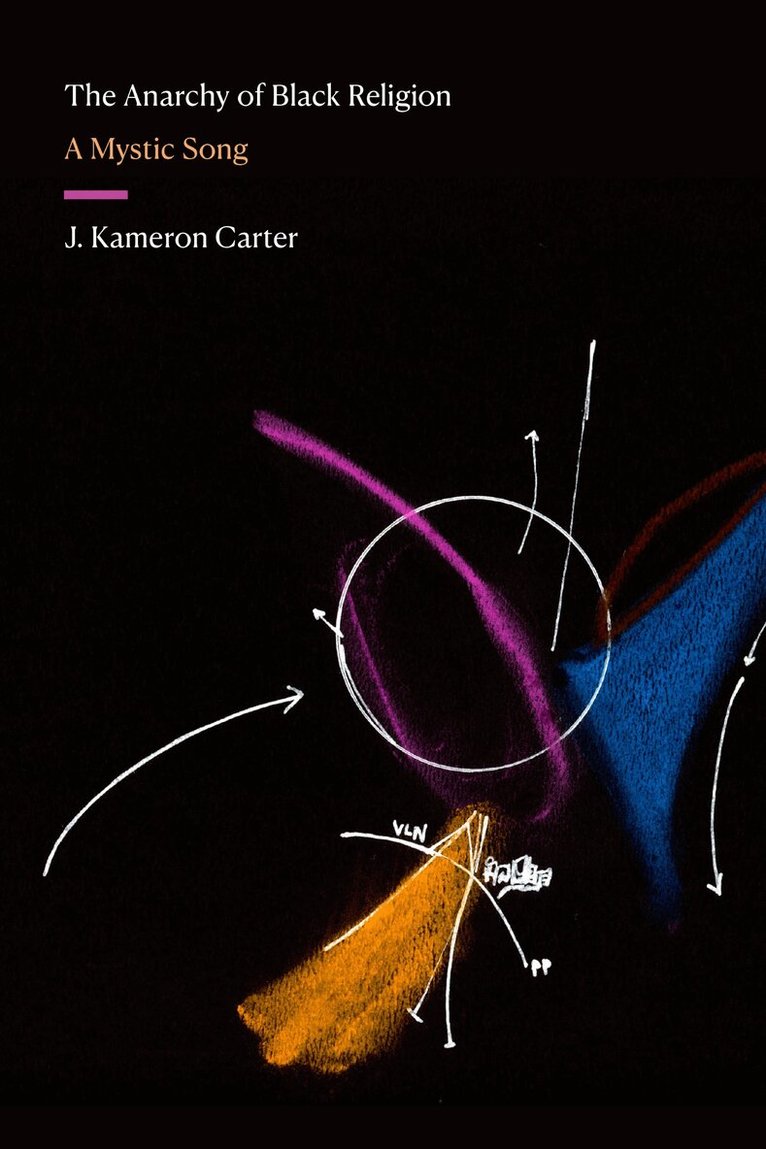
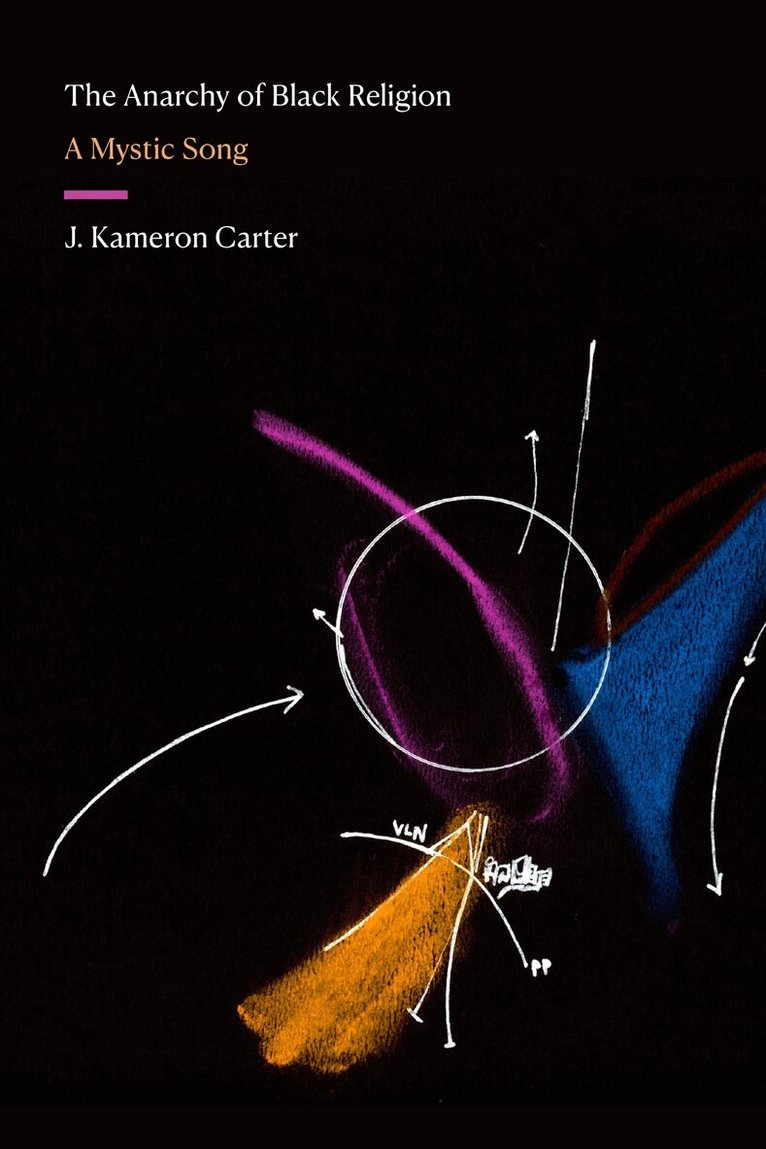
In The Anarchy of Black Religion, J. Kameron Carter examines the deeper philosophical, theological, and religious history that animates our times to advance a new approach to understanding religion. Drawing on the black radical tradition and black feminism, Carter explores the modern invention of religion as central to settler colonial racial technologies wherein antiblackness is a founding and guiding religious principle of the modern world. He therefore sets black religion apart from modern religion, even as it tries to include and enclose it. Carter calls this approach the black study of religion. Black religion emerges not as doctrinal, confessional, or denominational but as a set of poetic and artistic strategies for improvisatory living and gathering. Potentiating non-exclusionary belonging, black religion is anarchic, mystical, and experimental: it reveals alternative relationalities and visions of matter that can counter capitalism’s extractive, individualistic, and imperialist ideology. By enacting a black study of religion, Carter elucidates the violence of religion as the violence of modern life while also opening an alternate praxis of the sacred.
Häftad, Engelska, 2023
279 kr
Skickas inom 5-8 vardagar
In The Anarchy of Black Religion, J. Kameron Carter examines the deeper philosophical, theological, and religious history that animates our times to advance a new approach to understanding religion. Drawing on the black radical tradition and black feminism, Carter explores the modern invention of religion as central to settler colonial racial technologies wherein antiblackness is a founding and guiding religious principle of the modern world. He therefore sets black religion apart from modern religion, even as it tries to include and enclose it. Carter calls this approach the black study of religion. Black religion emerges not as doctrinal, confessional, or denominational but as a set of poetic and artistic strategies for improvisatory living and gathering. Potentiating non-exclusionary belonging, black religion is anarchic, mystical, and experimental: it reveals alternative relationalities and visions of matter that can counter capitalism’s extractive, individualistic, and imperialist ideology. By enacting a black study of religion, Carter elucidates the violence of religion as the violence of modern life while also opening an alternate praxis of the sacred.
E-bok
PDF, Engelska, 2023411 kr
Läs direkt efter köp
In The Anarchy of Black Religion, J. Kameron Carter examines the deeper philosophical, theological, and religious history that animates our times to advance a new approach to understanding religion. Drawing on the black radical tradition and black feminism, Carter explores the modern invention of religion as central to settler colonial racial technologies wherein antiblackness is a founding and guiding religious principle of the modern world. He therefore sets black religion apart from modern religion, even as it tries to include and enclose it. Carter calls this approach the black study of religion. Black religion emerges not as doctrinal, confessional, or denominational but as a set of poetic and artistic strategies for improvisatory living and gathering. Potentiating non-exclusionary belonging, black religion is anarchic, mystical, and experimental: it reveals alternative relationalities and visions of matter that can counter capitalism’s extractive, individualistic, and imperialist ideology. By enacting a black study of religion, Carter elucidates the violence of religion as the violence of modern life while also opening an alternate praxis of the sacred.