J. Koyama – författare
Visar alla böcker från författaren J. Koyama. Handla med fri frakt och snabb leverans.
3 produkter
Complex Faulting Process of Earthquakes
Av J. Koyama
Inbunden, 1997
1098 kr
Lägg i varukorg
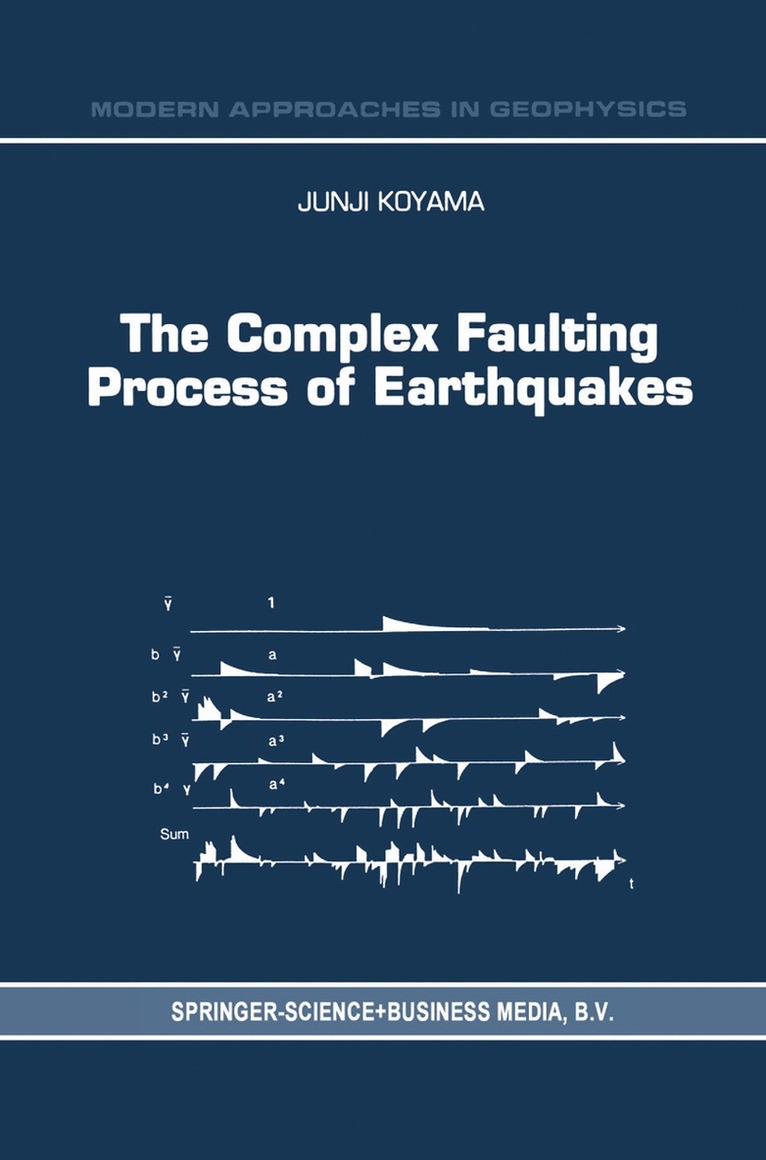
In seismology an earthquake source is described in terms of a fault with a particular rupture size. The faulting process of large earthquakes has been investigated in the last two decades through analyses of long-period seismo grams produced by advanced digital seismometry. By long-period …
Complex Faulting Process of Earthquakes
Av J. Koyama
Häftad, 2010
1095 kr
Lägg i varukorg
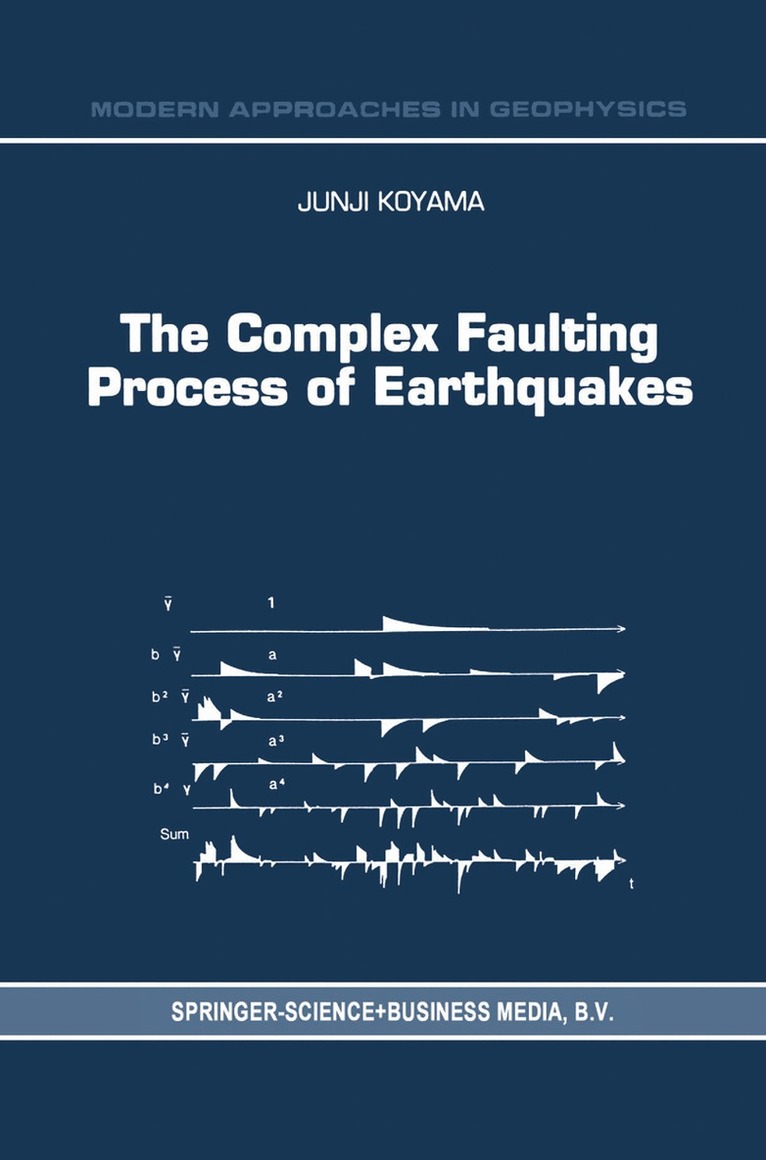
In seismology an earthquake source is described in terms of a fault with a particular rupture size. The faulting process of large earthquakes has been investigated in the last two decades through analyses of long-period seismo grams produced by advanced digital seismometry. By long-period …
Complex Faulting Process of Earthquakes
Av J. Koyama
E-bok, 2013
1459 kr
Lägg i varukorg
In seismology an earthquake source is described in terms of a fault with a particular rupture size. The faulting process of large earthquakes has been investigated in the last two decades through analyses of long-period seismo grams produced by advanced digital seismometry. By long-period …