J. Mark Halstead – författare
Visar alla böcker från författaren J. Mark Halstead. Handla med fri frakt och snabb leverans.
6 produkter
6 produkter
Inbunden, Engelska, 1999
2 088 kr
Skickas inom 10-15 vardagar
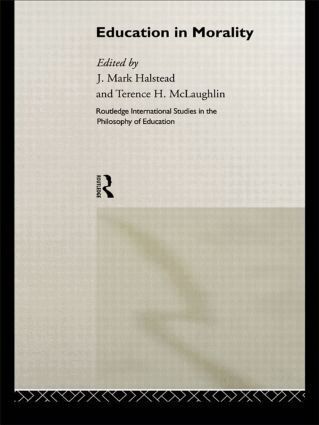
Offering a variety of perspectives on some of the most fundamental questions about moral education the volume is written in the belief that philosophy has an important contribution to make in bringing about a clearer understanding of the task of moral education. There is an international team of contributors including both philosophers and educationalists. These include; David Best, Brian Crittenden, Paul Hirst, Ruth Jonathon, John Kekes, Will Kymlicka, Alasdair MacIntyre and Amelie Oksenberg Rorty.
E-bok
Engelska, 2005725 kr
Läs direkt efter köp
Offering a variety of perspectives on some of the most fundamental questions about moral education the volume is written in the belief that philosophy has an important contribution to make in bringing about a clearer understanding of the task of moral education. There is an international team of contributors including both philosophers and educationalists. These include; David Best, Brian Crittenden, Paul Hirst, Ruth Jonathon, John Kekes, Will Kymlicka, Alasdair MacIntyre and Amelie Oksenberg Rorty.
E-bok
PDF, Engelska, 2005725 kr
Läs direkt efter köp
Offering a variety of perspectives on some of the most fundamental questions about moral education the volume is written in the belief that philosophy has an important contribution to make in bringing about a clearer understanding of the task of moral education. There is an international team of contributors including both philosophers and educationalists. These include; David Best, Brian Crittenden, Paul Hirst, Ruth Jonathon, John Kekes, Will Kymlicka, Alasdair MacIntyre and Amelie Oksenberg Rorty.
Häftad, Engelska, 2015
483 kr
Skickas inom 10-15 vardagar
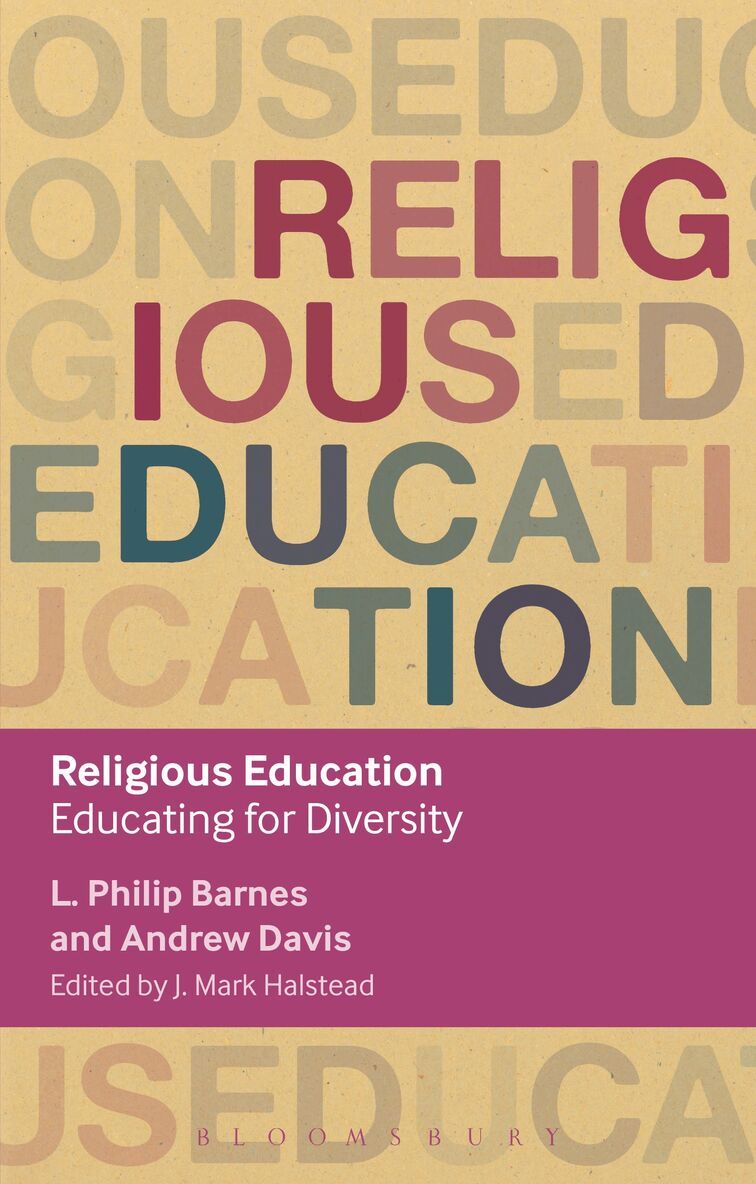
Religious Education: Educating for Diversity raises issues that are central to the theory and practice of education, and in particular religious education, in modern liberal democracies characterized by diversity in its different forms. What kind of religious education is best equipped both to challenge prejudice and intolerance in society and to develop responsible and respectful relationships between people from different communities or with different commitments? Two eminent educators address this question and propose contrasting answers. Attention is given to the aims of education and the contribution of religious education to the curriculum; historical forms of religious education; the nature of diversity in society; the roots of prejudice; different methodologies in religious education and their philosophical and religious commitments; and to positive strategies to enable religious education to realise its potential and contribute to the social and moral aims of liberal education.
E-bok
Engelska, 2015511 kr
Läs direkt efter köp
Religious Education: Educating for Diversity raises issues that are central to the theory and practice of education, and in particular religious education, in modern liberal democracies characterized by diversity in its different forms. What kind of religious education is best equipped both to challenge prejudice and intolerance in society and to develop responsible and respectful relationships between people from different communities or with different commitments? Two eminent educators address this question and propose contrasting answers. Attention is given to the aims of education and the contribution of religious education to the curriculum; historical forms of religious education; the nature of diversity in society; the roots of prejudice; different methodologies in religious education and their philosophical and religious commitments; and to positive strategies to enable religious education to realise its potential and contribute to the social and moral aims of liberal education.
E-bok
PDF, Engelska, 2015511 kr
Läs direkt efter köp
Religious Education: Educating for Diversity raises issues that are central to the theory and practice of education, and in particular religious education, in modern liberal democracies characterized by diversity in its different forms. What kind of religious education is best equipped both to challenge prejudice and intolerance in society and to develop responsible and respectful relationships between people from different communities or with different commitments? Two eminent educators address this question and propose contrasting answers. Attention is given to the aims of education and the contribution of religious education to the curriculum; historical forms of religious education; the nature of diversity in society; the roots of prejudice; different methodologies in religious education and their philosophical and religious commitments; and to positive strategies to enable religious education to realise its potential and contribute to the social and moral aims of liberal education.