J. Megan Greene – författare
Visar alla böcker från författaren J. Megan Greene. Handla med fri frakt och snabb leverans.
10 produkter
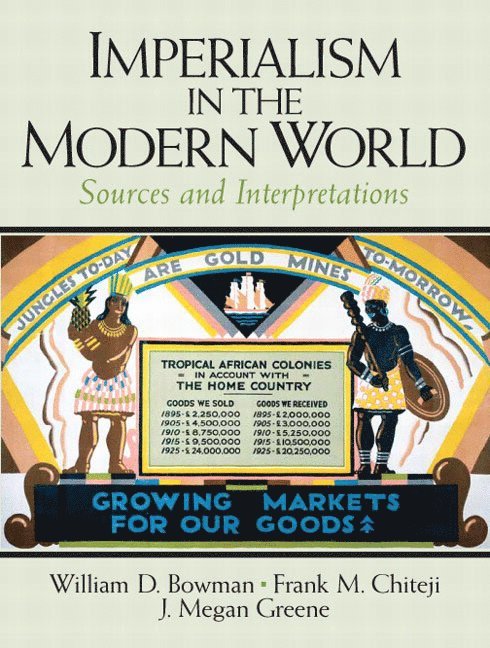
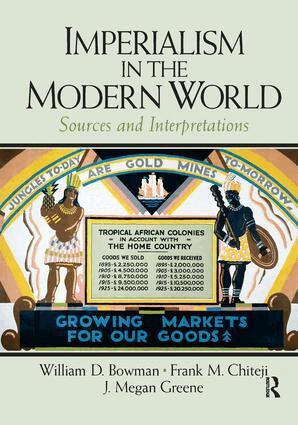
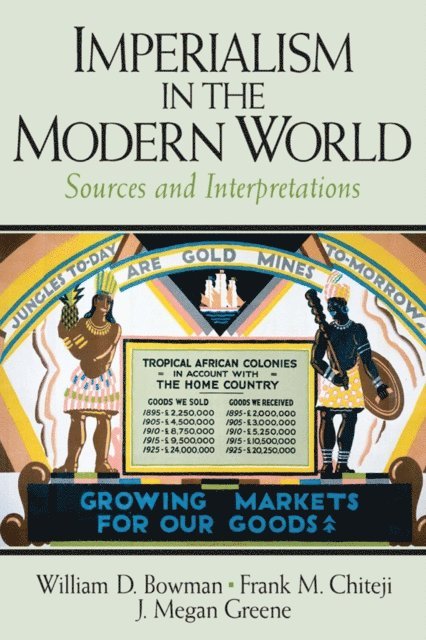
Imperialism in the Modern World
Sources and Interpretations
Av William D. Bowman, Frank M. Chiteji m. fl.
Häftad, 2006
1964 kr
Lägg i varukorg
Imperialism in the Modern World combines narrative, primary and secondary sources, and visual documents to examine global relations in the nineteenth and twentieth centuries. The three co-editors, Professors Bowman, Chiteji, and Greene, have taught for many years global history classes in a variety …
Taiwan in the 21st Century
Aspects and Limitations of a Development Model
Av J. Megan Greene, Robert Ash
Inbunden, 2007
3162 kr
Lägg i varukorg
Throughout the twentieth century Taiwan was viewed as a model - whether in terms of a model colony, a model China or a development model. This perception was based on the notion of Taiwan undergoing an economic miracle and political developments. Yet much of Taiwan’s history is unique and may not …
Taiwan in the 21st Century
Aspects and Limitations of a Development Model
Av J. Megan Greene, Robert Ash
Häftad, 2011
773 kr
Lägg i varukorg
Throughout the twentieth century Taiwan was viewed as a model - whether in terms of a model colony, a model China or a development model. This perception was based on the notion of Taiwan undergoing an economic miracle and political developments. Yet much of Taiwan’s history is unique and may not …
Origins of the Developmental State in Taiwan
Science Policy and the Quest for Modernization
Inbunden, 2008
750 kr
Lägg i varukorg
The rapid growth of Taiwan’s postwar “miracle” economy is most frequently credited to the leading role of the state in promoting economic development. Megan Greene challenges this standard interpretation in the first in-depth examination of the origins of Taiwan’s developmental state.Greene …
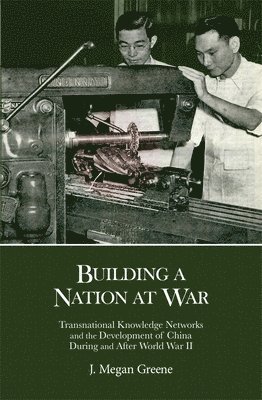
Building a Nation at War
Transnational Knowledge Networks and the Development of China during and after World War II
Inbunden, 2022
533 kr
Lägg i varukorg
Building a Nation at War argues that the Chinese Nationalist government’s retreat inland during the Sino-Japanese War (1937–1945), its consequent need for inland resources, and its participation in new scientific and technical relationships with the United States led to fundamental changes in how …
Taiwan in the 21st Century
Aspects and Limitations of a Development Model
Av Robert Ash, J. Megan Greene
E-bok, 2007
864 kr
Lägg i varukorg
Throughout the twentieth century Taiwan was viewed as a model - whether in terms of a model colony, a model China or a development model. This perception was based on the notion of Taiwan undergoing an economic miracle and political developments. Yet much of Taiwan’s history is unique and may not …
Taiwan in the 21st Century
Aspects and Limitations of a Development Model
Av Robert Ash, J. Megan Greene
E-bok, 2007
883 kr
Lägg i varukorg
Throughout the twentieth century Taiwan was viewed as a model - whether in terms of a model colony, a model China or a development model. This perception was based on the notion of Taiwan undergoing an economic miracle and political developments. Yet much of Taiwan’s history is unique and may not …
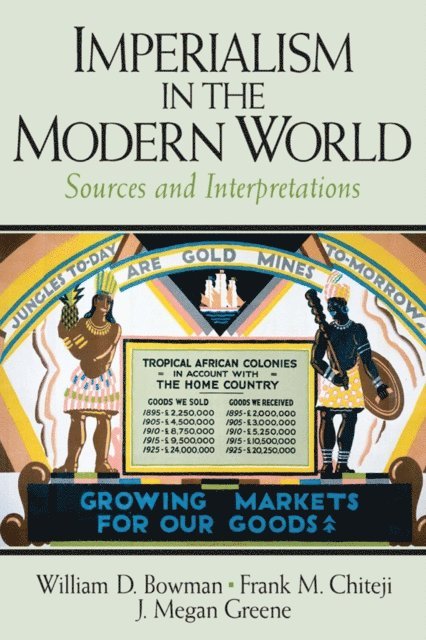
Imperialism in the Modern World
Sources and Interpretations
Av William Bowman, Frank Chiteji m. fl.
Inbunden, 2017
3162 kr
Lägg i varukorg
Imperialism in the Modern World combines narrative, primary and secondary sources, and visual documents to examine global relations in the nineteenth and twentieth centuries. The three co-editors, Professors Bowman, Chiteji, and Greene, have taught for many years global history classes in a variety …
Imperialism in the Modern World
Sources and Interpretations
Av J. Megan Greene, Frank Chiteji m. fl.
E-bok, 2016
2318 kr
Lägg i varukorg
Imperialism in the Modern World combines narrative, primary and secondary sources, and visual documents to examine global relations in the nineteenth and twentieth centuries. The three co-editors, Professors Bowman, Chiteji, and Greene, have taught for many years global history classes in a variety …
Imperialism in the Modern World
Sources and Interpretations
Av J. Megan Greene, Frank Chiteji m. fl.
E-bok, 2016
2318 kr
Lägg i varukorg
Imperialism in the Modern World combines narrative, primary and secondary sources, and visual documents to examine global relations in the nineteenth and twentieth centuries. The three co-editors, Professors Bowman, Chiteji, and Greene, have taught for many years global history classes in a variety …