J. Mo – författare
Visar alla böcker från författaren J. Mo. Handla med fri frakt och snabb leverans.
8 produkter
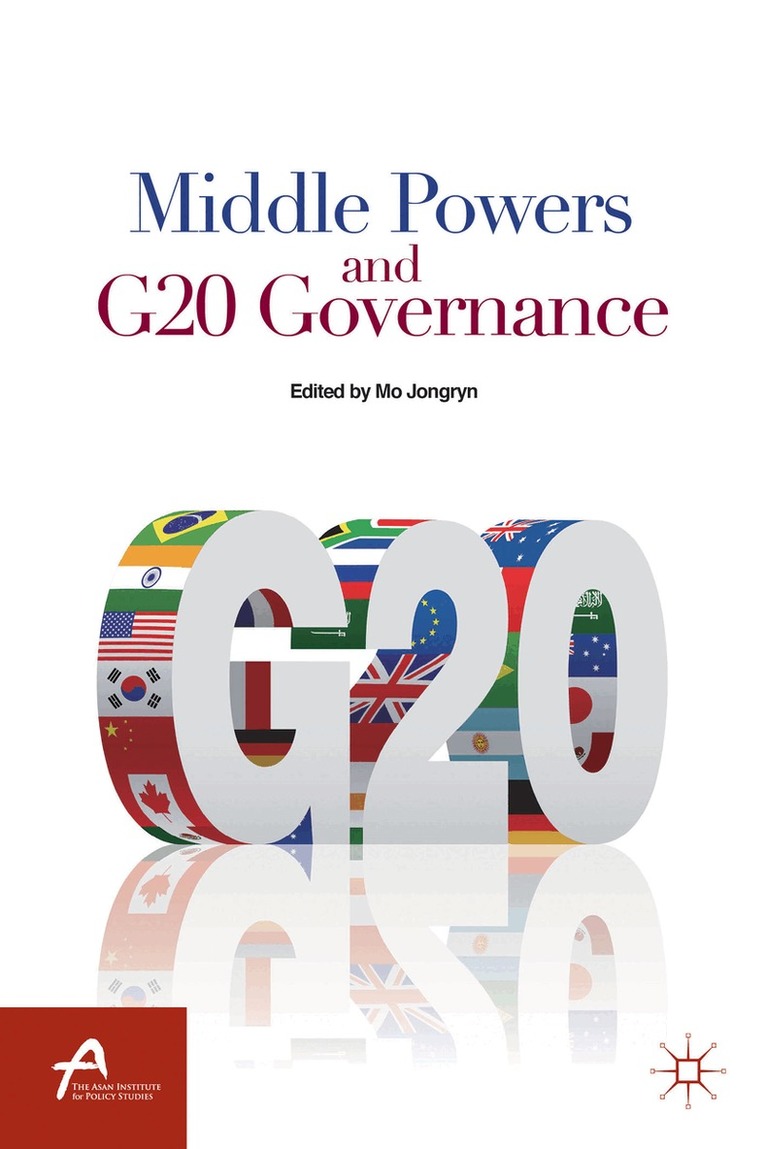
Middle Powers and G20 Governance
Av J. Mo
Inbunden, 2013
551 kr
Lägg i varukorg
This volume reflects the diverse perspectives presented on each of the major governance groups that contribute directly and indirectly to the G20 political process. It examines how these groups interact and what the outcomes have been of such interactions, including a fresh concept for the …
Middle Powers and G20 Governance
Av J. Mo
Häftad, 2013
551 kr
Lägg i varukorg
This volume reflects the diverse perspectives presented on each of the major governance groups that contribute directly and indirectly to the G20 political process. It examines how these groups interact and what the outcomes have been of such interactions, including a fresh concept for the …
Middle Powers and G20 Governance
Av J. Mo
E-bok, 2013
763 kr
Lägg i varukorg
This volume reflects the diverse perspectives presented on each of the major governance groups that contribute directly and indirectly to the G20 political process. It examines how these groups interact and what the outcomes have been of such interactions, including a fresh concept for the …
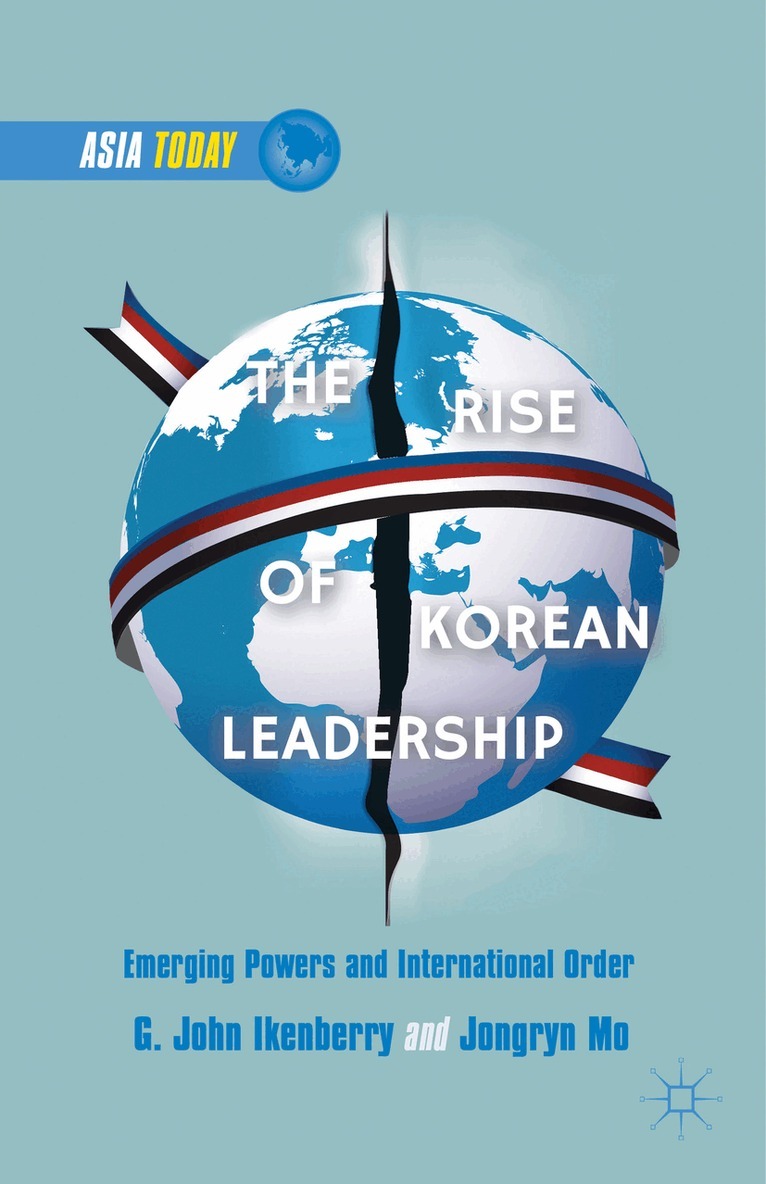
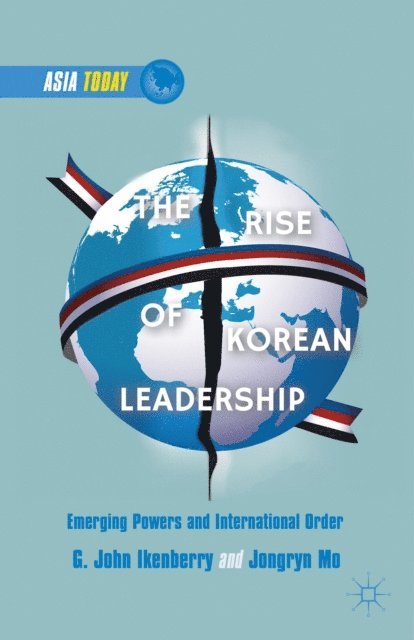
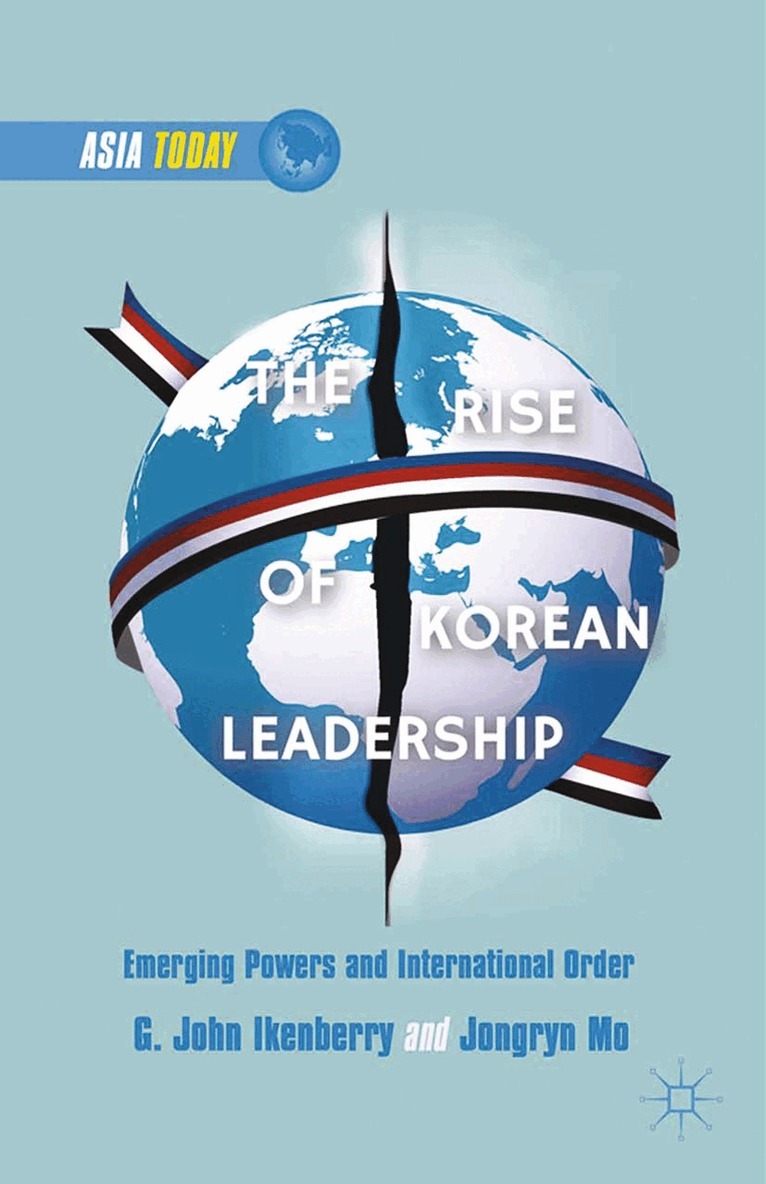
Rise of Korean Leadership
Emerging Powers and Liberal International Order
Av G. Ikenberry, J. Mo m. fl.
Inbunden, 2013
551 kr
Lägg i varukorg
South Korea has emerged as a new middle power playing a significant role in a wide range of important global issue areas and supporting liberal international order with its leadership diplomacy. The growing role played by new powers like Korea calls into question the prevailing view that global …
Rise of Korean Leadership
Emerging Powers and Liberal International Order
Av Mo Jongryn, J. Mo m. fl.
E-bok, 2013
779 kr
Lägg i varukorg
South Korea has emerged as a new middle power playing a significant role in a wide range of important global issue areas and supporting liberal international order with its leadership diplomacy. The growing role played by new powers like Korea calls into question the prevailing view that global …
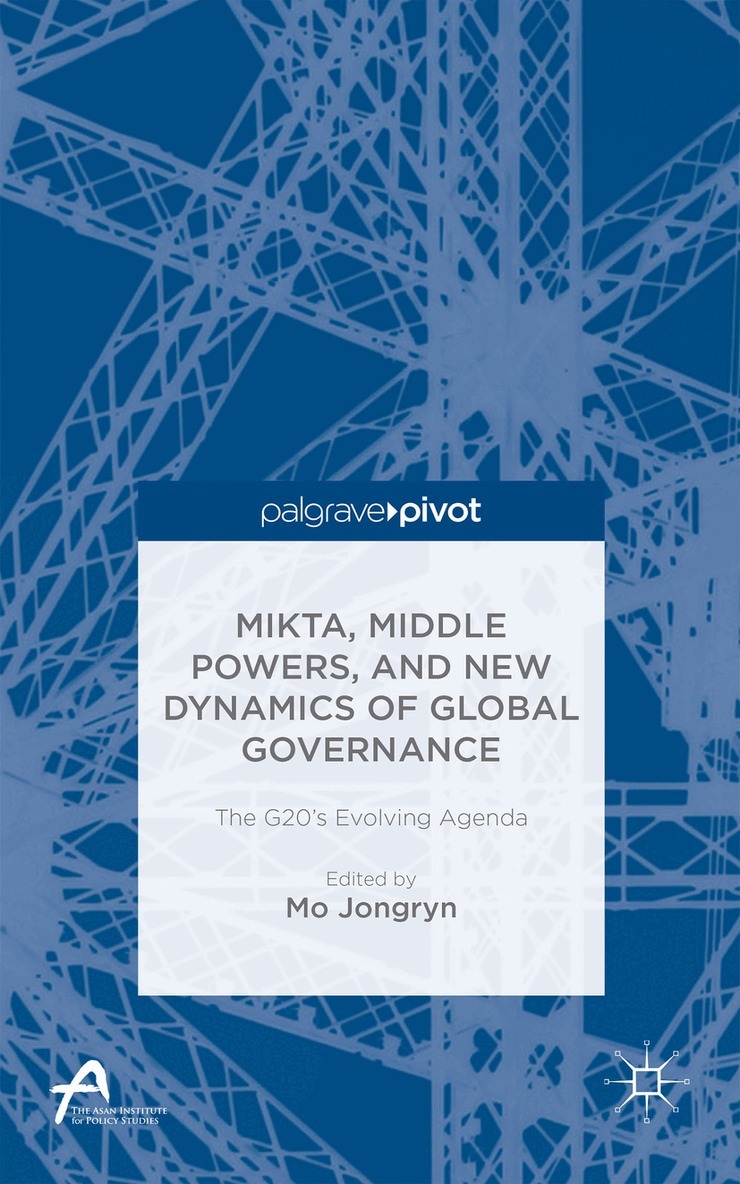
MIKTA, Middle Powers, and New Dynamics of Global Governance
The G20's Evolving Agenda
Av J. Mo
Inbunden, 2014
551 kr
Lägg i varukorg
This volume is the result of a 2013 conference held by the Asan Institute for Policy Studies (South Korea) on the 'middle power' countries of Mexico, Indonesia, the Republic of Korea, Turkey and Australia (MIKTA). Experts and policymakers discussed how members of the MIKTA can work to advance …
MIKTA, Middle Powers, and New Dynamics of Global Governance
The G20''s Evolving Agenda
Av J. Mo
E-bok, 2014
763 kr
Lägg i varukorg
This volume is the result of a 2013 conference held by the Asan Institute for Policy Studies (South Korea) on the ''middle power'' countries of Mexico, Indonesia, the Republic of Korea, Turkey and Australia (MIKTA). Experts and policymakers discussed how members of the MIKTA can work to advance …
Rise of Korean Leadership
Emerging Powers and Liberal International Order
Av G. Ikenberry, J. Mo m. fl.
Häftad, 2015
551 kr
Lägg i varukorg
South Korea has emerged as a new middle power playing a significant role in a wide range of important global issue areas and supporting liberal international order with its leadership diplomacy. The growing role played by new powers like Korea calls into question the prevailing view that global …