J. Nicholas Napoli – författare
Visar alla böcker från författaren J. Nicholas Napoli. Handla med fri frakt och snabb leverans.
4 produkter
4 produkter
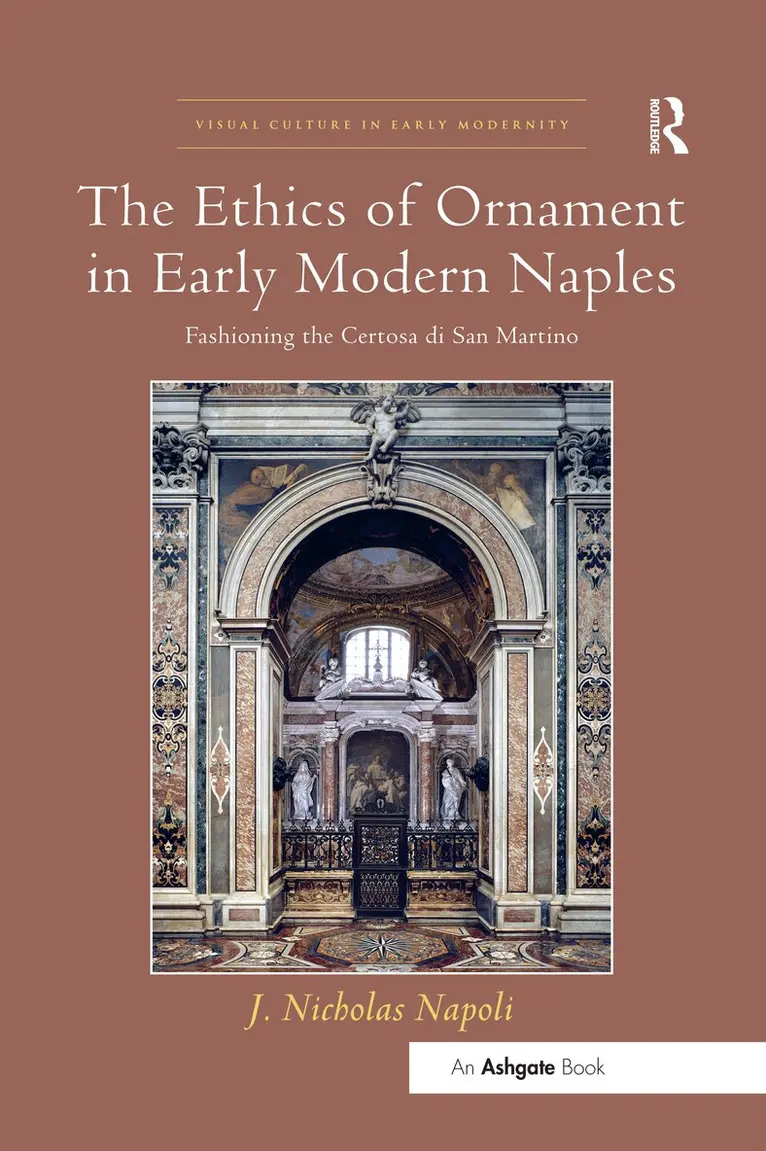
Ethics of Ornament in Early Modern Naples
Fashioning the Certosa di San Martino
Häftad, Engelska, 2019
657 kr
Skickas inom 10-15 vardagar
The Carthusian monks at San Martino began a series of decorative campaigns in the 1580s that continued until 1757, transforming the church of their monastery, the Certosa di San Martino, into a jewel of marble revetment, painting, and sculpture. The aesthetics of the church generate a jarring moral conflict: few religious orders honored the ideals of poverty and simplicity so ardently yet decorated so sumptuously. In this study, Nick Napoli explores the terms of this conflict and of how it sought resolution amidst the social and economic realities and the political and religious culture of early modern Naples. Napoli mines the documentary record of the decorative campaigns at San Martino, revealing the rich testimony it provides relating to both the monks’ and the artists’ expectations of how practice and payment should transpire. From these documents, the author delivers insight into the ethical and economic foundations of artistic practice in early modern Naples. The first English-language study of a key monument in Naples and the first to situate the complex within the cultural history of the city, The Ethics of Ornament in Early Modern Naples sheds new light on the Neapolitan baroque, industries of art in the age before capitalism, and the relation of art, architecture, and ornament.
657 kr
Skickas inom 10-15 vardagar
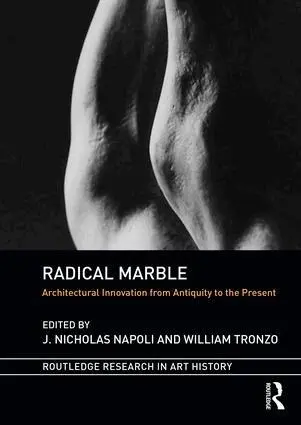
Marble is one of the great veins through the architectural tradition and fundamental building block of the Mediterranean world, from the Parthenon of mid-fifth century Athens, which was constructed of pentelic marble, to Justinian’s Hagia Sophia in Constantinople and the Renaissance and Baroque basilica of St. Peter’s in the Vatican. Scholarship has done much in recent years to reveal the ways and means of marble. The use of colored marbles in Roman imperial architecture has recently been the subject of a major exhibition and the medieval traditions of marble working have been studied in the context of family genealogies and social networks. In addition, architectural historians have revealed the meanings evoked by marble revetted and paved surfaces, from Heavenly Jerusalem to frozen water. The present volume builds upon the body of recent and emerging research - from antiquity to the present day - to embrace a global focus and address the more unusual (or at least unexpected) uses, meanings, and aesthetic appeal of marble. It presents instances where the use of marble has revolutionized architectural practice, suggested new meaning for the built environment, or defined a new aesthetic - moments where this well-known material has been put to radical use.
Ethics of Ornament in Early Modern Naples
Fashioning the Certosa di San Martino
Inbunden, Engelska, 2015
2 188 kr
Skickas inom 5-8 vardagar
The Carthusian monks at San Martino began a series of decorative campaigns in the 1580s that continued until 1757, transforming the church of their monastery, the Certosa di San Martino, into a jewel of marble revetment, painting, and sculpture. The aesthetics of the church generate a jarring moral conflict: few religious orders honored the ideals of poverty and simplicity so ardently yet decorated so sumptuously. In this study, Nick Napoli explores the terms of this conflict and of how it sought resolution amidst the social and economic realities and the political and religious culture of early modern Naples. Napoli mines the documentary record of the decorative campaigns at San Martino, revealing the rich testimony it provides relating to both the monks’ and the artists’ expectations of how practice and payment should transpire. From these documents, the author delivers insight into the ethical and economic foundations of artistic practice in early modern Naples. The first English-language study of a key monument in Naples and the first to situate the complex within the cultural history of the city, The Ethics of Ornament in Early Modern Naples sheds new light on the Neapolitan baroque, industries of art in the age before capitalism, and the relation of art, architecture, and ornament.
2 198 kr
Skickas inom 10-15 vardagar
Marble is one of the great veins through the architectural tradition and fundamental building block of the Mediterranean world, from the Parthenon of mid-fifth century Athens, which was constructed of pentelic marble, to Justinian’s Hagia Sophia in Constantinople and the Renaissance and Baroque basilica of St. Peter’s in the Vatican. Scholarship has done much in recent years to reveal the ways and means of marble. The use of colored marbles in Roman imperial architecture has recently been the subject of a major exhibition and the medieval traditions of marble working have been studied in the context of family genealogies and social networks. In addition, architectural historians have revealed the meanings evoked by marble revetted and paved surfaces, from Heavenly Jerusalem to frozen water. The present volume builds upon the body of recent and emerging research - from antiquity to the present day - to embrace a global focus and address the more unusual (or at least unexpected) uses, meanings, and aesthetic appeal of marble. It presents instances where the use of marble has revolutionized architectural practice, suggested new meaning for the built environment, or defined a new aesthetic - moments where this well-known material has been put to radical use.