J.-P. Descy – författare
Visar alla böcker från författaren J.-P. Descy. Handla med fri frakt och snabb leverans.
6 produkter
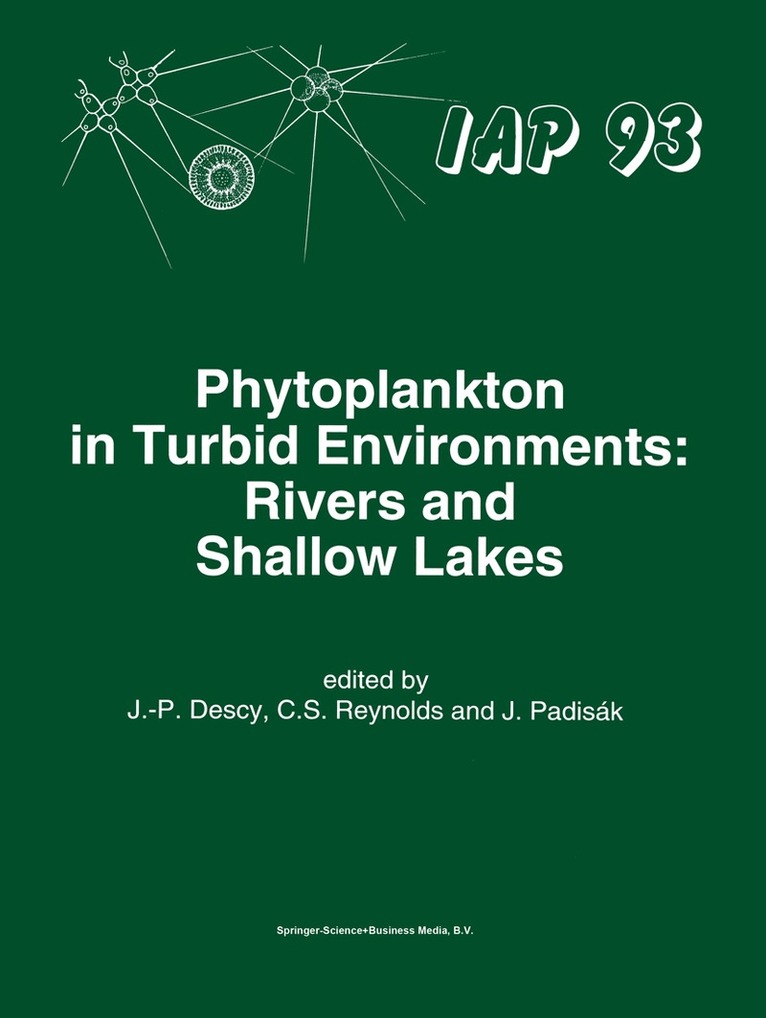
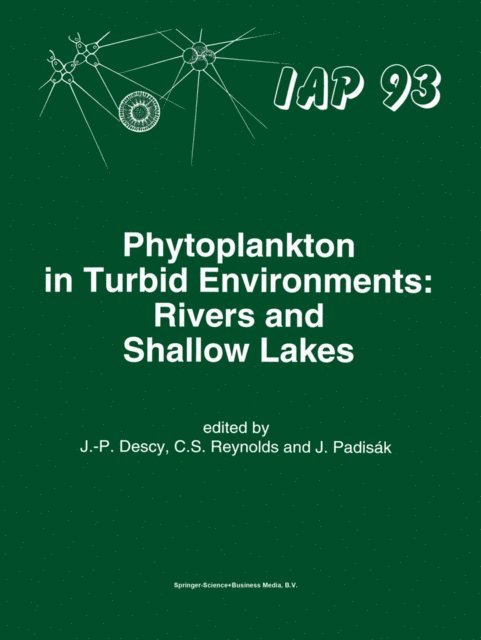
Phytoplankton in Turbid Environments: Rivers and Shallow Lakes
Av J.-P. Descy, Colin S. Reynolds m. fl.
Inbunden, 1994
1643 kr
Lägg i varukorg
The ecology of potamoplankton has received less attention than lake plankton. These proceedings produce a synthesis of the composition, community structure and dynamics of lotic phytoplankton, which are intuitively submitted to a strong physical control in the flowing environment, perceived as much …
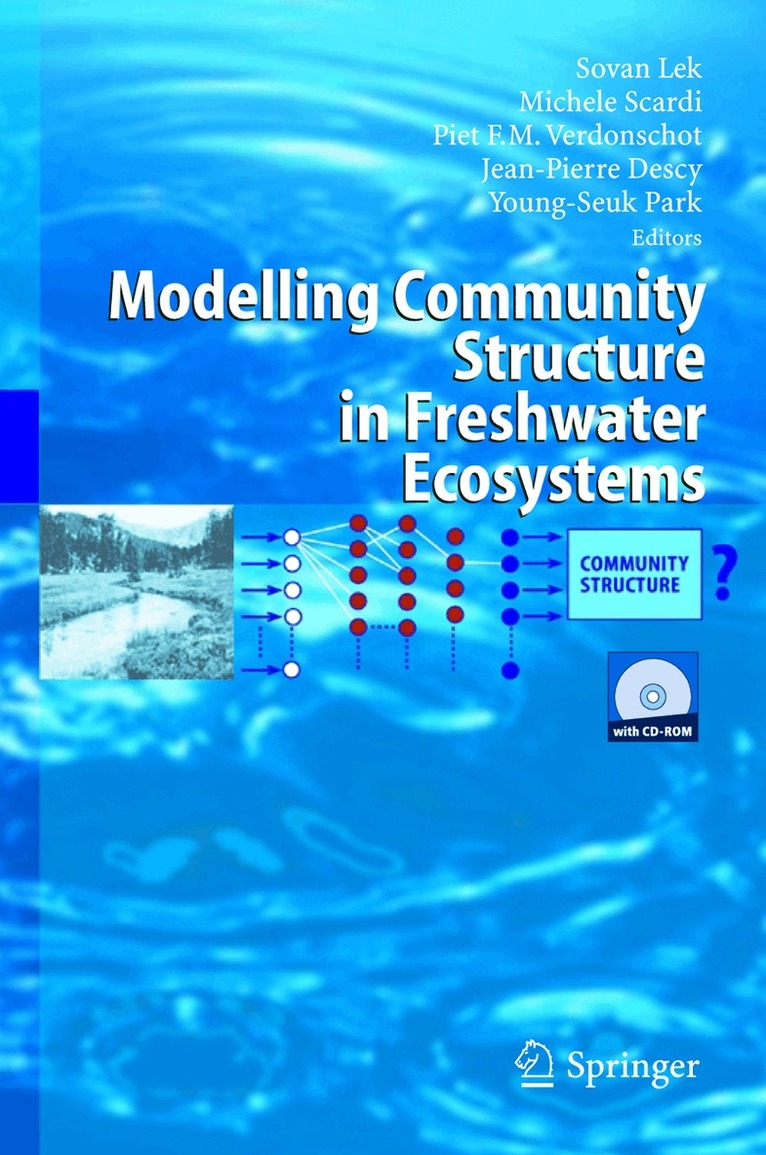
Modelling Community Structure in Freshwater Ecosystems
Av Sovan Lek, Michele Scardi m. fl.
Inbunden, 2005
2183 kr
Lägg i varukorg
The book presents approaches and methodologies for predicting the structure and diversity of key aquatic communities (namely diatoms, benthic macroinvertebrates and fish), under natural conditions and under man-made disturbance. Such an approach will make it possible to: 1) set up procedures for …
Modelling Community Structure in Freshwater Ecosystems
Av Young-Seuk Park, J.-P. Descy m. fl.
E-bok, 2005
2925 kr
Lägg i varukorg
The landmass on which we live is an integral part of our water catchment. Any human - tivity will inevitably have some consequences on the availability and composition of fresh waters. These consequences are becoming increasingly important and detectable as the - man population grows. The problem …
Modelling Community Structure in Freshwater Ecosystems
Av Sovan Lek, Michele Scardi m. fl.
Häftad, 2014
2183 kr
Lägg i varukorg
The landmass on which we live is an integral part of our water catchment. Any human - tivity will inevitably have some consequences on the availability and composition of fresh waters. These consequences are becoming increasingly important and detectable as the - man population grows. The problem …
Phytoplankton in Turbid Environments: Rivers and Shallow Lakes
Av J.-P. Descy, Colin S. Reynolds m. fl.
Häftad, 2011
1643 kr
Lägg i varukorg
The ecology of potamoplankton has received less attention than lake plankton. These proceedings produce a synthesis of the composition, community structure and dynamics of lotic phytoplankton, which are intuitively submitted to a strong physical control in the flowing environment, perceived as much …
Phytoplankton in Turbid Environments: Rivers and Shallow Lakes
Av Judit Padisak, Colin S. Reynolds m. fl.
E-bok, 2013
2111 kr
Lägg i varukorg
The ecology of potamoplankton has received less attention than lake plankton. These proceedings produce a synthesis of the composition, community structure and dynamics of lotic phytoplankton, which are intuitively submitted to a strong physical control in the flowing environment, perceived as much …