J. Roth – författare
Visar alla böcker från författaren J. Roth. Handla med fri frakt och snabb leverans.
26 produkter
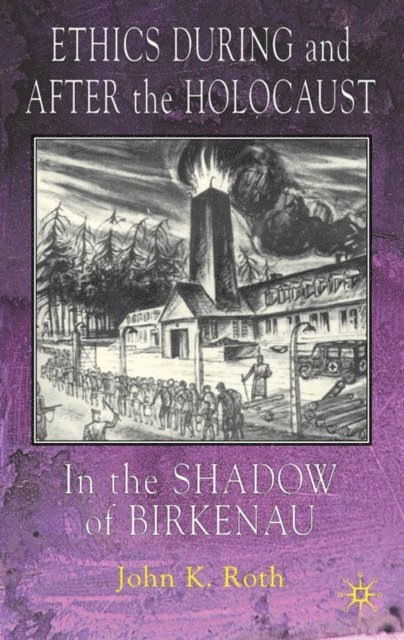
Ethics During and After the Holocaust
In the Shadow of Birkenau
Av J. Roth
E-bok, 2005
763 kr
Lägg i varukorg
Questions shape the Holocaust''s legacy. ''What happened to ethics during the Holocaust? What should ethics be, and what can it do after the Holocaust?'' loom large among them. Absent the overriding or moral sensibilities, if not the collapse or collaboration of ethical traditions, the Holocaust …
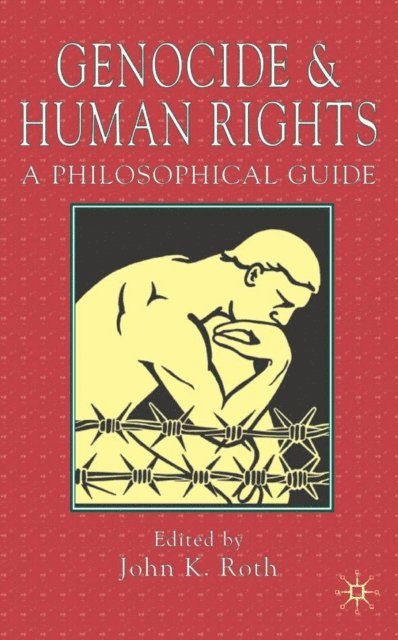
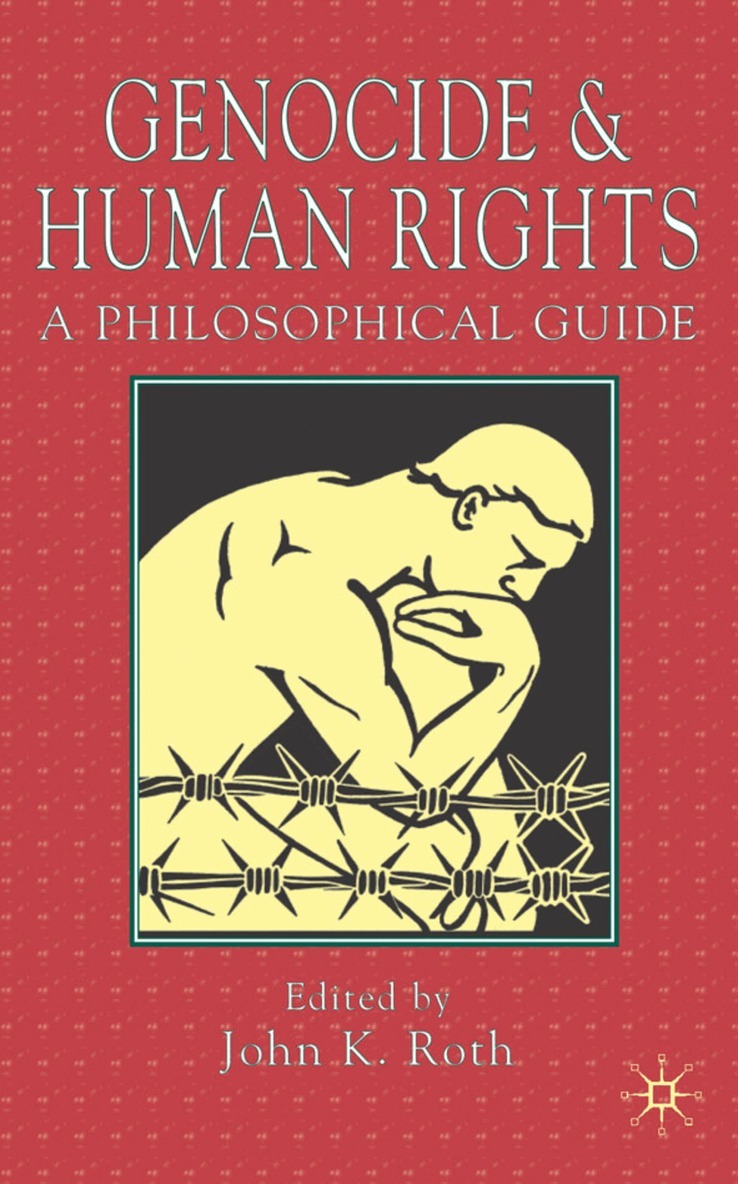
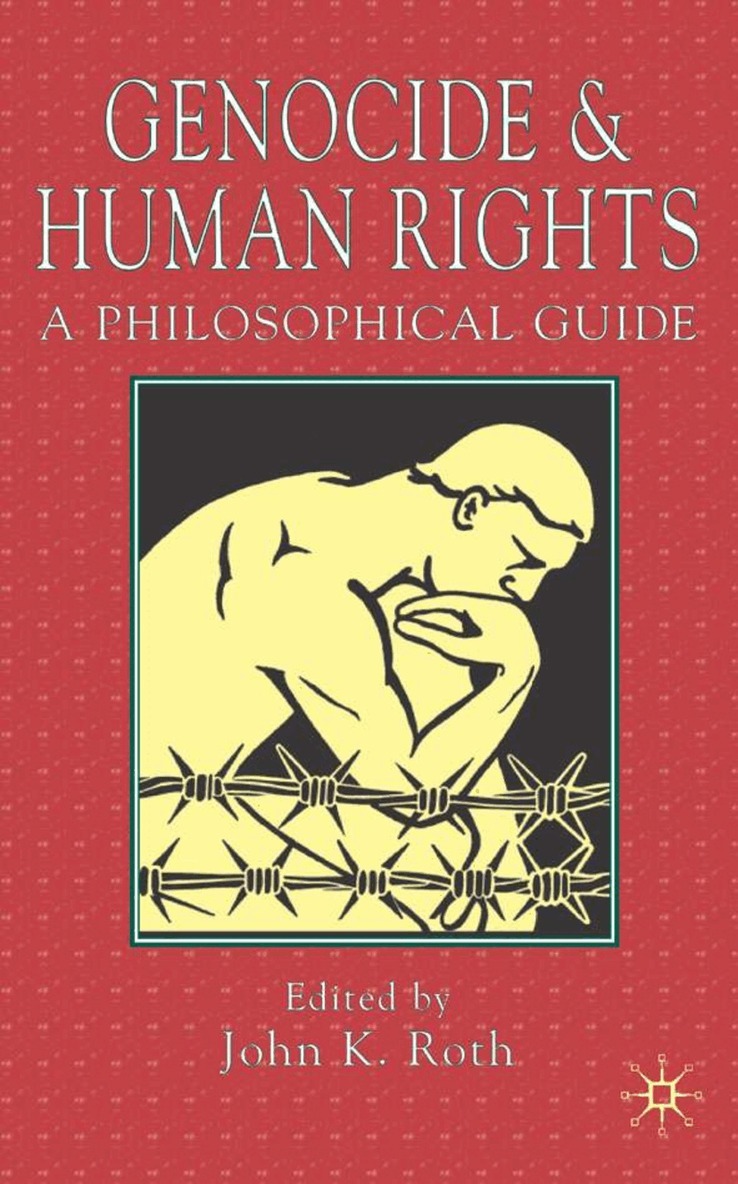
Genocide and Human Rights
A Philosophical Guide
Av J. Roth
E-bok, 2005
1723 kr
Lägg i varukorg
Genocide is evil or nothing could be. It raises a host of questions about humanity, rights, justice, and reality, which are key areas of concern for philosophy. Strangely, however, philosophers have tended to ignore genocide. Even more problematic, philosophy and philosophers bear more …
Double Binds of Ethics after the Holocaust
Salvaging the Fragments
Inbunden, 2009
634 kr
Lägg i varukorg
The Double Binds of Ethics after the Holocaust advances the idea that the Holocaust undermined confidence in basic beliefs about human rights and shows steps of salvage and retrieval that need to be taken if ethics is to be a significant presence in a world still besieged by genocide and atrocity.
Double Binds of Ethics after the Holocaust
Salvaging the Fragments
E-bok, 2009
896 kr
Lägg i varukorg
The Double Binds of Ethics after the Holocaust advances the idea that the Holocaust undermined confidence in basic beliefs about human rights and shows steps of salvage and retrieval that need to be taken if ethics is to be a significant presence in a world still besieged by genocide and atrocity.
Teaching About Rape in War and Genocide
Av J. Roth, C. Rittner
Inbunden, 2015
536 kr
Lägg i varukorg
This edited volume is both a guide for educators and a resource for everyone who wants to strengthen resistance against a major atrocity that besieges human development. Its contributors explore a crucial question: how to teach about rape in war and genocide?
Teaching About Rape in War and Genocide
Av C. Rittner, J. Roth
E-bok, 2015
741 kr
Lägg i varukorg
This edited volume is both a guide for educators and a resource for everyone who wants to strengthen resistance against a major atrocity that besieges human development. Its contributors explore a crucial question: how to teach about rape in war and genocide?
Double Binds of Ethics after the Holocaust
Salvaging the Fragments
Häftad, 2009
634 kr
Lägg i varukorg
The Double Binds of Ethics after the Holocaust advances the idea that the Holocaust undermined confidence in basic beliefs about human rights and shows steps of salvage and retrieval that need to be taken if ethics is to be a significant presence in a world still besieged by genocide and atrocity.
Remembering for the Future
3 Volume Set: The Holocaust in an Age of Genocide
Av E. Maxwell, J. Roth
E-bok, 2017
7866 kr
Lägg i varukorg
Focused on ''The Holocaust in an Age of Genocide'', Remembering for the Future brings together the work of nearly 200 scholars from more than 30 countries and features cutting-edge scholarship across a range of disciplines, amounting to the most extensive and powerful reassessment of the Holocaust …
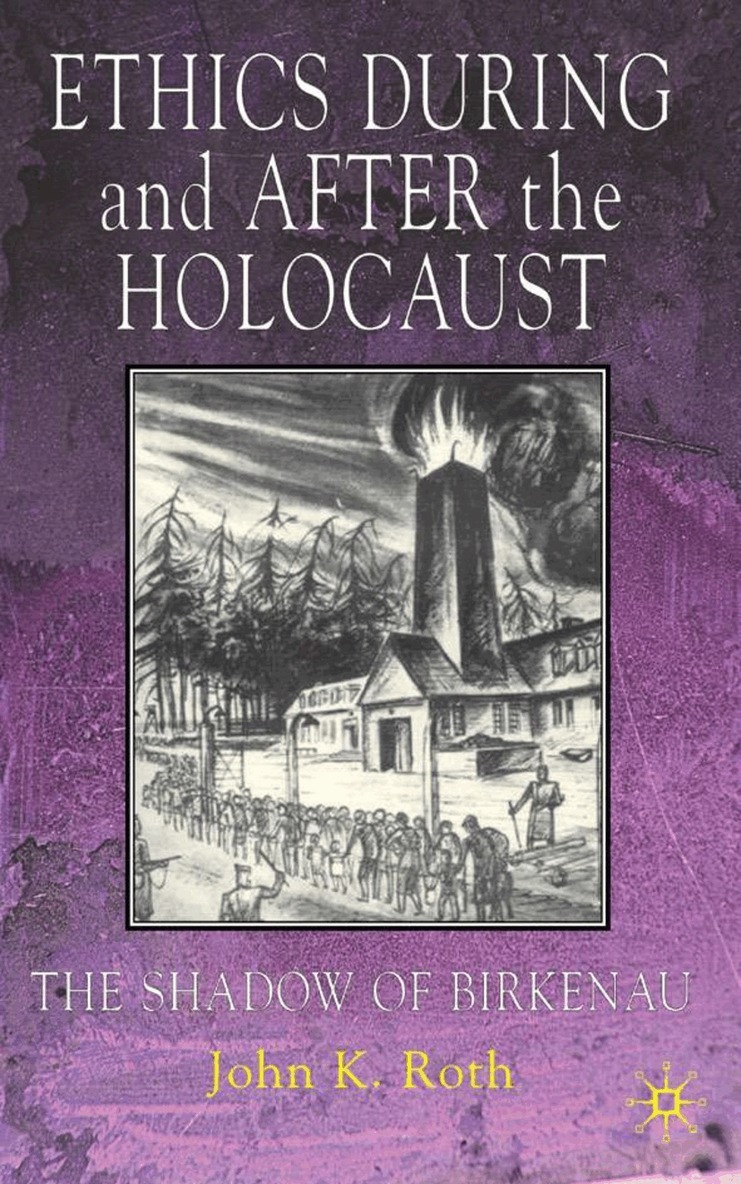
Ethics During and After the Holocaust
In the Shadow of Birkenau
Av J. Roth
Inbunden, 2005
568 kr
Lägg i varukorg
Questions shape the Holocaust's legacy. 'What happened to ethics during the Holocaust? What should ethics be, and what can it do after the Holocaust?' loom large among them. Absent the overriding or moral sensibilities, if not the collapse or collaboration of ethical traditions, the Holocaust could …
Ethics During and After the Holocaust
In the Shadow of Birkenau
Av J. Roth
Häftad, 2005
551 kr
Lägg i varukorg
Questions shape the Holocaust's legacy. 'What happened to ethics during the Holocaust? What should ethics be, and what can it do after the Holocaust?' loom large among them. Absent the overriding or moral sensibilities, if not the collapse or collaboration of ethical traditions, the Holocaust could …
Genocide and Human Rights
A Philosophical Guide
Av J. Roth, John K. Roth
Inbunden, 2005
1095 kr
Lägg i varukorg
Genocide is evil or nothing could be. It raises a host of questions about humanity, rights, justice, and reality, which are key areas of concern for philosophy. Strangely, however, philosophers have tended to ignore genocide. Even more problematic, philosophy and philosophers bear more …
Genocide and Human Rights
A Philosophical Guide
Av J. Roth, John K. Roth
Häftad, 2005
1204 kr
Lägg i varukorg
Genocide is evil or nothing could be. It raises a host of questions about humanity, rights, justice, and reality, which are key areas of concern for philosophy. Strangely, however, philosophers have tended to ignore genocide. Even more problematic, philosophy and philosophers bear more …
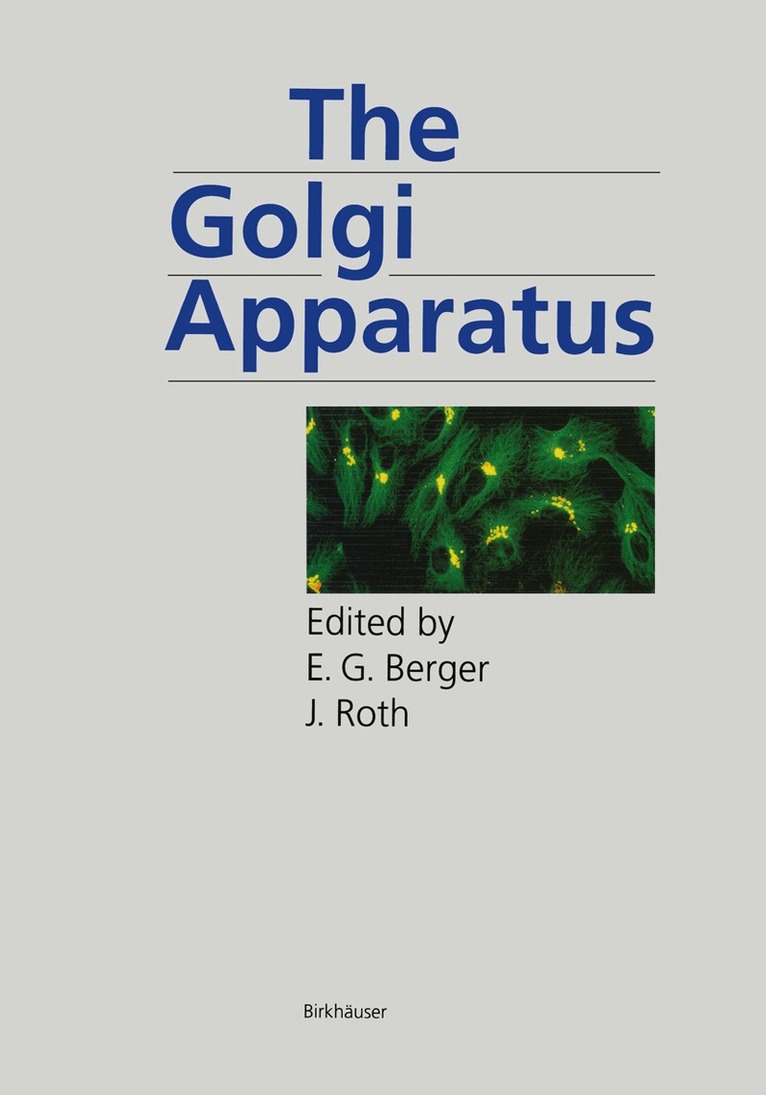
Golgi Apparatus
Av J. Roth, Eric Berger
E-bok, 2012
755 kr
Lägg i varukorg
In 1898 Camillo Golgi reported his newly observed intracellular structure, the apparato reticolare interno, now universally known as the Golgi Apparatus. The method he used was an ingenious histological technique (La reazione nera) which brought him fame for the discovery of neuronal networks and …
Golgi Apparatus
Av Eric Berger, J. Roth
Häftad, 2012
568 kr
Lägg i varukorg
In 1898 Camillo Golgi reported his newly observed intracellular structure, the apparato reticolare interno, now universally known as the Golgi Apparatus. The method he used was an ingenious histological technique (La reazione nera) which brought him fame for the discovery of neuronal networks and …
Leopold Von Buch's Gesammelte Schriften. Band 3
Av Leopold Julius Wilhelm Buch Ewald, J Ewald m. fl.
Inbunden, 1877
3204 kr
Lägg i varukorg