J. Simon – författare
Visar alla böcker från författaren J. Simon. Handla med fri frakt och snabb leverans.
12 produkter
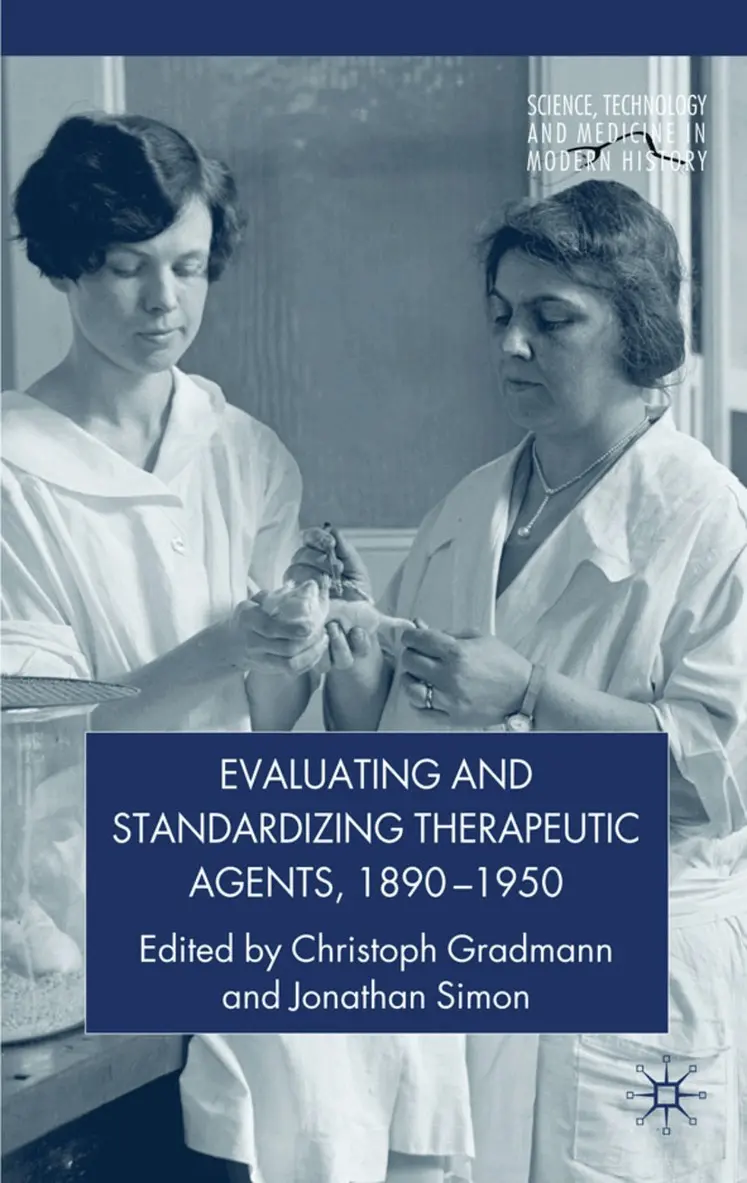
Evaluating and Standardizing Therapeutic Agents, 1890-1950
Av C. Gradmann, J. Simon
Inbunden, 2010
566 kr
Lägg i varukorg
Following the testing of therapeutic sera, the quantified evaluation of a pharmaceutical's efficacy became a key feature of medicine in the twentieth century. The case studies in this volume offer comparisons across Europe, from the diphtheria antitoxin in the late 1800s to the introduction of the …
Evaluating and Standardizing Therapeutic Agents, 1890-1950
Av J. Simon, C. Gradmann
E-bok, 2010
803 kr
Lägg i varukorg
Following the testing of therapeutic sera, the quantified evaluation of a pharmaceutical''s efficacy became a key feature of medicine in the twentieth century. The case studies in this volume offer comparisons across Europe, from the diphtheria antitoxin in the late 1800s to the introduction of the …
Fraude sur l'essence de badiane et les moyens de la combattre
Av J Simon
Häftad, 2018
162 kr
Lägg i varukorg
Considérations Médico-Physiologiques Sur La Nature Et Le Traitement de la Rage
Av J Simon
Häftad, 2018
173 kr
Lägg i varukorg
Considérations Médico-Physiologiques Sur La Nature Et Le Traitement de la Rage
Av J Simon
Häftad, 2018
192 kr
Lägg i varukorg
Reflexions sur la recrimination en pretendu complot imputé au Pere Estienne Thomas Cadiere
prêtre, religieux de l'ordre de Saint Dominique
Häftad, 2021
184 kr
Lägg i varukorg
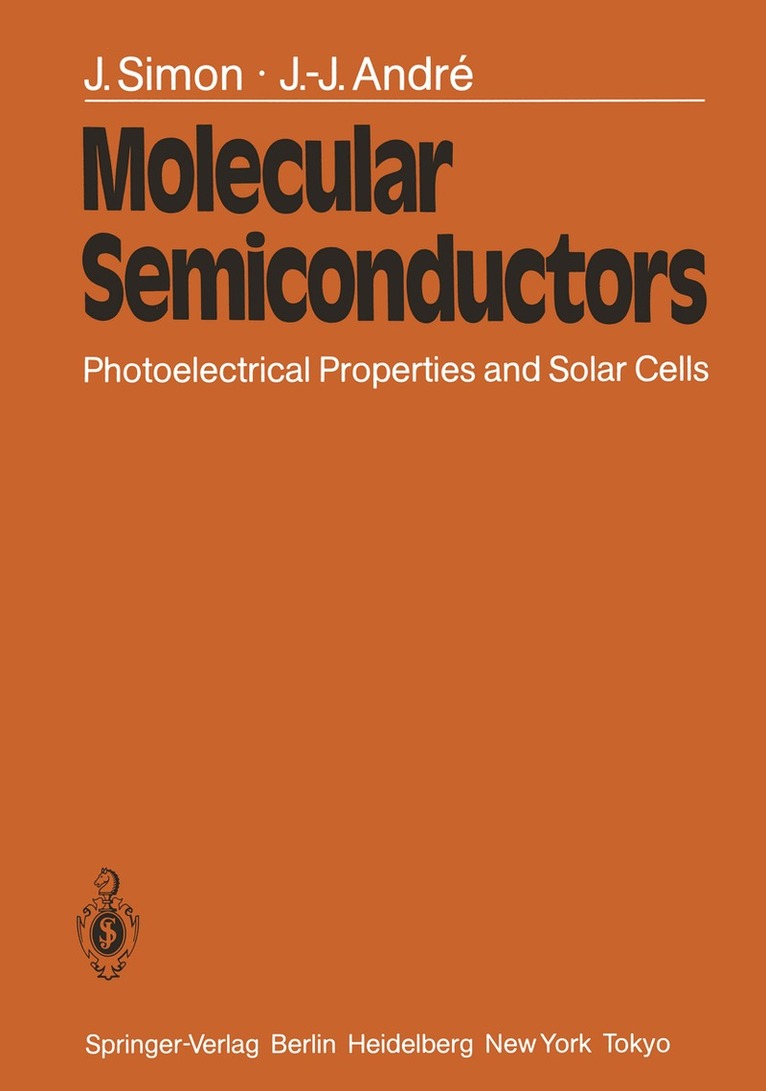
Molecular Semiconductors
Photoelectrical Properties and Solar Cells
Av J.-J. Andre, J. Simon m. fl.
E-bok, 2012
734 kr
Lägg i varukorg
During the past thirty years considerable efforts have been made to design the synthesis and the study of molecular semiconductors. Molecular semiconductors - and more generally molecular materials - involve interactions between individual subunits which can be separately synthesized. Organic and …
Molecular Semiconductors
Photoelectrical Properties and Solar Cells
Av J. Simon, J.-J. Andre m. fl.
Häftad, 2011
550 kr
Lägg i varukorg
During the past thirty years considerable efforts have been made to design the synthesis and the study of molecular semiconductors. Molecular semiconductors - and more generally molecular materials - involve interactions between individual subunits which can be separately synthesized. Organic and …