J. Steven Landefeld – författare
Visar alla böcker från författaren J. Steven Landefeld. Handla med fri frakt och snabb leverans.
2 produkter
2 produkter
E-bok
Engelska, 20142 559 kr
Läs direkt efter köp
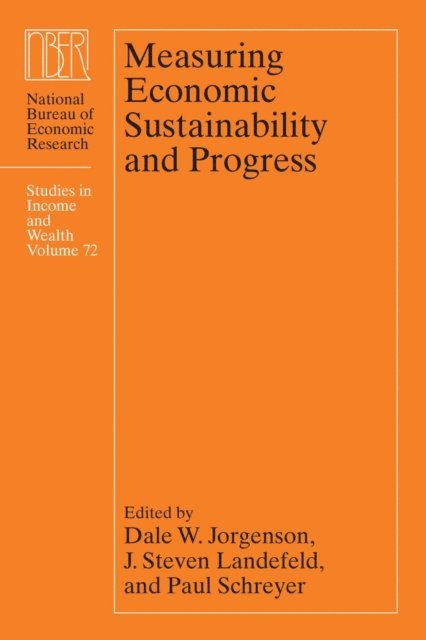
Since the Great Depression, researchers and statisticians have recognized the need for more extensive methods for measuring economic growth and sustainability. The recent recession renewed commitments to closing long-standing gaps in economic measurement, including those related to sustainability and well-being. The latest in the NBER’s influential Studies in Income and Wealth series, which has played a key role in the development of national account statistics in the United States and other nations, this volume explores collaborative solutions between academics, policy researchers, and official statisticians to some of today’s most important economic measurement challenges. Contributors to this volume extend past research on the integration and extension of national accounts to establish an even more comprehensive understanding of the distribution of economic growth and its impact on well-being, including health, human capital, and the environment. The research contributions assess, among other topics, specific conceptual and empirical proposals for extending national accounts.
E-bok
PDF, Engelska, 20072 023 kr
Läs direkt efter köp
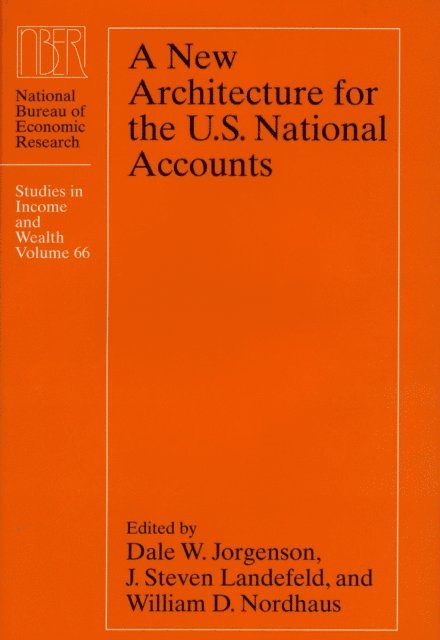
A New Architecture for the U.S. National Accounts brings together a distinguished group of contributors to initiate the development of a comprehensive and fully integrated set of United States national accounts. The purpose of the new architecture is not only to integrate the existing systems of accounts, but also to identify gaps and inconsistencies and expand and incorporate systems of nonmarket accounts with the core system. Since the United States economy accounts for almost thirty percent of the world economy, it is not surprising that accounting for this huge and diverse set of economic activities requires a decentralized statistical system. This volume outlines the major assignments among institutions that include the Bureau of Economic Analysis, the Bureau of Labor Statistics, the Department of Labor, the Census Bureau, and the Governors of the Federal Reserve System. An important part of the motivation for the new architecture is to integrate the different components and make them consistent. This volume is the first step toward achieving that goal.