J. Sutherland – författare
Visar alla böcker från författaren J. Sutherland. Handla med fri frakt och snabb leverans.
6 produkter
6 produkter
E-bok
PDF, Engelska, 19981 377 kr
Läs direkt efter köp
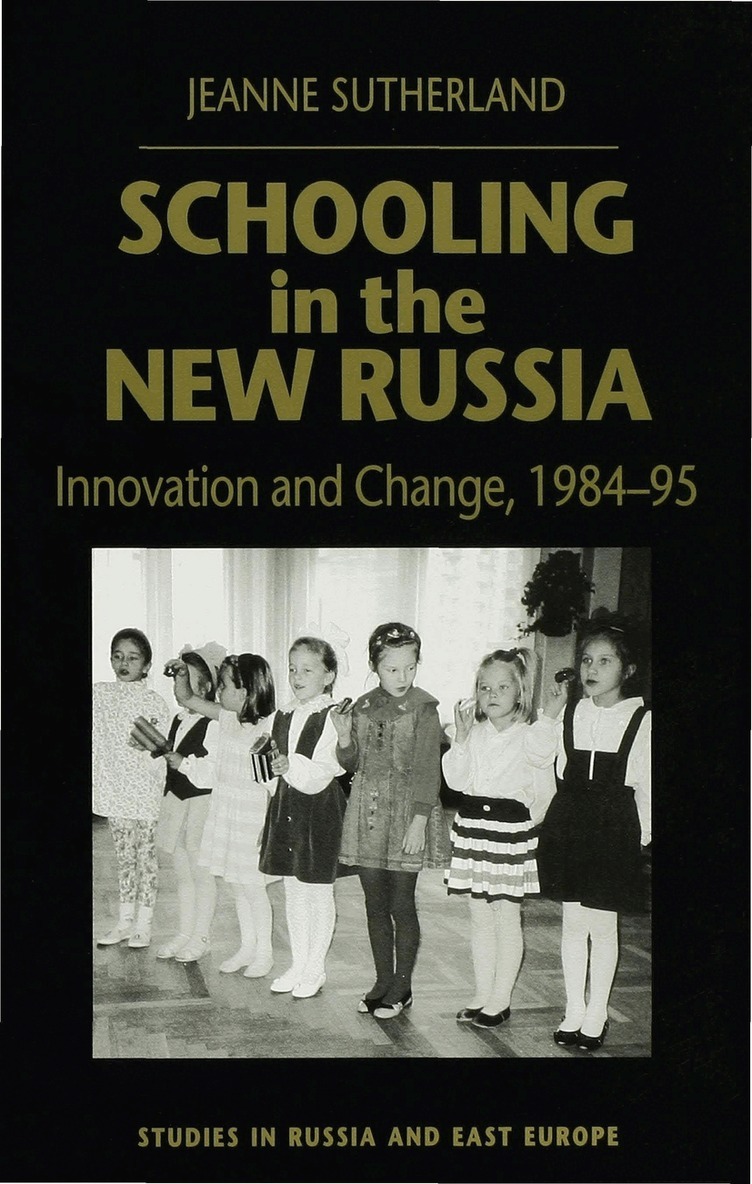
The book traces the origins of change in general education in the last years of the Soviet Union and afterwards in the Russian Federation. It describes what happened during perestroika and glasnost and the struggles for liberalization which were finally given official recognition in 1998. After the anti-Gorbachev coup in 1991, with the disintegration of Soviet and Communist power, decentralization and regionalization developed, together with the emergence of alternative schools and finally a small private sector. The book also describes the many problems faced by schools and teachers with the near collapse of the Russian economy.
E-bok
PDF, Engelska, 2005819 kr
Läs direkt efter köp
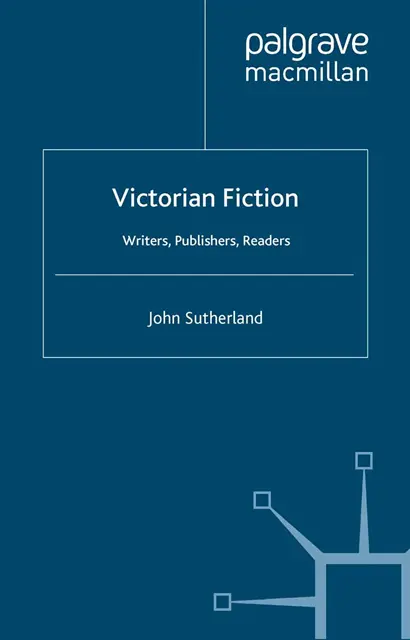
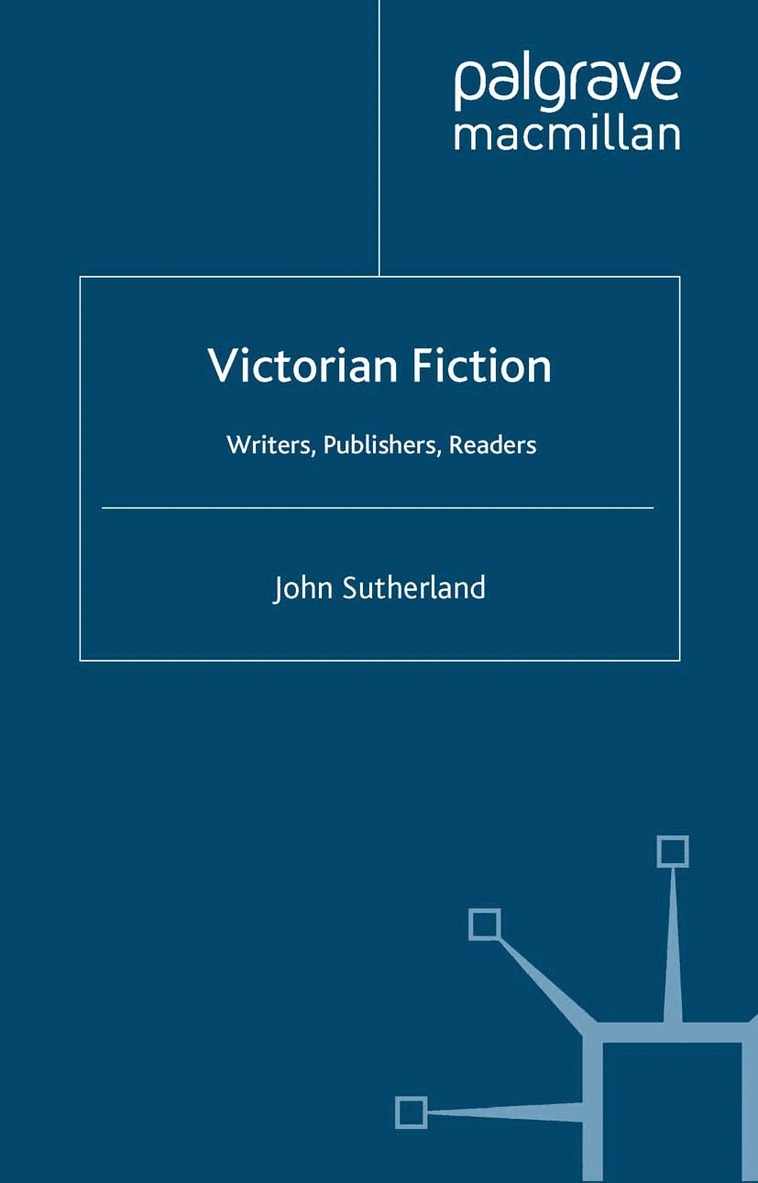
Drawing on extensive research, John Sutherland builds up a fascinating picture of the cultural, social and commercial factors influencing the content and production of Victorian fiction, discussing major writers such as Collins, Dickens, Eliot, Thackeray and Trollope alongside writers also very popular with the reading public - Reade, Lytton and Mrs Humphry Ward - but whose fame has not endured. Richly informative on the Victorian literary and cultural scene, this new reissue of John Sutherland''s important 1995 study is essential reading for all those interested in the evolution of the Victorian novel, and includes a new Preface situating the book in current research being carried out on the history of the book and print culture.
Inbunden, Engelska, 1998
1 054 kr
Skickas inom 10-15 vardagar
The book traces the origins of change in general education in the last years of the Soviet Union and afterwards in the Russian Federation. It describes what happened during perestroika and glasnost and the struggles for liberalization which were finally given official recognition in 1998. After the anti-Gorbachev coup in 1991, with the disintegration of Soviet and Communist power, decentralization and regionalization developed, together with the emergence of alternative schools and finally a small private sector. The book also describes the many problems faced by schools and teachers with the near collapse of the Russian economy.
Häftad, Engelska, 2005
627 kr
Skickas inom 10-15 vardagar
Drawing on extensive research, John Sutherland builds up a fascinating picture of the cultural, social and commercial factors influencing the content and production of Victorian fiction, discussing major writers such as Collins, Dickens, Eliot, Thackeray and Trollope alongside writers also very popular with the reading public - Reade, Lytton and Mrs Humphry Ward - but whose fame has not endured. Richly informative on the Victorian literary and cultural scene, this new reissue of John Sutherland's important 1995 study is essential reading for all those interested in the evolution of the Victorian novel, and includes a new Preface situating the book in current research being carried out on the history of the book and print culture.
E-bok
PDF, Engelska, 20121 459 kr
Läs direkt efter köp
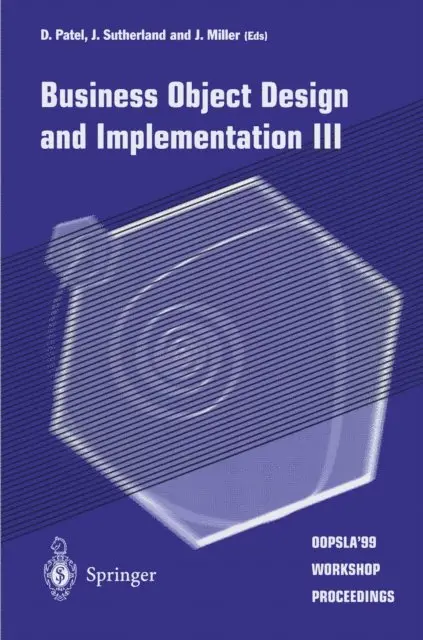
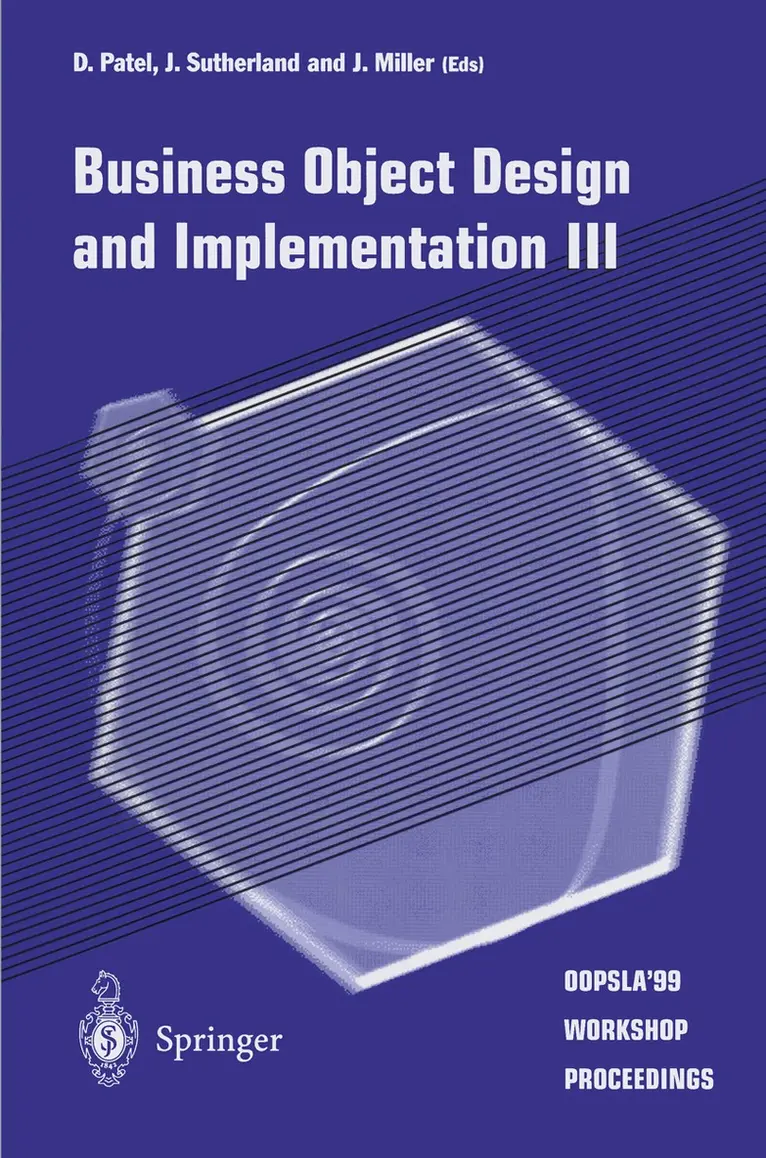
The NCITS Accredited Standards Committee H7 Object Information Management, now part of NCITS T3 Open Distributed Processing, and the Object Management Group BUsiness Object Domain Task Force (BODTF) jointly sponsored the Fifth Annual OOPSLA Workshop on Business Object Component Design and Implementation. The focus of the workshop was on design and implementation of business object component frameworks and architectures. Key aspects discussed included: • What is a comprehensive definition of a business object component''? • Are the four layers (user, workspace, enterprise, resource) presented at the OOPSLA''98 workshop the right way to layer a..bysiness object component. system? • How is a business object component implemented across these layers? What are the associated artefacts? Are there different object models representing the same business object component in different layers? • What are the dependencies between business object components? How can they be plug and play given these dependencies? How can they be flexible and adaptive? How do they participate in workflow systems? • How will the em~rgence of a web-based distributed object-computing infrastructure based on XML, influence business object component architectures? In particular, is the W3C WebBroker proposal appropriate for distributed business object component computing? The aim of the workshop was to: • Enhance the pattern literature on the specification, design, and implementation of interoperable, plug and play, distributed business object components.
Häftad, Engelska, 1999
1 116 kr
Skickas inom 10-15 vardagar
The NCITS Accredited Standards Committee H7 Object Information Management, now part of NCITS T3 Open Distributed Processing, and the Object Management Group BUsiness Object Domain Task Force (BODTF) jointly sponsored the Fifth Annual OOPSLA Workshop on Business Object Component Design and Implementation. The focus of the workshop was on design and implementation of business object component frameworks and architectures. Key aspects discussed included: • What is a comprehensive definition of a business object component'? • Are the four layers (user, workspace, enterprise, resource) presented at the OOPSLA'98 workshop the right way to layer a..bysiness object component. system? • How is a business object component implemented across these layers? What are the associated artefacts? Are there different object models representing the same business object component in different layers? • What are the dependencies between business object components? How can they be plug and play given these dependencies? How can they be flexible and adaptive? How do they participate in workflow systems? • How will the em~rgence of a web-based distributed object-computing infrastructure based on XML, influence business object component architectures? In particular, is the W3C WebBroker proposal appropriate for distributed business object component computing? The aim of the workshop was to: • Enhance the pattern literature on the specification, design, and implementation of interoperable, plug and play, distributed business object components.