Jacek Klich – författare
Visar alla böcker från författaren Jacek Klich. Handla med fri frakt och snabb leverans.
10 produkter
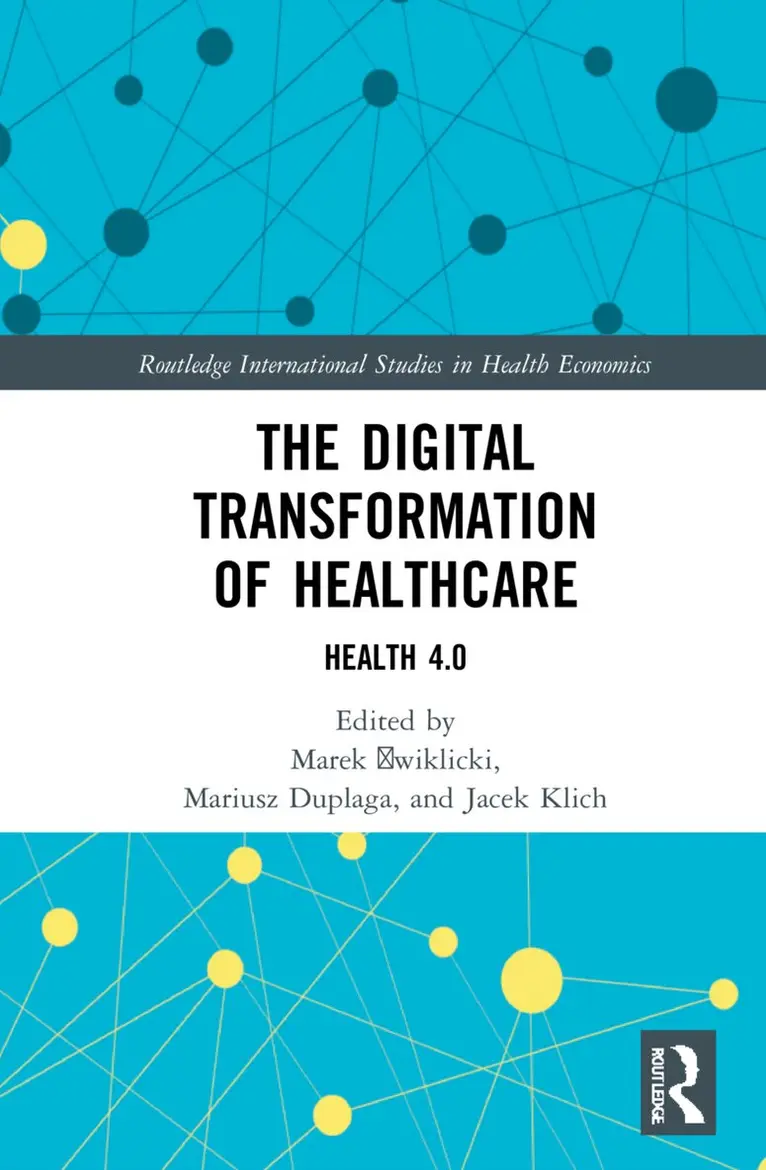
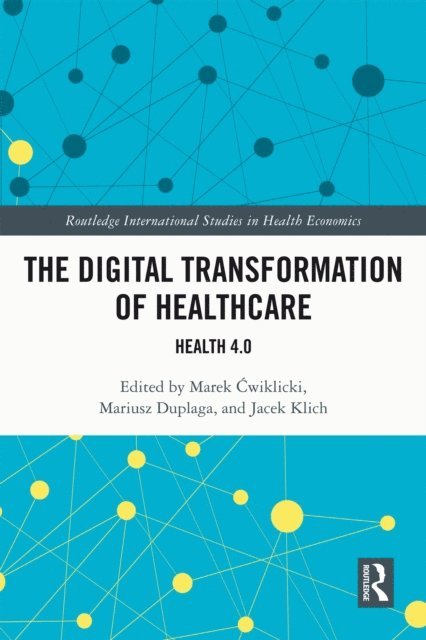
Digital Transformation of Healthcare
Health 4.0
Av Marek Ćwiklicki, Mariusz Duplaga m. fl.
Inbunden, 2021
2586 kr
Lägg i varukorg
Health 4.0 is a term that has derived from the Fourth Industrial Revolution (Industry 4.0), as it pertains to the healthcare industry. This book offers a novel, concise, but at the same time, broad picture of the challenges that the technological revolution has created for the healthcare system.It …
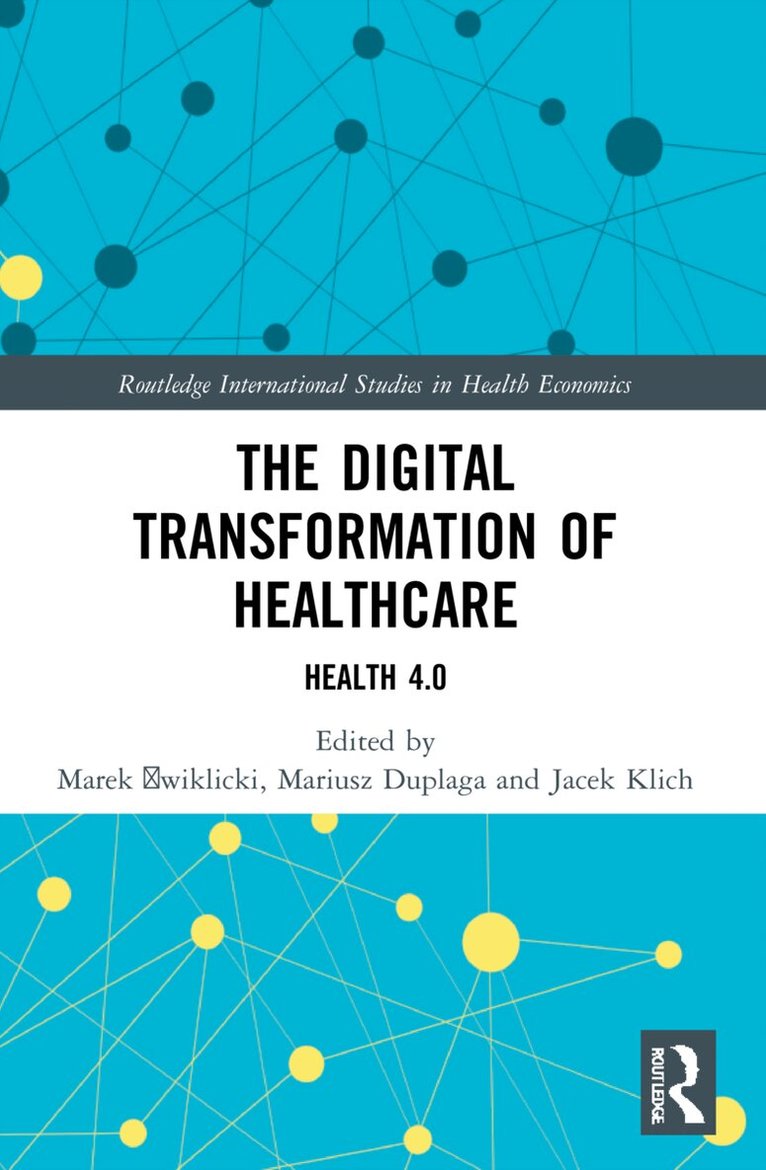
Digital Transformation of Healthcare
Health 4.0
Av Marek Ćwiklicki, Mariusz Duplaga m. fl.
Häftad, 2023
712 kr
Lägg i varukorg
Health 4.0 is a term that has derived from the Fourth Industrial Revolution (Industry 4.0), as it pertains to the healthcare industry. This book offers a novel, concise, but at the same time, broad picture of the challenges that the technological revolution has created for the healthcare system.It …
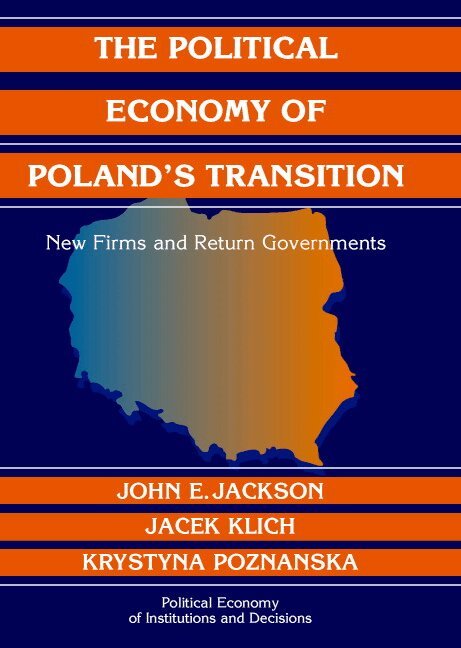
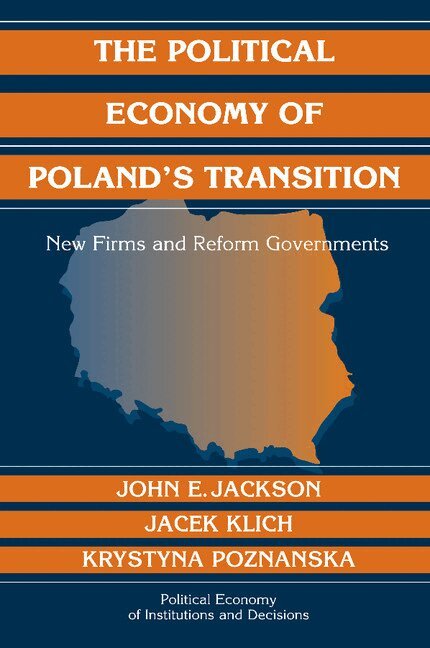
The Political Economy of Poland's Transition
New Firms and Reform Governments
Av John E. Jackson, Jacek Klich m. fl.
Inbunden, 2005
1041 kr
Lägg i varukorg
In the time span of a two-term US presidency, Poland went from an authoritarian one-party state with a faltering centrally planned economy to become a relatively stable multiparty democracy and a market economy with one of the highest GDP growth rates in Europe. A central feature of these economic …
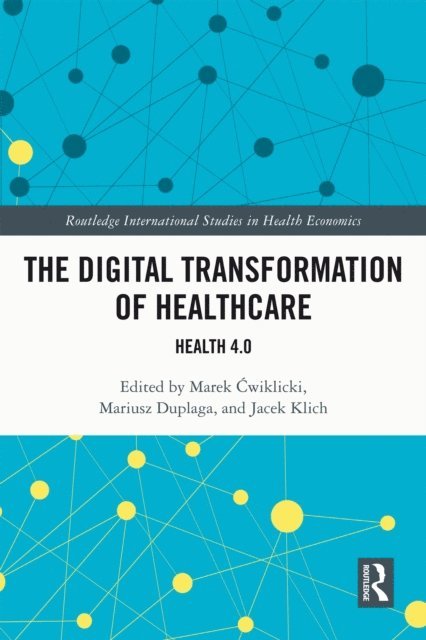
Digital Transformation of Healthcare
Health 4.0
Av Jacek Klich, Mariusz Duplaga m. fl.
E-bok, 2021
838 kr
Lägg i varukorg
Health 4.0 is a term that has derived from the Fourth Industrial Revolution (Industry 4.0), as it pertains to the healthcare industry. This book offers a novel, concise, but at the same time, broad picture of the challenges that the technological revolution has created for the healthcare system. It …
Digital Transformation of Healthcare
Health 4.0
Av Jacek Klich, Mariusz Duplaga m. fl.
E-bok, 2021
838 kr
Lägg i varukorg
Health 4.0 is a term that has derived from the Fourth Industrial Revolution (Industry 4.0), as it pertains to the healthcare industry. This book offers a novel, concise, but at the same time, broad picture of the challenges that the technological revolution has created for the healthcare system. It …
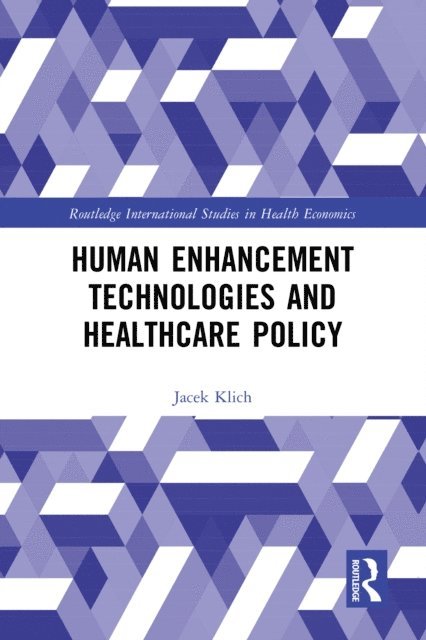
Human Enhancement Technologies and Healthcare Policy
Av Jacek Klich
Inbunden, 2024
2586 kr
Lägg i varukorg
Human enhancement (HE) is considered one of the most profoundly impactful effects of the Fourth Industrial Revolution. This book presents the definition, theory, scope, and main challenges of HE from a health policy and healthcare systems perspective. It offers a comprehensive view of the …
Human Enhancement Technologies and Healthcare Policy
Av Jacek Klich
Häftad, 2026
649 kr
Lägg i varukorg
Human enhancement (HE) is considered one of the most profoundly impactful effects of the Fourth Industrial Revolution. This book presents the definition, theory, scope, and main challenges of HE from a health policy and healthcare systems perspective. It offers a comprehensive view of the …
Human Enhancement Technologies and Healthcare Policy
Av Jacek Klich
E-bok, 2024
765 kr
Lägg i varukorg
Human enhancement (HE) is considered one of the most profoundly impactful effects of the Fourth Industrial Revolution. This book presents the definition, theory, scope, and main challenges of HE from a health policy and healthcare systems perspective. It offers a comprehensive view of the …
Human Enhancement Technologies and Healthcare Policy
Av Jacek Klich
E-bok, 2024
765 kr
Lägg i varukorg
Human enhancement (HE) is considered one of the most profoundly impactful effects of the Fourth Industrial Revolution. This book presents the definition, theory, scope, and main challenges of HE from a health policy and healthcare systems perspective. It offers a comprehensive view of the …
The Political Economy of Poland's Transition
New Firms and Reform Governments
Av John E. Jackson, Jacek Klich m. fl.
Häftad, 2012
557 kr
Lägg i varukorg
In the time span of a two-term US presidency, Poland went from an authoritarian one-party state with a faltering centrally planned economy to become a relatively stable multiparty democracy and a market economy with one of the highest GDP growth rates in Europe. A central feature of these economic …