Jack Lule – författare
Visar alla böcker från författaren Jack Lule. Handla med fri frakt och snabb leverans.
4 produkter
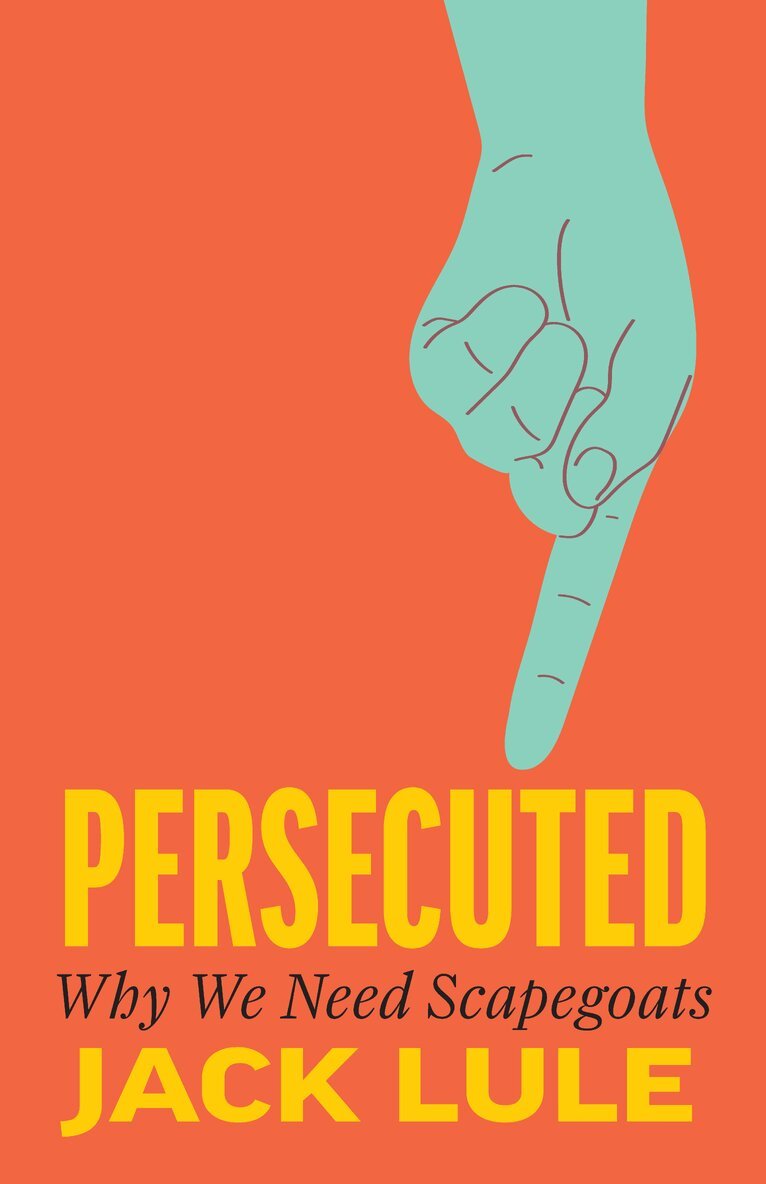
Persecuted
Why We Need Scapegoats
Av Jack Lule
Inbunden, 2026
347 kr
Lägg i varukorg
The making of the modern scapegoat.Who gets blamed when societies feel under threat and why? In Persecuted, journalism scholar Jack Lule examines the deep roots of scapegoating as essential to human society. Scapegoating helps explain how and why people unite, shaping the ways groups define …
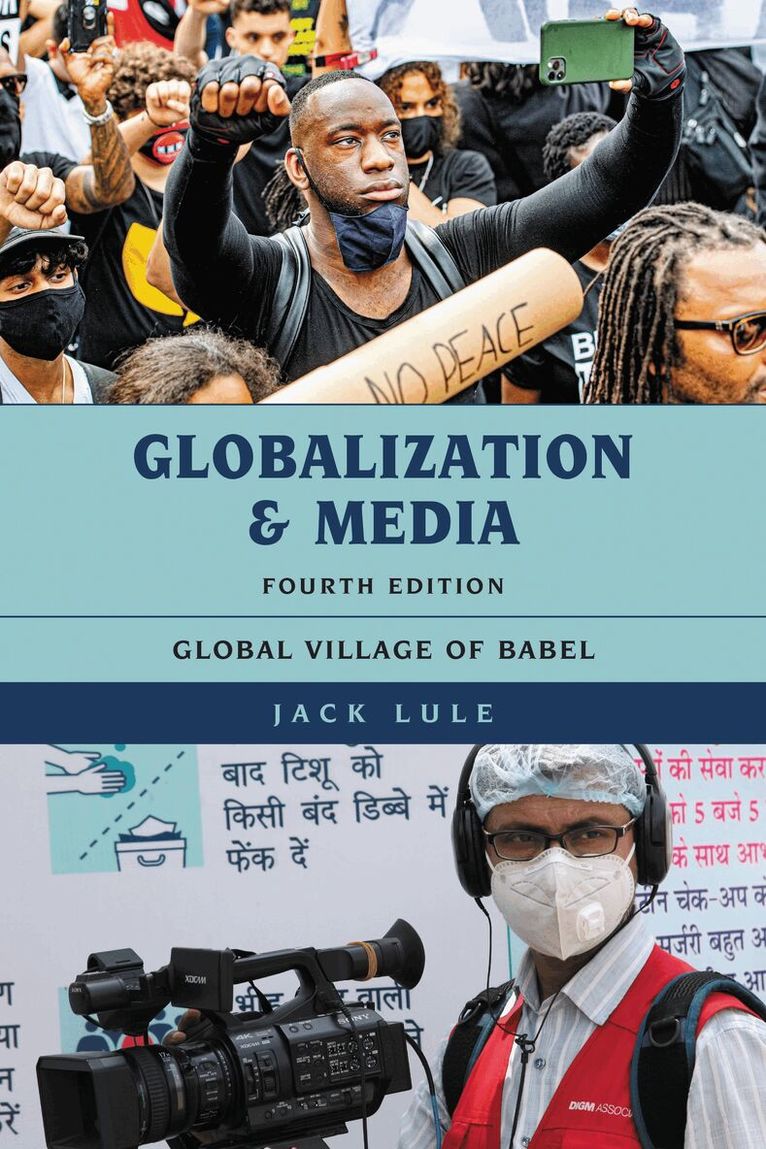
Globalization and Media
Global Village of Babel
Av Jack Lule
Inbunden, 2021
995 kr
Lägg i varukorg
The fully updated fourth edition of this lively and accessible book argues for the central role of media in understanding and shaping globalization. By breaking down the economic, cultural, and political impact of media, and through a rich set of case studies, Jack Lule describes a divided global …
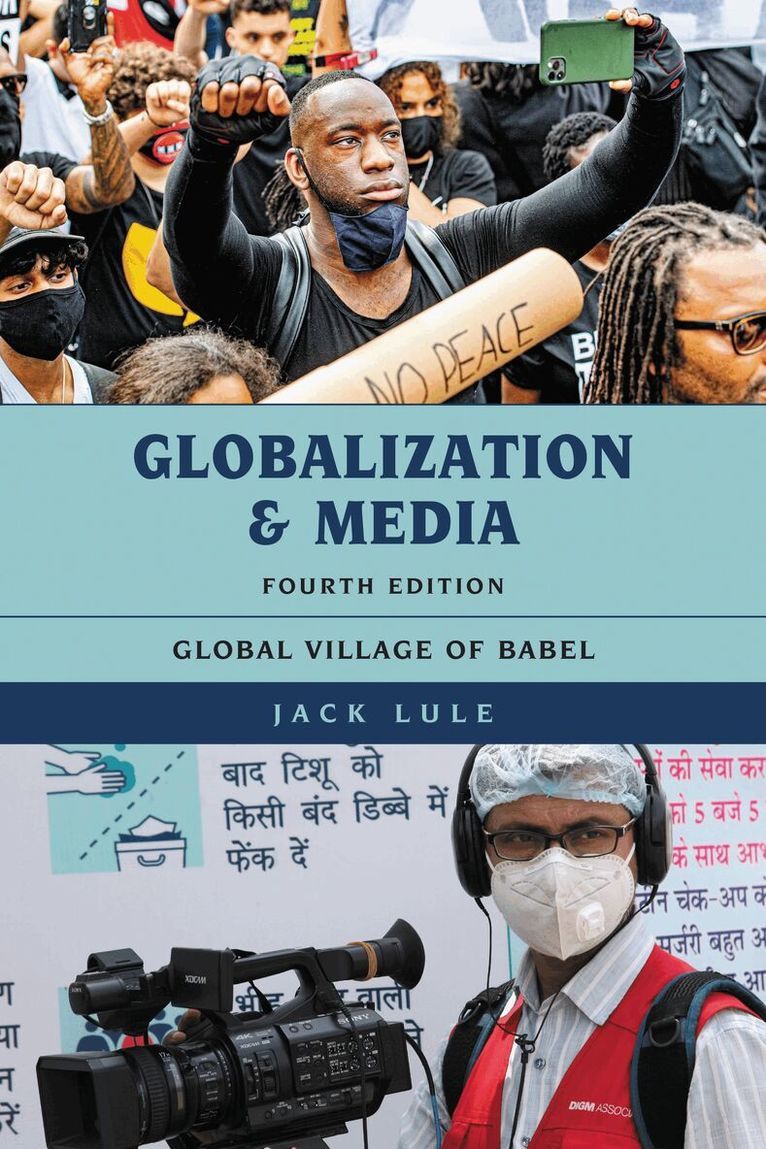
Globalization and Media
Global Village of Babel
Av Jack Lule
Häftad, 2021
459 kr
Lägg i varukorg
The fully updated fourth edition of this lively and accessible book argues for the central role of media in understanding and shaping globalization. By breaking down the economic, cultural, and political impact of media, and through a rich set of case studies, Jack Lule describes a divided global …
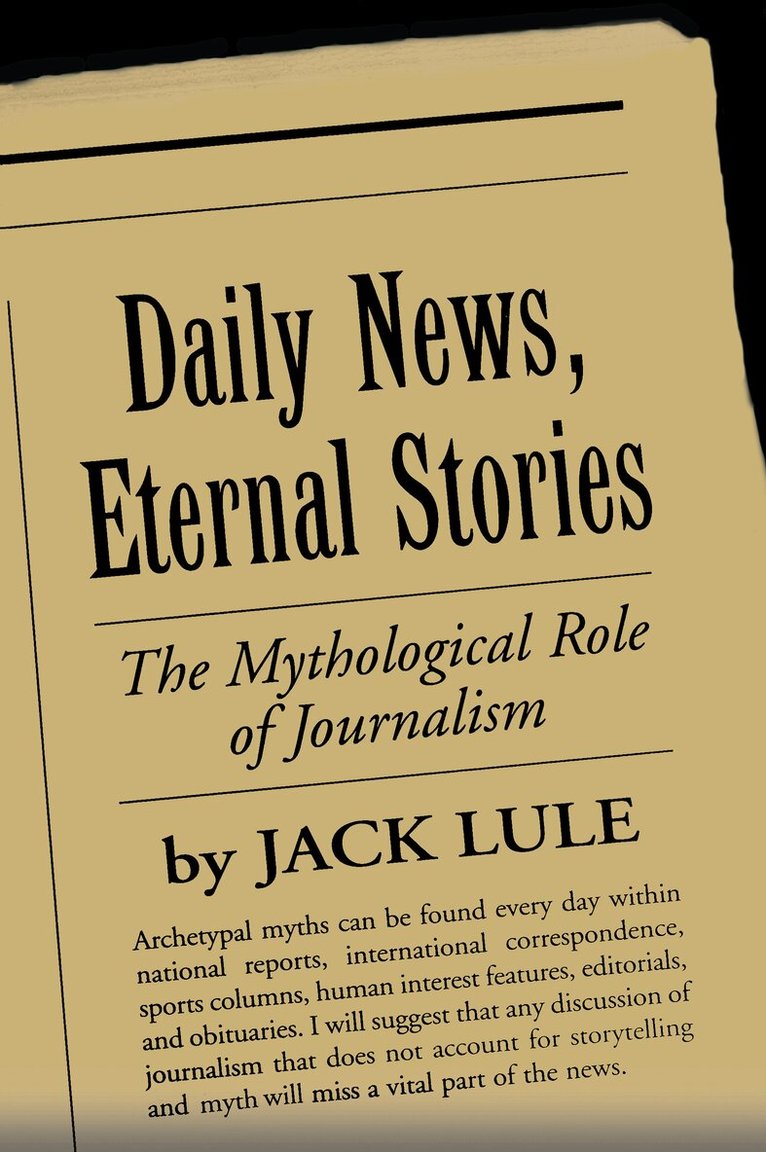
Daily News, Eternal Stories
The Mythological Role of Journalism
Av Jack Lule
Häftad, 2001
517 kr
Lägg i varukorg
This compelling, often surprising book demonstrates the ways news articles of today draw from age-old tales that have chastened, challenged, entertained, and entranced people since the beginning of time. Through an insightful exploration of hundreds of New York Times articles, award-winning …