Jack Z. Bratich - Böcker
Visar alla böcker från författaren Jack Z. Bratich. Handla med fri frakt och snabb leverans.
4 produkter
4 produkter
594 kr
Skickas inom 3-6 vardagar
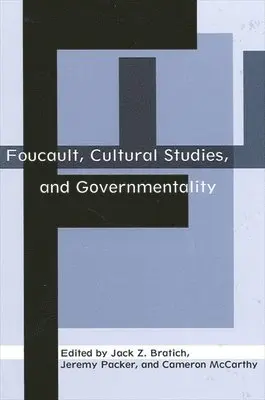
Applies Foucault's ideas to a cultural studies framework.Offering new and unique approaches bridging the gap between cultural analysis and governmentality studies in the United States, this book opens up new lines of inquiry into cultural practices and offers fresh perspectives on Foucault's writings and their implications for cultural studies. It provides critical frameworks to analyze cultural practices and strategies of governing as ways of understanding the present. It also broadens the theater of intellectual debates over "culture and governing" studies from their current locales in Australia and Great Britain to the United States.
1 057 kr
Tillfälligt slut
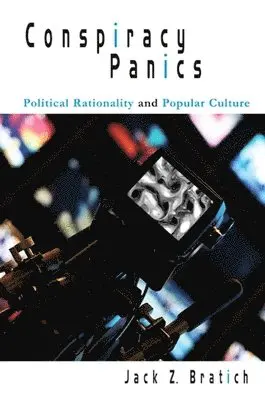
Examines contemporary anxiety over the phenomenon of conspiracy theories.While most other works focus on conspiracy theories, this book examines conspiracy panics, or the anxiety over the phenomenon of conspiracy theories. Jack Z. Bratich argues that conspiracy theories are portals into the major social issues defining U.S. and global political culture. These issues include the rise of new technologies, the social function of journalism, U.S. race relations, citizenship and dissent, globalization, biowarfare and biomedicine, and the shifting positions within the Left. Using a Foucauldian governmentality analysis, Bratich maintains that conspiracy panics contribute to a broader political rationality, a (neo)liberal strategy of governing at a distance through the use of reason. He also explores the growing popularity of 9/11 conspiracy research in terms of what he calls the "sphere of legitimate dissensus." Conspiracy Panics concludes that we are witnessing a new fusion of culture and rationality, one that is increasingly shared across the political spectrum.
382 kr
Tillfälligt slut
Examines contemporary anxiety over the phenomenon of conspiracy theories.While most other works focus on conspiracy theories, this book examines conspiracy panics, or the anxiety over the phenomenon of conspiracy theories. Jack Z. Bratich argues that conspiracy theories are portals into the major social issues defining U.S. and global political culture. These issues include the rise of new technologies, the social function of journalism, U.S. race relations, citizenship and dissent, globalization, biowarfare and biomedicine, and the shifting positions within the Left. Using a Foucauldian governmentality analysis, Bratich maintains that conspiracy panics contribute to a broader political rationality, a (neo)liberal strategy of governing at a distance through the use of reason. He also explores the growing popularity of 9/11 conspiracy research in terms of what he calls the "sphere of legitimate dissensus." Conspiracy Panics concludes that we are witnessing a new fusion of culture and rationality, one that is increasingly shared across the political spectrum.
180 kr
Skickas inom 5-8 vardagar
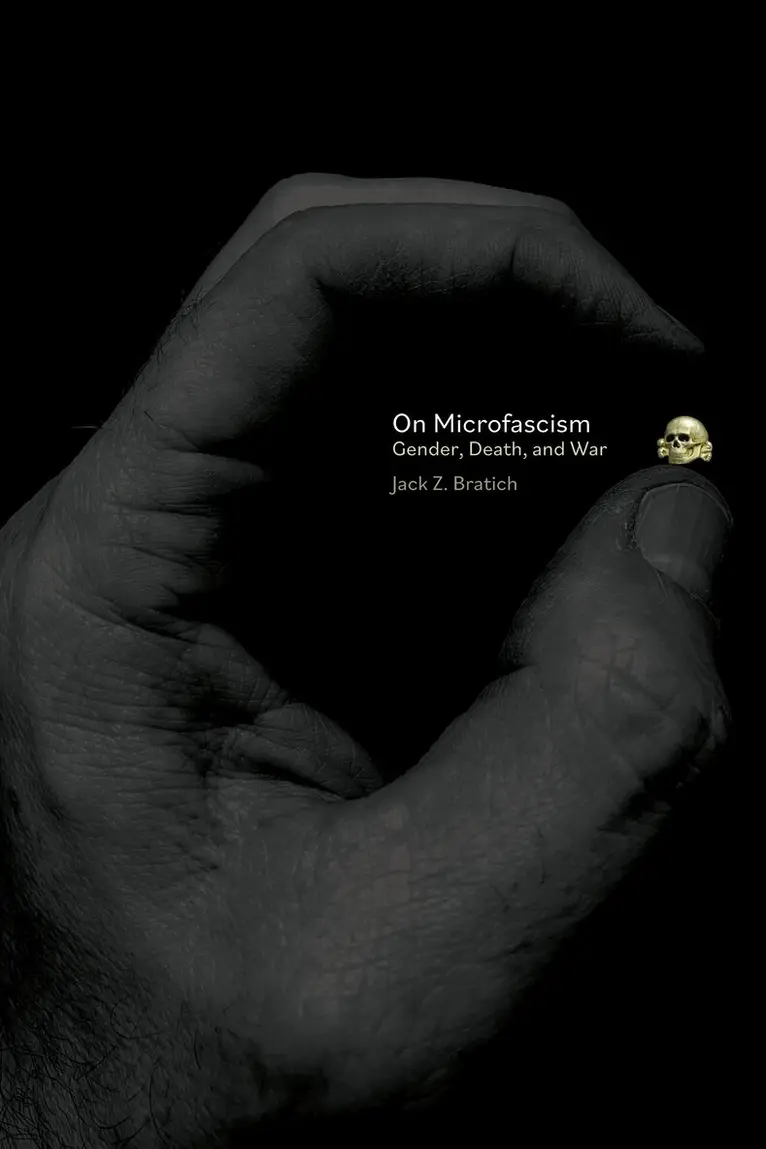
Rooted in an understanding of how the fascist body is constructed, we can develop the collective power to dismember it.Fascist and reactionary populist forces have undeniably swelled in the US in recent years. To effectively counter fascist movements, we need to understand them beyond their most visible and public expressions. To do this, Jack Bratich asserts, we must dig deeper into the psyche and body that gives rise to fascist formations. There we will find microfascism, or the cultural ways in which a fascist understanding of the world is generated from the hatreds that suffuse everyday life. By highlighting the misogyny at fascism’s core, we are able to observe a key process in the formation of a fascist body. Recognizing the microfascism behind appeals to recover the past glory of white male subjects created by earlier foundational wars, we see how histories of settler colonialism, genocide, and domination are animating the deadly mission of fascism today. By focusing on the variety of ways the resurgent fascist tendency courts its own destruction (and demands the destruction of others), we can trace how fascism refines and expands the death and annihilation that underpins capitalist, colonial, and patriarchal systems.