Jacob Kipp – författare
Visar alla böcker från författaren Jacob Kipp. Handla med fri frakt och snabb leverans.
5 produkter
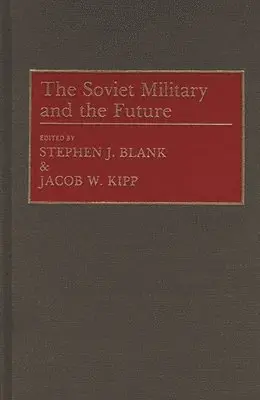
Soviet Military and the Future
Av Stephen J. Blank, Jacob Kipp m. fl.
Inbunden, 1992
1064 kr
Lägg i varukorg
What are the key factors that will shape the post-Soviet military system? Leading experts assess the geostrategic context in which leaders must operate, the nature of future war, foundations of military power, dilemmas confronting a multinational military force, problems in managing a nuclear …
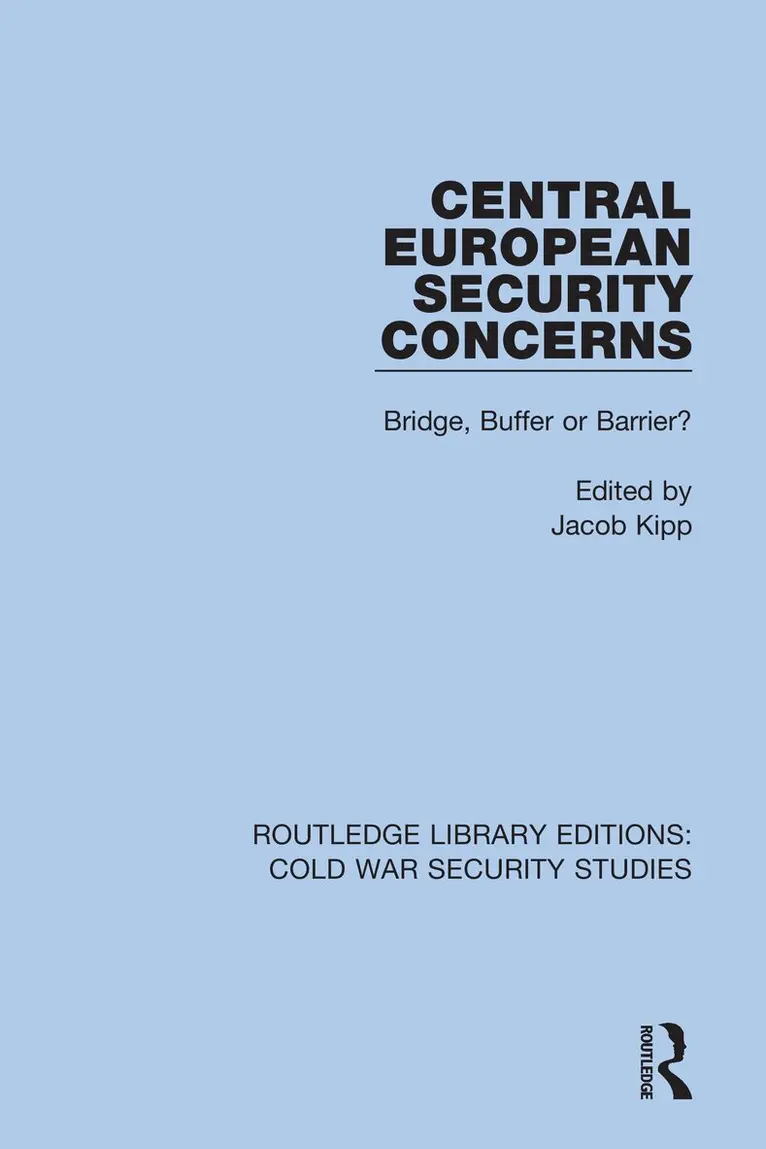
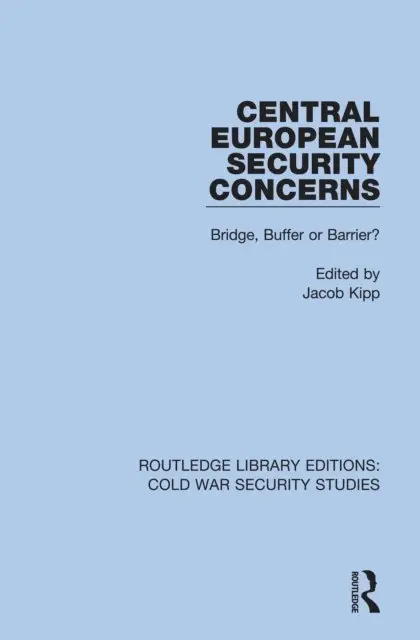
Central European Security Concerns
Bridge, Buffer or Barrier?
Av Jacob Kipp
Inbunden, 2021
1823 kr
Lägg i varukorg
This book, first published in 1993, examines the security concerns of the Central European countries in the immediate aftermath of the Cold War. The collapse of the Soviet Union brought considerable uncertainty and instability to its satellite states, now free from Moscow’s influence. This …
Central European Security Concerns
Bridge, Buffer or Barrier?
Av Jacob Kipp
Häftad, 2022
545 kr
Lägg i varukorg
This book, first published in 1993, examines the security concerns of the Central European countries in the immediate aftermath of the Cold War. The collapse of the Soviet Union brought considerable uncertainty and instability to its satellite states, now free from Moscow’s influence. This …
Central European Security Concerns
Bridge, Buffer or Barrier?
Av Jacob Kipp
E-bok, 2021
646 kr
Lägg i varukorg
This book, first published in 1993, examines the security concerns of the Central European countries in the immediate aftermath of the Cold War. The collapse of the Soviet Union brought considerable uncertainty and instability to its satellite states, now free from Moscow’s influence. This …
Central European Security Concerns
Bridge, Buffer or Barrier?
Av Jacob Kipp
E-bok, 2021
660 kr
Lägg i varukorg
This book, first published in 1993, examines the security concerns of the Central European countries in the immediate aftermath of the Cold War. The collapse of the Soviet Union brought considerable uncertainty and instability to its satellite states, now free from Moscow’s influence. This …