Jacqueline Van Gent – författare
Visar alla böcker från författaren Jacqueline Van Gent. Handla med fri frakt och snabb leverans.
13 produkter
Dynastic Colonialism
Gender, Materiality and the Early Modern House of Orange-Nassau
Av Susan Broomhall, Jacqueline Van Gent
Häftad, 2019
756 kr
Lägg i varukorg
Dynastic Colonialism analyses how women and men employed objects in particular places across the world during the early modern period in order to achieve the remarkable expansion of the House of Orange-Nassau. Susan Broomhall and Jacqueline Van Gent explore how the House emerged as a leading force …
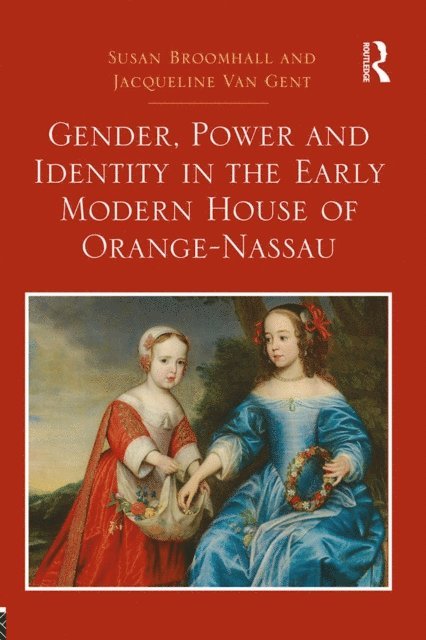
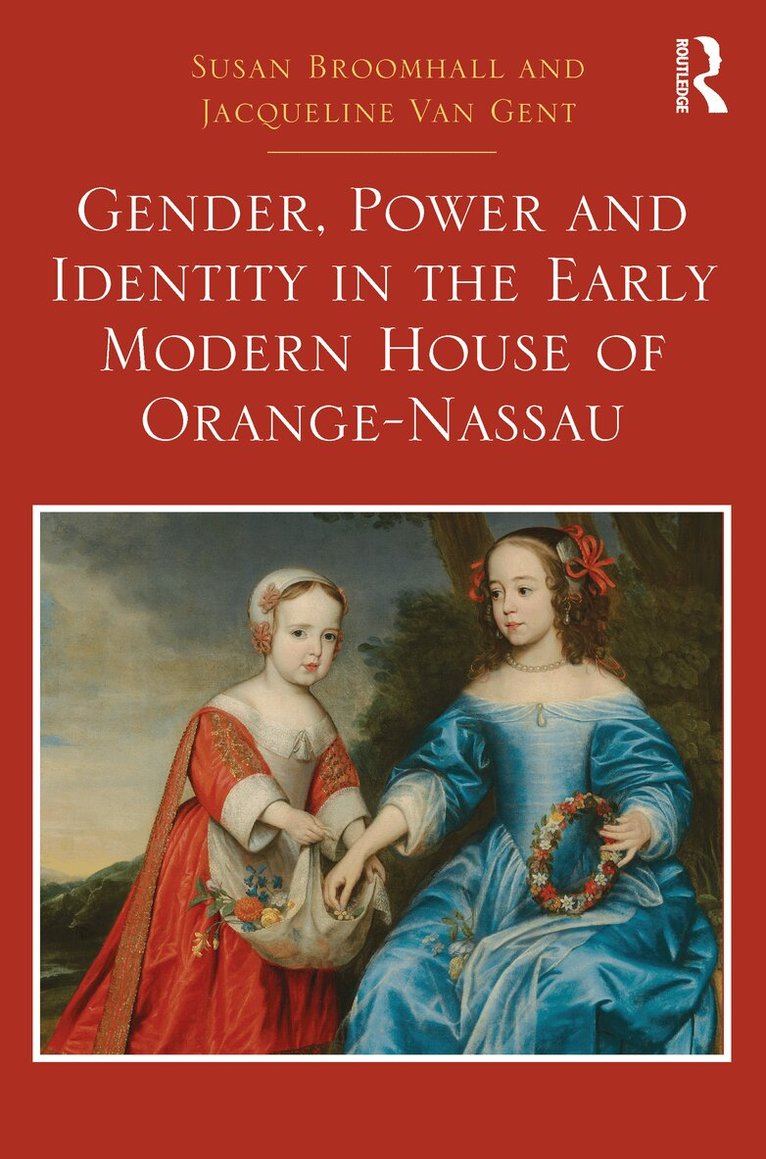
Gender, Power and Identity in the Early Modern House of Orange-Nassau
Av Susan Broomhall, Jacqueline Van Gent
Häftad, 2022
728 kr
Lägg i varukorg
How do gender and power relationships affect the expression of family, House and dynastic identities? The present study explores this question using a case study of the House of Orange-Nassau, whose extensive visual, material and archival sources from both male and female members enable the authors …
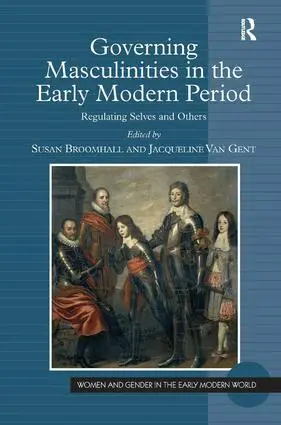
Governing Masculinities in the Early Modern Period
Regulating Selves and Others
Av Jacqueline Van Gent, Susan Broomhall
Häftad, 2024
668 kr
Lägg i varukorg
Documenting lived experiences of men in charge of others, this collection creates a social and cultural history of early modern governing masculinities. It examines the tensions between normative discourses and lived experiences and their manifestations in a range of different sources; and explores …
Dynastic Colonialism
Gender, Materiality and the Early Modern House of Orange-Nassau
Av Susan Broomhall, Jacqueline Van Gent
Inbunden, 2016
2590 kr
Lägg i varukorg
Dynastic Colonialism analyses how women and men employed objects in particular places across the world during the early modern period in order to achieve the remarkable expansion of the House of Orange-Nassau. Susan Broomhall and Jacqueline Van Gent explore how the House emerged as a leading force …
Governing Masculinities in the Early Modern Period
Regulating Selves and Others
Av Jacqueline Van Gent, Susan Broomhall
E-bok, 2016
785 kr
Lägg i varukorg
Documenting lived experiences of men in charge of others, this collection creates a social and cultural history of early modern governing masculinities. It examines the tensions between normative discourses and lived experiences and their manifestations in a range of different sources; and explores …
Governing Masculinities in the Early Modern Period
Regulating Selves and Others
Av Jacqueline Van Gent, Susan Broomhall
E-bok, 2016
785 kr
Lägg i varukorg
Documenting lived experiences of men in charge of others, this collection creates a social and cultural history of early modern governing masculinities. It examines the tensions between normative discourses and lived experiences and their manifestations in a range of different sources; and explores …
Gender, Power and Identity in the Early Modern House of Orange-Nassau
Av Jacqueline Van Gent, Susan Broomhall
E-bok, 2016
856 kr
Lägg i varukorg
How do gender and power relationships affect the expression of family, House and dynastic identities? The present study explores this question using a case study of the House of Orange-Nassau, whose extensive visual, material and archival sources from both male and female members enable the authors …
Gender, Power and Identity in the Early Modern House of Orange-Nassau
Av Jacqueline Van Gent, Susan Broomhall
E-bok, 2016
829 kr
Lägg i varukorg
How do gender and power relationships affect the expression of family, House and dynastic identities? The present study explores this question using a case study of the House of Orange-Nassau, whose extensive visual, material and archival sources from both male and female members enable the authors …
Dynastic Colonialism
Gender, Materiality and the Early Modern House of Orange-Nassau
Av Jacqueline Van Gent, Susan Broomhall
E-bok, 2016
892 kr
Lägg i varukorg
Dynastic Colonialism analyses how women and men employed objects in particular places across the world during the early modern period in order to achieve the remarkable expansion of the House of Orange-Nassau. Susan Broomhall and Jacqueline Van Gent explore how the House emerged as a leading force …
Dynastic Colonialism
Gender, Materiality and the Early Modern House of Orange-Nassau
Av Jacqueline Van Gent, Susan Broomhall
E-bok, 2016
873 kr
Lägg i varukorg
Dynastic Colonialism analyses how women and men employed objects in particular places across the world during the early modern period in order to achieve the remarkable expansion of the House of Orange-Nassau. Susan Broomhall and Jacqueline Van Gent explore how the House emerged as a leading force …
Governing Masculinities in the Early Modern Period
Regulating Selves and Others
Av Jacqueline Van Gent, Susan Broomhall
Inbunden, 2011
3262 kr
Lägg i varukorg
Documenting lived experiences of men in charge of others, this collection creates a social and cultural history of early modern governing masculinities. It examines the tensions between normative discourses and lived experiences and their manifestations in a range of different sources; and explores …
Gender, Power and Identity in the Early Modern House of Orange-Nassau
Av Susan Broomhall, Jacqueline Van Gent
Inbunden, 2016
2831 kr
Lägg i varukorg
How do gender and power relationships affect the expression of family, House and dynastic identities? The present study explores this question using a case study of the House of Orange-Nassau, whose extensive visual, material and archival sources from both male and female members enable the authors …
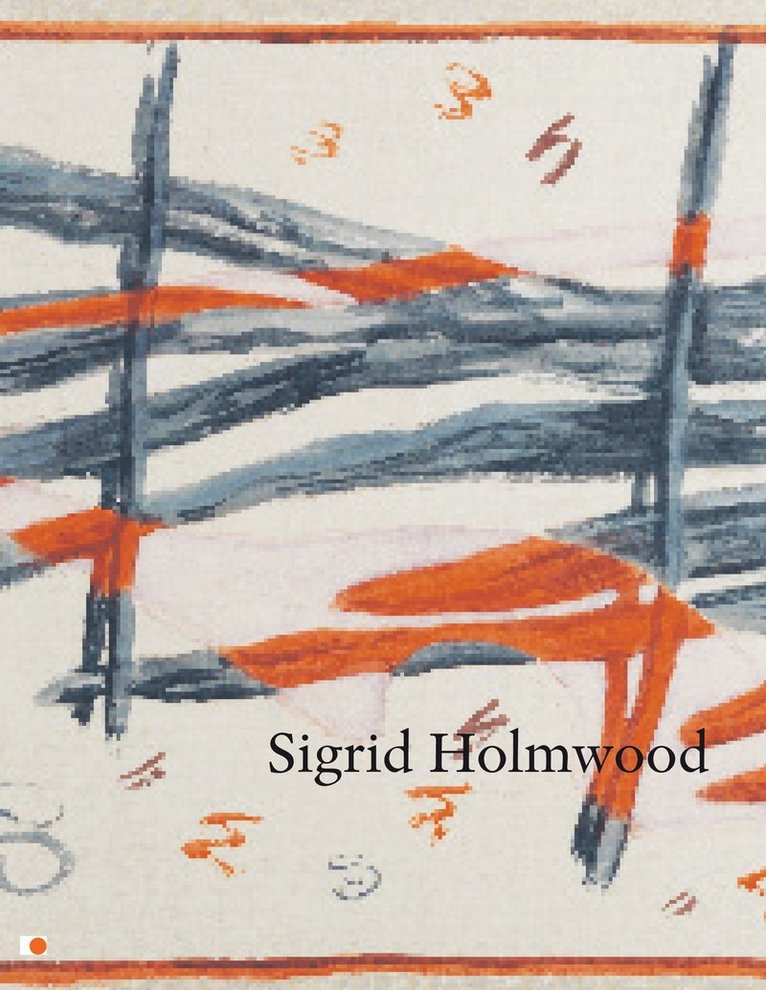
Sigrid Holmwood
Av Sigrid Holmwood, Sven Lundström m. fl.
Häftad, 2013
156 kr
Lägg i varukorg
Sigrid Holmwood är en Londonbaserad konstnär med starkt intresse för folkkonsttraditioner och äldre metoder. Själv kallar hon sig "peasant painter". Under en vistelse i Halland 2012 skapade Holmwood ett antal verk inspirerade av sydsvenska bonadsmålningar och miljöerna de en gång befann sig i. …