Jacqueline Z. Wilson - Böcker
Visar alla böcker från författaren Jacqueline Z. Wilson. Handla med fri frakt och snabb leverans.
2 produkter
2 produkter
3 496 kr
Skickas inom 10-15 vardagar
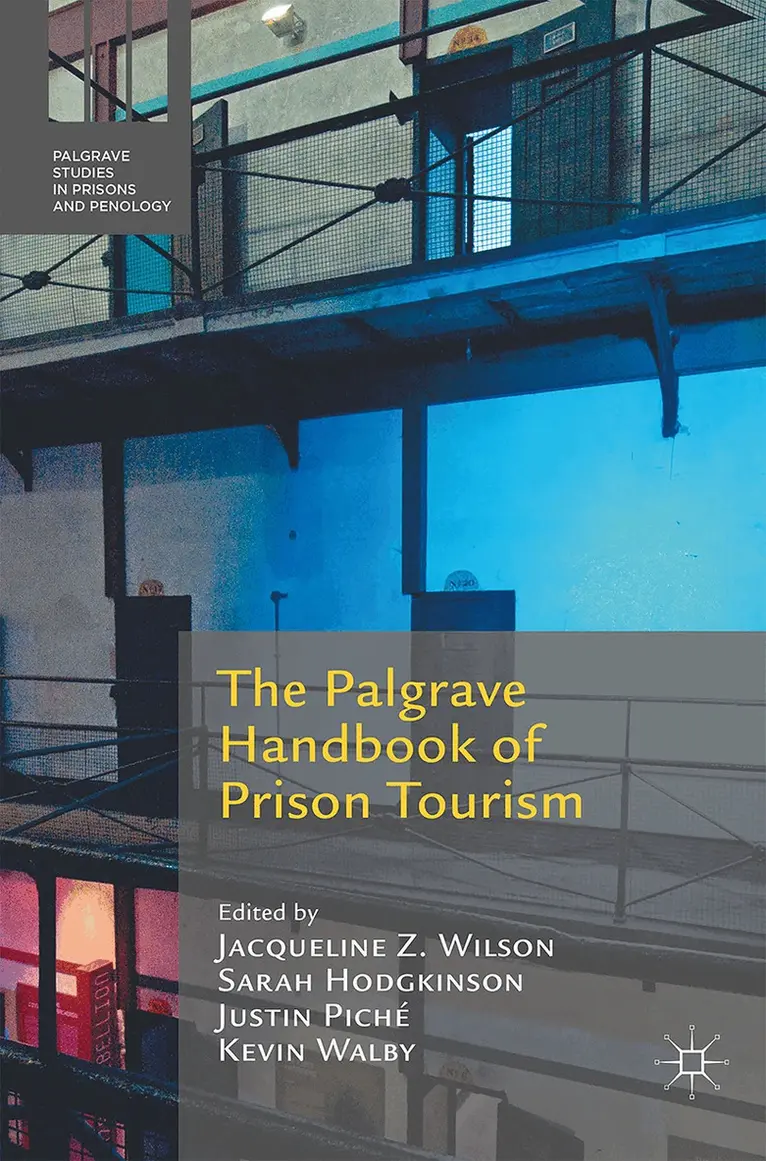
This extensive Handbook addresses a range of contemporary issues related to Prison Tourism across the world. It is divided into seven sections: Ethics, Human Rights and Penal Spectatorship; Carceral Retasking, Curation and Commodification of Punishment; Meanings of Prison Life and Representations of Punishment in Tourism Sites; Death and Torture in Prison Museums; Colonialism, Relics of Empire and Prison Museums; Tourism and Operational Prisons; and Visitor Consumption and Experiences of Prison Tourism. The Handbook explores global debates within the field of Prison Tourism inquiry; spanning a diverse range of topics from political imprisonment and persecution in Taiwan to interpretive programming in Alcatraz, and the representation of incarcerated Indigenous peoples to prison graffiti. This Handbook is the first to present a thorough examination of Prison Tourism that is truly global in scope. With contributions from both well-renowned scholars and up-and-coming researchers in the field, from a wide variety of disciplines, the Handbook comprises an international collection at the cutting edge of Prison Tourism studies. Students and teachers from disciplines ranging from Criminology to Cultural Studies will find the text invaluable as the definitive work in the field of Prison Tourism.
1 187 kr
Skickas inom 5-8 vardagar
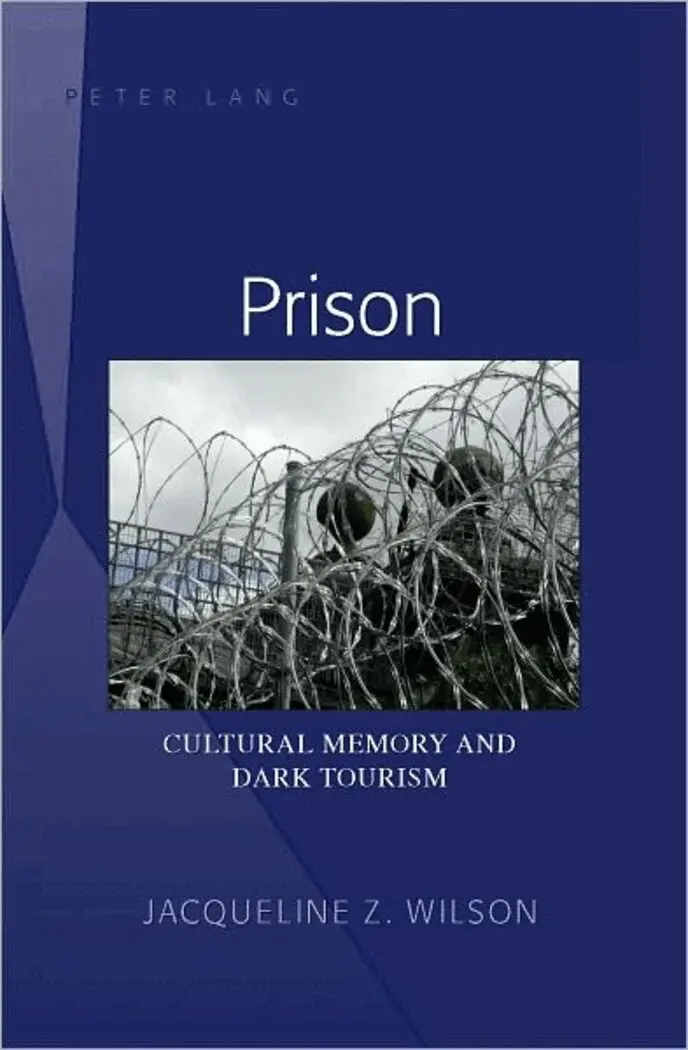
Prison: Cultural Memory and Dark Tourism discusses decommissioned Australian prisons currently or potentially functioning as tourist attractions. In particular, it addresses a fundamental question: Do the interpretations and presentations of the sites include and fairly represent the personal stories and experiences associated with those prisons? The author argues that the conventional understanding of most of Australia’s historical prisons fosters a radical «othering» of inmates, and with it the exclusion, distortion and historical neglect of their narratives. This book examines avenues via which neglected narratives may be glimpsed or inferred, presenting a number of examples. This remedies the imbalance in some degree – and tests such avenues’ potential as resources for inclusive interpretations by public historians and curators. The book also focuses on the influence of «celebrity prisoners», whose links to the penal system are exploited as promotional features by the sites and in some cases by the individuals themselves. Their narratives provide broad, if unwitting, support for the system and for the othering of the more general inmate population.The ramifications of the above with regard to aspects of Australian identity mean that certain facets of the «Australian character» traditionally held to be emblematic are affected. These effects have subtle but tangible consequences for modern Australians’ collective memory and deleterious consequences for current popular attitudes to penal practice.