Jacques Ranci re – författare
Visar alla böcker från författaren Jacques Ranci re. Handla med fri frakt och snabb leverans.
5 produkter
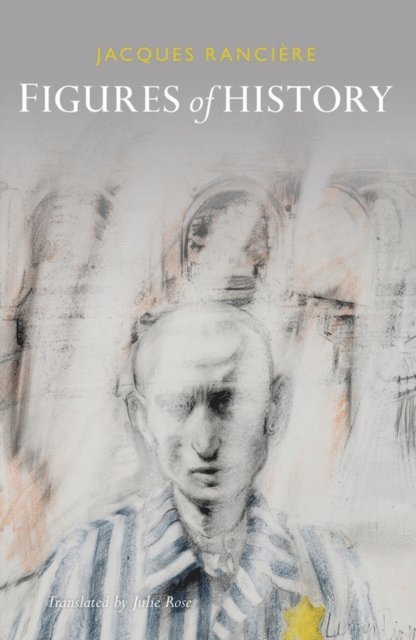
Figures of History
E-bok, 2014
281 kr
Lägg i varukorg
In this important new book the leading philosopher Jacques Rancière continues his reflections on the representative power of works of art. How does art render events that have spanned an era? What roles does it assign to those who enacted them or those who were the victims of such events? Rancière …
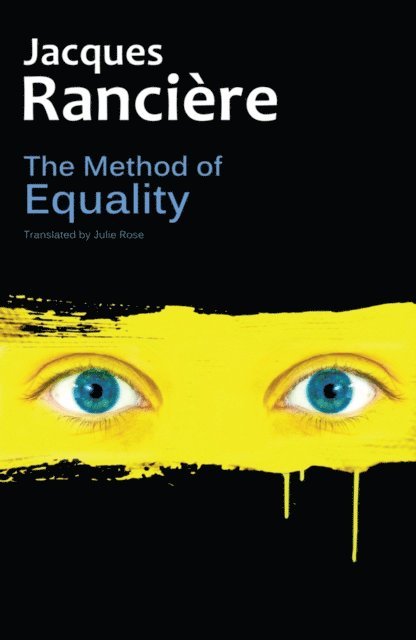
Method of Equality
Interviews with Laurent Jeanpierre and Dork Zabunyan
E-bok, 2016
294 kr
Lägg i varukorg
The development of Rancière’s philosophical work, from his formative years through the political and methodological break with Louis Althusser and the lessons of May 68, is documented here, as are the confrontations with other thinkers, the controversies and occasional misunderstandings. So too are …
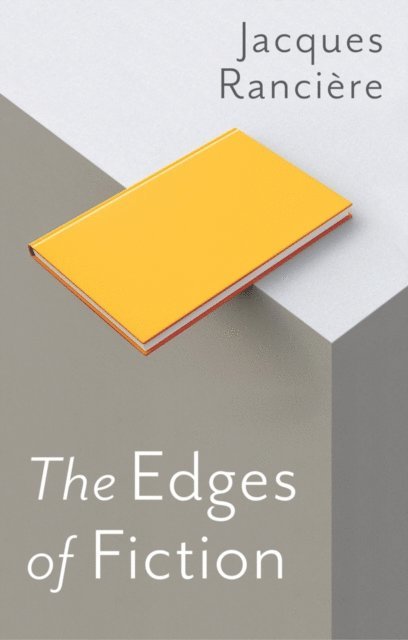
Edges of Fiction
E-bok, 2019
281 kr
Lägg i varukorg
What distinguishes fiction from ordinary experience is not a lack of reality but a surfeit of rationality – this was the thesis of Aristotle’s Poetics. The rationality of fiction is that appearances are inverted. Fiction overturns the ordinary course of events that occur one after the other, aiming …
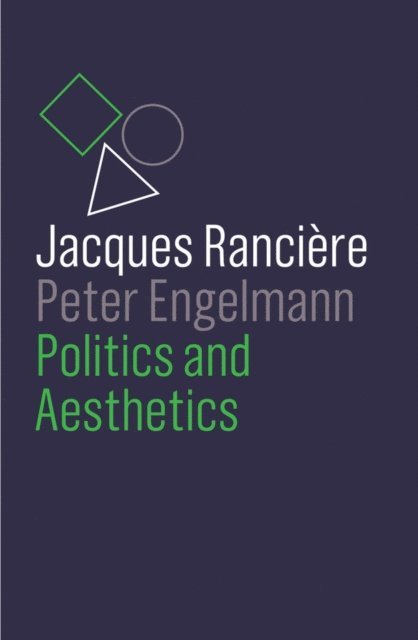
Politics and Aesthetics
Av Peter Engelmann, Jacques Ranci re
E-bok, 2019
245 kr
Lägg i varukorg
In this book the influential philosopher Jacques Rancière, in discussion with Peter Engelmann, explores the enduring connection between politics and aesthetics, arguing that aesthetics forms the fundamental basis for social and political upheaval. Beginning from his rejection of structuralist …
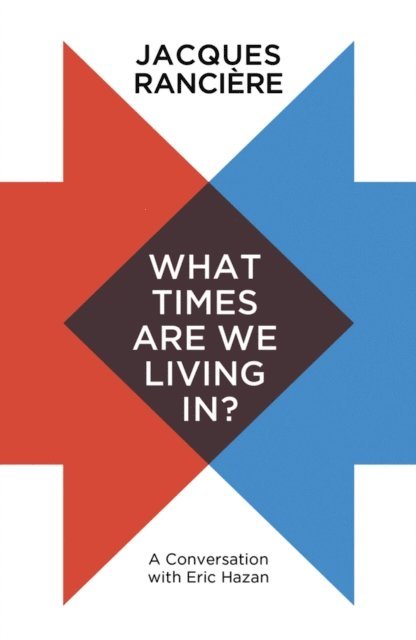
What Times Are We Living In?
A Conversation with Eric Hazan
E-bok, 2020
159 kr
Lägg i varukorg
In this short book, Jacques Rancière takes stock of the state of contemporary politics and examines current developments in the light of his writings. Rancière takes issue with what he sees as the consolidation in recent years of an increasingly oligarchic class of professional politicians within …