Jahangir Amuzegar – författare
Visar alla böcker från författaren Jahangir Amuzegar. Handla med fri frakt och snabb leverans.
5 produkter
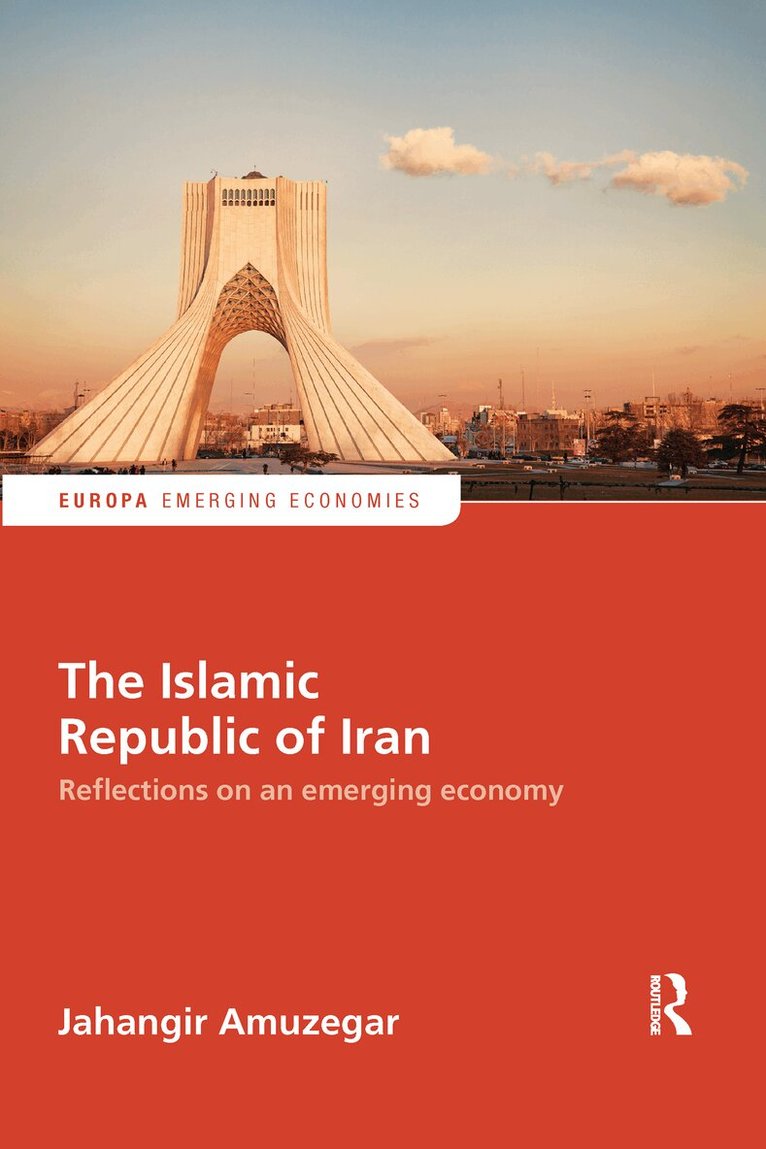
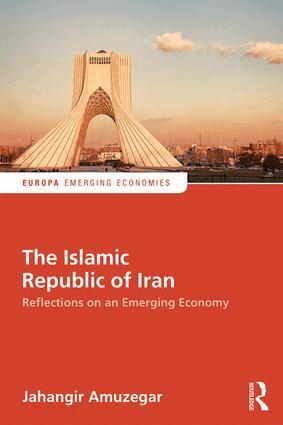
Islamic Republic of Iran
Reflections on an Emerging Economy
Av Jahangir Amuzegar, Jahangir Amuzegar
Häftad, 2020
620 kr
Lägg i varukorg
This title provides an in depth study of Iran’s post 1979 Revolution economy under the Islamic Republic, with new material and related journal articles combined under one roof in a novel and reader friendly style. The volume starts with an original text, summarizing the development of the Iranian …
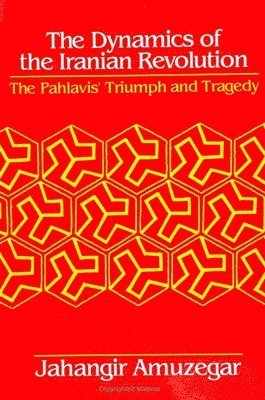
Dynamics of the Iranian Revolution
The Pahlavis' Triumph and Tragedy
Häftad, 1991
502 kr
Lägg i varukorg
Going back to the turn of the century, this book offers a cogent analysis and an objective assessment of the origins and dimensions of the 1979 Iranian Revolution. It reassesses the narrowly focused post-revolution explanations, as it traces the fate of the Pahlavi dynasty to deep-rooted and …
Islamic Republic of Iran
Reflections on an Emerging Economy
E-bok, 2014
710 kr
Lägg i varukorg
This title provides an in depth study of Iran’s post 1979 Revolution economy under the Islamic Republic, with new material and related journal articles combined under one roof in a novel and reader friendly style. The volume starts with an original text, summarizing the development of the Iranian …
Islamic Republic of Iran
Reflections on an Emerging Economy
E-bok, 2014
710 kr
Lägg i varukorg
This title provides an in depth study of Iran’s post 1979 Revolution economy under the Islamic Republic, with new material and related journal articles combined under one roof in a novel and reader friendly style. The volume starts with an original text, summarizing the development of the Iranian …
Islamic Republic of Iran
Reflections on an Emerging Economy
Av Jahangir Amuzegar, Jahangir Amuzegar
Inbunden, 2014
2107 kr
Lägg i varukorg
This title provides an in depth study of Iran’s post 1979 Revolution economy under the Islamic Republic, with new material and related journal articles combined under one roof in a novel and reader friendly style. The volume starts with an original text, summarizing the development of the Iranian …