Jaime Sobrino – författare
Visar alla böcker från författaren Jaime Sobrino. Handla med fri frakt och snabb leverans.
6 produkter
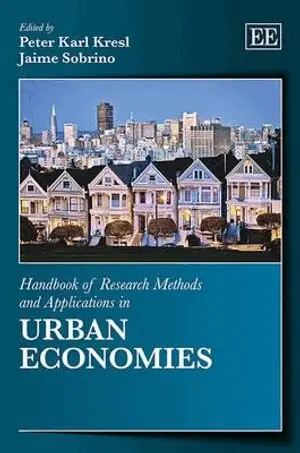
Handbook of Research Methods and Applications in Urban Economies
Av Peter Karl Kresl, Jaime Sobrino
Inbunden, 2013
3750 kr
Lägg i varukorg
In this timely Handbook, more than 17 renowned contributors from Asia, the Americas and Europe provide chapters that deal with some of the most intriguing and important aspects of research methodologies on cities and urban economies.The Handbook comprises five parts: methodology, continental …
Handbook of Research Methods and Applications in Urban Economies
Av Jaime Sobrino, Peter Karl Kresl
E-bok, 2013
715 kr
Lägg i varukorg
In this timely Handbook , more than 17 renowned contributors from Asia, the Americas and Europe provide chapters that deal with some of the most intriguing and important aspects of research methodologies on cities and urban economies. The Handbook comprises five parts: methodology, continental …
Handbook of Research Methods and Applications in Urban Economies
Av Peter Karl Kresl, Jaime Sobrino
Häftad, 2014
832 kr
Lägg i varukorg
In this timely Handbook, more than 17 renowned contributors from Asia, the Americas and Europe provide chapters that deal with some of the most intriguing and important aspects of research methodologies on cities and urban economies.The Handbook comprises five parts: methodology, continental …
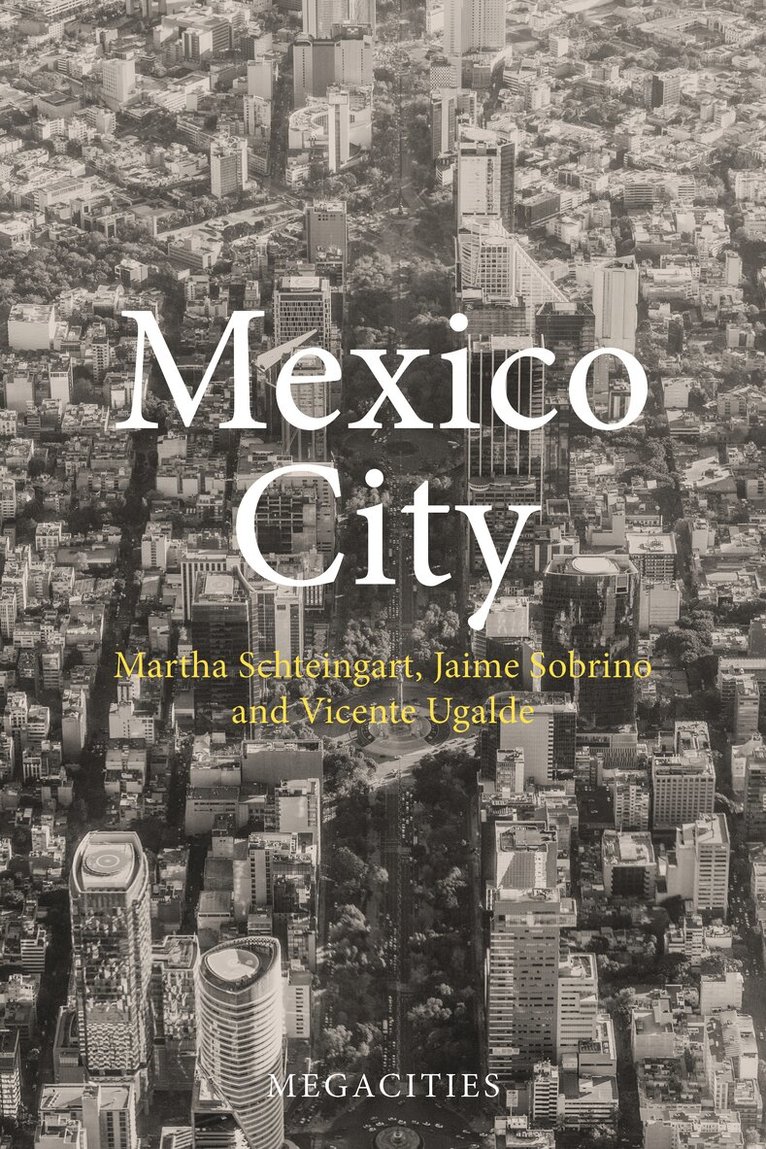
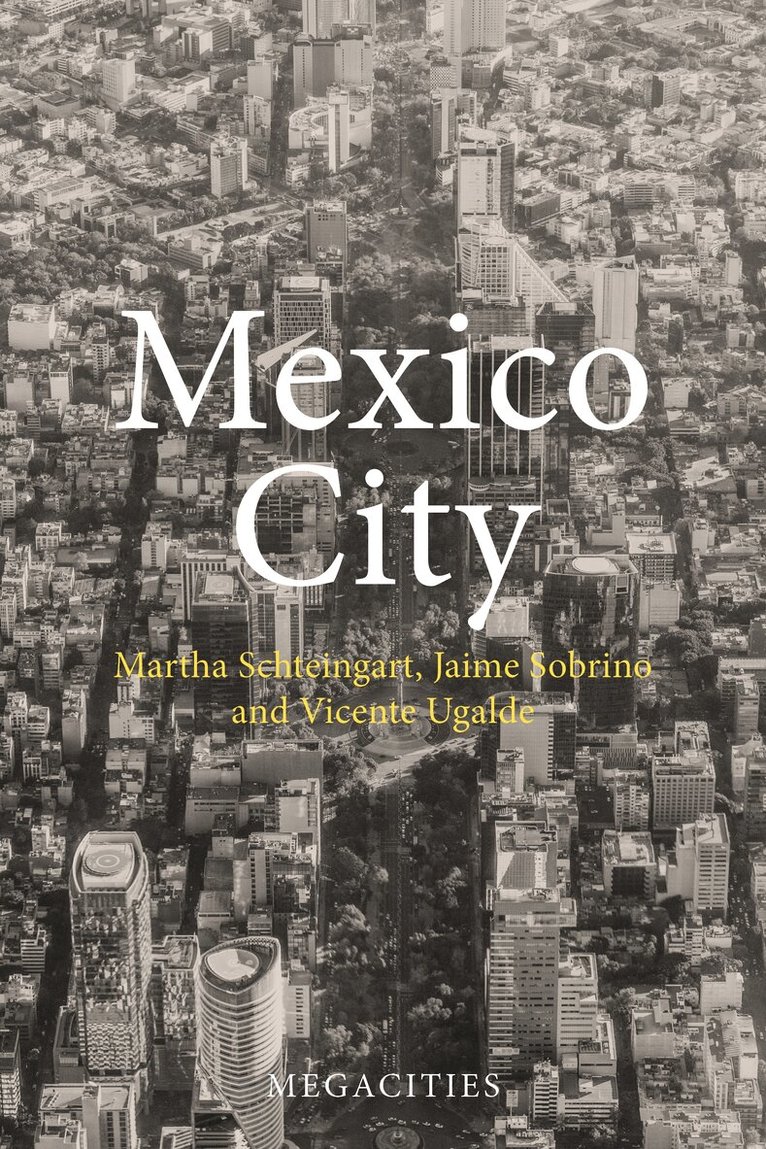
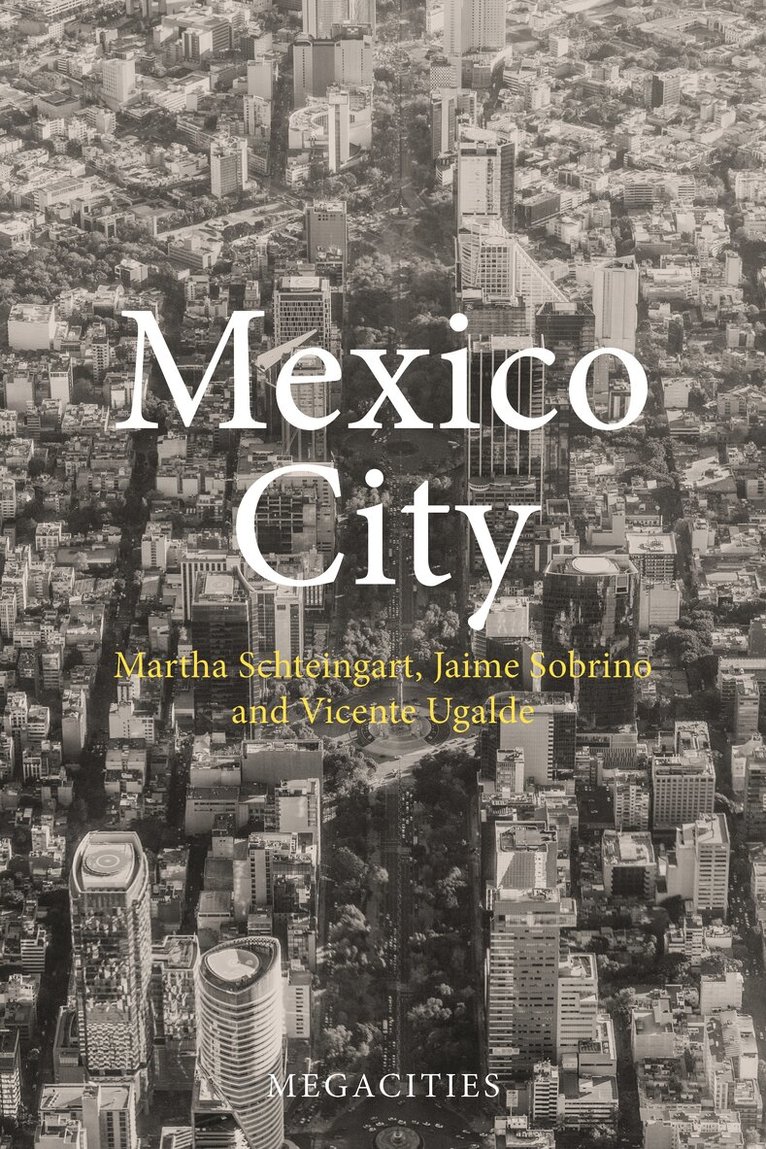
Mexico City
Av Martha Schteingart, Jaime Sobrino m. fl.
Inbunden, 2023
1265 kr
Lägg i varukorg
Mexico City is the second largest city on the American continent, the most populous Spanish-speaking city in the world and the richest city, in terms of GFP, in Latin America. The authors explore the political structures, demography, economy, social issues and public administration that make this …
Mexico City
Av Martha Schteingart, Jaime Sobrino m. fl.
E-bok, 2023
1299 kr
Lägg i varukorg
Mexico City is the second largest city on the American continent, the most populous Spanish-speaking city in the world and the richest city, in terms of GFP, in Latin America. The authors explore the political structures, demography, economy, social issues and public administration that make this …
Mexico City
Av Martha Schteingart, Jaime Sobrino m. fl.
E-bok, 2023
1271 kr
Lägg i varukorg
Mexico City is the second largest city on the American continent, the most populous Spanish-speaking city in the world and the richest city, in terms of GFP, in Latin America. The authors explore the political structures, demography, economy, social issues and public administration that make this …