Jairus R. D. David - Böcker
Visar alla böcker från författaren Jairus R. D. David. Handla med fri frakt och snabb leverans.
4 produkter
4 produkter
2 588 kr
Skickas inom 10-15 vardagar
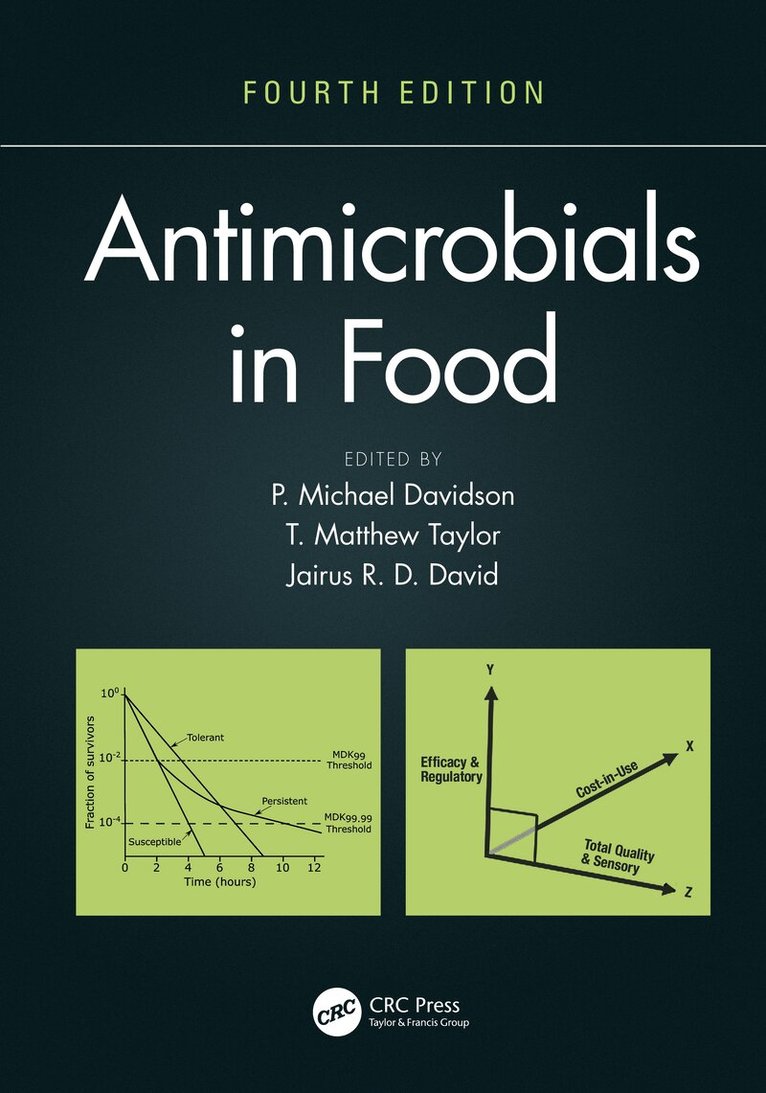
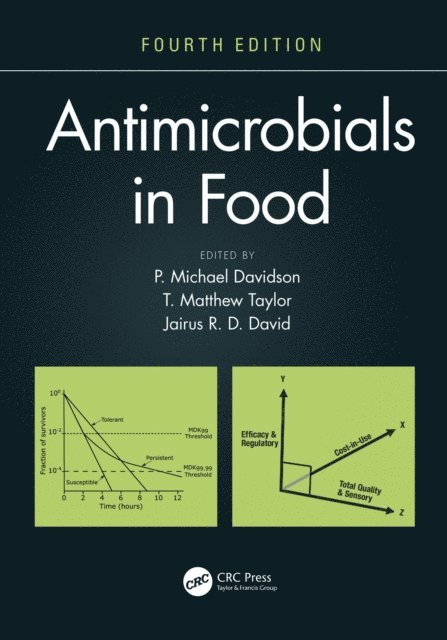
Fifteen years have passed since the 3rd edition of Antimicrobials in Food was published. It was arguably considered the "must-have" reference for those needing information on chemical antimicrobials used in foods. In the years since the last edition, the food industry has undergone radical transformations because of changes on several fronts. Reported consumer demands for the use of "natural" and "clean-label" antimicrobials have increased significantly. The discovery of new foodborne pathogen niches and potentially hazardous foods, along with a critical need to reduce food spoilage waste, has increased the need for suitable antimicrobial compounds or systems. Novel natural antimicrobials continue to be discovered, and new research has been carried out on traditional compounds. These and other related issues led the editors to develop the 4th edition of Antimicrobials in Food.In the 4th edition, the editors have compiled contemporary topics with information synthesized from internationally recognized authorities in their fields. In addition to updated information, new chapters have been added in this latest release with content on the use of bacteriophages, lauric arginate ester, and various systems for antimicrobial encapsulation and delivery. Comprehensive revisions of landmark chapters in previous editions including naturally occurring antimicrobials from both animal and plant sources, methods for determining antimicrobial activity, new approaches to multifactorial food preservation or "hurdle technology," and mechanisms of action, resistance, and stress adaptation are included. Complementing these topics is new information on quantifying the capability of "clean" antimicrobials for food preservation when compared to traditional food preservatives and industry considerations when antimicrobials are evaluated for use in food manufacture.Features Covers all food antimicrobials, natural and synthetic, with the latest research on each type Contains 5,000+ references on every conceivable food antimicrobial Guides in the selection of appropriate additives for specific food products Includes innovations in antimicrobial delivery technologies and the use of multifactorial food preservation with antimicrobials
673 kr
Skickas inom 10-15 vardagar
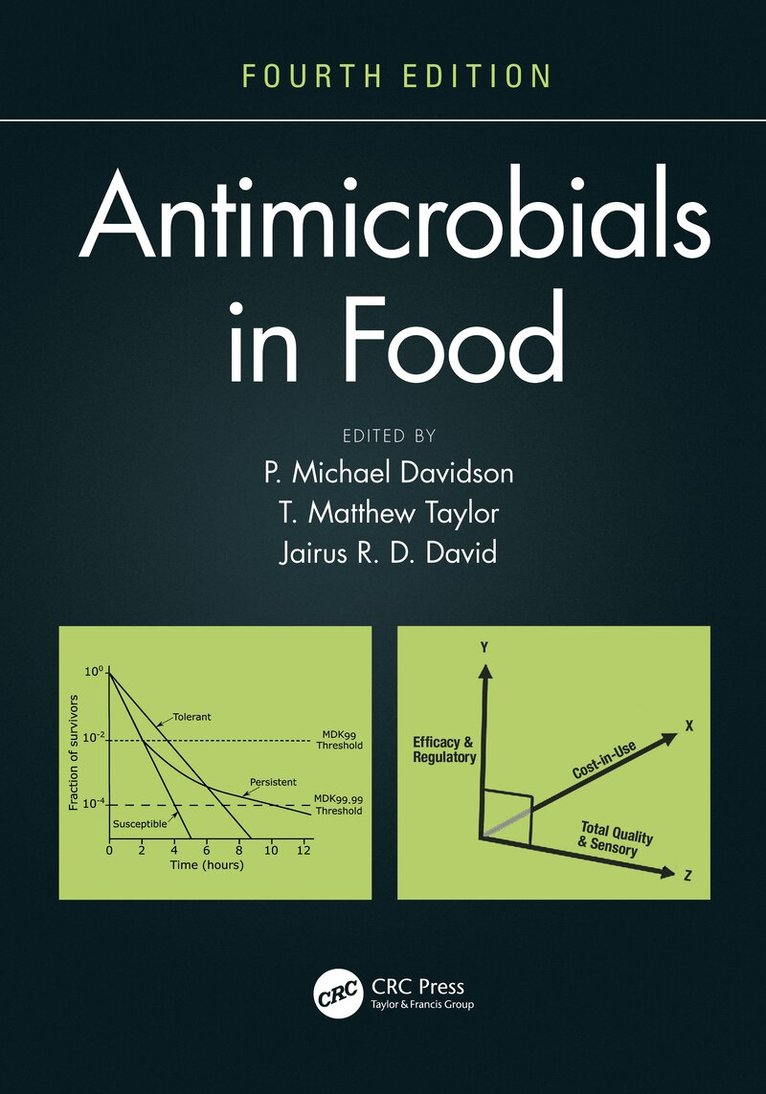
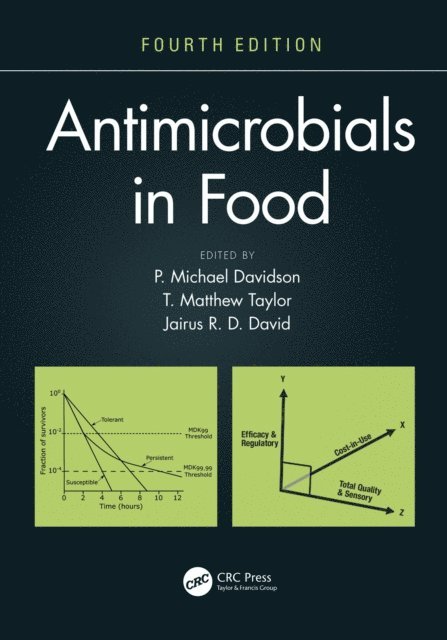
Fifteen years have passed since the 3rd edition of Antimicrobials in Food was published. It was arguably considered the "must-have" reference for those needing information on chemical antimicrobials used in foods. In the years since the last edition, the food industry has undergone radical transformations because of changes on several fronts. Reported consumer demands for the use of "natural" and "clean-label" antimicrobials have increased significantly. The discovery of new foodborne pathogen niches and potentially hazardous foods, along with a critical need to reduce food spoilage waste, has increased the need for suitable antimicrobial compounds or systems. Novel natural antimicrobials continue to be discovered, and new research has been carried out on traditional compounds. These and other related issues led the editors to develop the 4th edition of Antimicrobials in Food.In the 4th edition, the editors have compiled contemporary topics with information synthesized from internationally recognized authorities in their fields. In addition to updated information, new chapters have been added in this latest release with content on the use of bacteriophages, lauric arginate ester, and various systems for antimicrobial encapsulation and delivery. Comprehensive revisions of landmark chapters in previous editions including naturally occurring antimicrobials from both animal and plant sources, methods for determining antimicrobial activity, new approaches to multifactorial food preservation or "hurdle technology," and mechanisms of action, resistance, and stress adaptation are included. Complementing these topics is new information on quantifying the capability of "clean" antimicrobials for food preservation when compared to traditional food preservatives and industry considerations when antimicrobials are evaluated for use in food manufacture.Features Covers all food antimicrobials, natural and synthetic, with the latest research on each type Contains 5,000+ references on every conceivable food antimicrobial Guides in the selection of appropriate additives for specific food products Includes innovations in antimicrobial delivery technologies and the use of multifactorial food preservation with antimicrobials
3 200 kr
Skickas inom 10-15 vardagar
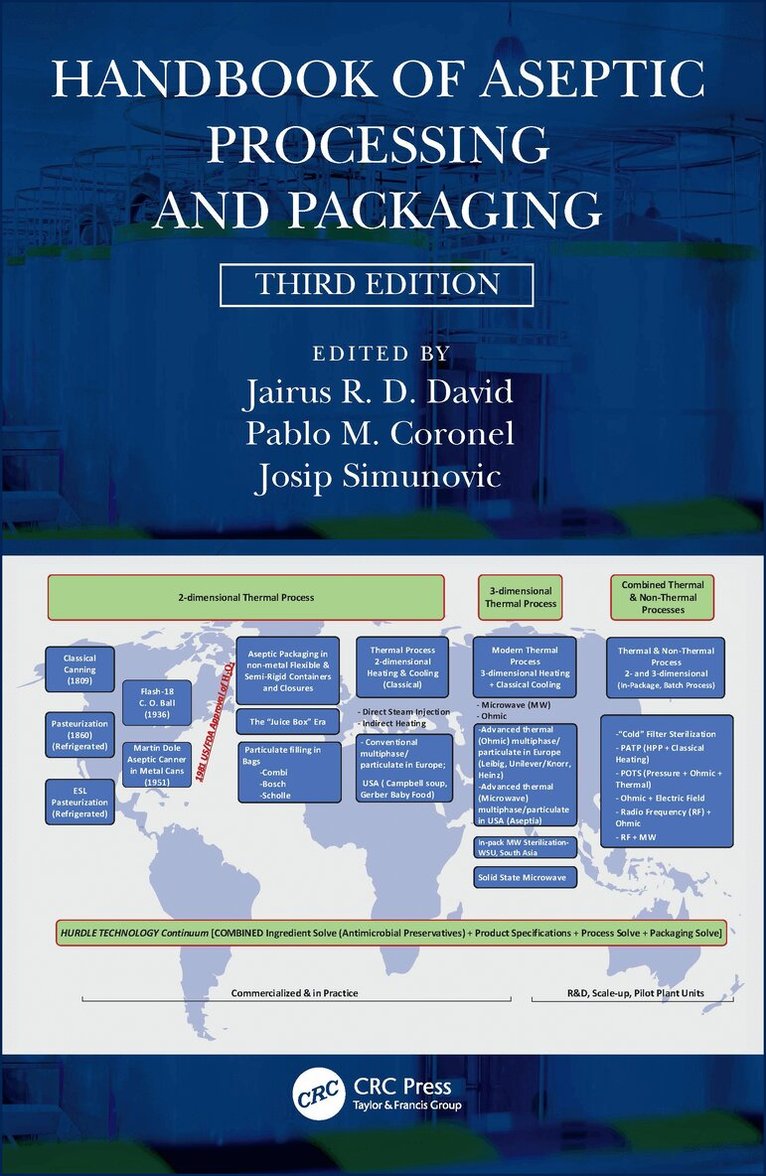
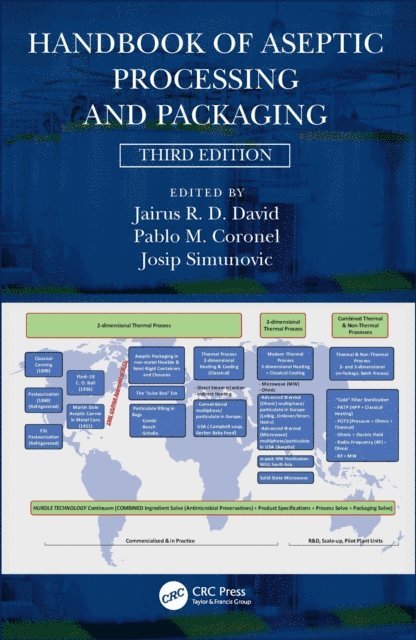
Nine years have passed since the second edition of the Handbook of Aseptic Processing and Packaging was published. Significant changes have taken place in several aseptic processing and packaging areas. These include aseptic filling of plant-based beverages for non-refrigerated shelf-stable formats for longer shelf life and sustainable packaging along with cost of environmental benefits to leverage savings on energy and carbon footprint. In addition, insight into safe processing of particulates using two- and three-dimensional thermal processing followed by prompt cooling is provided.In the third edition, the editors have compiled contemporary topics with information synthesized from internationally recognized authorities in their fields. In addition to updated information, 12 new chapters have been added in this latest release with content onDesign of the aseptic processing system and thermal processingThermal process equipment and technology for heating and coolingFlow and residence time distribution (RTD) for homogeneous and heterogeneous fluidsThermal process and optimization of aseptic processing containing solid particulatesAseptic filling and packaging equipment for retail products and food serviceDesign of facility, infrastructure, and utilitiesCleaning and sanitization for aseptic processing and packaging operationsMicrobiology of aseptically processed and packaged productsRisk-based analyses and methodologiesEstablishment of "validated state" for aseptic processing and packaging systemsQuality and food safety management systems for aseptic and extended shelf life (ESL) manufacturingComputational and numerical models and simulations for aseptic processingAlso, there are seven new appendices on original patents, examples of typical thermal process calculations, and particulate studies—single particle and multiple-type particles, and Food and Drug Administration (FDA) filingThe three editors and 22 contributors to this volume have more than 250 years of combined experience encompassing manufacturing, innovation in processing and packaging, R&D, quality assurance, and compliance. Their insight provides a comprehensive update on this rapidly developing leading-edge technology for the food processing industry.The future of aseptic processing and packaging of foods and beverages will be driven by customer-facing convenience and taste, use of current and new premium clean label natural ingredients, use of multifactorial preservation or hurdle technology for maximizing product quality, and sustainable packaging with claims and messaging.
1 080 kr
Skickas inom 10-15 vardagar
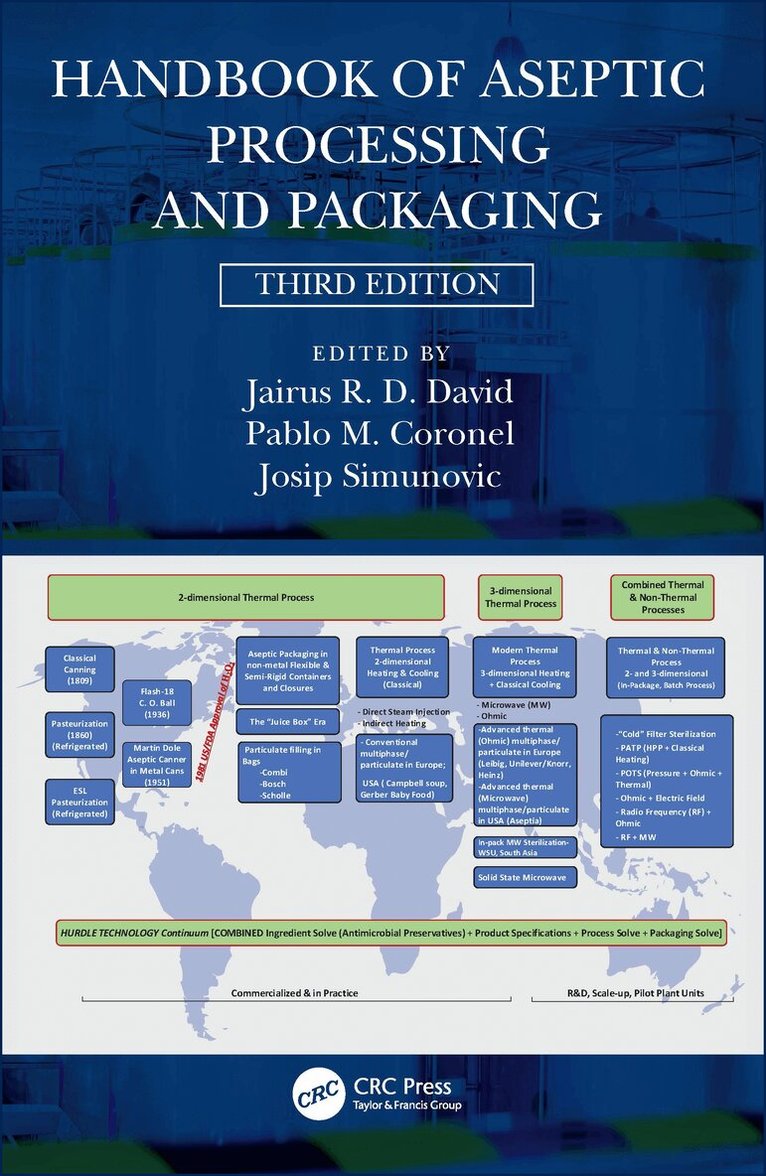
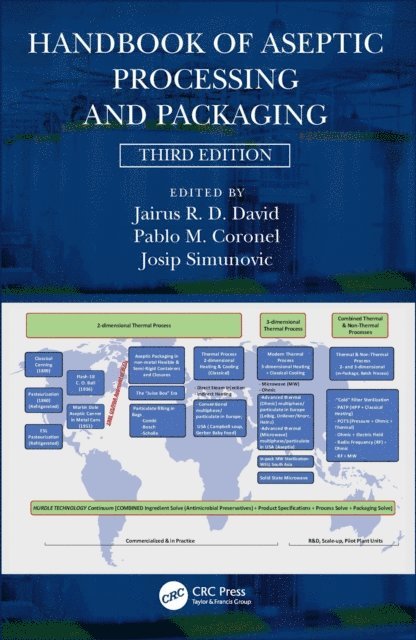
Nine years have passed since the second edition of the Handbook of Aseptic Processing and Packaging was published. Significant changes have taken place in several aseptic processing and packaging areas. These include aseptic filling of plant-based beverages for non-refrigerated shelf-stable formats for longer shelf life and sustainable packaging along with cost of environmental benefits to leverage savings on energy and carbon footprint. In addition, insight into safe processing of particulates using two- and three-dimensional thermal processing followed by prompt cooling is provided.In the third edition, the editors have compiled contemporary topics with information synthesized from internationally recognized authorities in their fields. In addition to updated information, 12 new chapters have been added in this latest release with content onDesign of the aseptic processing system and thermal processingThermal process equipment and technology for heating and coolingFlow and residence time distribution (RTD) for homogeneous and heterogeneous fluidsThermal process and optimization of aseptic processing containing solid particulatesAseptic filling and packaging equipment for retail products and food serviceDesign of facility, infrastructure, and utilitiesCleaning and sanitization for aseptic processing and packaging operationsMicrobiology of aseptically processed and packaged productsRisk-based analyses and methodologiesEstablishment of "validated state" for aseptic processing and packaging systemsQuality and food safety management systems for aseptic and extended shelf life (ESL) manufacturingComputational and numerical models and simulations for aseptic processingAlso, there are seven new appendices on original patents, examples of typical thermal process calculations, and particulate studies—single particle and multiple-type particles, and Food and Drug Administration (FDA) filingThe three editors and 22 contributors to this volume have more than 250 years of combined experience encompassing manufacturing, innovation in processing and packaging, R&D, quality assurance, and compliance. Their insight provides a comprehensive update on this rapidly developing leading-edge technology for the food processing industry.The future of aseptic processing and packaging of foods and beverages will be driven by customer-facing convenience and taste, use of current and new premium clean label natural ingredients, use of multifactorial preservation or hurdle technology for maximizing product quality, and sustainable packaging with claims and messaging.