Jala Makhzoumi - Böcker
Visar alla böcker från författaren Jala Makhzoumi. Handla med fri frakt och snabb leverans.
5 produkter
5 produkter
1 685 kr
Skickas inom 10-15 vardagar
Based on both research and practical experience,Ecological Landscape Design and Planning offers a holistic methodological approach to landscape design and planning. It focuses on the scarcity of natural resources in the Mediterranean and the need to aim for long-term ecological stability and environmental sustainability. The principles of this approach, therefore, can be used as a theoretical foundation for holistic landscape research, creative ecological design and better sustainable practice development.
2 150 kr
Skickas inom 10-15 vardagar
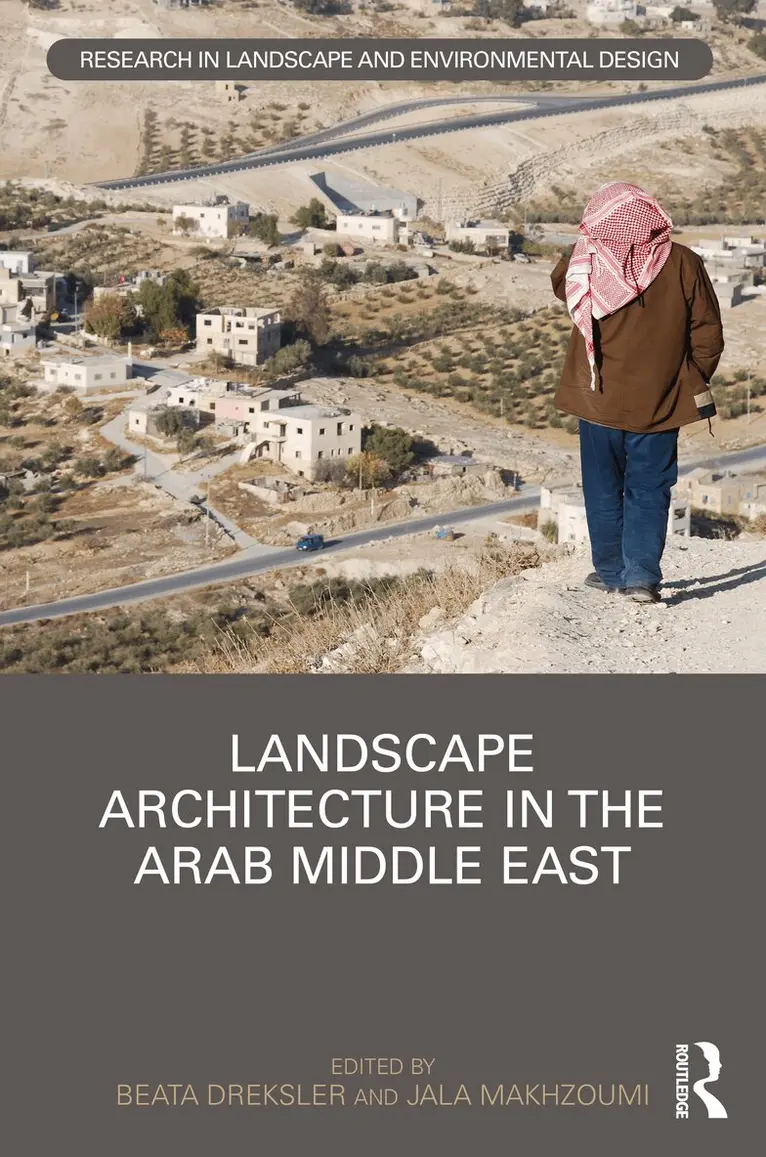
This book explores the challenges facing landscape architecture in the Middle East. It supports the idea that landscape is a multifaceted idea, and examines landscapes architecture as an emerging profession in the region. The book also responds to the limitations of faulty translations of the English ‘landscape’ that, in turn, limit the professional potential in the region.The authors of the book see landscape as a way of beholding the world that is informed by place and culture. And because landscape is context specific, a landscape framing contextualizes a problem, be it community development, tourism, or nature conservation, to foster place and culture responsive perspectives. The nine chapters are grouped under four broad themes that reflect the multifaceted, ‘expansive’ framing that embraces landscape, natural and cultural heritage, people and livelihoods, and landscape and human rights.The authors recognize that a landscape framing is not the exclusive domain of landscape architecture, but can be applied by architects, planners, and environmentalists. The ideas advanced and issues discussed will be of interest to researchers, students, and practitioners in landscape architecture, architecture, planning, and urban design, as well as social and environmental scientists.
2 557 kr
Skickas inom 10-15 vardagar
Based on both research and practical experience,Ecological Landscape Design and Planning offers a holistic methodological approach to landscape design and planning. It focuses on the scarcity of natural resources in the Mediterranean and the need to aim for long-term ecological stability and environmental sustainability. The principles of this approach, therefore, can be used as a theoretical foundation for holistic landscape research, creative ecological design and better sustainable practice development.
752 kr
Skickas inom 10-15 vardagar
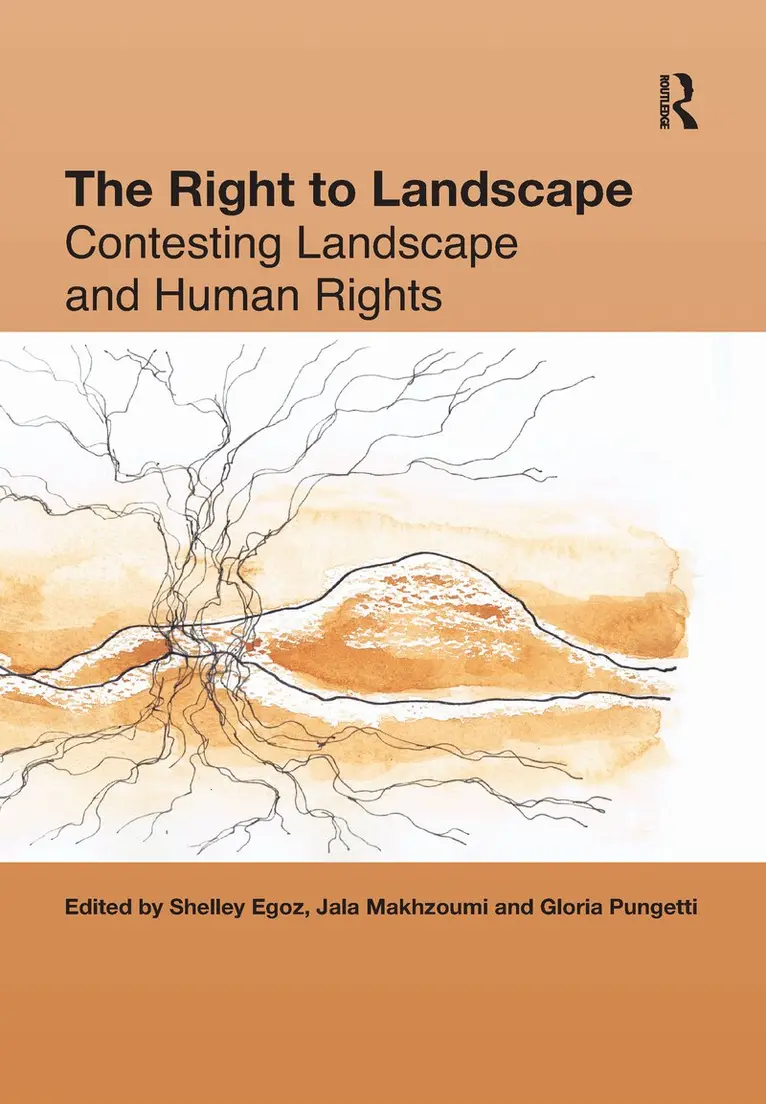
Associating social justice with landscape is not new, yet the twenty-first century's heightened threats to landscape and their impact on both human and, more generally, nature's habitats necessitate novel intellectual tools to address such challenges. This book offers that innovative critical thinking framework. The establishment of the Universal Declaration of Human Rights (UDHR) in 1948, in the aftermath of Second World War atrocities, was an aspiration to guarantee both concrete necessities for survival and the spiritual/emotional/psychological needs that are quintessential to the human experience. While landscape is place, nature and culture specific, the idea transcends nation-state boundaries and as such can be understood as a universal theoretical concept similar to the way in which human rights are perceived. The first step towards the intellectual interface between landscape and human rights is a dynamic and layered understanding of landscape. Accordingly, the 'Right to Landscape' is conceived as the place where the expansive definition of landscape, with its tangible and intangible dimensions, overlaps with the rights that support both life and human dignity, as defined by the UDHR. By expanding on the concept of human rights in the context of landscape this book presents a new model for addressing human rights - alternative scenarios for constructing conflict-reduced approaches to landscape-use and human welfare are generated. This book introduces a rich new discourse on landscape and human rights, serving as a platform to inspire a diversity of ideas and conceptual interpretations. The case studies discussed are wide in their geographical distribution and interdisciplinary in the theoretical situation of their authors, breaking fresh ground for an emerging critical dialogue on the convergence of landscape and human rights.
2 289 kr
Skickas inom 10-15 vardagar
Associating social justice with landscape is not new, yet the twenty-first century's heightened threats to landscape and their impact on both human and, more generally, nature's habitats necessitate novel intellectual tools to address such challenges. This book offers that innovative critical thinking framework. The establishment of the Universal Declaration of Human Rights (UDHR) in 1948, in the aftermath of Second World War atrocities, was an aspiration to guarantee both concrete necessities for survival and the spiritual/emotional/psychological needs that are quintessential to the human experience. While landscape is place, nature and culture specific, the idea transcends nation-state boundaries and as such can be understood as a universal theoretical concept similar to the way in which human rights are perceived. The first step towards the intellectual interface between landscape and human rights is a dynamic and layered understanding of landscape. Accordingly, the 'Right to Landscape' is conceived as the place where the expansive definition of landscape, with its tangible and intangible dimensions, overlaps with the rights that support both life and human dignity, as defined by the UDHR. By expanding on the concept of human rights in the context of landscape this book presents a new model for addressing human rights - alternative scenarios for constructing conflict-reduced approaches to landscape-use and human welfare are generated. This book introduces a rich new discourse on landscape and human rights, serving as a platform to inspire a diversity of ideas and conceptual interpretations. The case studies discussed are wide in their geographical distribution and interdisciplinary in the theoretical situation of their authors, breaking fresh ground for an emerging critical dialogue on the convergence of landscape and human rights.