James A. Meurs – författare
Visar alla böcker från författaren James A. Meurs. Handla med fri frakt och snabb leverans.
20 produkter
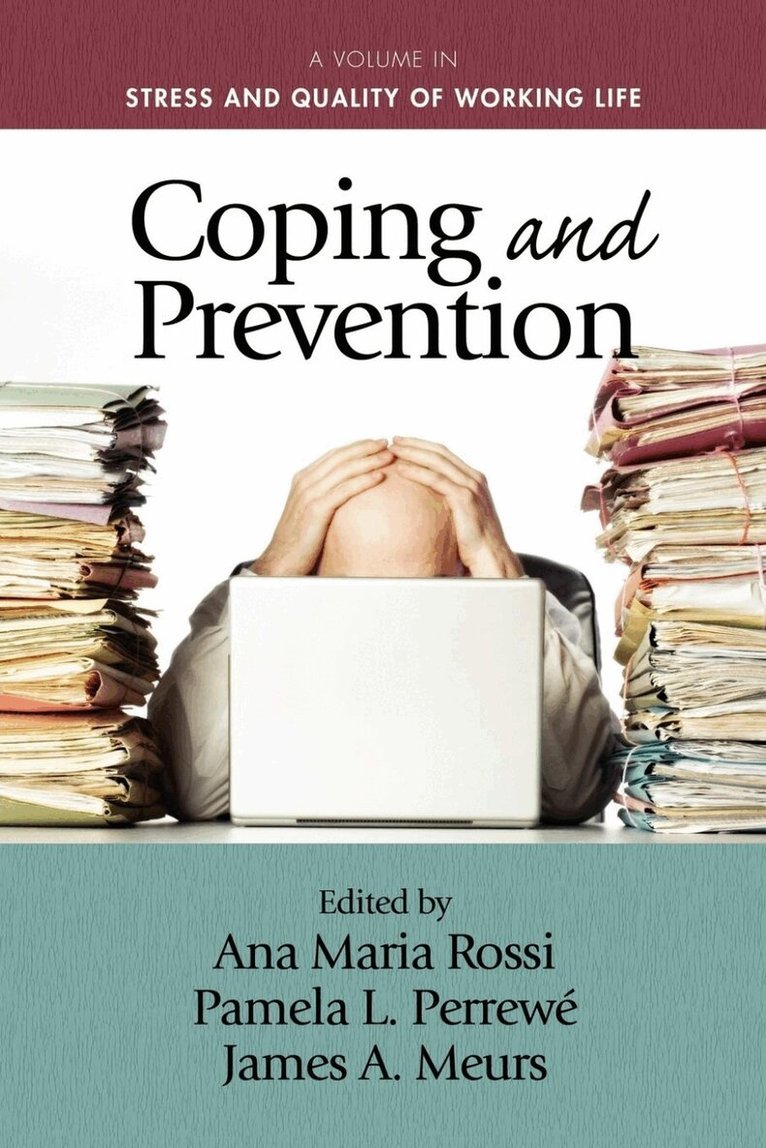
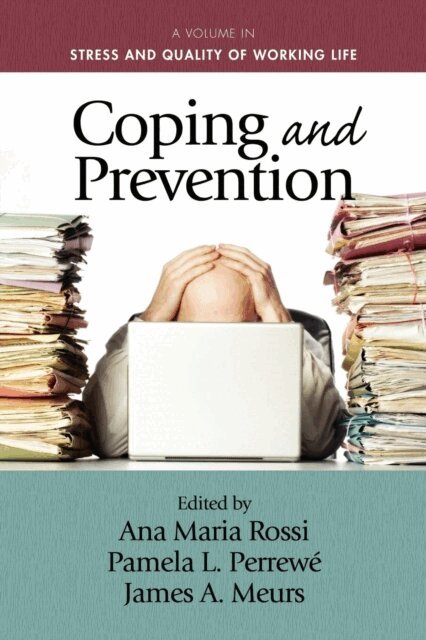
Coping and Prevention
Av Ana Maria Rossi, Pamela L. Perrewé m. fl.
Häftad, 2012
617 kr
Lägg i varukorg
Continuous activity and high job demands surround corporate environments. These demands are considered to be key triggers for workers’ stress-related symptoms and poor health. It has been estimated by the American Institute of Stress (AIS) that US$ 300 billion/year are spent on conditions related …
Coping and Prevention
Av Ana Maria Rossi, Pamela L. Perrewé m. fl.
Inbunden, 2012
1091 kr
Lägg i varukorg
Continuous activity and high job demands surround corporate environments. These demands are considered to be key triggers for workers’ stress-related symptoms and poor health. It has been estimated by the American Institute of Stress (AIS) that US$ 300 billion/year are spent on conditions related …
Coping and Prevention
Av James A. Meurs, Pamela L. Perrewe m. fl.
E-bok, 2012
446 kr
Lägg i varukorg
Continuous activity and high job demands surround corporate environments. These demands are considered to be key triggers for workers’ stress-related symptoms and poor health. It has been estimated by the American Institute of Stress (AIS) that US$ 300 billion/year are spent on conditions related …
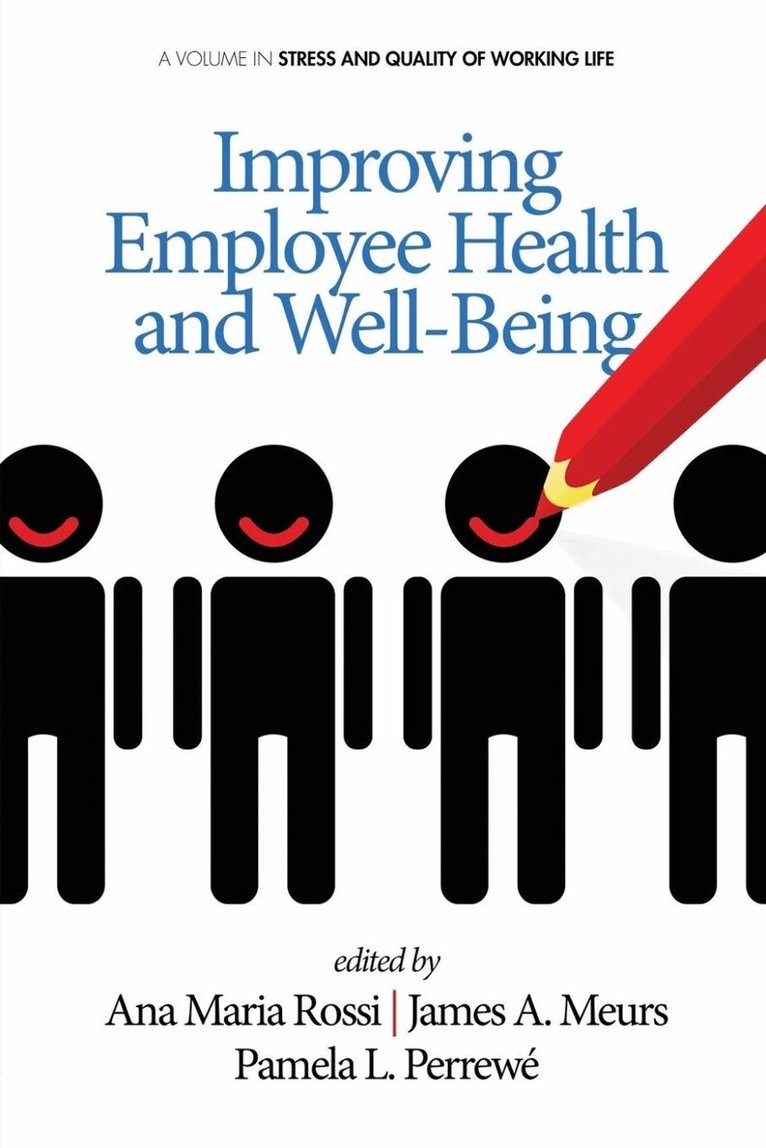
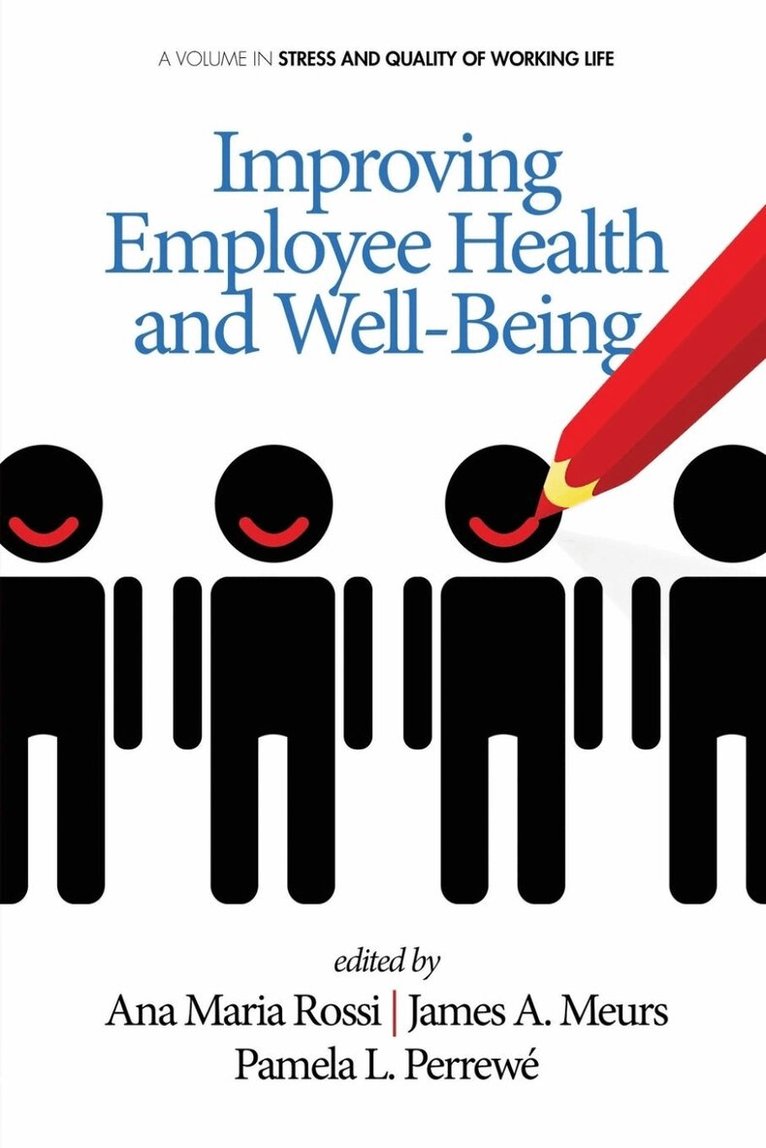
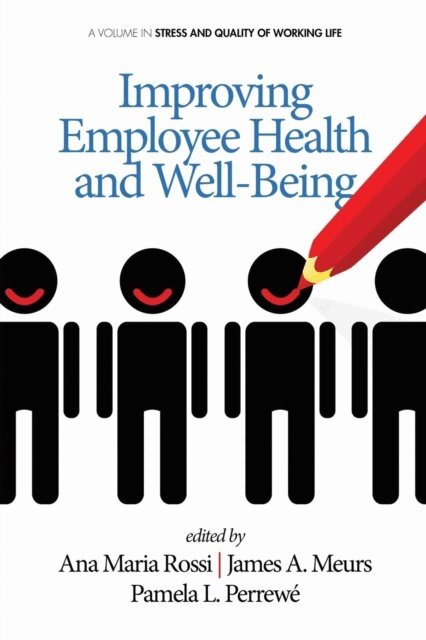
Improving Employee Health and Well Being
Av Ana Maria Rossi, James A. Meurs m. fl.
Häftad, 2013
582 kr
Lägg i varukorg
It is widely recognized that healthy employees are happier and more productive at work. Experiencing stress at work decreases employee’s health and affects their well-being. The American Institute of Stress (AIS) estimated that US$ 300 billion/year are spent on conditions related elevated stress …
Improving Employee Health and Well Being
Av Ana Maria Rossi, James A. Meurs m. fl.
Inbunden, 2013
1085 kr
Lägg i varukorg
It is widely recognized that healthy employees are happier and more productive at work. Experiencing stress at work decreases employee’s health and affects their well-being. The American Institute of Stress (AIS) estimated that US$ 300 billion/year are spent on conditions related elevated stress …
Improving Employee Health and Well Being
Av Pamela L. Perrewe, James A. Meurs m. fl.
E-bok, 2013
420 kr
Lägg i varukorg
It is widely recognized that healthy employees are happier and more productive at work. Experiencing stress at work decreases employee’s health and affects their well-being. The American Institute of Stress (AIS) estimated that US$ 300 billion/year are spent on conditions related elevated stress …
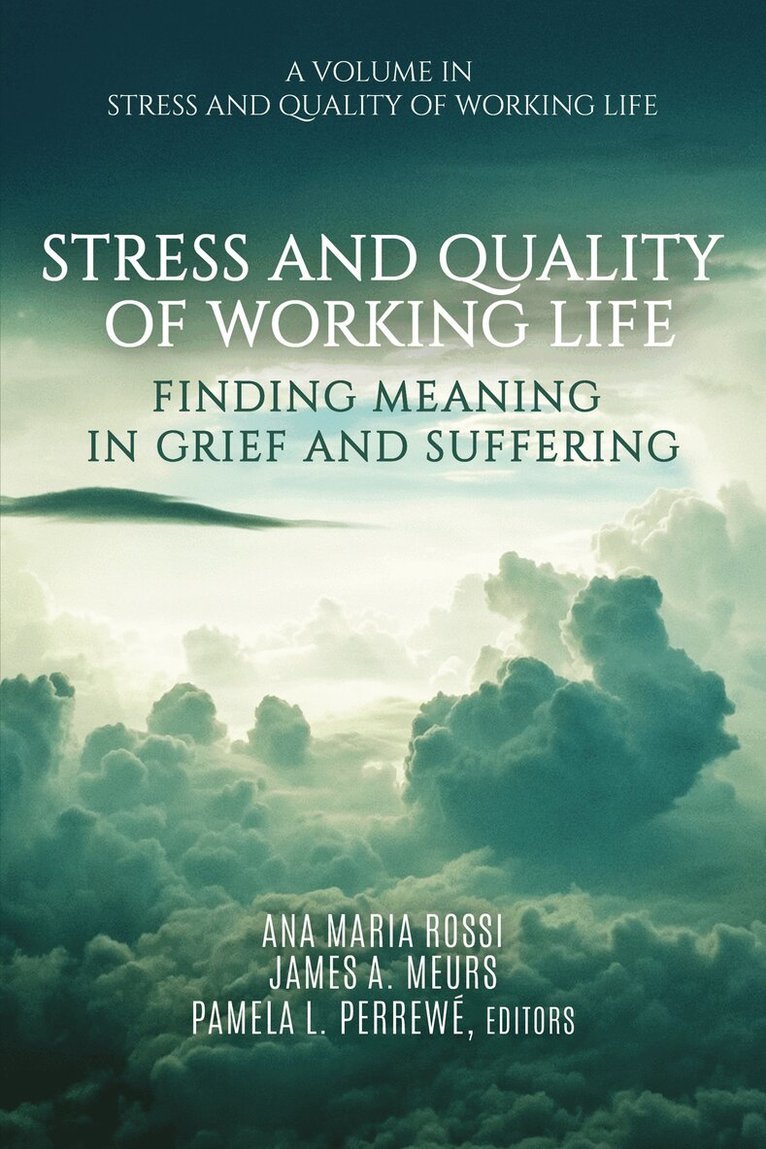
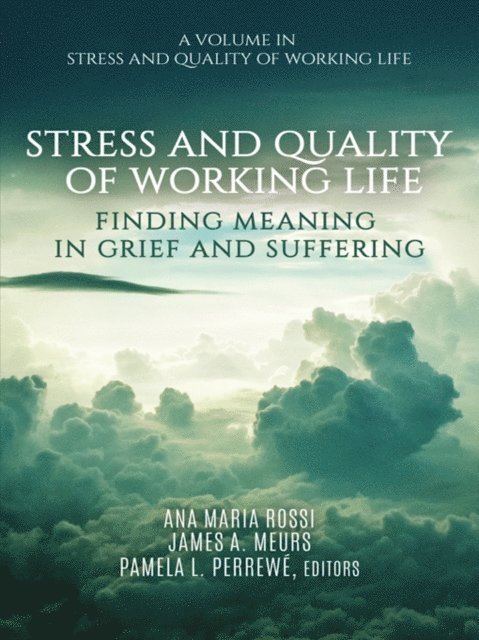
Stress and Quality of Working Life
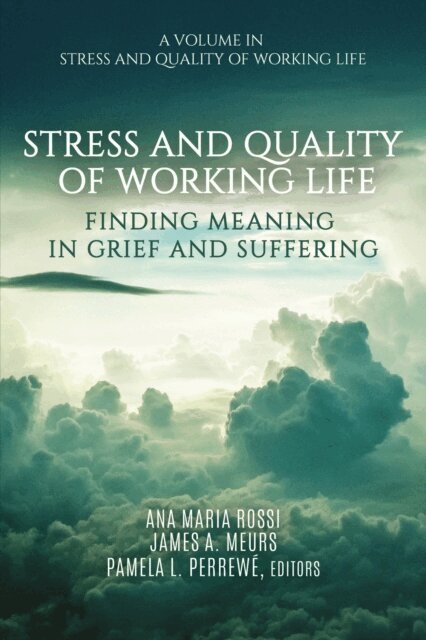
Finding Meaning in Grief and Suffering
Av Ana Maria Rossi, James A. Meurs m. fl.
Häftad, 2020
654 kr
Lägg i varukorg
According to the American Institute of Stress (AIS), job stress is far and away the primary source of stress for American adults. The relationship between job stress and heart attacks, hypertension, and other disorders is well understood. Further, the cost of job stress in the United States is …
Stress and Quality of Working Life
Finding Meaning in Grief and Suffering
Av Ana Maria Rossi, James A. Meurs m. fl.
Inbunden, 2020
1157 kr
Lägg i varukorg
According to the American Institute of Stress (AIS), job stress is far and away the primary source of stress for American adults. The relationship between job stress and heart attacks, hypertension, and other disorders is well understood. Further, the cost of job stress in the United States is …
Stress and Quality of Working Life
Finding Meaning in Grief and Suffering
Av Pamela L. Perrewe, James A. Meurs m. fl.
E-bok, 2020
601 kr
Lägg i varukorg
According to the American Institute of Stress (AIS), job stress is far and away the primary source of stress for American adults. The relationship between job stress and heart attacks, hypertension, and other disorders is well understood. Further, the cost of job stress in the United States is …
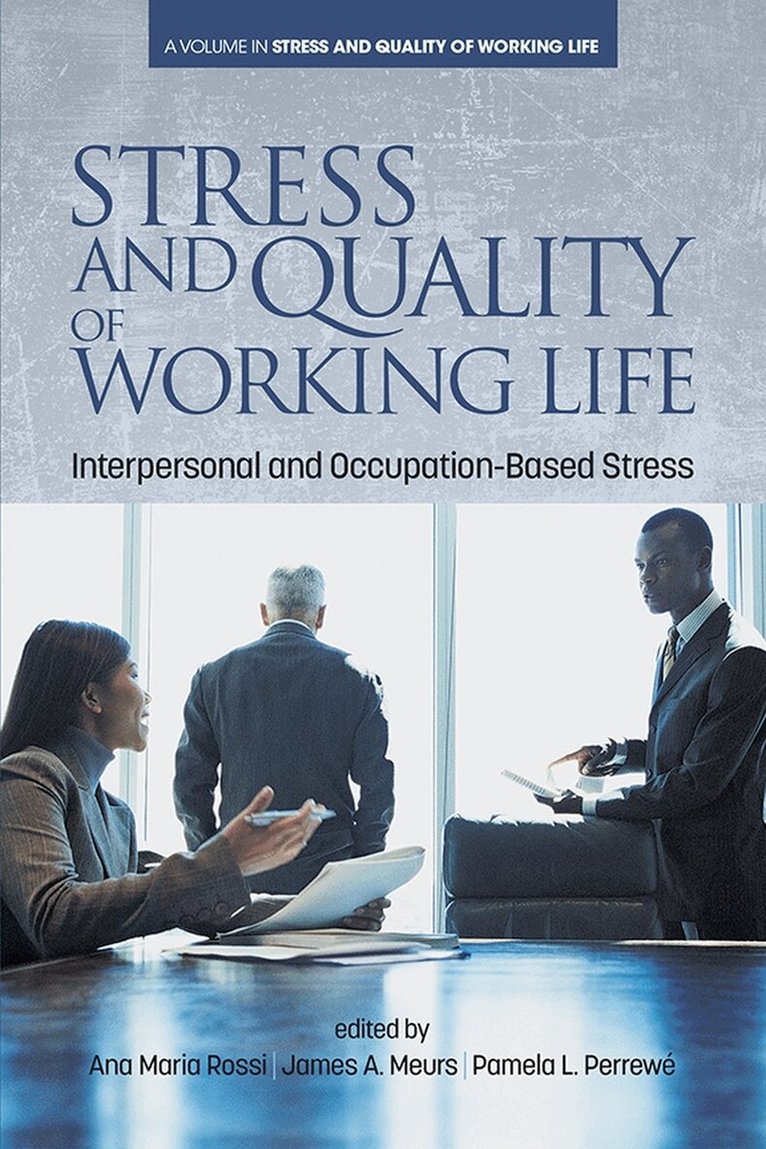
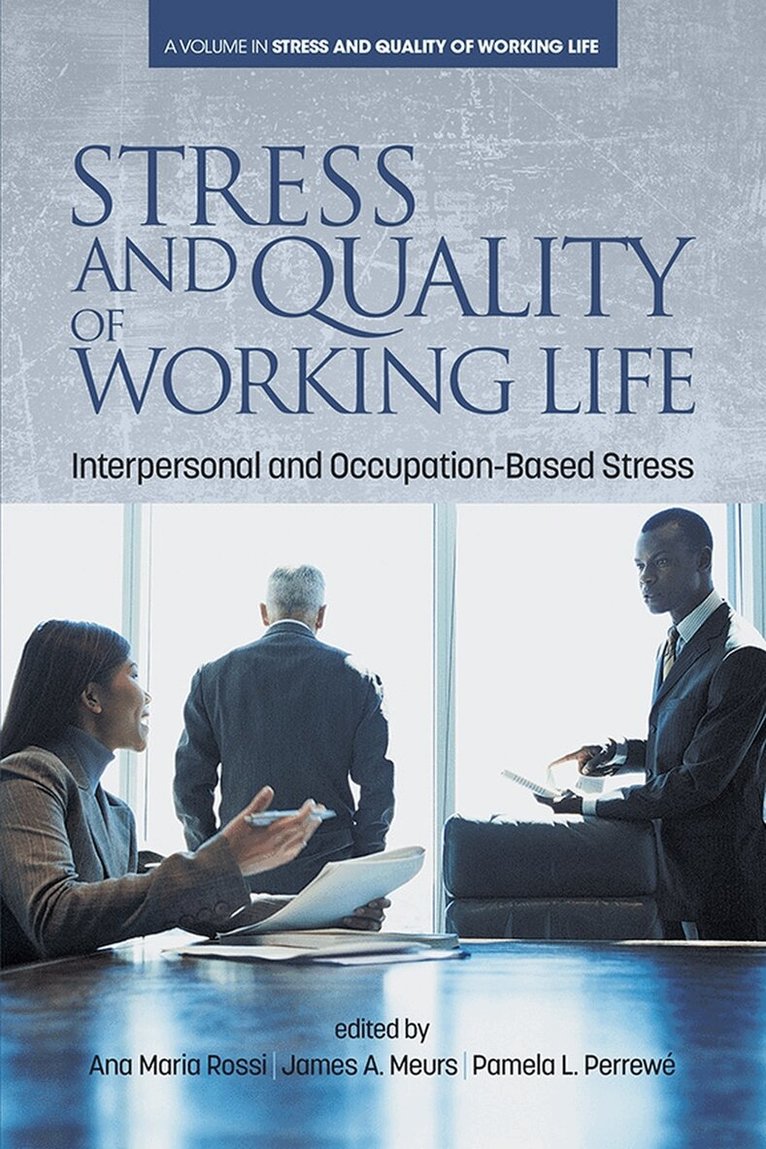
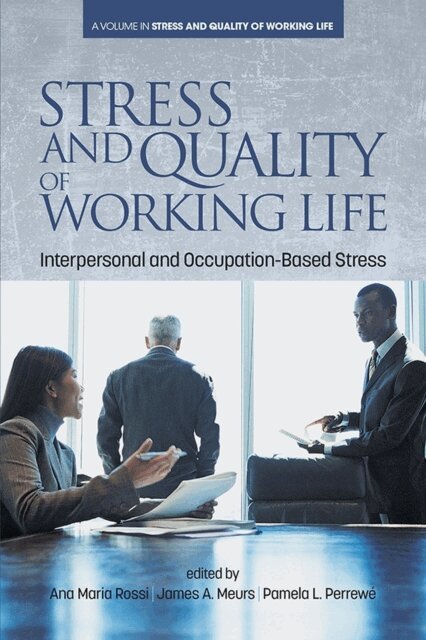
Stress and Quality of Working Life
Interpersonal and Occupation-Based Stress
Av Ana Maria Rossi, James A. Meurs m. fl.
Häftad, 2015
582 kr
Lägg i varukorg
It is an unfortunate reality that many employees experience elevated levels of stress at work. Feeling stressed has impacts beyond mere emotions. For example, a survey of European Union member states found that 28% of employees reported stress-related illness or health issues, and studies in the …
Stress and Quality of Working Life
Interpersonal and Occupation-Based Stress
Av Ana Maria Rossi, James A. Meurs m. fl.
Inbunden, 2015
1085 kr
Lägg i varukorg
It is an unfortunate reality that many employees experience elevated levels of stress at work. Feeling stressed has impacts beyond mere emotions. For example, a survey of European Union member states found that 28% of employees reported stress-related illness or health issues, and studies in the …
Stress and Quality of Working Life
Interpersonal and Occupation-Based Stress
Av Pamela L. Perrewe, James A. Meurs m. fl.
E-bok, 2015
420 kr
Lägg i varukorg
It is an unfortunate reality that many employees experience elevated levels of stress at work. Feeling stressed has impacts beyond mere emotions. For example, a survey of European Union member states found that 28% of employees reported stress-related illness or health issues, and studies in the …
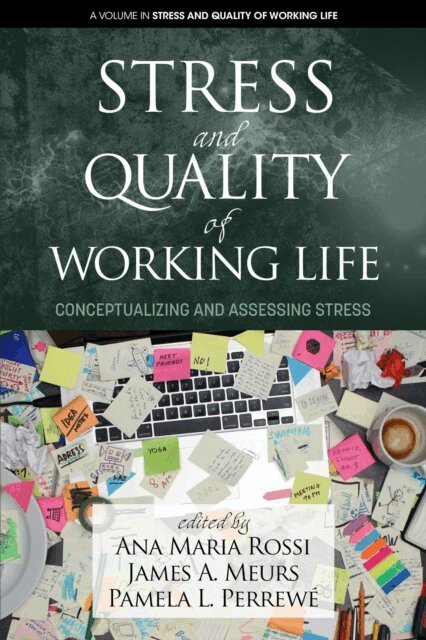
Stress and Quality of Working Life
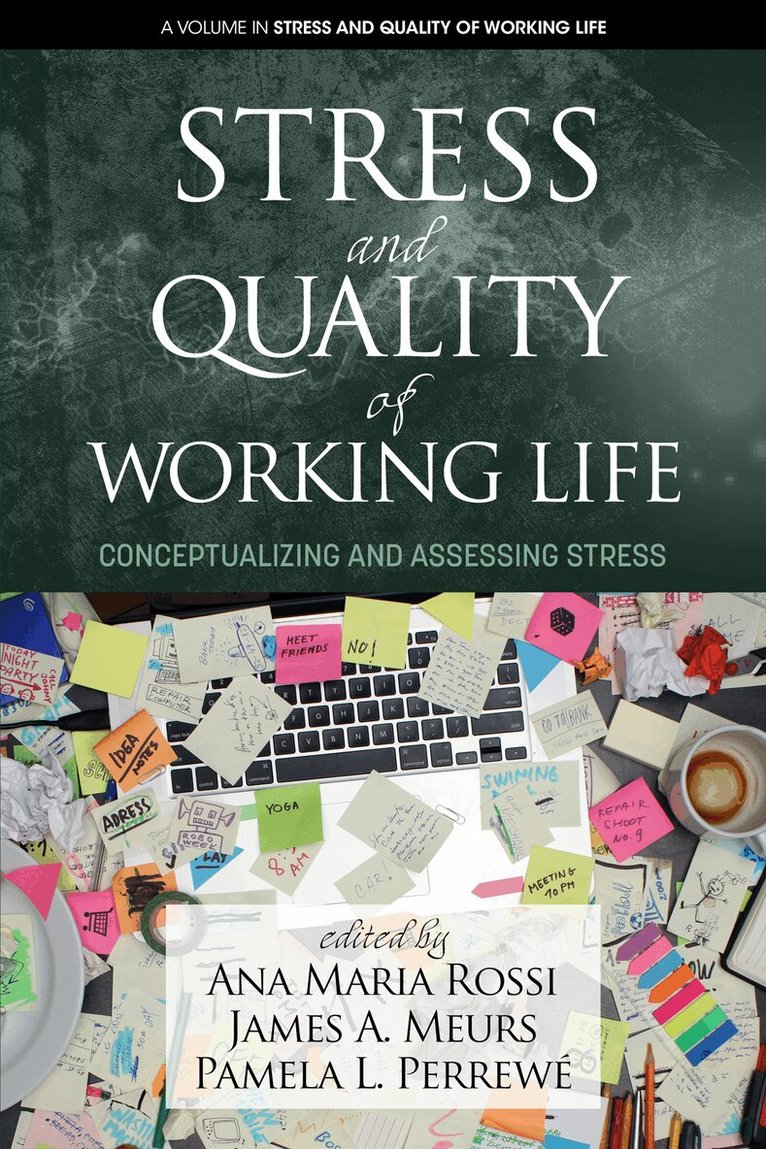
Conceptualizing and Assessing Stress
Av Ana Maria Rossi, James A. Meurs m. fl.
Häftad, 2017
582 kr
Lägg i varukorg
Work-related stress is costly not only to employees, but also to organizations and society. For example, it is estimated that work-related stress, depression, and anxiety costs British employers £1,035 per employee and that workplace stress costs the US economy up to $300 billion annually. However, …
Stress and Quality of Working Life
Conceptualizing and Assessing Stress
Av Ana Maria Rossi, James A. Meurs m. fl.
Inbunden, 2017
1085 kr
Lägg i varukorg
Work-related stress is costly not only to employees, but also to organizations and society. For example, it is estimated that work-related stress, depression, and anxiety costs British employers £1,035 per employee and that workplace stress costs the US economy up to $300 billion annually. However, …
Stress and Quality of Working Life
Conceptualizing and Assessing Stress
Av Ana Maria Rossi, Pamela L. Perrewe m. fl.
E-bok, 2017
420 kr
Lägg i varukorg
Work-related stress is costly not only to employees, but also to organizations and society. For example, it is estimated that work-related stress, depression, and anxiety costs British employers £1,035 per employee and that workplace stress costs the US economy up to $300 billion annually. However, …
Stress and Quality of Working Life
Finding Meaning in Grief and Suffering
Av Pamela L. Perrewe, James A. Meurs m. fl.
E-bok, 2020
693 kr
Lägg i varukorg
According to the American Institute of Stress (AIS), job stress is far and away the primary source of stress for American adults. The relationship between job stress and heart attacks, hypertension, and other disorders is well understood. Further, the cost of job stress in the United States is …
Stress and Quality of Working Life
Conceptualizing and Assessing Stress
Av Ana Maria Rossi, Pamela L. Perrewe m. fl.
E-bok, 2017
616 kr
Lägg i varukorg
Work-related stress is costly not only to employees, but also to organizations and society. For example, it is estimated that work-related stress, depression, and anxiety costs British employers GBP1,035 per employee and that workplace stress costs the US economy up to $300 billion annually. …
Stress and Quality of Working Life
Interpersonal and Occupation-Based Stress
Av Pamela L. Perrewe, James A. Meurs m. fl.
E-bok, 2015
616 kr
Lägg i varukorg
It is an unfortunate reality that many employees experience elevated levels of stress at work. Feeling stressed has impacts beyond mere emotions. For example, a survey of European Union member states found that 28% of employees reported stress-related illness or health issues, and studies in the …
Improving Employee Health and Well Being
Av Pamela L. Perrewe, James A. Meurs m. fl.
E-bok, 2013
630 kr
Lägg i varukorg
It is widely recognized that healthy employees are happier and more productive at work. Experiencing stress at work decreases employee's health and affects their well-being. The American Institute of Stress (AIS) estimated that US$ 300 billion/year are spent on conditions related elevated stress …
Coping and Prevention
Av James A. Meurs, Pamela L. Perrewe m. fl.
E-bok, 2012
654 kr
Lägg i varukorg
Continuous activity and high job demands surround corporate environments. These demands are considered to be key triggers for workers' stress-related symptoms and poor health. It has been estimated by the American Institute of Stress (AIS) that US$ 300 billion/year are spent on conditions related …