James B. Campbell - Böcker
Visar alla böcker från författaren James B. Campbell. Handla med fri frakt och snabb leverans.
3 produkter
3 produkter
1 301 kr
Skickas inom 10-15 vardagar
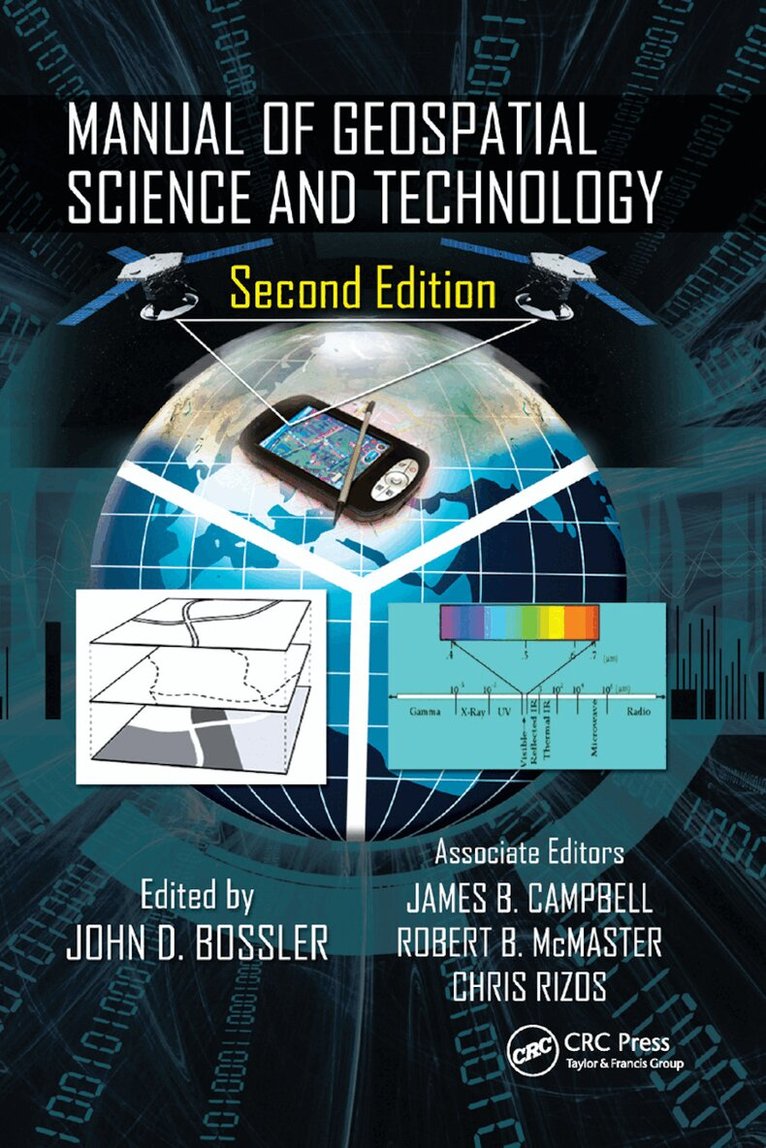
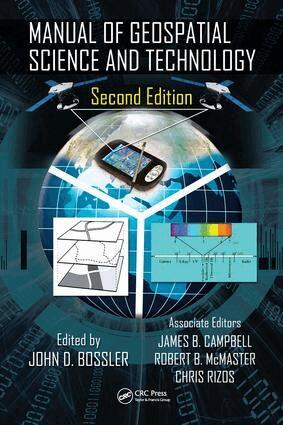
Following in the tradition of its popular predecessor, the Manual of Geospatial Science and Technology, Second Edition continues to be the authoritative volume that covers all aspects of the field, both basic and applied, and includes a focus on initiating, planning, and managing GIS projects. This comprehensive resource, which contains contributions from 53 leading experts and professors in the areas of GIS, GPS, and remote sensing, reflects the very latest advances in the technology, applications, and usage of the geospatial sciences in many key disciplines, from natural resource analysis to transportation planning.Significantly updated and expanded, this reader-friendly manual introduces the fundamentals in mathematics and physics needed to perform area-wide mapping, inventory, data conversion, and analysis. The text maintains a focus on the practical aspects of these technologies and remains the only resource to cover the areas of GIS, GPS, and remote sensing with such breadth and clarity. An expanded index, new and revised figures, a color insert, and an easier to read format are among the many improvements to this edition. New to the Second Edition: Revised chapters reflecting the changes that have occurred in the technology, applications, and usage of geospacial scienceCoverage of GIS applications in automobile navigation and enterprise-wide applicationsA new chapter devoted to basic statistics and least squares solutionsExpanded international scope that addresses the other Global Navigation Satellite Systems (GNSS), including the Russian Federation system (GLONASS), the Chinese system (COMPASS), and the European space agency system (GALILEO)A new chapter covering Light Detection and Ranging (LiDAR)A new chapter that addresses privacy issues, legal concerns, and the emerging field of public participation GIS (PPGI
3 663 kr
Skickas inom 7-10 vardagar
Following in the tradition of its popular predecessor, the Manual of Geospatial Science and Technology, Second Edition continues to be the authoritative volume that covers all aspects of the field, both basic and applied, and includes a focus on initiating, planning, and managing GIS projects. This comprehensive resource, which contains contributions from 53 leading experts and professors in the areas of GIS, GPS, and remote sensing, reflects the very latest advances in the technology, applications, and usage of the geospatial sciences in many key disciplines, from natural resource analysis to transportation planning.Significantly updated and expanded, this reader-friendly manual introduces the fundamentals in mathematics and physics needed to perform area-wide mapping, inventory, data conversion, and analysis. The text maintains a focus on the practical aspects of these technologies and remains the only resource to cover the areas of GIS, GPS, and remote sensing with such breadth and clarity. An expanded index, new and revised figures, a color insert, and an easier to read format are among the many improvements to this edition. New to the Second Edition: Revised chapters reflecting the changes that have occurred in the technology, applications, and usage of geospacial scienceCoverage of GIS applications in automobile navigation and enterprise-wide applicationsA new chapter devoted to basic statistics and least squares solutionsExpanded international scope that addresses the other Global Navigation Satellite Systems (GNSS), including the Russian Federation system (GLONASS), the Chinese system (COMPASS), and the European space agency system (GALILEO)A new chapter covering Light Detection and Ranging (LiDAR)A new chapter that addresses privacy issues, legal concerns, and the emerging field of public participation GIS (PPGIS)New material on the expanding field of geovisualizationThe text presents many real-world applications, including road map navigation using GPS, as well as problems associated with mapping, inventory of land parcels, and data analysis. Complete with helpful references, decision making tools, and many new case studies, this time-saving resource provides the practical understanding required to harness the potential of these dynamic technologies.
1 221 kr
Skickas inom 7-10 vardagar
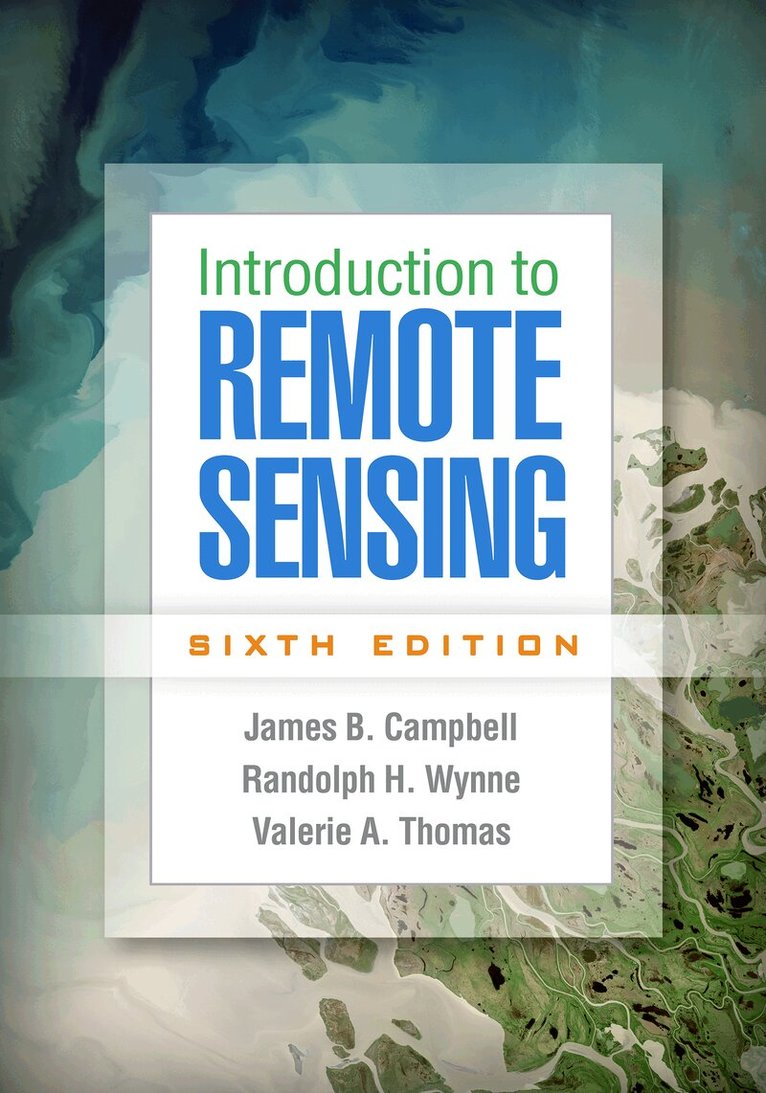
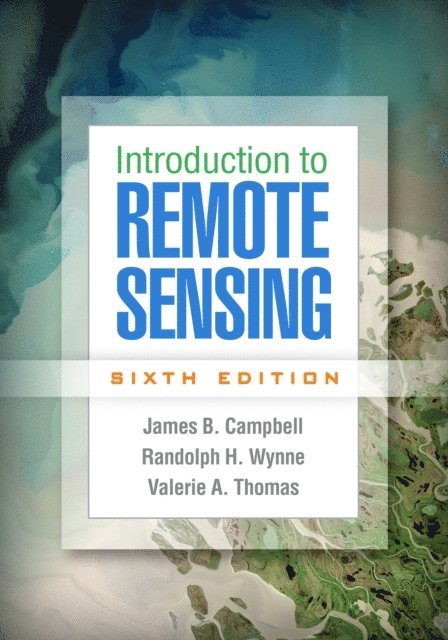
Now in full color, the sixth edition of this leading text features new chapters on remote sensing platforms (including the latest satellite and unmanned aerial systems), agriculture (including agricultural analysis via satellite imagery), and forestry (including fuel type mapping and fire monitoring). The book has introduced tens of thousands of students to the fundamentals of collecting, analyzing, and interpreting remotely sensed images. It presents cutting-edge tools and practical applications to land and water use analysis, natural resource management, climate change adaptation, and more. Each concise chapter is designed as an independent unit that instructors can use in any sequence. Pedagogical features include over 400 figures, chapter-opening lists of topics, case studies, end-of-chapter review questions, and links to recommended online videos and tutorials.New to This EditionDiscussions of Landsat 8 and Sentinel-2; the growth of unmanned aerial systems; mobile data collection; current directions in climate change detection, fire monitoring, and disaster response; and other timely topics. Additional cases, such as river erosion; the impact of Hurricane Sandy on Mantoloking, New Jersey; and Miami Beach as an exemplar of challenges in coastal communities. Revised throughout with 60% new material, including hundreds of new full-color figures. New chapters on remote sensing platforms, agriculture, and forestry.