Inbunden, Engelska, 2025
234 kr
Skickas inom 5-8 vardagar
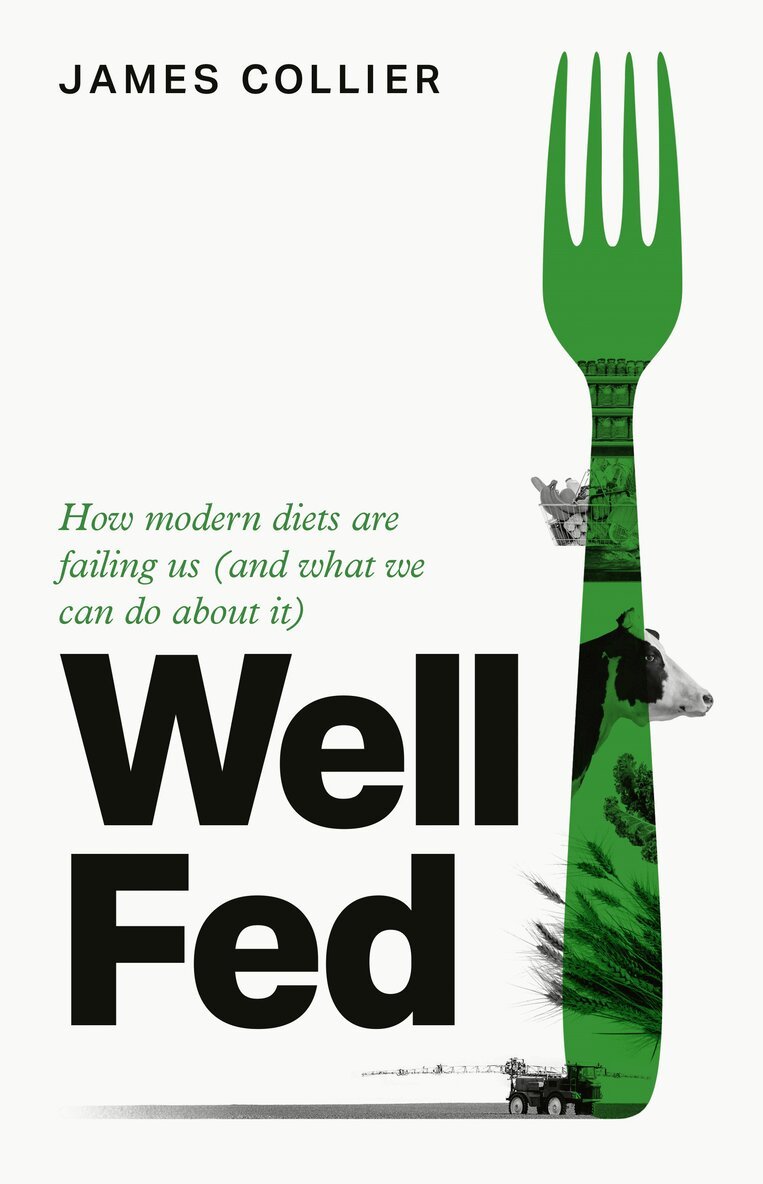
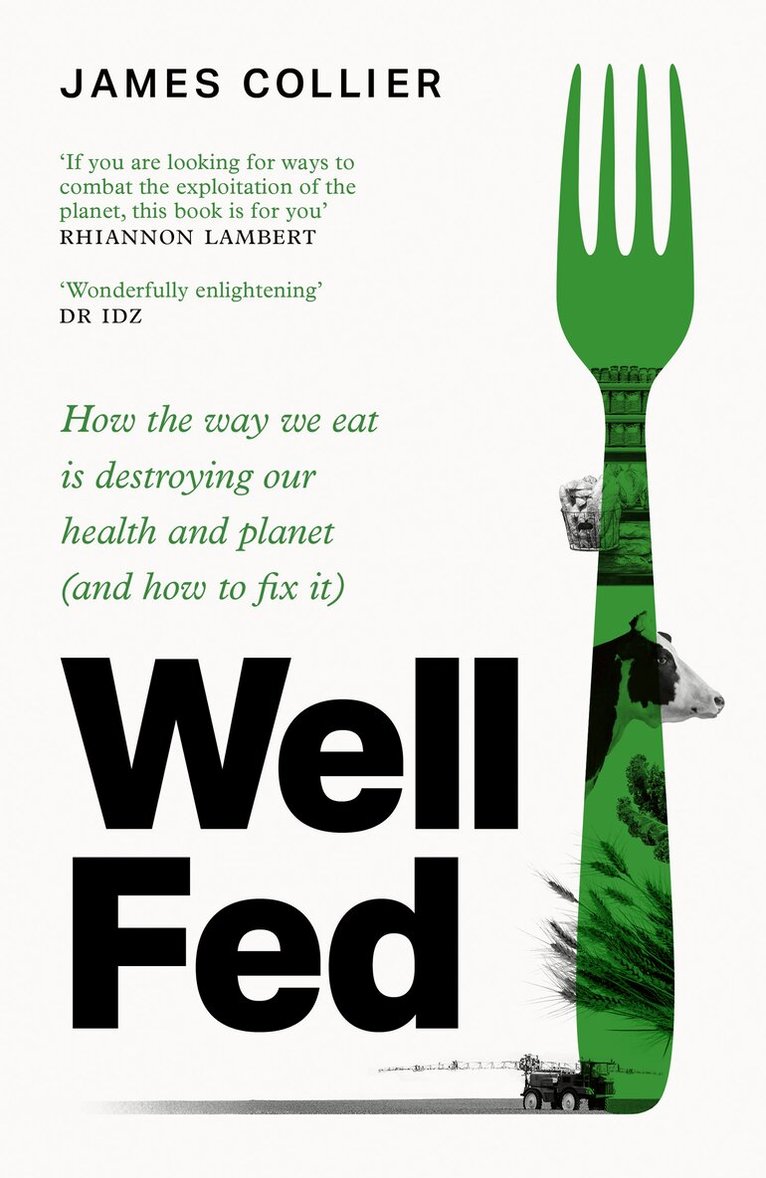
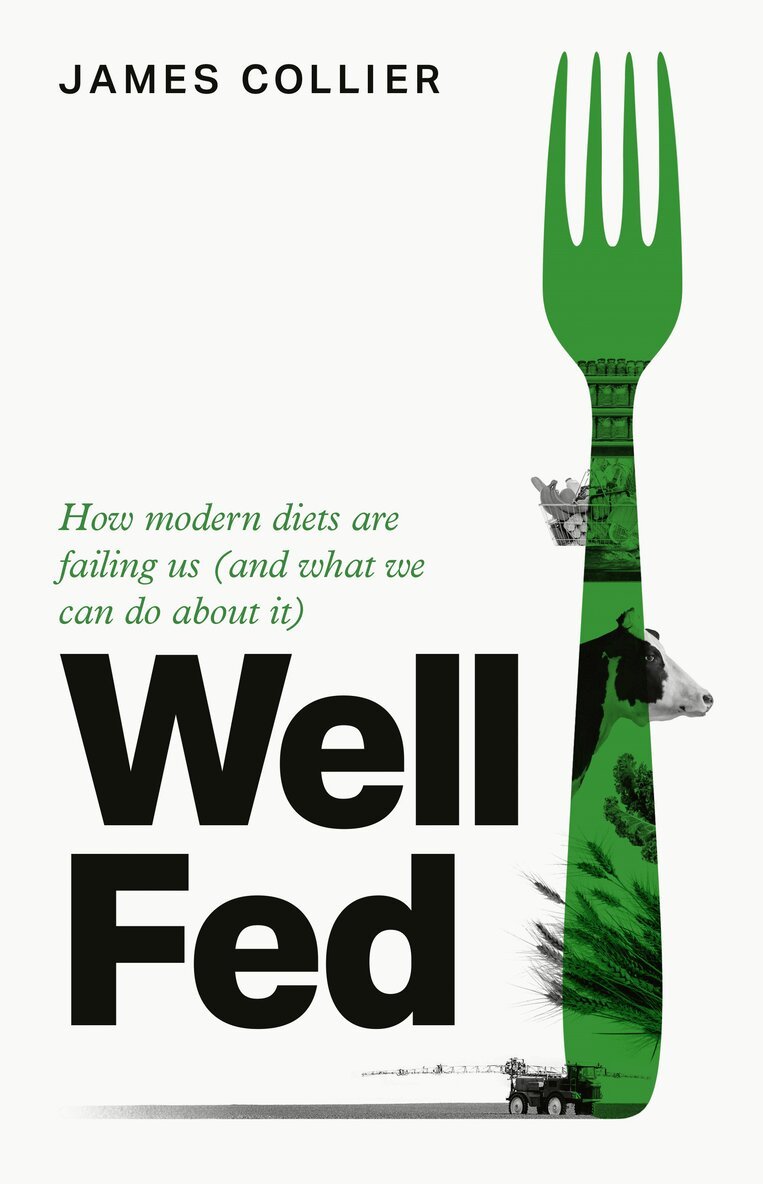
Everything we know about food and nutrition is wrong. It's time to unlearn it. Wonderfully enlightening and engagingly written. Dr IdzIf you are looking at ways to combat the exploitation of the planet this book is for you. Rhiannon LambertWell Fed is a vital tool in the ongoing battle against nutrition misinformation. Robbie Lockie, Plant Based News –– In Well Fed, James Collier, former NHS dietitian and co-founder of Huel, is on a mission to debunk the myths about food and nutrition to reveal why what we eat is not only having a devastating impact on our health, but also on our planet.The industrialisation of our food system has wreaked havoc on earth's natural biodiversity, diminished the nutritional value of the food that is produced and has been a major contributor to global warming. The result? A planet in crisis and a surge in diseases of excess.By challenging conventional wisdom and embracing a more balanced and nuanced approach, Collier shows that we can: Improve our health by boosting physical and mental well-beingProtect the planet by reducing our environmental impactSupport our communities in fostering a more sustainable food systemSupercharge your health with Collier's five pillars of contemplative nutrition, which offer a simple, holistic solution to inspire a sustainable approach to food. The future of food, our health and the planet is in our hands. Let's act now.