James D. A. Parker - Böcker
Visar alla böcker från författaren James D. A. Parker. Handla med fri frakt och snabb leverans.
6 produkter
6 produkter
1 548 kr
Skickas inom 10-15 vardagar
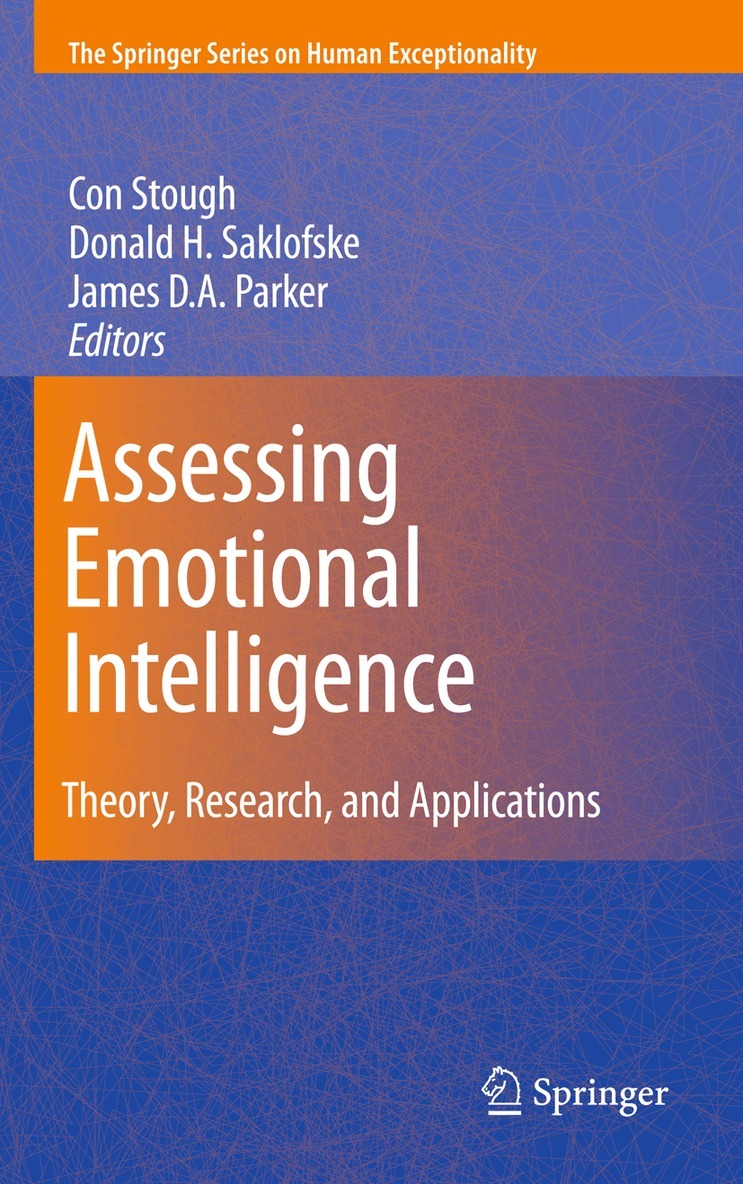
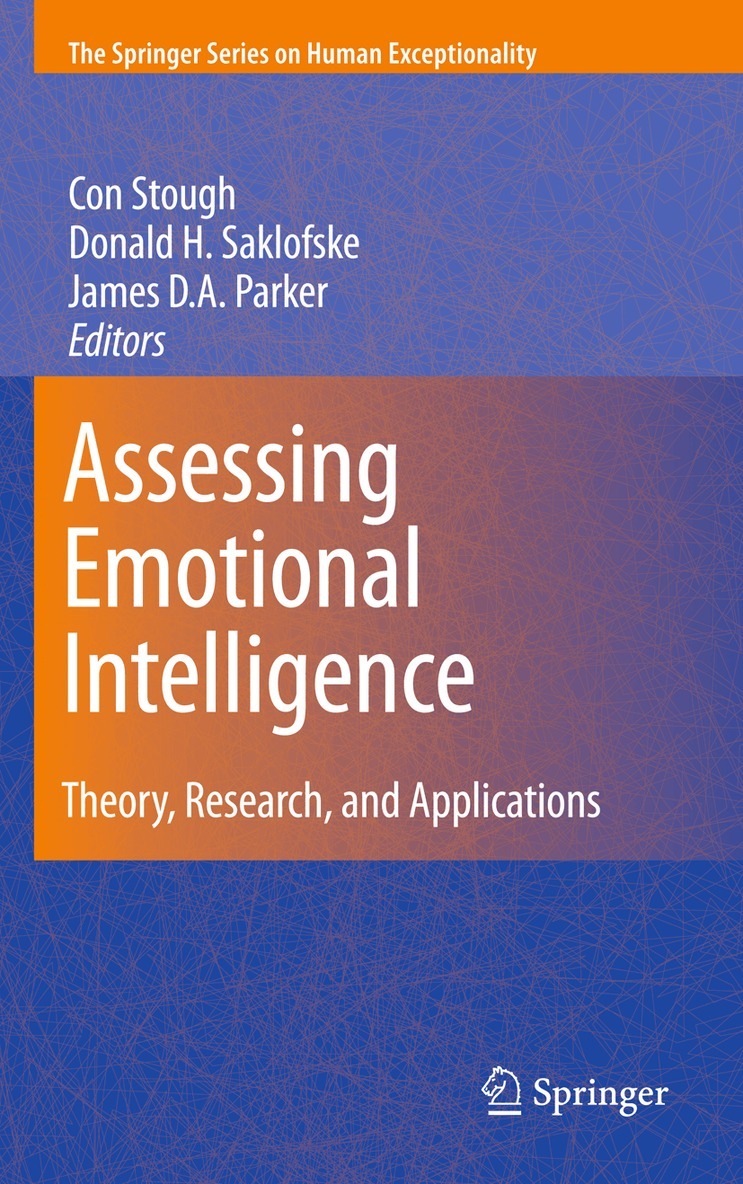
Managing human emotions plays a critical role in everyday functioning. After years of lively debate on the significance and validity of its construct, emotional intelligence (EI) has generated a robust body of theories, research studies, and measures. Assessing Emotional Intelligence: Theory, Research, and Applications strengthens this theoretical and evidence base by addressing the most recent advances and emerging possibilities in EI assessment, research, and applications.This volume demonstrates the study and application of EI across disciplines, ranging from psychometrics and neurobiology to education and industry. Assessing Emotional Intelligence carefully critiques the key measurement issues in EI, and leading experts present EI as eminently practical and thoroughly contemporary as they offer the latest findings on:EI instruments, including the EQ-I, MSCEIT, TEIQue, Genos Emotional Intelligence Inventory, and the Assessing Emotions Scale.The role of EI across clinical disorders.Training professionals and staff to apply EI in the workplace.Relationships between EI and educational outcomes.Uses of EI in sports psychology.The cross-cultural relevance of EI.As the contributors to this volume in the Springer Series on Human Exceptionality make clear, these insights and methods hold rich potential for professionals in such fields as social and personality psychology, industrial and organizational psychology, psychiatry, business, and education.
Handbook of Emotional Intelligence
The Theory and Practice of Development, Evaluation, Education, and Application--at Home, School, and in the Workplace
Häftad, Engelska, 2010
952 kr
Skickas inom 7-10 vardagar
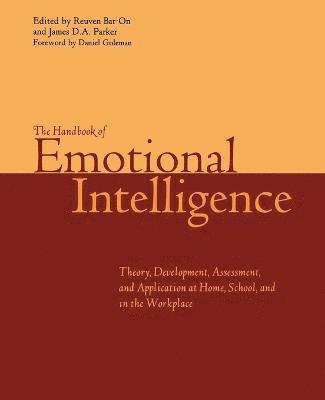
Building on nearly eighty years of scientific work, The Handbook of Emotional Intelligence is the first definitive resource that brings together a stellar panel of academics, researchers, and practitioners, in the field. Sweeping in scope, the text presents information on the most important conceptual models, reviews and evaluates the most valid and reliable methods for assessing emotional intelligence, and offers specific guidelines for applying the principles of Emotional Intelligence in a variety of settings.
1 096 kr
Skickas inom 7-10 vardagar
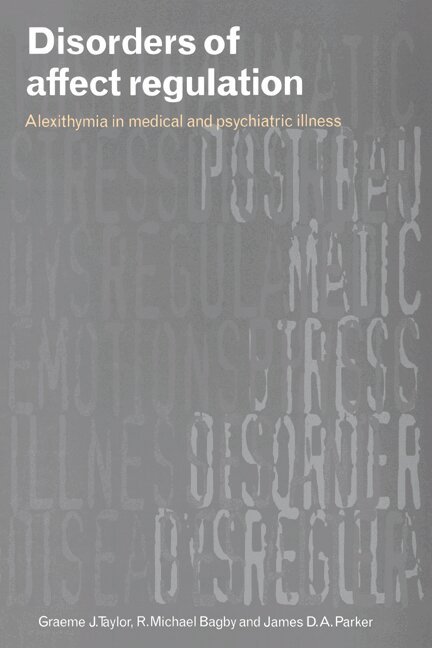
An entirely new perspective on how emotions influence mental and physical health. The authors present recent thinking about the development and regulation of emotions, and argue that several common but difficult to treat psychiatric illnesses, including drug addictions, eating disorders, panic disorder and post traumatic stress disorders, are a consequence of an inability to regulate distressing emotions through mental processes. The book also advances a model in which dysregulated emotions may alter other bodily systems and thereby contribute to the development of physical illnesses and diseases. Generously illustrated throughout with clinical vignettes and providing descriptions of innovative therapeutic approaches, this book offers a valuable and stimulating reference for clinicians and researchers alike.
1 635 kr
Skickas inom 10-15 vardagar
Managing human emotions plays a critical role in everyday functioning. After years of lively debate on the significance and validity of its construct, emotional intelligence (EI) has generated a robust body of theories, research studies, and measures. Assessing Emotional Intelligence: Theory, Research, and Applications strengthens this theoretical and evidence base by addressing the most recent advances and emerging possibilities in EI assessment, research, and applications.This volume demonstrates the study and application of EI across disciplines, ranging from psychometrics and neurobiology to education and industry. Assessing Emotional Intelligence carefully critiques the key measurement issues in EI, and leading experts present EI as eminently practical and thoroughly contemporary as they offer the latest findings on:EI instruments, including the EQ-I, MSCEIT, TEIQue, Genos Emotional Intelligence Inventory, and the Assessing Emotions Scale.The role of EI across clinical disorders.Training professionals and staff to apply EI in the workplace.Relationships between EI and educational outcomes.Uses of EI in sports psychology.The cross-cultural relevance of EI.As the contributors to this volume in the Springer Series on Human Exceptionality make clear, these insights and methods hold rich potential for professionals in such fields as social and personality psychology, industrial and organizational psychology, psychiatry, business, and education.
1 645 kr
Skickas inom 10-15 vardagar
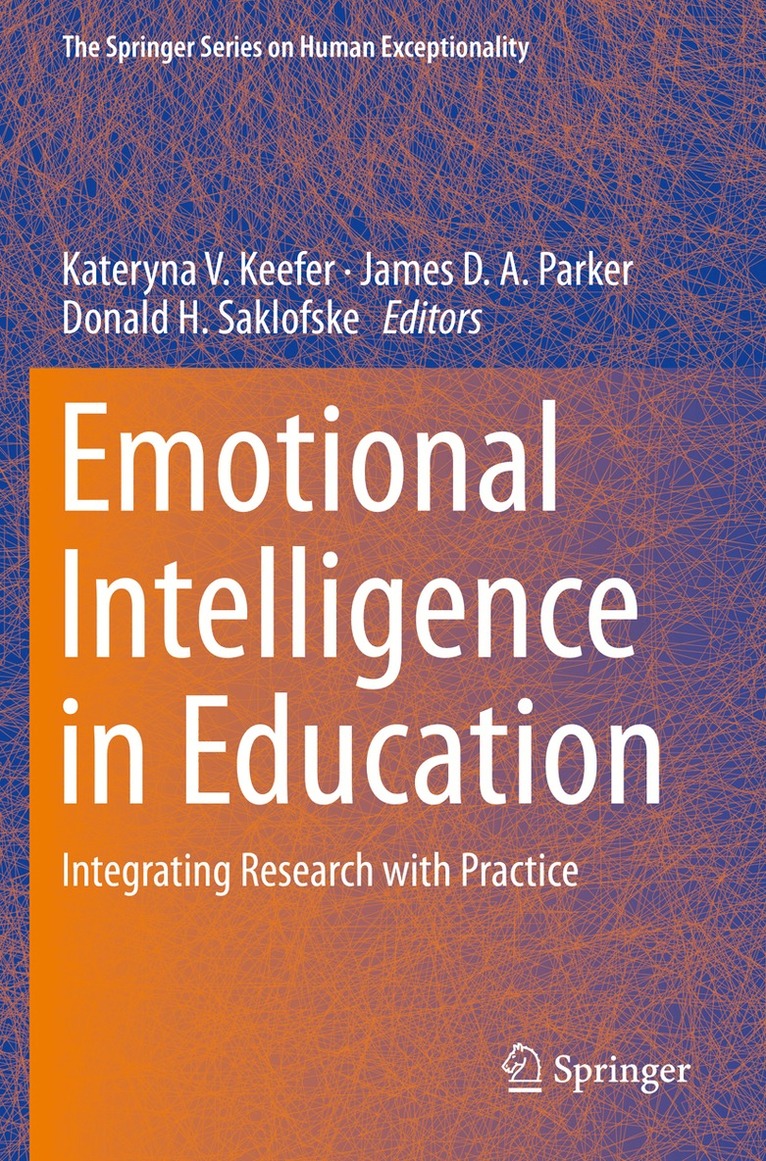
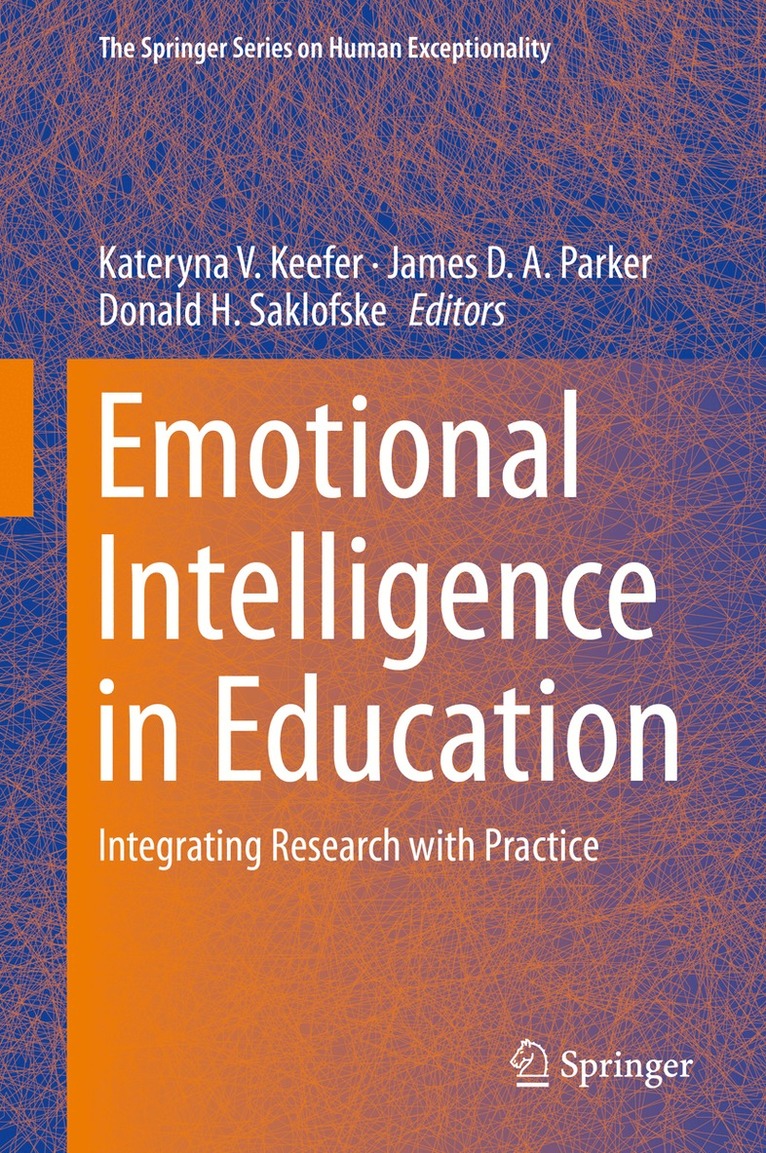
This book highlights current knowledge, best practices, new opportunities, and difficult challenges associated with promoting emotional intelligence (EI) and social-emotional learning (SEL) in educational settings. The volume provides analyses of contemporary EI theories and measurement tools, common principles and barriers in effective EI and SEL programming, typical and atypical developmental considerations, and higher-level institutional and policy implications. It also addresses common critiques of the relevance of EI and discusses the need for greater awareness of sociocultural contexts in assessing and nurturing EI skills. Chapters provide examples of effective EI and SEL programs in pre-school, secondary school, and university contexts, and explore innovative applications of EI such as bullying prevention and athletic training. In addition, chapters explore the implications of EI in postsecondary, professional, and occupational settings, with topics ranging from collegesuccess and youth career readiness to EI training for future educators and organizational leaders.Topics featured in this book include:Ability and trait EI and their role in coping with stress, academic attainment, sports performance, and career readiness.Implications of preschoolers’ emotional competence for future success in the classroom.Understanding EI in individuals with exceptionalities.Applications of school-based EI and SEL programs in North America and Europe.Policy recommendations for social-emotional development in schools, colleges and universities.Developing emotional, social, and cognitive competencies in managers during an MBA program.Emotional intelligence training for teachers.Cross-cultural perspective on EI and emotions. Emotional Intelligence in Education is a must-have resource for researchers, professionals, and policymakers as well as graduate students across such disciplines as child and school psychology, social work, and education policy. Chapter 2 of this book is available open access under a Creative Commons Attribution 4.0 International License at link.springer.com
1 645 kr
Skickas inom 10-15 vardagar
This book highlights current knowledge, best practices, new opportunities, and difficult challenges associated with promoting emotional intelligence (EI) and social-emotional learning (SEL) in educational settings. The volume provides analyses of contemporary EI theories and measurement tools, common principles and barriers in effective EI and SEL programming, typical and atypical developmental considerations, and higher-level institutional and policy implications. It also addresses common critiques of the relevance of EI and discusses the need for greater awareness of sociocultural contexts in assessing and nurturing EI skills. Chapters provide examples of effective EI and SEL programs in pre-school, secondary school, and university contexts, and explore innovative applications of EI such as bullying prevention and athletic training. In addition, chapters explore the implications of EI in postsecondary, professional, and occupational settings, with topics ranging from collegesuccess and youth career readiness to EI training for future educators and organizational leaders.Topics featured in this book include:Ability and trait EI and their role in coping with stress, academic attainment, sports performance, and career readiness.Implications of preschoolers’ emotional competence for future success in the classroom.Understanding EI in individuals with exceptionalities.Applications of school-based EI and SEL programs in North America and Europe.Policy recommendations for social-emotional development in schools, colleges and universities.Developing emotional, social, and cognitive competencies in managers during an MBA program.Emotional intelligence training for teachers.Cross-cultural perspective on EI and emotions. Emotional Intelligence in Education is a must-have resource for researchers, professionals, and policymakers as well as graduate students across such disciplines as child and school psychology, social work, and education policy. Chapter 2 of this book is available open access under a Creative Commons Attribution 4.0 International License at link.springer.com