James D. Lock – författare
Visar alla böcker från författaren James D. Lock. Handla med fri frakt och snabb leverans.
3 produkter
3 produkter
503 kr
Skickas inom 10-15 vardagar
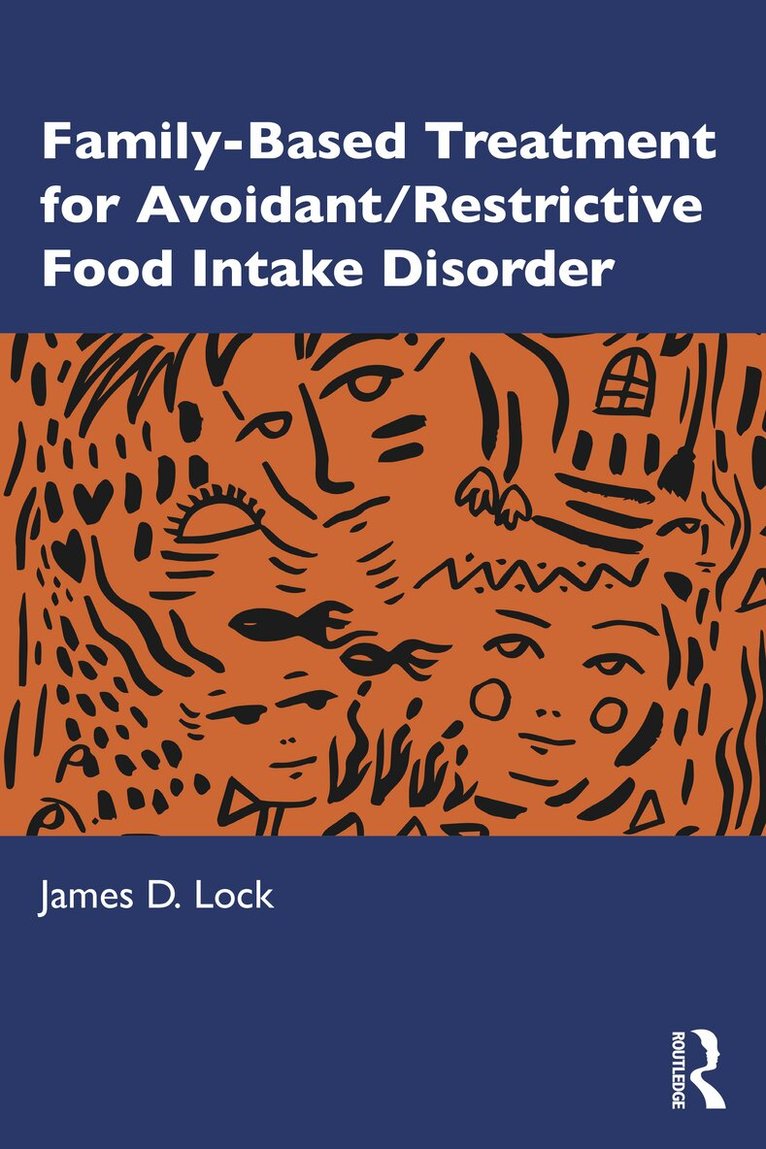
This book describes the theoretical and clinical rationale for the use of Family-Based Treatment (FBT) for Avoidant/Restrictive Food Intake Disorder (ARFID). Based on years of clinical care and systematic study of children and adolescents with ARFID using Family-Based Treatment for Avoidant/Restrictive Food Intake Disorder (FBT-ARFID), the manual provides guidance about assessment of ARFID. Topics covered include how to incorporate the medical, nutritional, and psychiatric problems that are common with this disorder and how to evaluate the principle maintaining behaviors related to lack of interest or appetite, extreme sensory sensitivities to food, and fear of physical repercussions of eating (e.g. pain, vomiting, allergic reactions). Step-by-step illustrations of the key interventions in FBT-ARFID are provided and detailed case discussions demonstrate how these are implemented in a range of cases.Ideal for clinical practitioners who treat children and adolescents with eating disorders, specifically, psychologists, psychiatrists, social workers, and allied health practitioners.
2 063 kr
Skickas inom 10-15 vardagar
This book describes the theoretical and clinical rationale for the use of Family-Based Treatment (FBT) for Avoidant/Restrictive Food Intake Disorder (ARFID). Based on years of clinical care and systematic study of children and adolescents with ARFID using Family-Based Treatment for Avoidant/Restrictive Food Intake Disorder (FBT-ARFID), the manual provides guidance about assessment of ARFID. Topics covered include how to incorporate the medical, nutritional, and psychiatric problems that are common with this disorder and how to evaluate the principle maintaining behaviors related to lack of interest or appetite, extreme sensory sensitivities to food, and fear of physical repercussions of eating (e.g. pain, vomiting, allergic reactions). Step-by-step illustrations of the key interventions in FBT-ARFID are provided and detailed case discussions demonstrate how these are implemented in a range of cases.Ideal for clinical practitioners who treat children and adolescents with eating disorders, specifically, psychologists, psychiatrists, social workers, and allied health practitioners.
645 kr
Skickas inom 5-8 vardagar
An exceptionally practical book for clinicians who are interested in evaluating and treating eating disorders in children and adults, Pocket Guide for the Assessment and Treatment of Eating Disorders, provides expert guidance in a succinct and accessible format. Most people with eating disorders lack access to specialty services, leaving the majority undiagnosed and untreated. The editors and contributors, Stanford University researchers and clinicians, have written the book for nonspecialists in hopes that it will foster the development of relevant clinical skills and allow them to help patients with eating disorders in their practices. This book is squarely aimed at the big picture while highlighting the most important additional details. The first chapter provides an overview of all the major eating disorders and also includes a discussion of issues related to screening, race, culture, and gender that are cross-cutting and applicable to all the diagnostically themed chapters. Each of the remaining chapters focuses on a specific diagnostic group and is organized systematically to allow the reader to easily identify comparable elements across diagnostic groupings quickly. Helpful features of the book include: Consistent chapter structure for ease of access. Each chapter begins with a brief introduction, followed by a key diagnostic checklist, diagnostic rule outs, risks and epidemiology, psychiatric and medical comorbidity, clinical presentations, evidence-based interventions, treatments illustrated, a clinical decision-making flow chart, common outcomes, resources and further readings, and references. Stand-alone chapters, allowing the user to access all the pertinent information without prerequisite preparation. Short narrative vignettes describing each of the major evidence-based interventions for each diagnostic grouping. These model effective practitioner-patient interactions and help readers improve their clinical skills. In addition, there are vignettes across the age spectrum, affording the reader valuable exposure to a full range of cases. Emphasis on evidence-based treatments. Evidential support is graded based on slightly modified criteria developed by the American Psychological Association, with Levels 1 to 4 -- from established treatments to those of questionable efficacy. Generous use of tables and figures, comprising all the major content in a concise, easily understandable fashion. Authoritative, accessible, and designed to fit in a lab coat pocket, Pocket Guide for the Assessment and Treatment of Eating Disorders is a practical book which will help busy clinicians quickly find the most relevant and updated information, without overwhelming them with detail.