James D. Nations - Böcker
Visar alla böcker från författaren James D. Nations. Handla med fri frakt och snabb leverans.
3 produkter
3 produkter
367 kr
Skickas inom 10-15 vardagar
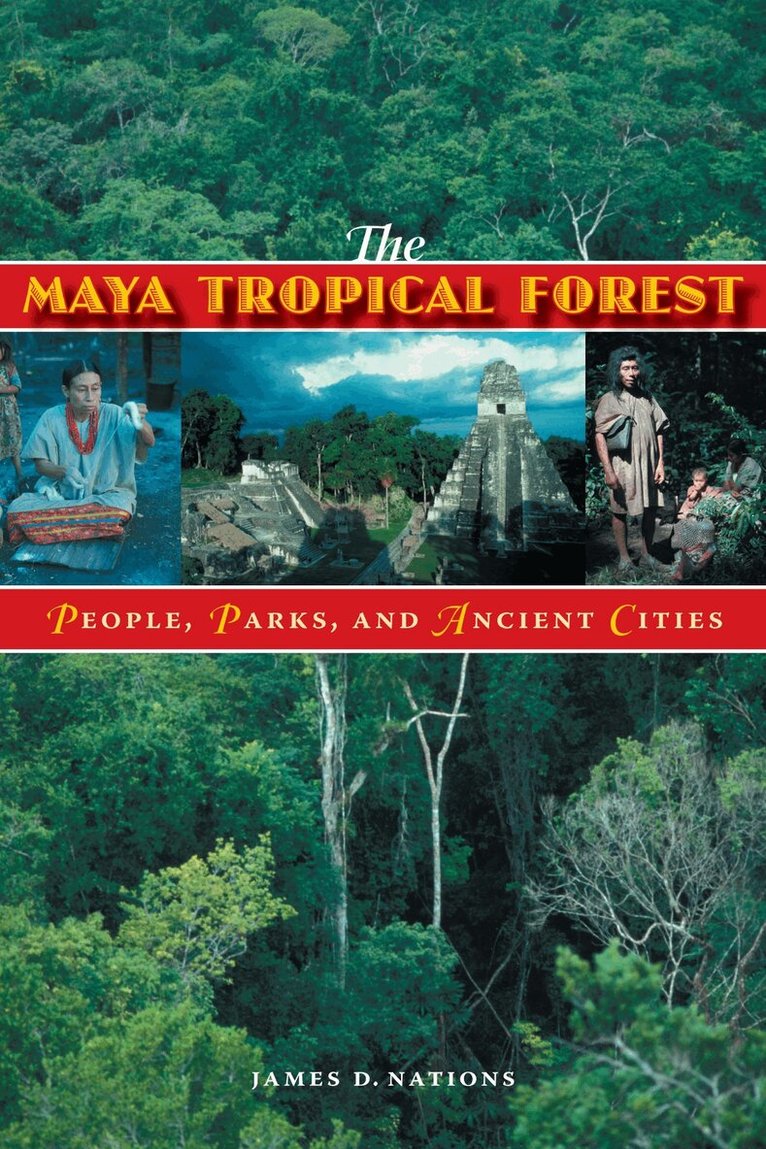
The Maya Tropical Forest, which occupies the lowlands of southern Mexico, Guatemala, and Belize, is the closest rainforest to the United States and one of the most popular tourist destinations in the Western Hemisphere. It has been home to the Maya peoples for nearly four millennia, starting around 1800 BC. Ancient cities in the rainforest such as Palenque, Yaxchilan, Tikal, and Caracol draw thousands of tourists and scholars seeking to learn more about the prehistoric Maya. Their contemporary descendants, the modern Maya, utilize the forest's natural resources in village life and international trade, while striving to protect their homeland from deforestation and environmental degradation. Writing for both visitors and conservationists, James Nations tells the fascinating story of how ancient and modern Maya peoples have used and guarded the rich natural resources of the Maya Tropical Forest. He opens with a natural history that profiles the forest's significant animals and plants. Nations then describes the Maya peoples, biological preserves, and major archaeological sites in Mexico, Guatemala, and Belize. Drawing on more than twenty-five years of conservation work in the Maya Tropical Forest, Nations tells first-hand stories of the creation of national parks and other protected areas to safeguard the region's natural resources and archaeological heritage. He concludes with an expert assessment of the forest's future in which he calls for expanded archaeological tourism to create an ecologically sustainable economic base for the region.
Lacandón Maya in the Twenty-First Century
Indigenous Knowledge and Conservation in Mexico's Tropical Rainforest
Inbunden, Engelska, 2023
1 074 kr
Skickas inom 10-15 vardagar
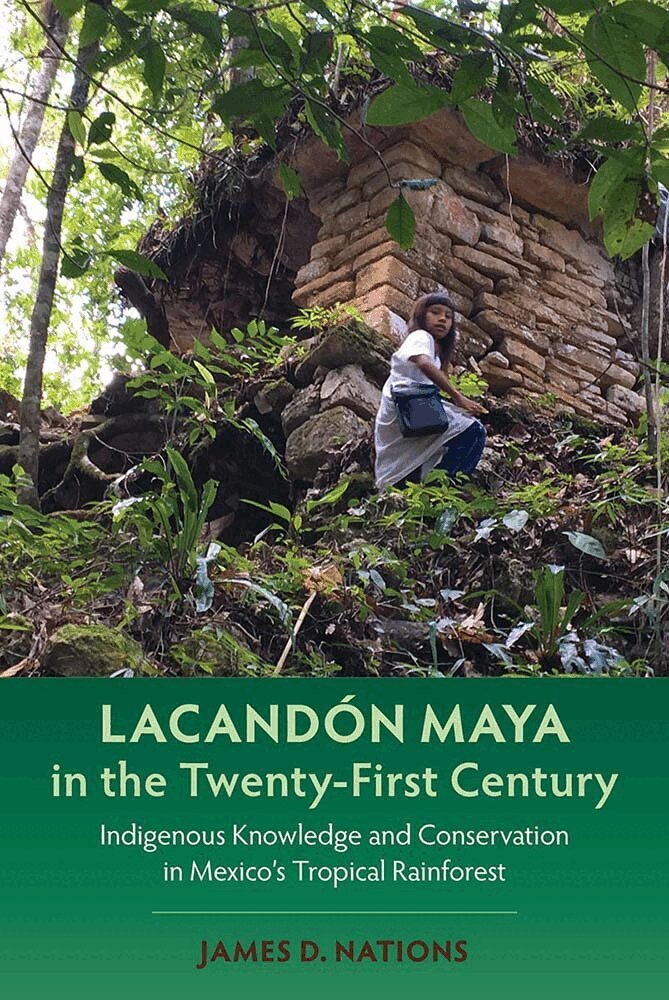
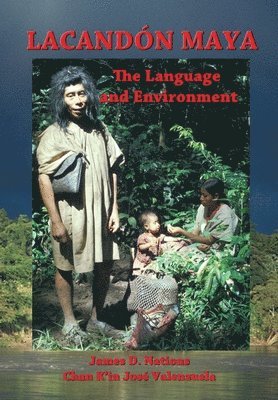
From the ancient traditions of the Lacandón Maya comes an Indigenous model for a sustainable future.Having lived for centuries isolated within Mexico’s largest remaining tropical rainforest, the Indigenous Lacandón Maya now live at the nexus of two worlds—ancient and modern. While previous research has focused on documenting Lacandón oral traditions and religious practices in order to preserve them, this book tells the story of how Lacandón families have adapted to the contemporary world while applying their ancestral knowledge to create an ecologically sustainable future.Drawing on his 49 years of studying and learning from the Lacandón Maya, James Nations discusses how in the midst of external pressures such as technological changes, missionary influences, and logging ventures, Lacandón communities are building an economic system of agroforestry and ecotourism that produces income for their families while protecting biodiversity and cultural resources. Nations describes methods they use to plant and harvest without harming the forest, illustrating that despite drastic changes in lifestyle, respect for the environment continues to connect Lacandón families across generations. By helping with these tasks and inheriting the fables and myths that reinforce this worldview, Lacandón children continue to learn about the plants, animals, and spiritual deities that coexist in their land.Indigenous peoples such as the Lacandón Maya control one-third of the intact forest landscapes left on Earth, and Indigenous knowledge and practices are increasingly recognized as key elements in the survival of the planet’s biological diversity. The story of the Lacandón Maya serves as a model for Indigenous controlled environmental conservation, and it will inform anyone interested in supporting sustainable Indigenous futures.A volume in the series Maya Studies, edited by Diane Z. Chase and Arlen F. Chase
Lacandón Maya in the Twenty-First Century
Indigenous Knowledge and Conservation in Mexico's Tropical Rainforest
Häftad, Engelska, 2023
367 kr
Skickas inom 10-15 vardagar
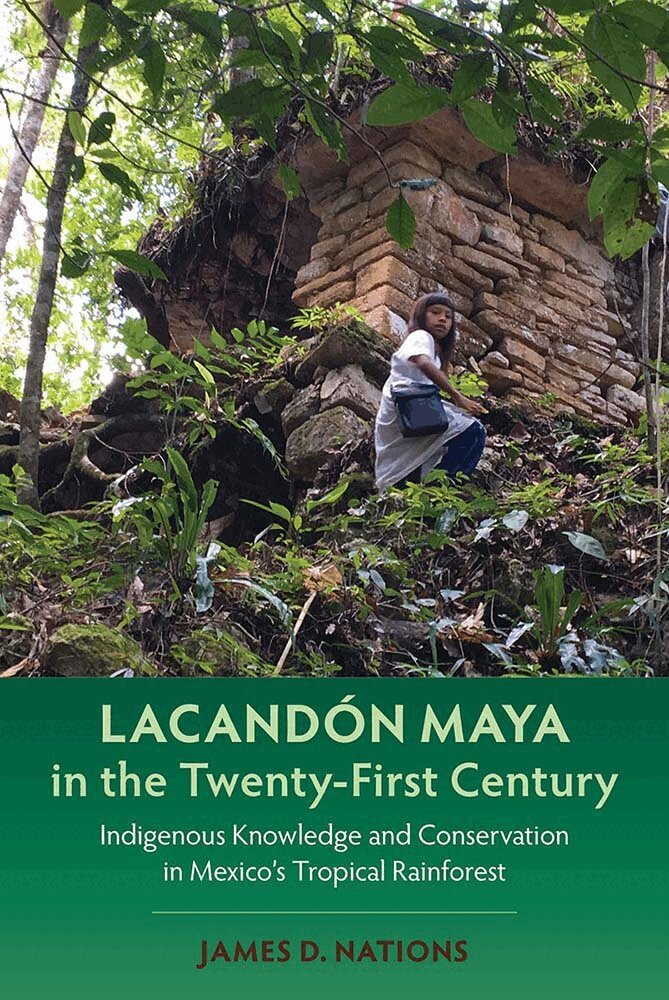
From the ancient traditions of the Lacandón Maya comes an Indigenous model for a sustainable future.Having lived for centuries isolated within Mexico’s largest remaining tropical rainforest, the Indigenous Lacandón Maya now live at the nexus of two worlds—ancient and modern. While previous research has focused on documenting Lacandón oral traditions and religious practices in order to preserve them, this book tells the story of how Lacandón families have adapted to the contemporary world while applying their ancestral knowledge to create an ecologically sustainable future.Drawing on his 49 years of studying and learning from the Lacandón Maya, James Nations discusses how in the midst of external pressures such as technological changes, missionary influences, and logging ventures, Lacandón communities are building an economic system of agroforestry and ecotourism that produces income for their families while protecting biodiversity and cultural resources. Nations describes methods they use to plant and harvest without harming the forest, illustrating that despite drastic changes in lifestyle, respect for the environment continues to connect Lacandón families across generations. By helping with these tasks and inheriting the fables and myths that reinforce this worldview, Lacandón children continue to learn about the plants, animals, and spiritual deities that coexist in their land.Indigenous peoples such as the Lacandón Maya control one-third of the intact forest landscapes left on Earth, and Indigenous knowledge and practices are increasingly recognized as key elements in the survival of the planet’s biological diversity. The story of the Lacandón Maya serves as a model for Indigenous controlled environmental conservation, and it will inform anyone interested in supporting sustainable Indigenous futures.A volume in the series Maya Studies, edited by Diane Z. Chase and Arlen F. Chase