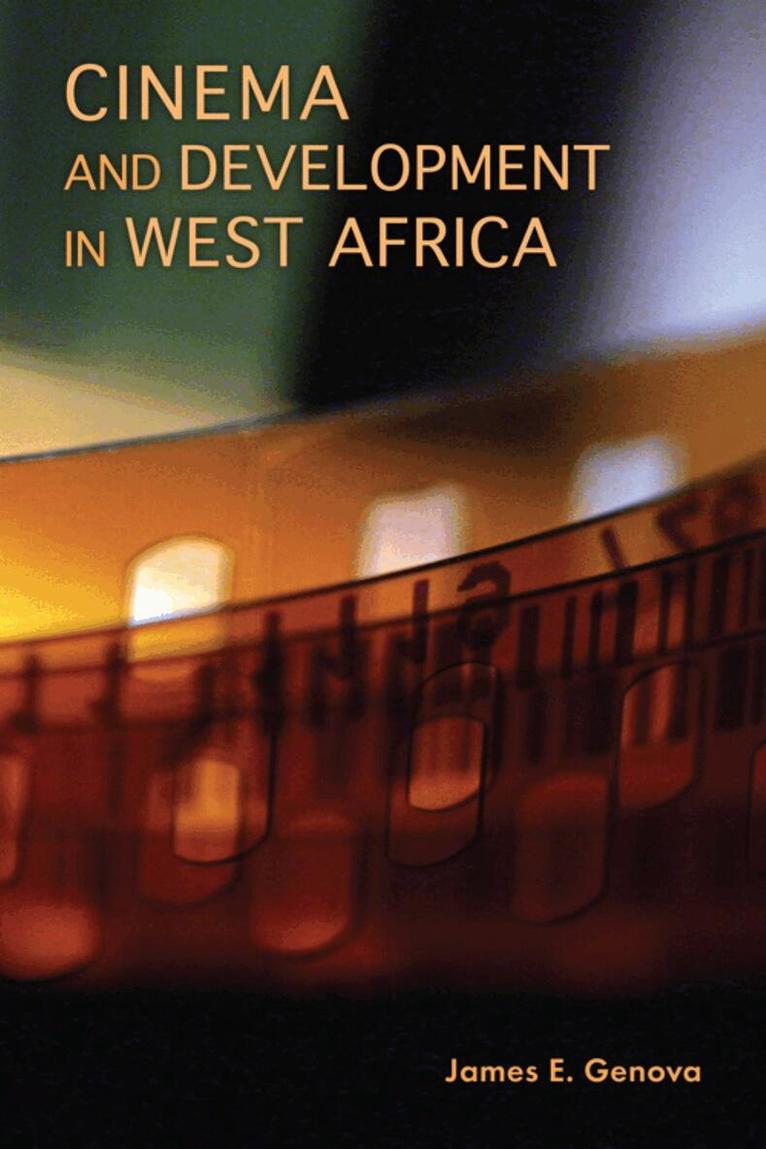
Cinema and Development in West Africa shows how the film industry in Francophone West African countries played an important role in executing strategies of nation building during the transition from French rule to the early postcolonial period. James E. Genova sees the construction of African identities and economic development as the major themes in the political literature and cultural production of the time. Focusing on film both as industry and aesthetic genre, he demonstrates its unique place in economic development and provides a comprehensive history of filmmaking in the region during the transition from colonies to sovereign states.
Colonial Ambivalence, Cultural Authenticity, and the Limitations of Mimicry in French-Ruled West Africa, 1914-1956 offers an innovative and provocative reassessment of the history and legacies of French colonial rule in West Africa between the First World War and the late 1950s. Making critical use of postcolonial and cultural theory, James E. Genova argues that the colonizers and the colonized were locked in a struggle for authority increasingly structured by competing notions of what it meant to be French or African. This book breaks new ground by demonstrating the centrality of the cultural question in the imperial encounters between France and West Africa. It maps the emergence of the French-educated elite as a social class in French West Africa as a window into the complex relationship between agency and structural context in the making of history. A disjunction developed between decolonization and liberation in the colonial liaison of France and West Africa that left colonizers and colonized trapped in a neocolonial cultural framework actualizing Frantz Fanon’s deepest fears about the postcolony.
Cinema and Development in West Africa shows how the film industry in Francophone West African countries played an important role in executing strategies of nation building during the transition from French rule to the early postcolonial period. James E. Genova sees the construction of African identities and economic development as the major themes in the political literature and cultural production of the time. Focusing on film both as industry and aesthetic genre, he demonstrates its unique place in economic development and provides a comprehensive history of filmmaking in the region during the transition from colonies to sovereign states.
Colonial Ambivalence, Cultural Authenticity, and the Limitations of Mimicry in French-Ruled West Africa, 1914-1956 offers an innovative and provocative reassessment of the history and legacies of French colonial rule in West Africa between the First World War and the late 1950s. Making critical use of postcolonial and cultural theory, James E. Genova argues that the colonizers and the colonized were locked in a struggle for authority increasingly structured by competing notions of what it meant to be French or African. This book breaks new ground by demonstrating the centrality of the cultural question in the imperial encounters between France and West Africa. It maps the emergence of the French-educated elite as a social class in French West Africa as a window into the complex relationship between agency and structural context in the making of history. A disjunction developed between decolonization and liberation in the colonial liaison of France and West Africa that left colonizers and colonized trapped in a neocolonial cultural framework actualizing Frantz Fanon’s deepest fears about the postcolony.