The arctic region is predicted to experience the earliest and most pronounced global warming response to human-induced climatic change. This book synthesizes information on the physiological ecology of arctic plants, discusses how physiological processes influence ecosystem processes, and explores how climate warming will affect arctic plants, plant communities, and ecosystem processes.- Reviews the physiological ecology of arctic plants- Explores biotic controls over community and ecosystems processes- Provides physiological bases for predicting how the Arctic will respond to global climate change
Following the discovery of large petroleum reserves in northern Alaska, the US Department of Energy implemented an integrated field and modeling study to help define potential impacts of energy-related disturbances on tundra ecosystems. This volume presents major findings from this study. A broad range of basic and applied research topics are examined, ranging from ecosystem physiology and biogeochemistry to landscape models that quantify the impact of road-building on tundra hydrology and ecosystem structure. It is an important resource for researchers and students interested in arctic ecology, as well as for environmental managers concerned with practical issues of disturbances.
The arctic region is predicted to experience the earliest and most pronounced global warming response to human-induced climatic change. This book synthesizes information on the physiological ecology of arctic plants, discusses how physiological processes influence ecosystem processes, and explores how climate warming will affect arctic plants, plant communities, and ecosystem processes.- Reviews the physiological ecology of arctic plants- Explores biotic controls over community and ecosystems processes- Provides physiological bases for predicting how the Arctic will respond to global climate change
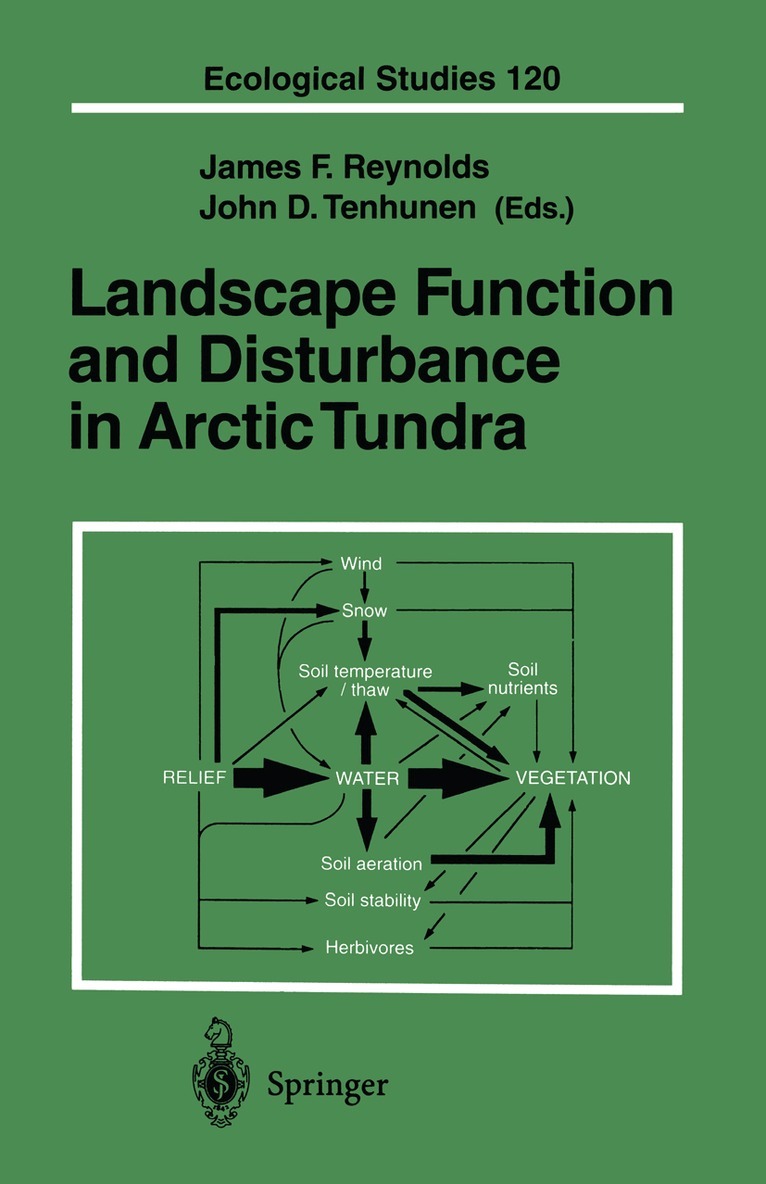
Following the discovery of large petroleum reserves in northern Alaska, the US Department of Energy implemented an integrated field and modeling study to help define potential impacts of energy-related disturbances on tundra ecosystems. This volume presents major findings from this study. A broad range of basic and applied research topics are examined, ranging from ecosystem physiology and biogeochemistry to landscape models that quantify the impact of road-building on tundra hydrology and ecosystem structure. It is an important resource for researchers and students interested in arctic ecology, as well as for environmental managers concerned with practical issues of disturbances.