James H. Omvig – författare
Visar alla böcker från författaren James H. Omvig. Handla med fri frakt och snabb leverans.
8 produkter
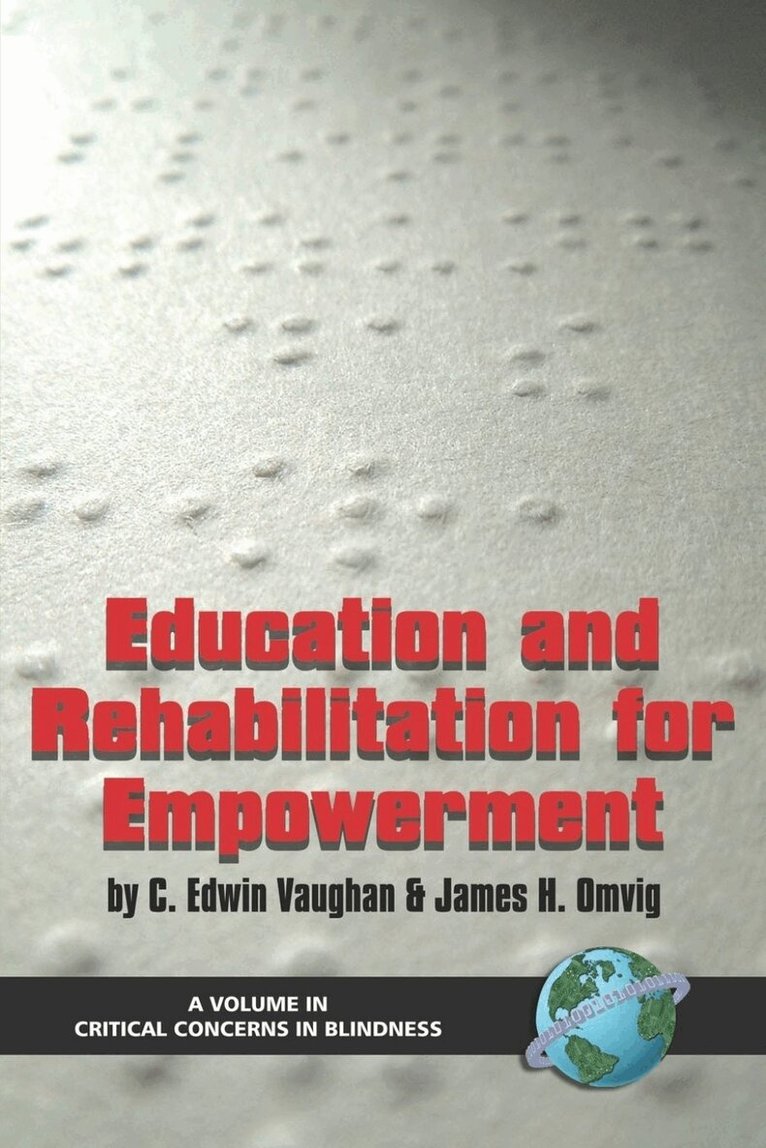
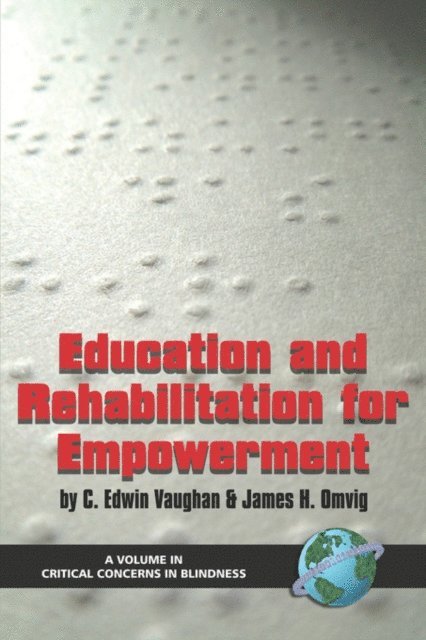
Education and Rehabilitation for Empowerment
Av C. Edwin Vaughan, James Omvig m. fl.
Häftad, 2004
551 kr
Lägg i varukorg
In this book we are interested in patterns of education, rehabilitation service, socialization, and ideas about blindness that in large part produce the above-mentioned distinct patterns. We will examine the economic interests of professional groups and the patterns of domination and subordination, …
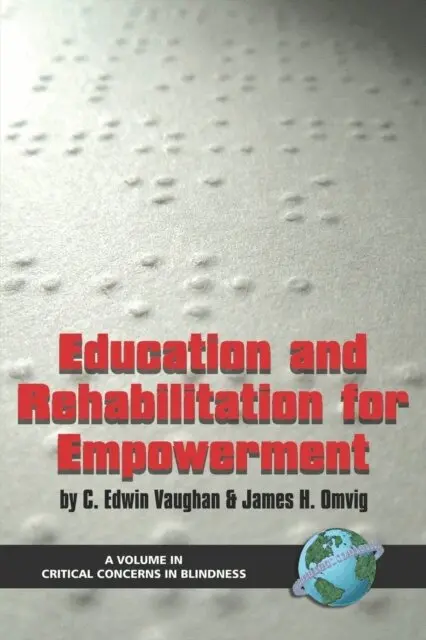
Education and Rehabilitation for Empowerment
Av C. Edwin Vaughan, James Omvig m. fl.
Inbunden, 2004
1026 kr
Lägg i varukorg
In this book we are interested in patterns of education, rehabilitation service, socialization, and ideas about blindness that in large part produce the above-mentioned distinct patterns. We will examine the economic interests of professional groups and the patterns of domination and subordination, …
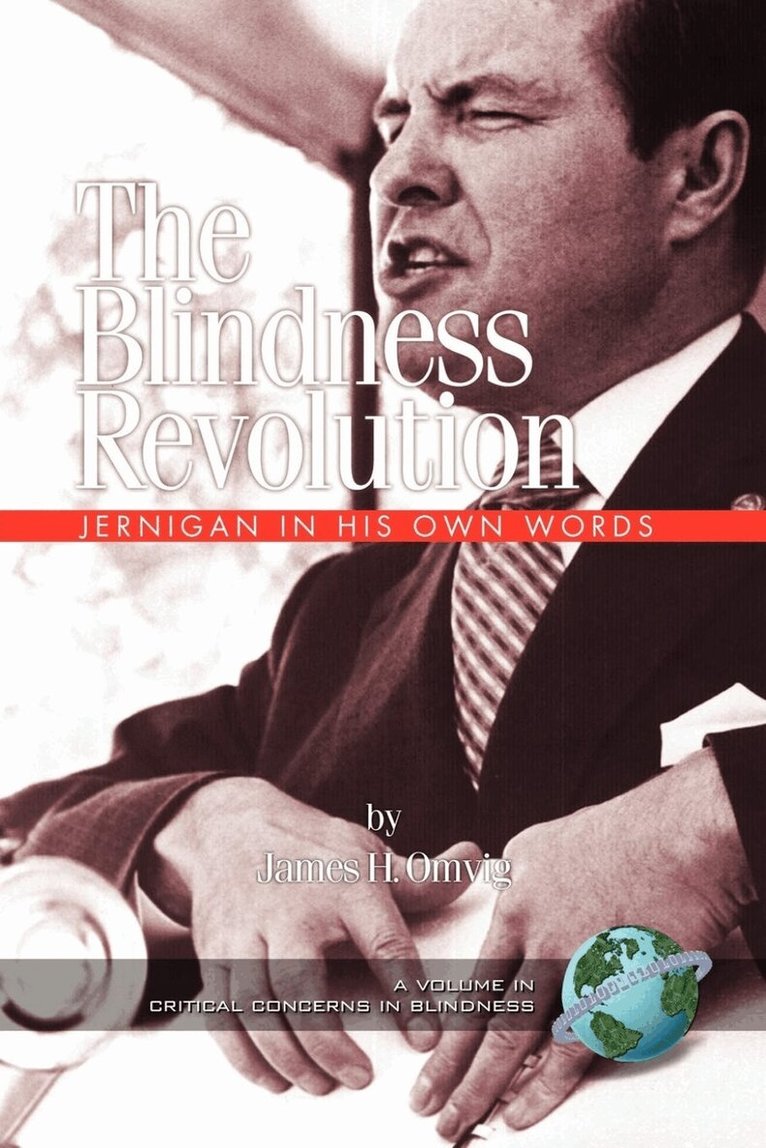
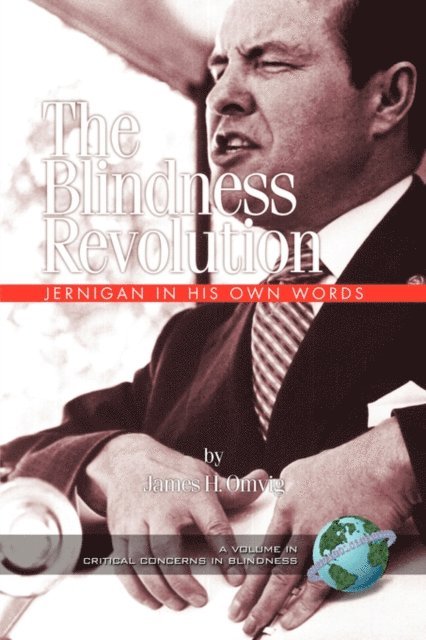
Blindness Revolution
Jernigan in His Own Words
Häftad, 2005
776 kr
Lägg i varukorg
This book recounts the dramatic story of the transformation of the Iowa Commission for the Blind from a verifiably ineffective service agency to perhaps the most outstanding and effective adult service program in the nation in the span of 10 short years. What happened in Iowa was revolutionary, and …
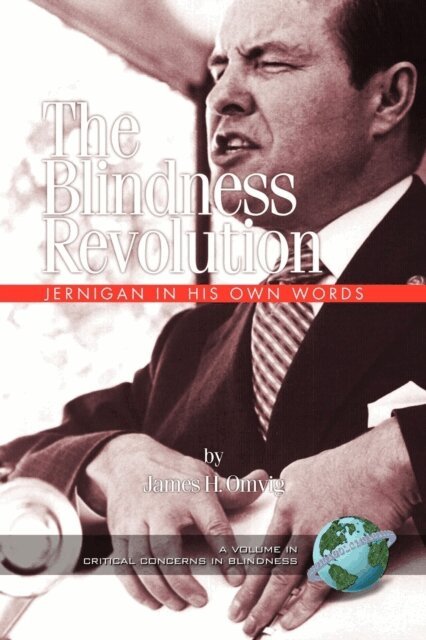
Blindness Revolution
Jernigan in His Own Words
Inbunden, 2005
1266 kr
Lägg i varukorg
This book recounts the dramatic story of the transformation of the Iowa Commission for the Blind from a verifiably ineffective service agency to perhaps the most outstanding and effective adult service program in the nation in the span of 10 short years. What happened in Iowa was revolutionary, and …
Blindness Revolution
Jernigan in His Own Words
E-bok, 2005
729 kr
Lägg i varukorg
This book recounts the dramatic story of the transformation of the Iowa Commission for the Blind from a verifiably ineffective service agency to perhaps the most outstanding and effective adult service program in the nation in the span of 10 short years. What happened in Iowa was revolutionary, and …
Education and Rehabilitation for Empowerment
Av James H. Omvig, C. Edwin Vaughan
E-bok, 2004
385 kr
Lägg i varukorg
In this book we are interested in patterns of education, rehabilitation service, socialization, and ideas about blindness that in large part produce the above-mentioned distinct patterns. We will examine the economic interests of professional groups and the patterns of domination and subordination, …
Blindness Revolution
Jernigan in His Own Words
E-bok, 2005
841 kr
Lägg i varukorg
This book recounts the dramatic story of the transformation of the Iowa Commission for the Blind from a verifiably ineffective service agency to perhaps the most outstanding and effective adult service program in the nation in the span of 10 short years. What happened in Iowa was revolutionary, and …
Education and Rehabilitation for Empowerment
Av James H. Omvig, C. Edwin Vaughan
E-bok, 2004
594 kr
Lägg i varukorg
In this book we are interested in patterns of education, rehabilitation service, socialization, and ideas about blindness that in large part produce the above-mentioned distinct patterns. We will examine the economic interests of professional groups and the patterns of domination and subordination, …