James Hancock – författare
Visar alla böcker från författaren James Hancock. Handla med fri frakt och snabb leverans.
14 produkter
14 produkter
E-bok
Engelska, 2010676 kr
Läs direkt efter köp
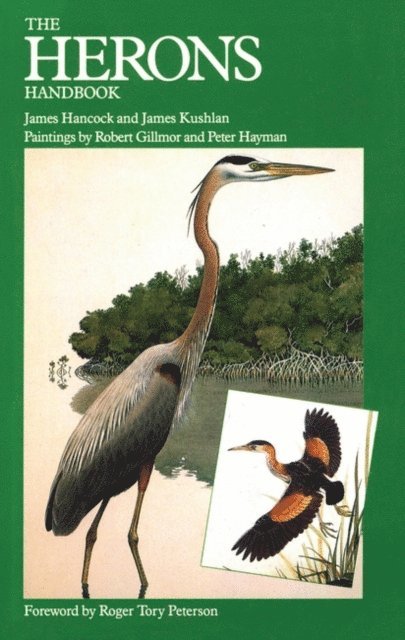
Everything you ever wanted to know about the world''s herons.This book on herons and bitterns is an authoritative summary of what is currently known about this diverse and fascinating worldwide family of wading birds. It is the result of extensive studies carried out over many years by its distinguished authors on both sides of the Atlantic.The plumages, feeding and breeding behaviour, and ecology of each of the recognised species is illustrated in full-colour with paintings meticulously researched by Robert Gilman and Peter Hayman. A distribution map, based on the latest available information, also shows the range of each species.Because of the widening interest in wading birds, considerable attention is paid to identification in the field. Four identification plates, especially prepared by Robert Gillmor, show all the plumages in each stage of every species and race, of white herons and egrets. This information - invaluable for ornithologists and birdwatchers - has never before been brought together in one volume.References to all the relevant literature on herons and bitterns is included for those who want to make a deeper study of these birds, and the authors have contributed their own considerable experiences gained in the field. The definitive handbook on herons, this book will not only provide the basis for future research and conservation but will also be a source of interest and enjoyment for both birdwatchers and ornithologists.
E-bok
PDF, Engelska, 2010876 kr
Läs direkt efter köp
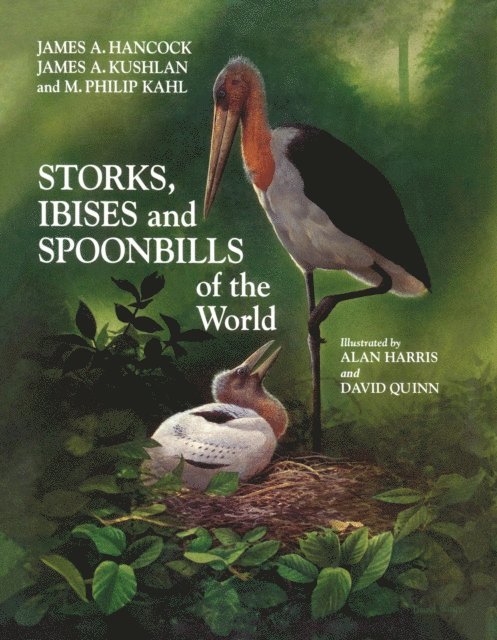
Everything you ever wanted to know about storks, ibises and spoonbills.Some of the world''s largest and most spectacular birds are to be found among this group of wading birds. Tragically, they also include many of the world''s most endangered species, as changes in land use erode their wetland habitats.Some like the White Stork have lived alongside humans for hundreds of years and are well known from numerous studies. Others, like the Storm''s stork and ibises of West Africa, South-East Asia and South America live so secluded a life in the remote corners of the globe that they will probably be extinct before even the most basic details of their biology are known.In this monograph, three authors and two artists have combined their skills to capture what is known of this group of wading birds. The text opens with general chapters on taxonomy and feeding, breeding and behaviour, followed by detailed coverage of each species.
E-bok
Engelska, 2010876 kr
Läs direkt efter köp
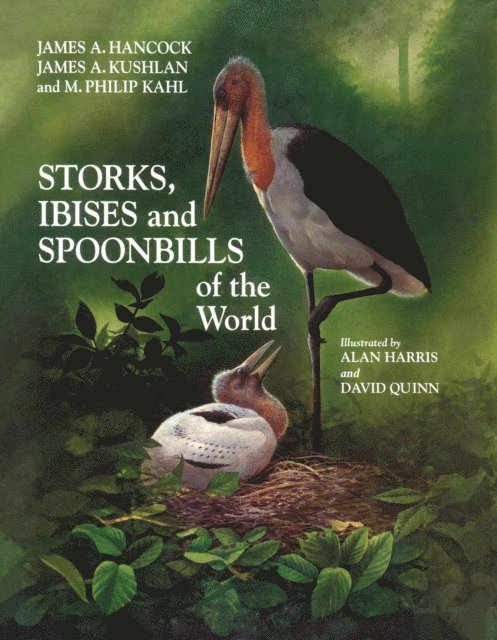
Everything you ever wanted to know about storks, ibises and spoonbills. Some of the world''s largest and most spectacular birds are to be found among this group of wading birds. Tragically, they also include many of the world''s most endangered species, as changes in land use erode their wetland habitats. Some like the White Stork have lived alongside humans for hundreds of years and are well known from numerous studies. Others, like the Storm''s stork and ibises of West Africa, South-East Asia and South America live so secluded a life in the remote corners of the globe that they will probably be extinct before even the most basic details of their biology are known. In this monograph, three authors and two artists have combined their skills to capture what is known of this group of wading birds. The text opens with general chapters on taxonomy and feeding, breeding and behaviour, followed by detailed coverage of each species.
Häftad, Engelska, 2014
702 kr
Skickas inom 5-8 vardagar
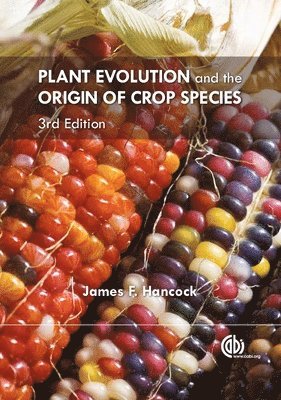
The genetic variability that developed in plants during their evolution forms the basis of their domestication and breeding into the crops grown today for food, fuel and other industrial uses. This third edition of Plant Evolution and the Origin of Crop Species brings the subject up-to-date, with more emphasis on crop origins. Beginning with a description of the processes of evolution in native and cultivated plants, the book reviews the origins of crop domestication and their subsequent development over time. All major crop species are discussed, including cereals, protein plants, starch crops, fruits and vegetables, from their origins to conservation of their genetic resources for future development.
Häftad, Engelska, 2018
700 kr
Skickas
This new and updated edition of a highly successful practical book covers major topics of interest to blueberry breeders and researchers including: breeding, varieties, botany, physiology, nutrition, growth regulation, cultivation methods and practices, photosynthesis, plant interaction with the environment, weeds, pests, diseases and postharvest management. The focus is on the highbush blueberry, though information on other blueberries and related species is also provided. Blueberries are cultivated worldwide and this book explores plantings in a great diversity of environments, reflecting on the development of innovative cultural practices and conditions. It examines the increased scope and depth of research activities related to this crop and brings together the current status of knowledge on blueberry science and management. Explaining in an understandable manner the basic science behind the growth and development of blueberries, their botanical characteristics, as well as the implications and effects of various management practices and environmental conditions, Blueberries 2nd Edition also: - Highlights emerging genetic information on the blueberry. - Includes new information on pruning, grafting and irrigation. - Covers current and potential uses of plant growth regulators. - Gathers new information on fruit quality and consumer acceptance. This definitive guide to blueberry cultivation is an essential resource for soft fruit researchers, extension workers, academics, breeders, growers and students.
E-bok
PDF, Engelska, 2018765 kr
Läs direkt efter köp
This new and updated edition of a highly successful practical book covers major topics of interest to blueberry breeders and researchers including: breeding, varieties, botany, physiology, nutrition, growth regulation, cultivation methods and practices, photosynthesis, plant interaction with the environment, weeds, pests, diseases and postharvest management. The focus is on the highbush blueberry, though information on other blueberries and related species is also provided. Blueberries are cultivated worldwide and this book explores plantings in a great diversity of environments, reflecting on the development of innovative cultural practices and conditions. It examines the increased scope and depth of research activities related to this crop and brings together the current status of knowledge on blueberry science and management. Explaining in an understandable manner the basic science behind the growth and development of blueberries, their botanical characteristics, as well as the implications and effects of various management practices and environmental conditions, Blueberries 2nd Edition also: - Highlights emerging genetic information on the blueberry. - Includes new information on pruning, grafting and irrigation. - Covers current and potential uses of plant growth regulators. - Gathers new information on fruit quality and consumer acceptance. This definitive guide to blueberry cultivation is an essential resource for soft fruit researchers, extension workers, academics, breeders, growers and students.
E-bok
Engelska, 2018765 kr
Läs direkt efter köp
This new and updated edition of a highly successful practical book covers major topics of interest to blueberry breeders and researchers including: breeding, varieties, botany, physiology, nutrition, growth regulation, cultivation methods and practices, photosynthesis, plant interaction with the environment, weeds, pests, diseases and postharvest management. The focus is on the highbush blueberry, though information on other blueberries and related species is also provided. Blueberries are cultivated worldwide and this book explores plantings in a great diversity of environments, reflecting on the development of innovative cultural practices and conditions. It examines the increased scope and depth of research activities related to this crop and brings together the current status of knowledge on blueberry science and management. Explaining in an understandable manner the basic science behind the growth and development of blueberries, their botanical characteristics, as well as the implications and effects of various management practices and environmental conditions, Blueberries 2nd Edition also: - Highlights emerging genetic information on the blueberry. - Includes new information on pruning, grafting and irrigation. - Covers current and potential uses of plant growth regulators. - Gathers new information on fruit quality and consumer acceptance. This definitive guide to blueberry cultivation is an essential resource for soft fruit researchers, extension workers, academics, breeders, growers and students.
Häftad, Engelska, 2020
700 kr
Skickas
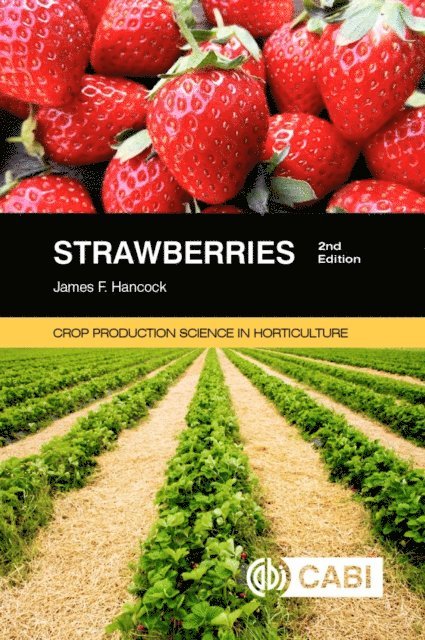
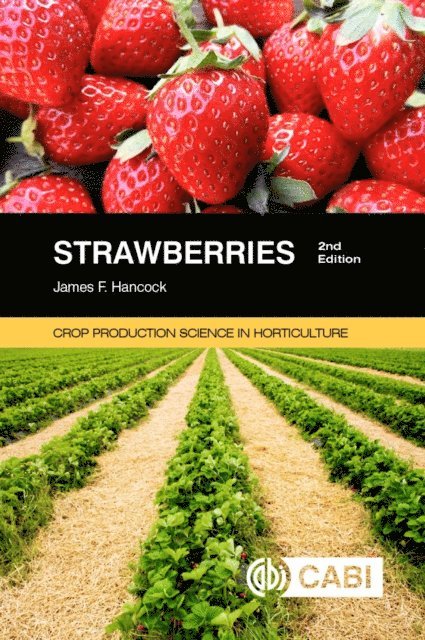
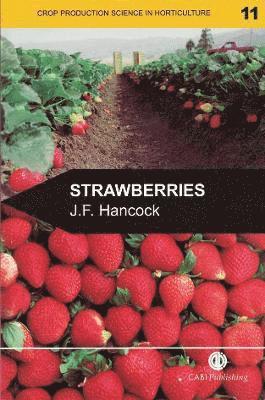
This new and updated edition of a popular text provides a broad, balanced review of the scientific knowledge of strawberries and their cultivation. The worldwide strawberry industry has grown substantially since the original book was published, and methods of culture have undergone extensive modifications. This volume incorporates important changes to the taxonomy of strawberries and new understanding of how its ancestors evolved. It includes coverage of new disease and pest control methods and recent developments in genomic information. These advancements have greatly improved our understanding of how flowering and fruiting is regulated, and will revolutionize the breeding of strawberries. Drawing on extensive research and practical experience, the author presents an essential text that: Includes new content on genomic data, trait genetics, and marker-assisted strategies for varietal improvement. Provides a thorough review of the evolution of the strawberry and the history of strawberry cultivation. Contains an up-to-date comparison of the cultural systems employed across the world and the physiology behind these practices. Presented in full-colour throughout, this is a core guide for academic and professional researchers, breeders and growers, advisors, extension personnel and students of horticulture.
E-bok
PDF, Engelska, 2020773 kr
Läs direkt efter köp
This new and updated edition of a popular text provides a broad, balanced review of the scientific knowledge of strawberries and their cultivation. The worldwide strawberry industry has grown substantially since the original book was published, and methods of culture have undergone extensive modifications. This volume incorporates important changes to the taxonomy of strawberries and new understanding of how its ancestors evolved. It includes coverage of new disease and pest control methods and recent developments in genomic information. These advancements have greatly improved our understanding of how flowering and fruiting is regulated, and will revolutionize the breeding of strawberries. Drawing on extensive research and practical experience, the author presents an essential text that: Includes new content on genomic data, trait genetics, and marker-assisted strategies for varietal improvement. Provides a thorough review of the evolution of the strawberry and the history of strawberry cultivation. Contains an up-to-date comparison of the cultural systems employed across the world and the physiology behind these practices. Presented in full-colour throughout, this is a core guide for academic and professional researchers, breeders and growers, advisors, extension personnel and students of horticulture.
E-bok
Engelska, 2020773 kr
Läs direkt efter köp
This new and updated edition of a popular text provides a broad, balanced review of the scientific knowledge of strawberries and their cultivation. The worldwide strawberry industry has grown substantially since the original book was published, and methods of culture have undergone extensive modifications. This volume incorporates important changes to the taxonomy of strawberries and new understanding of how its ancestors evolved. It includes coverage of new disease and pest control methods and recent developments in genomic information. These advancements have greatly improved our understanding of how flowering and fruiting is regulated, and will revolutionize the breeding of strawberries. Drawing on extensive research and practical experience, the author presents an essential text that: Includes new content on genomic data, trait genetics, and marker-assisted strategies for varietal improvement. Provides a thorough review of the evolution of the strawberry and the history of strawberry cultivation. Contains an up-to-date comparison of the cultural systems employed across the world and the physiology behind these practices. Presented in full-colour throughout, this is a core guide for academic and professional researchers, breeders and growers, advisors, extension personnel and students of horticulture.
Häftad, Engelska, 2021
476 kr
Skickas
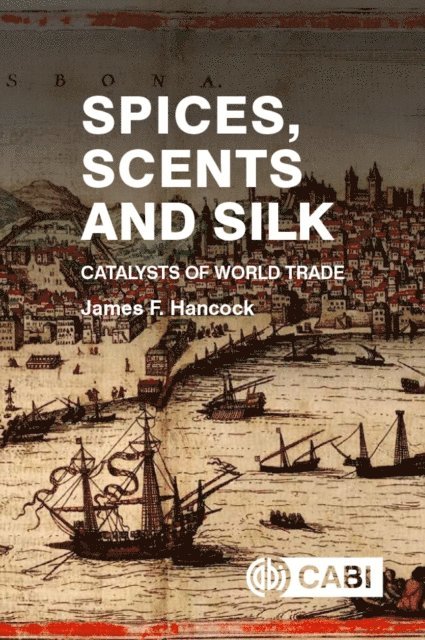
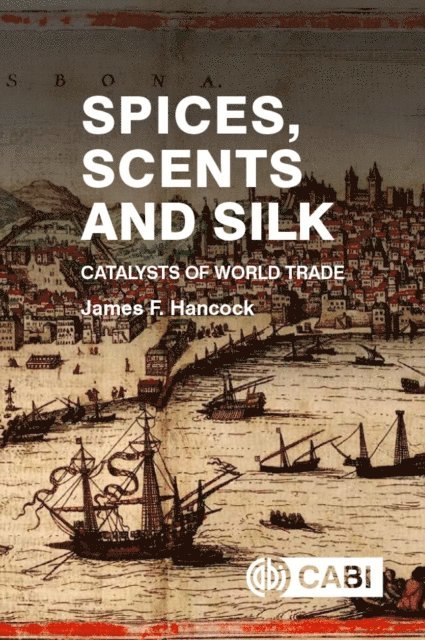
Spices, scents and silks were at the centre of world trade for millennia. Exotic luxuries such as cinnamon, ginger, pepper, saffron, clove, frankincense and myrrh. Through their international trade, humans were pushed to explore and then travel to the far corners of the earth. Almost from their inception, the earliest great civilizations - Egypt, Sumer and Harappa - became addicted to the luxury products of far-off lands and established long-reaching trade networks. Over time, great powers fought mightily for the kingdoms where silk, spices and scents were produced. The New World was accidentally discovered by Columbus in his quest for spices. What made trade in these products so remarkable was that the plants producing them grew in very restricted areas of the world, distant from the wealthy civilizations of northern Africa, Greece and Europe. These luxuries could be carried from mysterious locations on the backs of camels or in the holds of ships for months on end, and arrived at their final destination in nearly perfect condition. Once the western world discovered the intoxicating properties of these products, their procurement became a dominant force in the world economy. Nothing else compared with their possible profit returns. In this book, eminent horticulturist and author James Hancock examines the origins and early domestication and culture of spices, scents and silks and the central role they played in the lives of the ancients. The book also traces the development of the great international trade networks and explores how struggles for trade dominance and demand for such luxuries shaped the world. Recommended for academics, students and general readers with an interest in crop and agricultural development, world trade, economic botany, history of food, and global economics and public policy, Spices, Scents and Silk offers a fascinating and insightful history.
E-bok
PDF, Engelska, 2021518 kr
Läs direkt efter köp
Spices, scents and silks were at the centre of world trade for millennia. Exotic luxuries such as cinnamon, ginger, pepper, saffron, clove, frankincense and myrrh. Through their international trade, humans were pushed to explore and then travel to the far corners of the earth. Almost from their inception, the earliest great civilizations - Egypt, Sumer and Harappa - became addicted to the luxury products of far-off lands and established long-reaching trade networks. Over time, great powers fought mightily for the kingdoms where silk, spices and scents were produced. The New World was accidentally discovered by Columbus in his quest for spices. What made trade in these products so remarkable was that the plants producing them grew in very restricted areas of the world, distant from the wealthy civilizations of northern Africa, Greece and Europe. These luxuries could be carried from mysterious locations on the backs of camels or in the holds of ships for months on end, and arrived at their final destination in nearly perfect condition. Once the western world discovered the intoxicating properties of these products, their procurement became a dominant force in the world economy. Nothing else compared with their possible profit returns. In this book, eminent horticulturist and author James Hancock examines the origins and early domestication and culture of spices, scents and silks and the central role they played in the lives of the ancients. The book also traces the development of the great international trade networks and explores how struggles for trade dominance and demand for such luxuries shaped the world. Recommended for academics, students and general readers with an interest in crop and agricultural development, world trade, economic botany, history of food, and global economics and public policy, Spices, Scents and Silk offers a fascinating and insightful history.
E-bok
Engelska, 2021518 kr
Läs direkt efter köp
Spices, scents and silks were at the centre of world trade for millennia. Exotic luxuries such as cinnamon, ginger, pepper, saffron, clove, frankincense and myrrh. Through their international trade, humans were pushed to explore and then travel to the far corners of the earth. Almost from their inception, the earliest great civilizations - Egypt, Sumer and Harappa - became addicted to the luxury products of far-off lands and established long-reaching trade networks. Over time, great powers fought mightily for the kingdoms where silk, spices and scents were produced. The New World was accidentally discovered by Columbus in his quest for spices. What made trade in these products so remarkable was that the plants producing them grew in very restricted areas of the world, distant from the wealthy civilizations of northern Africa, Greece and Europe. These luxuries could be carried from mysterious locations on the backs of camels or in the holds of ships for months on end, and arrived at their final destination in nearly perfect condition. Once the western world discovered the intoxicating properties of these products, their procurement became a dominant force in the world economy. Nothing else compared with their possible profit returns. In this book, eminent horticulturist and author James Hancock examines the origins and early domestication and culture of spices, scents and silks and the central role they played in the lives of the ancients. The book also traces the development of the great international trade networks and explores how struggles for trade dominance and demand for such luxuries shaped the world. Recommended for academics, students and general readers with an interest in crop and agricultural development, world trade, economic botany, history of food, and global economics and public policy, Spices, Scents and Silk offers a fascinating and insightful history.
Inbunden, Engelska, 2012
1 650 kr
Skickas inom 5-8 vardagar
The genetic variability that developed in plants during their evolution forms the basis of their domestication and breeding into the crops grown today for food, fuel and other industrial uses. This third edition of Plant Evolution and the Origin of Crop Species brings the subject up-to-date, with more emphasis on crop origins. Beginning with a description of the processes of evolution in native and cultivated plants, the book reviews the origins of crop domestication and their subsequent development over time. All major crop species are discussed, including cereals, protein plants, starch crops, fruits and vegetables, from their origins to conservation of their genetic resources for future development.