James Jessen Badal – författare
289 kr
Skickas inom 10-15 vardagar
229 kr
Skickas inom 10-15 vardagar
289 kr
Skickas inom 10-15 vardagar
276 kr
Skickas inom 5-8 vardagar
205 kr
Läs direkt efter köp
One of the nation’s first highly publicized missing child cases
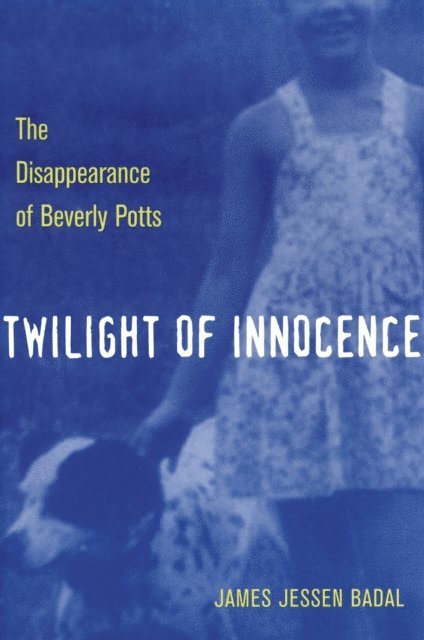
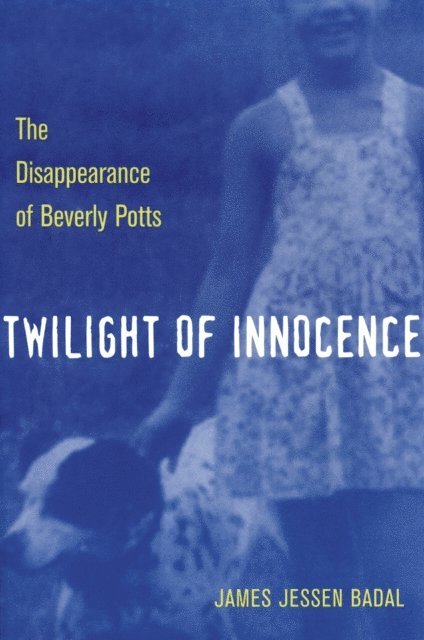
Ten-year-old Beverly Potts was last seen at 9:00 p.m. the evening of August 24, 1951, at Halloran Park on Cleveland’s West Side. She and her neighbor and friend Patricia Swing had gone to see the Showagon—a troupe of singers, dancers, magicians, and other performers that traveled around Cleveland’s neighborhood parks during the summer, giving free performances. Patricia had to be home before dark, but Beverly’s parents told her she could stay until the show was over. When she was still not home by 9:30, her father, Robert, went out looking for her. He returned home at 10:30 without his daughter and called the Cleveland police. Beverly Potts had disappeared without a trace or any evidence of her fate.
James Jessen Badal reexamines the events leading up to Beverly Potts’s disappearance and the subsequent police investigation and over-the-top, sensational publicity in the Cleveland press. His interviews with detectives assigned to this still-open case and his examination of police records provide a chronology of the false leads and hoaxes that culminated in this disturbing case of dead end after dead end. Badal draws comparisons between investigative techniques of the time and more modern ones and examines the social and historical context in his analysis of the more than half-century of public fascination with this case.
Those who remember the kidnapping and still wonder what happened to Beverly Potts will look for clues in this book. True crime aficionados everywhere will find Twilight of Innocence to be an important study in the tragedy of unsolved disappearances.
205 kr
Läs direkt efter köp
One of the nation’s first highly publicized missing child cases
Ten-year-old Beverly Potts was last seen at 9:00 p.m. the evening of August 24, 1951, at Halloran Park on Cleveland’s West Side. She and her neighbor and friend Patricia Swing had gone to see the Showagon—a troupe of singers, dancers, magicians, and other performers that traveled around Cleveland’s neighborhood parks during the summer, giving free performances. Patricia had to be home before dark, but Beverly’s parents told her she could stay until the show was over. When she was still not home by 9:30, her father, Robert, went out looking for her. He returned home at 10:30 without his daughter and called the Cleveland police. Beverly Potts had disappeared without a trace or any evidence of her fate.
James Jessen Badal reexamines the events leading up to Beverly Potts’s disappearance and the subsequent police investigation and over-the-top, sensational publicity in the Cleveland press. His interviews with detectives assigned to this still-open case and his examination of police records provide a chronology of the false leads and hoaxes that culminated in this disturbing case of dead end after dead end. Badal draws comparisons between investigative techniques of the time and more modern ones and examines the social and historical context in his analysis of the more than half-century of public fascination with this case.
Those who remember the kidnapping and still wonder what happened to Beverly Potts will look for clues in this book. True crime aficionados everywhere will find Twilight of Innocence to be an important study in the tragedy of unsolved disappearances.
219 kr
Läs direkt efter köp
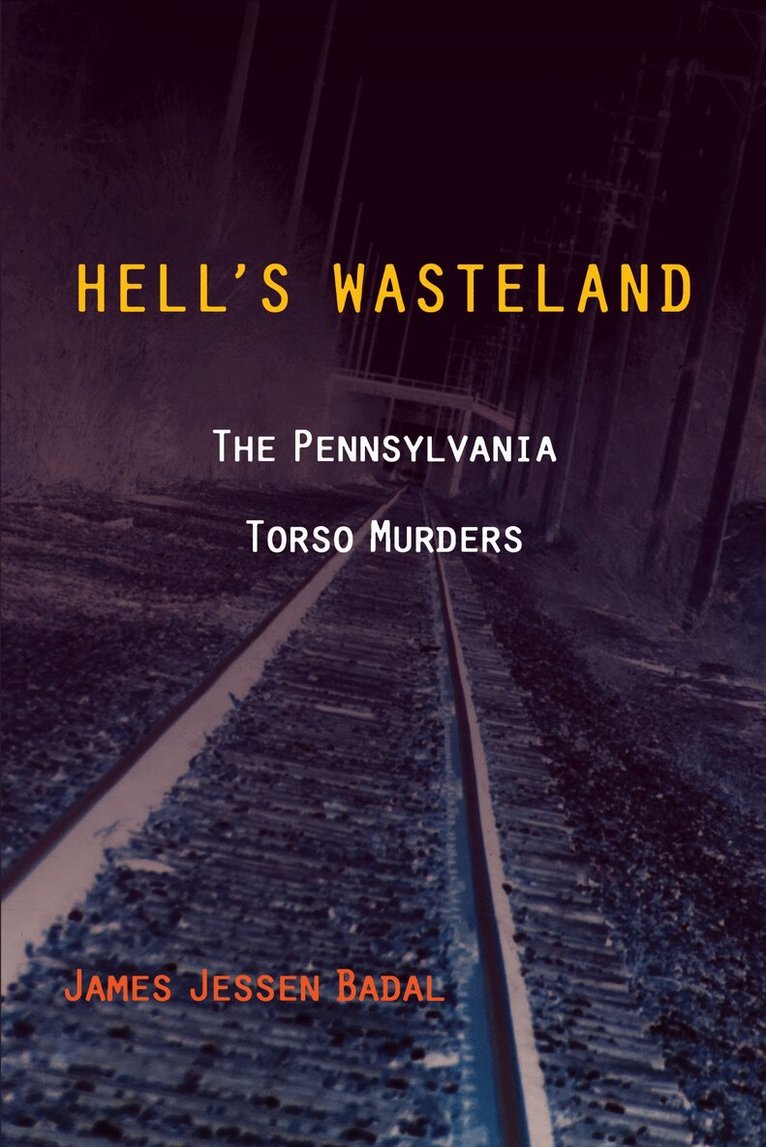
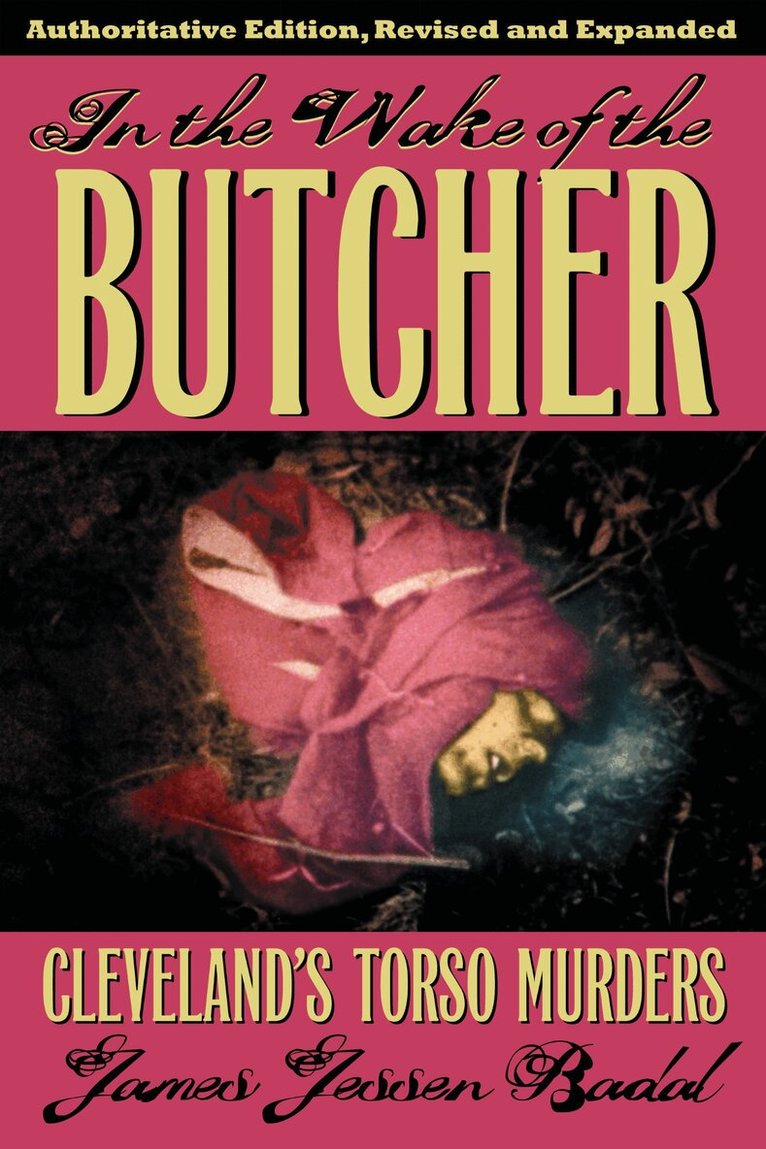
From 1934 to 1938, Cleveland, Ohio, was racked by a classic battle between good and evil. On one side was the city’s safety director, Eliot Ness. On the other was a nameless phantom dubbed the “Mad Butcher of Kingsbury Run,” who littered the inner city with the remains of decapitated and dismembered corpses. Never caught or even officially identified, the Butcher simply faded into history, leaving behind a frightening legend that both haunts and fascinates Cleveland to this day. In 2001 the Kent State University Press published James Jessen Badal’s In the Wake of the Butcher: Cleveland’s Torso Murders, the first serious, book-length treatment of this dark chapter in true crime history. Though Murder Has No Tongue: The Lost Victim of Cleveland’s Mad Butcher—a detailed study of the arrest and mysterious death of Frank Dolezal, the only man ever charged in the killings—followed in 2010.
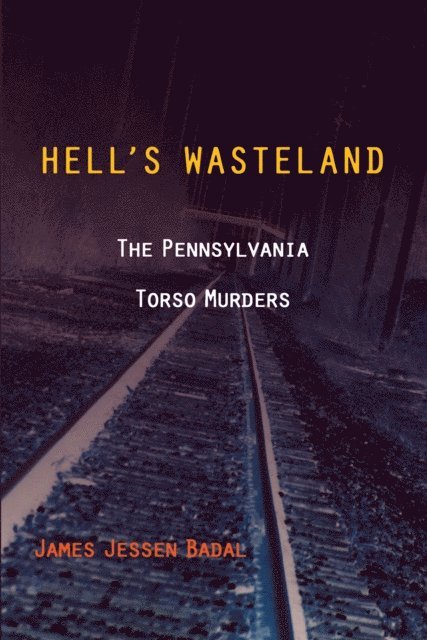
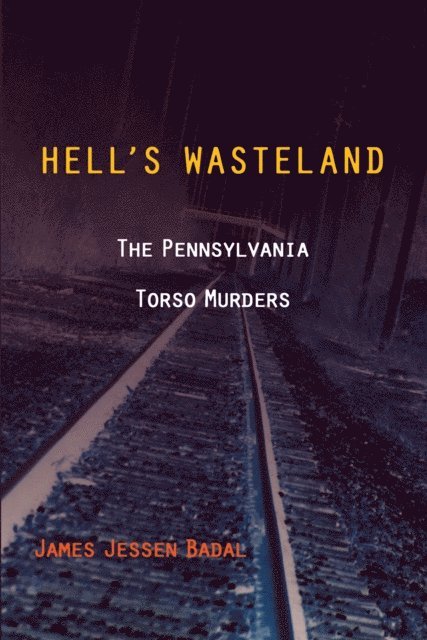
Now Badal concludes his examination of the horrific cycle of murder-dismemberments with Hell’s Wasteland: The Pennsylvania Torso Murders. During the mid-1920s, a vast, swampy area just across the Ohio border near New Castle, Pennsylvania, revealed a series of decapitated and otherwise mutilated bodies. In 1940 railroad workers found the rotting remains of three naked and decapitated bodies in a string of derelict boxcars awaiting destruction in Pennsylvania’s Stowe Township. Were all of these terrible murders the work of Cleveland’s Mad Butcher? Many in Ohio and Pennsylvania law enforcement thought they were, and that assumption led to a massive, well-coordinated two-state investigation. In Hell’s Wasteland, Badal explores that nagging question in depth for the first time.
Relying on police reports, unpublished memoirs, and the surviving autopsy protocols—as well as contemporary newspaper coverage— Badal provides a detailed examination of the murder-dismemberments and weighs the evidence that potentially links them to the Cleveland carnage. Hell’s Wasteland is the last piece in the gigantic torso murder puzzle that spanned three decades, covered two states, and involved law enforcement from as many as five different cities.
219 kr
Läs direkt efter köp
From 1934 to 1938, Cleveland, Ohio, was racked by a classic battle between good and evil. On one side was the city’s safety director, Eliot Ness. On the other was a nameless phantom dubbed the “Mad Butcher of Kingsbury Run,” who littered the inner city with the remains of decapitated and dismembered corpses. Never caught or even officially identified, the Butcher simply faded into history, leaving behind a frightening legend that both haunts and fascinates Cleveland to this day. In 2001 the Kent State University Press published James Jessen Badal’s In the Wake of the Butcher: Cleveland’s Torso Murders, the first serious, book-length treatment of this dark chapter in true crime history. Though Murder Has No Tongue: The Lost Victim of Cleveland’s Mad Butcher—a detailed study of the arrest and mysterious death of Frank Dolezal, the only man ever charged in the killings—followed in 2010.
Now Badal concludes his examination of the horrific cycle of murder-dismemberments with Hell’s Wasteland: The Pennsylvania Torso Murders. During the mid-1920s, a vast, swampy area just across the Ohio border near New Castle, Pennsylvania, revealed a series of decapitated and otherwise mutilated bodies. In 1940 railroad workers found the rotting remains of three naked and decapitated bodies in a string of derelict boxcars awaiting destruction in Pennsylvania’s Stowe Township. Were all of these terrible murders the work of Cleveland’s Mad Butcher? Many in Ohio and Pennsylvania law enforcement thought they were, and that assumption led to a massive, well-coordinated two-state investigation. In Hell’s Wasteland, Badal explores that nagging question in depth for the first time.
Relying on police reports, unpublished memoirs, and the surviving autopsy protocols—as well as contemporary newspaper coverage— Badal provides a detailed examination of the murder-dismemberments and weighs the evidence that potentially links them to the Cleveland carnage. Hell’s Wasteland is the last piece in the gigantic torso murder puzzle that spanned three decades, covered two states, and involved law enforcement from as many as five different cities.
273 kr
Läs direkt efter köp
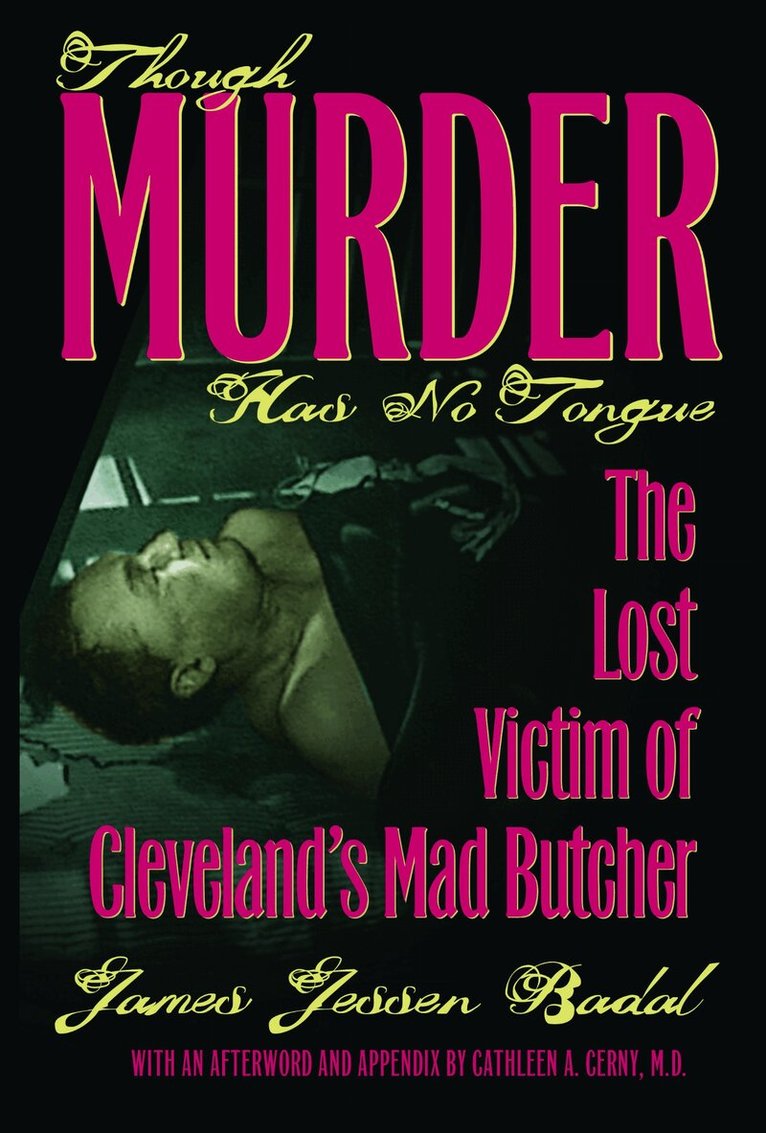
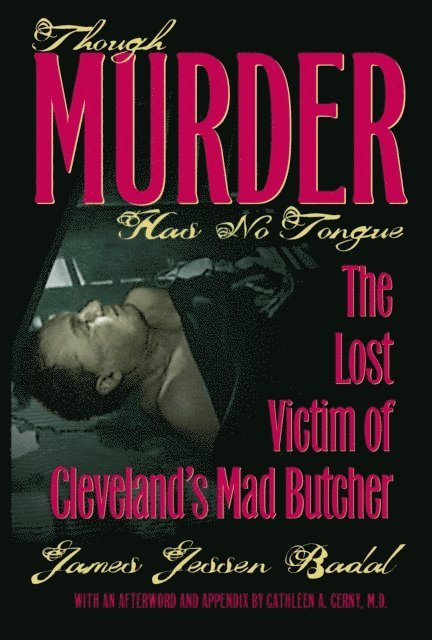
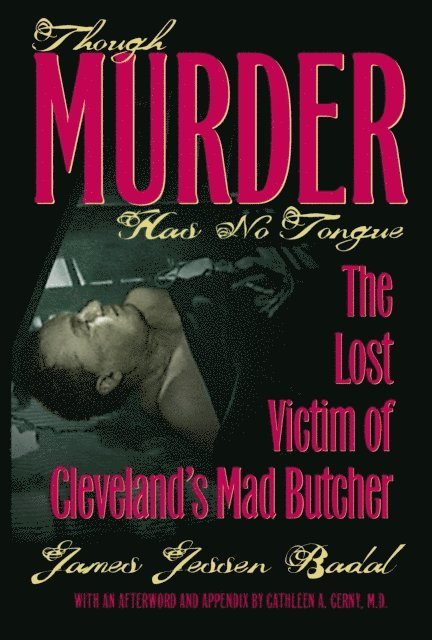
Though Murder Has No Tongue tells the story of Frank Dolezal, the only man actually arrested and charged with the infamous “Torso Murders” in Cleveland, Ohio, during the late 1930s. Dolezal, a fifty-two-year-old Slav immigrant, came to the attention of sheriff ’s investigators because of his reputation as a strange man who possessed a stockpile of butcher knives. According to rumors, he threatened imagined transgressors and had a penchant for frequenting bars in the seedy neighborhood where the dismembered bodies of victims had been discovered. Dolezal was arrested in July 1939 and never saw freedom again.
Convinced that they had captured the “Mad Butcher of Kingsbury Run,” sheriff’s deputies interrogated Dolezal for two days under harsh conditions. Sheriff Martin O’Donnell called a press conference and announced that the long hoped-for break in the torso killings had finally come: Dolezal had admitted to the January 1936 murder and dismemberment of Flo Polillo, one of the early victims of the Mad Butcher. During the next six days, Dolezal was questioned further, given a lie detector test, beaten, and generally mistreated. Ultimately he was arraigned on firstdegree murder charges that were quickly dropped because he was denied legal representation.
At his second arraignment in July, Dolezal was bound over on manslaughter charges. Within a month, he was dead—found hanged in his cell. His mysterious death was ruled a suicide. But was it?
In Though Murder Has No Tongue, James Jessen Badal tells a gripping tale of justice gone wrong. It is also a modern story of forensic analysis as compelling as an episode of CSI. Using police and sheriff reports, inquest testimony, autopsy and archival photographs, unpublished notes from the primary investigators, and analyses from some of today’s top forensic anthropologists and medical examiners, Badal establishes the facts, dispels rumors, and presents a thorough examination of the real reasons behind Frank Dolezal’s mysterious death.
273 kr
Läs direkt efter köp
Though Murder Has No Tongue tells the story of Frank Dolezal, the only man actually arrested and charged with the infamous “Torso Murders” in Cleveland, Ohio, during the late 1930s. Dolezal, a fifty-two-year-old Slav immigrant, came to the attention of sheriff ’s investigators because of his reputation as a strange man who possessed a stockpile of butcher knives. According to rumors, he threatened imagined transgressors and had a penchant for frequenting bars in the seedy neighborhood where the dismembered bodies of victims had been discovered. Dolezal was arrested in July 1939 and never saw freedom again.
Convinced that they had captured the “Mad Butcher of Kingsbury Run,” sheriff’s deputies interrogated Dolezal for two days under harsh conditions. Sheriff Martin O’Donnell called a press conference and announced that the long hoped-for break in the torso killings had finally come: Dolezal had admitted to the January 1936 murder and dismemberment of Flo Polillo, one of the early victims of the Mad Butcher. During the next six days, Dolezal was questioned further, given a lie detector test, beaten, and generally mistreated. Ultimately he was arraigned on firstdegree murder charges that were quickly dropped because he was denied legal representation.
At his second arraignment in July, Dolezal was bound over on manslaughter charges. Within a month, he was dead—found hanged in his cell. His mysterious death was ruled a suicide. But was it?
In Though Murder Has No Tongue, James Jessen Badal tells a gripping tale of justice gone wrong. It is also a modern story of forensic analysis as compelling as an episode of CSI. Using police and sheriff reports, inquest testimony, autopsy and archival photographs, unpublished notes from the primary investigators, and analyses from some of today’s top forensic anthropologists and medical examiners, Badal establishes the facts, dispels rumors, and presents a thorough examination of the real reasons behind Frank Dolezal’s mysterious death.
278 kr
Läs direkt efter köp
A devastating loss of life and a community’s response
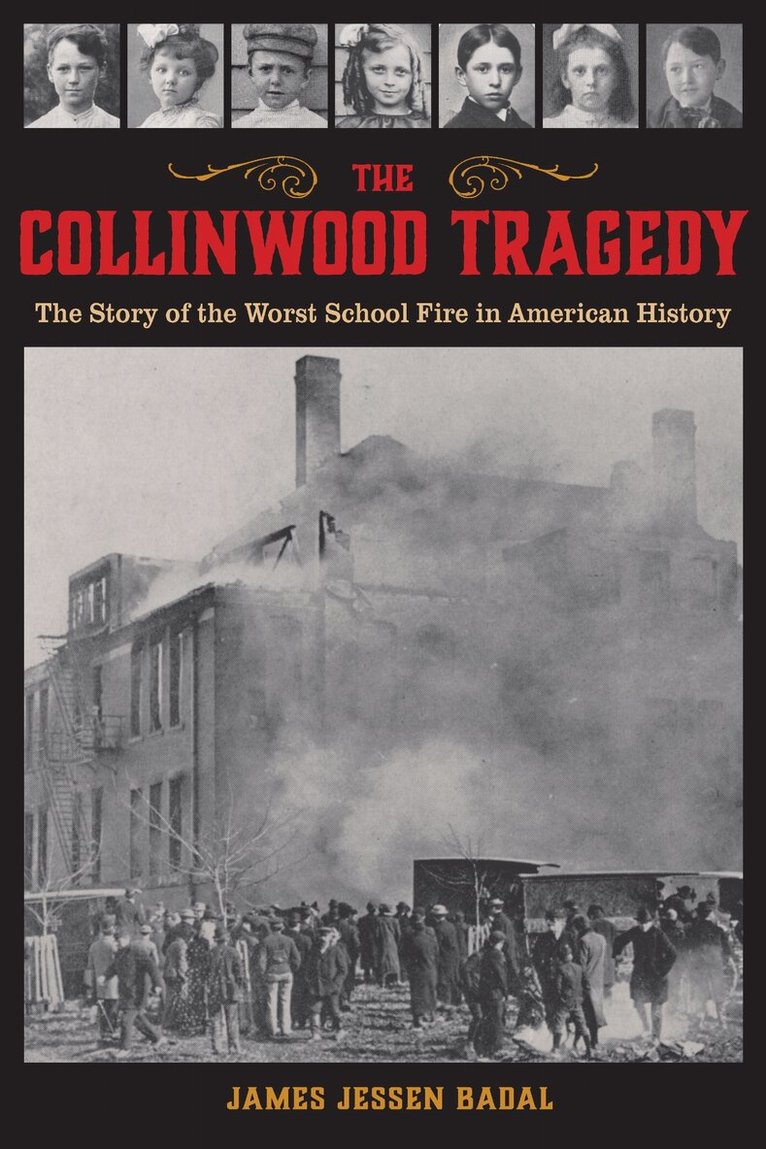
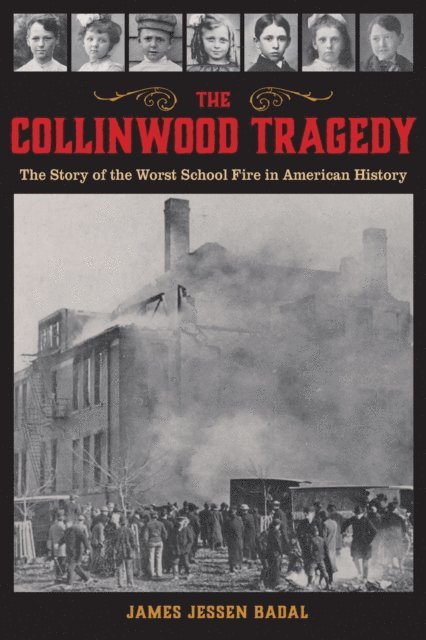
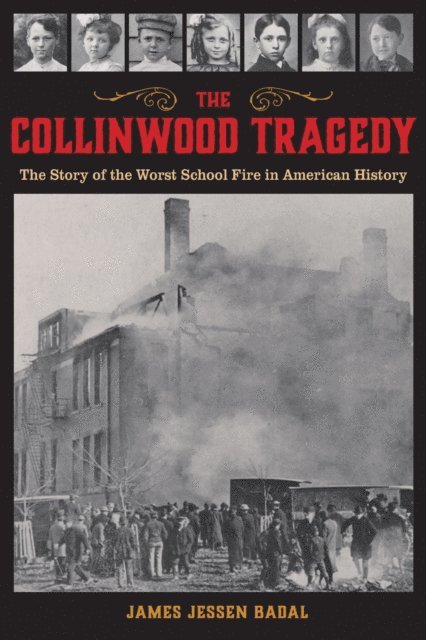
March 4, 1908, was an ordinary morning in Collinwood, Ohio, a village about ten miles outside of Cleveland. Children at Lakeview Elementary School were at work on their lessons when fifth-grader Emma Neibert noticed wisps of smoke, a discovery that led to a panicked stampede inside the school—the chaos of nine teachers trying to control and then save pupils in overcrowded classrooms. Outside, desperate parents and would-be rescuers fought to save as many children as possible, while Collinwood’s inadequate volunteer fire department—joined by members of the Cleveland fire department—fought a losing battle with the rapidly spreading blaze.
While some inside jumped from the building to safety, most were trapped. Ultimately, 172 children, two teachers, and one rescue worker were killed, and the Collinwood community was irrevocably changed.
The fire’s staggering death toll shocked the entire country and resulted in impassioned official inquiries about the fire’s cause, the building’s structure, and overall safety considerations. Regionally, and eventually nationwide, changes were implemented in school structures and construction materials.
The Collinwood Tragedy: The Story of the Worst School Fire in American History describes not only the events of that fateful day but also their lingering effects. James Jessen Badal’s extensive research reveals how the citizens of Collinwood were desperate to find someone to blame for the tragedy. Rumor and suspicion splintered the grieving community. And yet they also rose to the challenge of healing: officials reached out to immigrant families unsure of their rights; city charities, churches, and relief agencies responded immediately with medical help, comfort for the bereaved, and financial support; and fundraising efforts to assist families totaled more than $50,000—more than $1 million in today’s terms.
278 kr
Läs direkt efter köp
A devastating loss of life and a community’s response
March 4, 1908, was an ordinary morning in Collinwood, Ohio, a village about ten miles outside of Cleveland. Children at Lakeview Elementary School were at work on their lessons when fifth-grader Emma Neibert noticed wisps of smoke, a discovery that led to a panicked stampede inside the school—the chaos of nine teachers trying to control and then save pupils in overcrowded classrooms. Outside, desperate parents and would-be rescuers fought to save as many children as possible, while Collinwood’s inadequate volunteer fire department—joined by members of the Cleveland fire department—fought a losing battle with the rapidly spreading blaze.
While some inside jumped from the building to safety, most were trapped. Ultimately, 172 children, two teachers, and one rescue worker were killed, and the Collinwood community was irrevocably changed.
The fire’s staggering death toll shocked the entire country and resulted in impassioned official inquiries about the fire’s cause, the building’s structure, and overall safety considerations. Regionally, and eventually nationwide, changes were implemented in school structures and construction materials.
The Collinwood Tragedy: The Story of the Worst School Fire in American History describes not only the events of that fateful day but also their lingering effects. James Jessen Badal’s extensive research reveals how the citizens of Collinwood were desperate to find someone to blame for the tragedy. Rumor and suspicion splintered the grieving community. And yet they also rose to the challenge of healing: officials reached out to immigrant families unsure of their rights; city charities, churches, and relief agencies responded immediately with medical help, comfort for the bereaved, and financial support; and fundraising efforts to assist families totaled more than $50,000—more than $1 million in today’s terms.