James Kirwan - Böcker
Visar alla böcker från författaren James Kirwan. Handla med fri frakt och snabb leverans.
7 produkter
7 produkter
2 103 kr
Skickas inom 10-15 vardagar
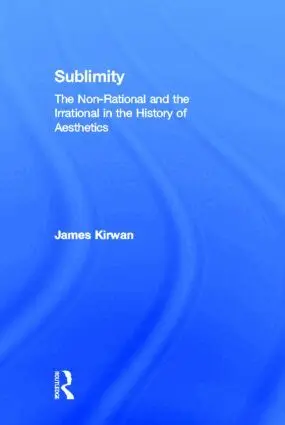
Sublimity addresses the nature of the sublime experience itself, and the function that experience has played, and continues to play, within aesthetic discourse. The book both updates and revises existing treatments of the sublime in the eighteenth century, examines its neglected role in the nineteenth century aesthetics, and analyzes the significance of the modifications the concept has undergone in order to serve the interests of contemporary aesthetics. The book thus offers the most comprehensive coverage of the history of the sublime available.
805 kr
Skickas inom 10-15 vardagar
Sublimity addresses the nature of the sublime experience itself, and the function that experience has played, and continues to play, within aesthetic discourse. The book both updates and revises existing treatments of the sublime in the eighteenth century, examines its neglected role in the nineteenth century aesthetics, and analyzes the significance of the modifications the concept has undergone in order to serve the interests of contemporary aesthetics. The book thus offers the most comprehensive coverage of the history of the sublime available.

716 kr
Tillfälligt slut
2 551 kr
Skickas inom 10-15 vardagar
"A very serious undertaking by a scholar who has an excellent knowledge of Kant's philosophy. Kant's aesthetics is a hot topic right now, so this book will be of considerable interest to those in the field." - Donald Crawford, University of Southern California at Santa Barbara. "An alternative account of aesthetic judgment which is rich, interesting and provocative. This is a book which will certainly provoke engagement and debate." - Rachel Jones, Dundee University. Kant's "Critique of Judgment" is widely considered to be the seminal work of modern aesthetics. In recent years it has been the focus of intense interest and debate not only in philosophy but also in literary theory and other disciplines in which the nature of the aesthetic is an issue. "The Aesthetic in Kant" offers a new reading of Kant's problematic text, drawing on the great volume of recent philosophical work on the text and on the context of eighteenth century aesthetics. Kant's text is used as a basis on which to construct a radical alternative solution to the antinomy of taste, the basic problem of the aesthetic.Immanent in Kant's account is a theory of the aesthetic that, far from establishing its 'disinterested' nature, instead makes it symptomatic of what Kant himself describes as the ineradicable human tendency to entertain 'fantastic desires'.
1 076 kr
Skickas inom 10-15 vardagar
Kant's Critique of the Power of Judgment is widely held to be the seminal work of modern aesthetics. In recent years it has been the focus of intense interest and debate not only in philosophy but also in literary theory and all disciplines concerned with the aesthetic. The Aesthetic in Kant is a new reading of Kant's problematic text. It draws upon the great volume of recent philosophical work on this classic text and on the context of eighteenth century aesthetics. Kant's work is used as a basis on which to construct a radical alternative to the antinomy of taste - the basic problem of the aesthetic. In Kant's account is a theory of the aesthetic that, far from establishing its 'disinterested' nature, instead makes it symptomatic of what Kant himself describes as the ineradicable human tendency to entertain 'fantastic desires'.
1 276 kr
Skickas inom 10-15 vardagar
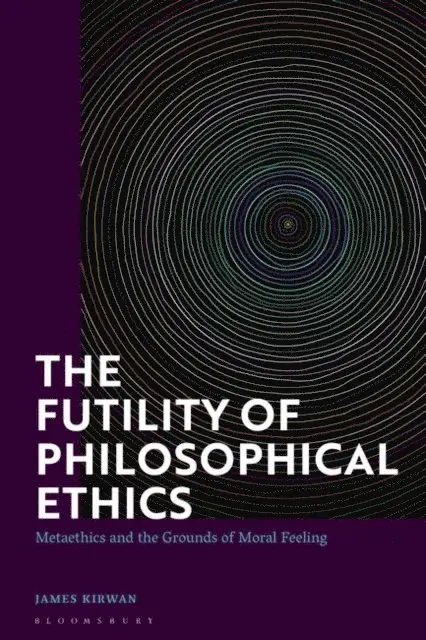
The Futility of Philosophical Ethics puts forward a novel account of the grounds of moral feeling with fundamental implications for philosophical ethics. It examines the grounds of moral feeling by both the phenomenology of that feeling, and the facts of moral feeling in operation – particularly in forms such as moral luck, vicious virtues, and moral disgust – that appear paradoxical from the point of view of systematic ethics.Using an analytic approach, James Kirwan engages in the ongoing debates among contemporary philosophers within metaethics and normative ethics. Instead of trying to erase the variety of moral responses that exist in philosophical analysis under one totalizing system, Kirwan argues that such moral theorizing is futile. His analysis counters currently prevalent arguments that seek to render the origins of moral experience unproblematic by finding substitutes for realism in various forms of noncognitivism.In reasserting the problematic nature of moral experience, and offering a theory of the origins of that experience in unavoidable individual desires, Kirwan accounts for the diverse manifestations of moral feeling and demonstrates why so many arguments in metaethics and normative ethics are necessarily irresolvable.
408 kr
Skickas inom 10-15 vardagar
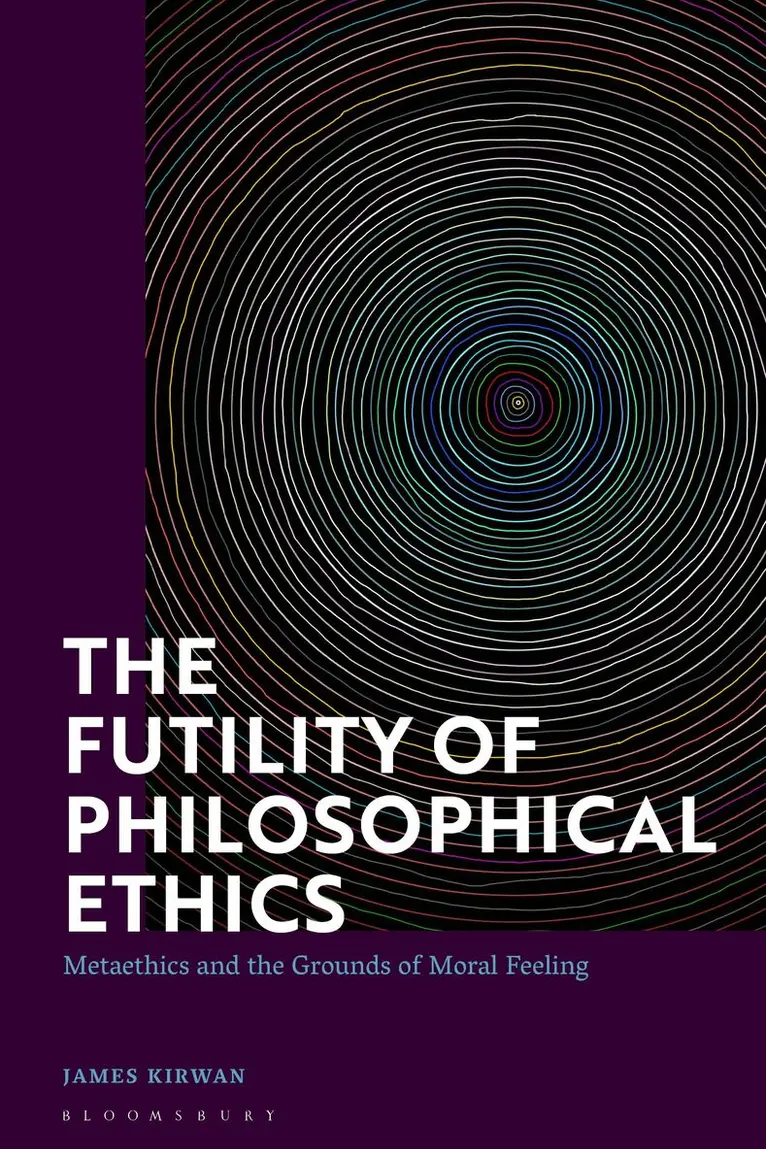
The Futility of Philosophical Ethics puts forward a novel account of the grounds of moral feeling with fundamental implications for philosophical ethics. It examines the grounds of moral feeling by both the phenomenology of that feeling, and the facts of moral feeling in operation – particularly in forms such as moral luck, vicious virtues, and moral disgust – that appear paradoxical from the point of view of systematic ethics.Using an analytic approach, James Kirwan engages in the ongoing debates among contemporary philosophers within metaethics and normative ethics. Instead of trying to erase the variety of moral responses that exist in philosophical analysis under one totalizing system, Kirwan argues that such moral theorizing is futile. His analysis counters currently prevalent arguments that seek to render the origins of moral experience unproblematic by finding substitutes for realism in various forms of noncognitivism.In reasserting the problematic nature of moral experience, and offering a theory of the origins of that experience in unavoidable individual desires, Kirwan accounts for the diverse manifestations of moral feeling and demonstrates why so many arguments in metaethics and normative ethics are necessarily irresolvable.