James L. Leloudis – författare
Visar alla böcker från författaren James L. Leloudis. Handla med fri frakt och snabb leverans.
15 produkter
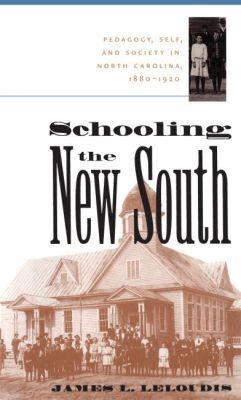
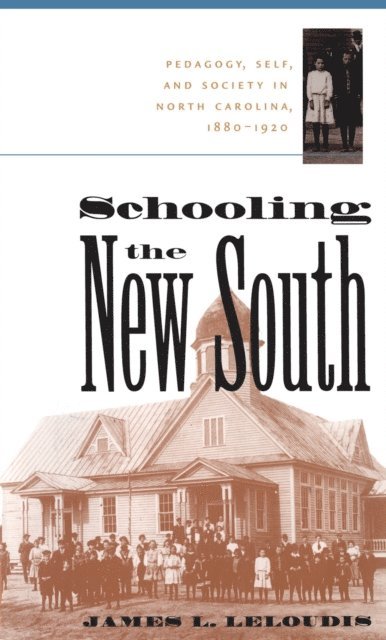
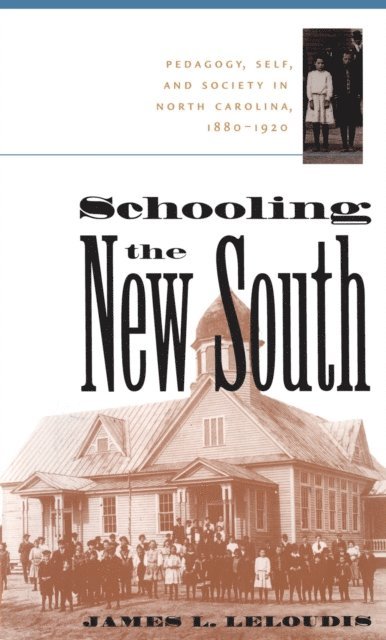
Schooling the New South
Pedagogy, Self, and Society in North Carolina, 1880-1920
Häftad, 1999
487 kr
Lägg i varukorg
Schooling the New South deftly combines social and political history, gender studies, and African American history into a story of educational reform. James Leloudis recreates North Carolina's classrooms as they existed at the turn of the century and explores the wide-ranging social and …
Schooling the New South
Pedagogy, Self, and Society in North Carolina, 1880-1920
E-bok, 2000
535 kr
Lägg i varukorg
Schooling the New South deftly combines social and political history, gender studies, and African American history into a story of educational reform. James Leloudis recreates North Carolina’s classrooms as they existed at the turn of the century and explores the wide-ranging social and …
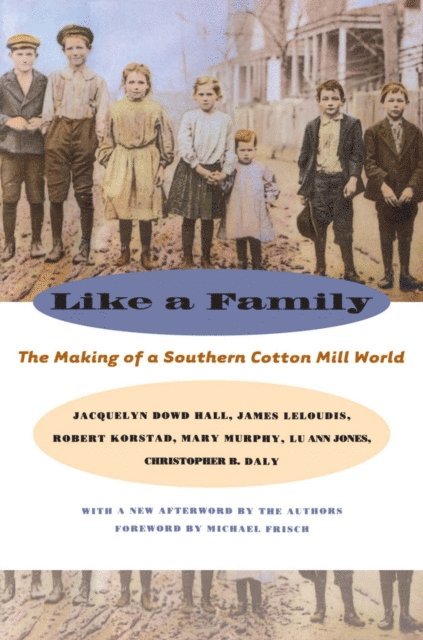
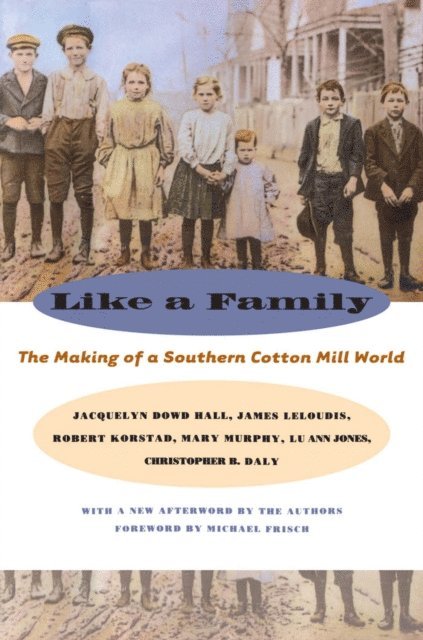
Like a Family
The Making of a Southern Cotton Mill World
Av Christopher B. Daly, Lu Ann Jones m. fl.
E-bok, 2012
410 kr
Lägg i varukorg
Since its original publication in 1987, Like a Family has become a classic in the study of American labor history. Basing their research on a series of extraordinary interviews, letters, and articles from the trade press, the authors uncover the voices and experiences of workers in the Southern …
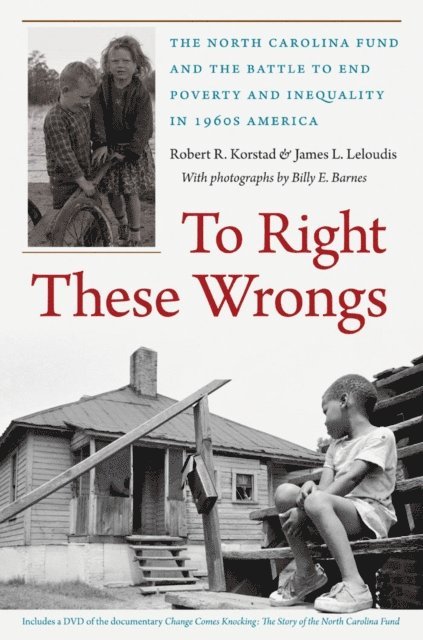
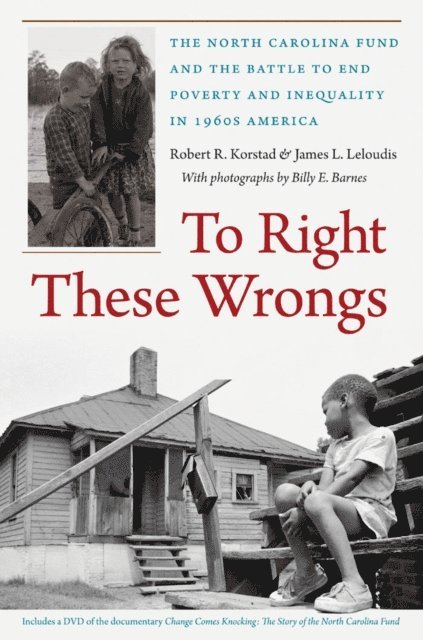
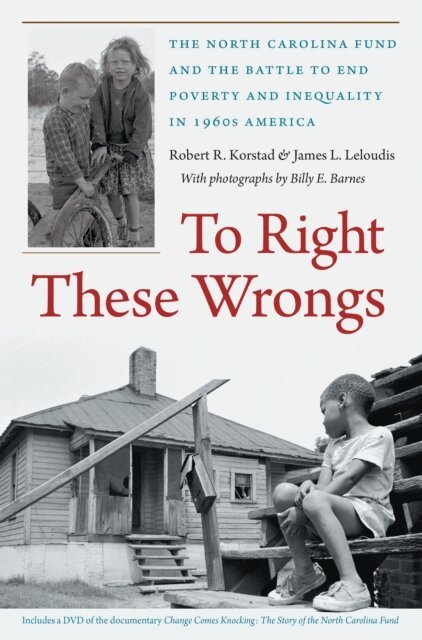
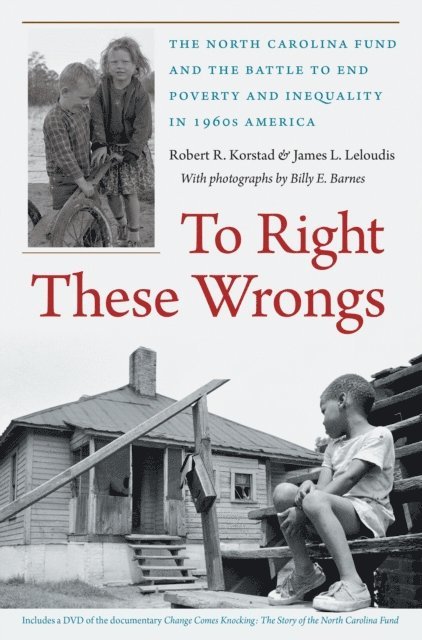
To Right These Wrongs
The North Carolina Fund and the Battle to End Poverty and Inequality in 1960s America
Av James L. Leloudis, Robert R. Korstad
E-bok, 2011
364 kr
Lägg i varukorg
When Governor Terry Sanford established the North Carolina Fund in 1963, he saw it as a way to provide a better life for the “tens of thousands whose family income is so low that daily subsistence is always in doubt.” Illustrated with evocative photographs by Billy Barnes, To Right These Wrongs …
To Right These Wrongs
The North Carolina Fund and the Battle to End Poverty and Inequality in 1960s America
Av James L. Leloudis, Robert R. Korstad
E-bok, 2011
1818 kr
Lägg i varukorg
When Governor Terry Sanford established the North Carolina Fund in 1963, he saw it as a way to provide a better life for the "tens of thousands whose family income is so low that daily subsistence is always in doubt." Illustrated with evocative photographs by Billy Barnes, To Right These Wrongs …
To Right These Wrongs
The North Carolina Fund and the Battle to End Poverty and Inequality in 1960s America
Av Robert R. Korstad, James L. Leloudis
Häftad, 2015
458 kr
Lägg i varukorg
When Governor Terry Sanford established the North Carolina Fund in 1963, he saw it as a way to provide a better life for the ""tens of thousands whose family income is so low that daily subsistence is always in doubt."" Illustrated with evocative photographs by Billy Barnes, To Right These Wrongs …
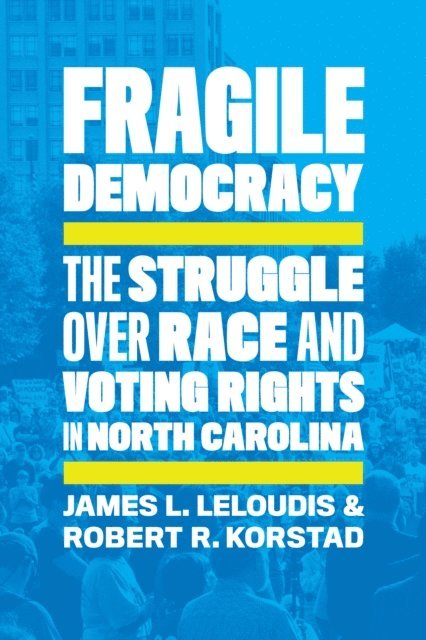
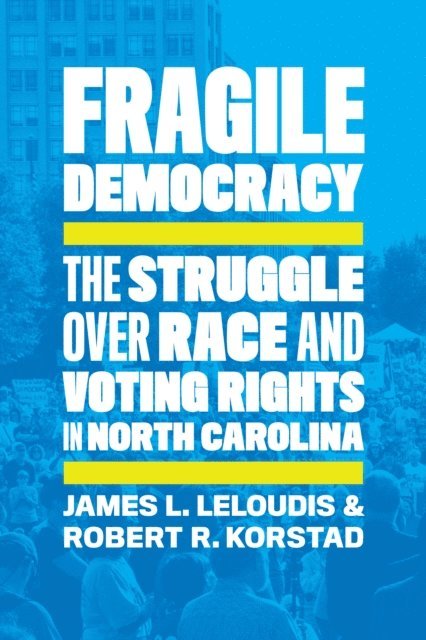
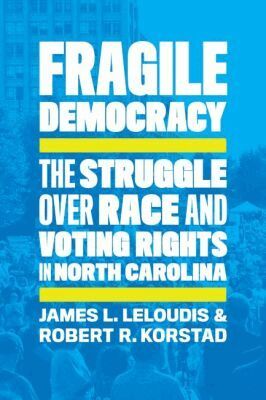
Fragile Democracy
The Struggle over Race and Voting Rights in North Carolina
Av Robert R. Korstad, James L. Leloudis
E-bok, 2020
175 kr
Lägg i varukorg
America is at war with itself over the right to vote, or, more precisely, over the question of who gets to exercise that right and under what circumstances. Conservatives speak in ominous tones of voter fraud so widespread that it threatens public trust in elected government. Progressives counter …
Fragile Democracy
The Struggle Over Race and Voting Rights in North Carolina
Av James L. Leloudis, Robert R. Korstad
Häftad, 2020
194 kr
Lägg i varukorg
America is at war with itself over the right to vote, or, more precisely, over the question of who gets to exercise that right and under what circumstances. Conservatives speak in ominous tones of voter fraud so widespread that it threatens public trust in elected government. Progressives counter …
Fragile Democracy
The Struggle over Race and Voting Rights in North Carolina
Av Robert R. Korstad, James L. Leloudis
E-bok, 2020
179 kr
Lägg i varukorg
America is at war with itself over the right to vote, or, more precisely, over the question of who gets to exercise that right and under what circumstances. Conservatives speak in ominous tones of voter fraud so widespread that it threatens public trust in elected government. Progressives counter …
Like a Family
The Making of a Southern Cotton Mill World
Av Christopher B. Daly, Lu Ann Jones m. fl.
E-bok, 2012
535 kr
Lägg i varukorg
Since its original publication in 1987, Like a Family has become a classic in the study of American labor history. Basing their research on a series of extraordinary interviews, letters, and articles from the trade press, the authors uncover the voices and experiences of workers in the Southern …
To Right These Wrongs
The North Carolina Fund and the Battle to End Poverty and Inequality in 1960s America
Av James L. Leloudis, Robert R. Korstad
E-bok, 2011
364 kr
Lägg i varukorg
When Governor Terry Sanford established the North Carolina Fund in 1963, he saw it as a way to provide a better life for the “tens of thousands whose family income is so low that daily subsistence is always in doubt.” Illustrated with evocative photographs by Billy Barnes, To Right These Wrongs …
Schooling the New South
Pedagogy, Self, and Society in North Carolina, 1880-1920
E-bok, 2000
535 kr
Lägg i varukorg
Schooling the New South deftly combines social and political history, gender studies, and African American history into a story of educational reform. James Leloudis recreates North Carolina’s classrooms as they existed at the turn of the century and explores the wide-ranging social and …
To Right These Wrongs
The North Carolina Fund and the Battle to End Poverty and Inequality in 1960s America
Av James L. Leloudis, Robert R. Korstad
E-bok, 2011
2287 kr
Lägg i varukorg
When Governor Terry Sanford established the North Carolina Fund in 1963, he saw it as a way to provide a better life for the “tens of thousands whose family income is so low that daily subsistence is always in doubt.” Illustrated with evocative photographs by Billy Barnes, To Right These Wrongs …
Like a Family
The Making of a Southern Cotton Mill World
Av Jacquelyn Dowd Hall, James L. Leloudis m. fl.
Inbunden, 1987
583 kr
Tillfälligt slut
Since its original publication in 1987, Like a Family has become a classic in the study of American labor history. Basing their research on a series of extraordinary interviews, letters, and articles from the trade press, the authors uncover the voices and experiences of workers in the Southern …
Fragile Democracy
The Struggle Over Race and Voting Rights in North Carolina
Av James L. Leloudis, Robert R. Korstad
Inbunden, 2020
1145 kr
Tillfälligt slut
America is at war with itself over the right to vote, or, more precisely, over the question of who gets to exercise that right and under what circumstances. Conservatives speak in ominous tones of voter fraud so widespread that it threatens public trust in elected government. Progressives counter …