James M. Vaughn - Böcker
Visar alla böcker från författaren James M. Vaughn. Handla med fri frakt och snabb leverans.
4 produkter
4 produkter
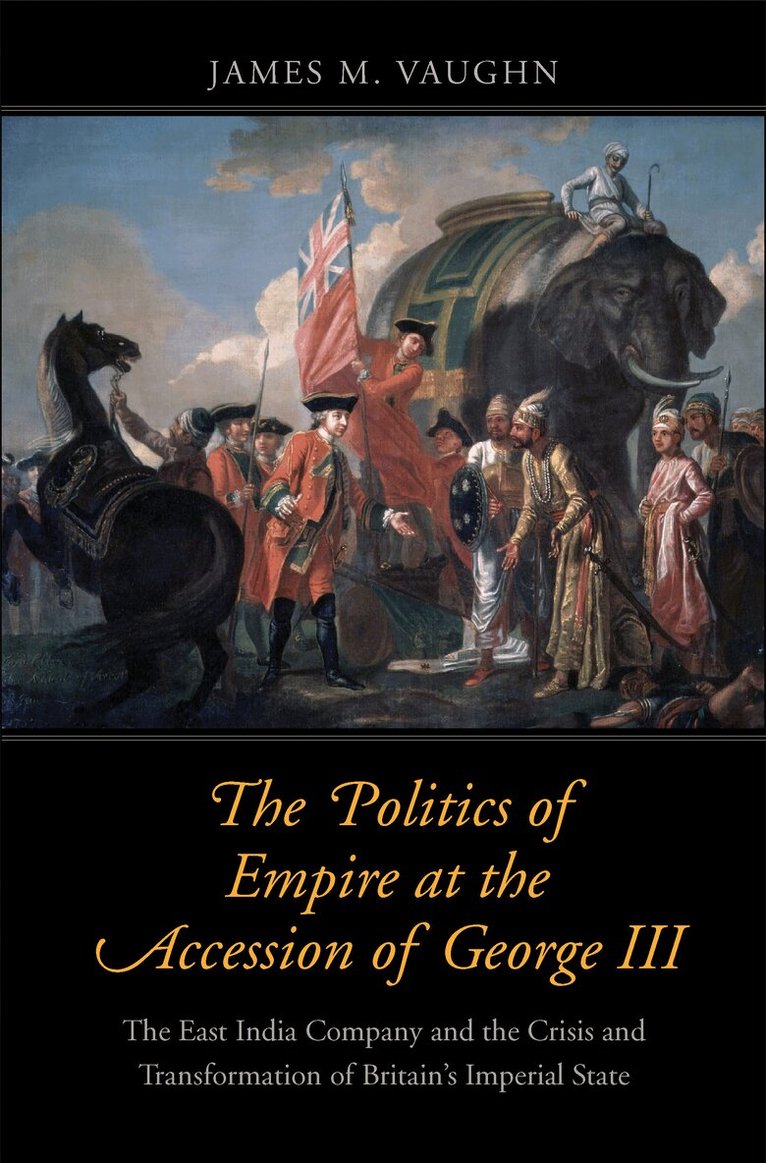
Politics of Empire at the Accession of George III
The East India Company and the Crisis and Transformation of Britain's Imperial State
Inbunden, Engelska, 2019
535 kr
Tillfälligt slut
An important revisionist history that casts eighteenth-century British politics and imperial expansion in a new light “An important book . . . . Vaughn has greatly added to our understanding of Britain’s empire and politics.”—Journal of Modern HIstoryIn this bold debut work, historian James M. Vaughn challenges the scholarly consensus that British India and the Second Empire were founded in “a fit of absence of mind.” He instead argues that the origins of the Raj and the largest empire of the modern world were rooted in political conflicts and movements in Britain. It was British conservatives who shaped the Second Empire into one of conquest and dominion, emphasizing the extraction of resources and the subjugation of colonial populations. Drawing on a wide array of sources, Vaughn shows how the East India Company was transformed from a corporation into an imperial power in the service of British political forces opposed to the rising radicalism of the period. The Company’s dominion in Bengal, where it raised territorial revenue and maintained a large army, was an autocratic bulwark of Britain’s established order. A major work of political and imperial history, this volume offers an important new understanding of the era and its global ramifications.
1 619 kr
Skickas inom 10-15 vardagar
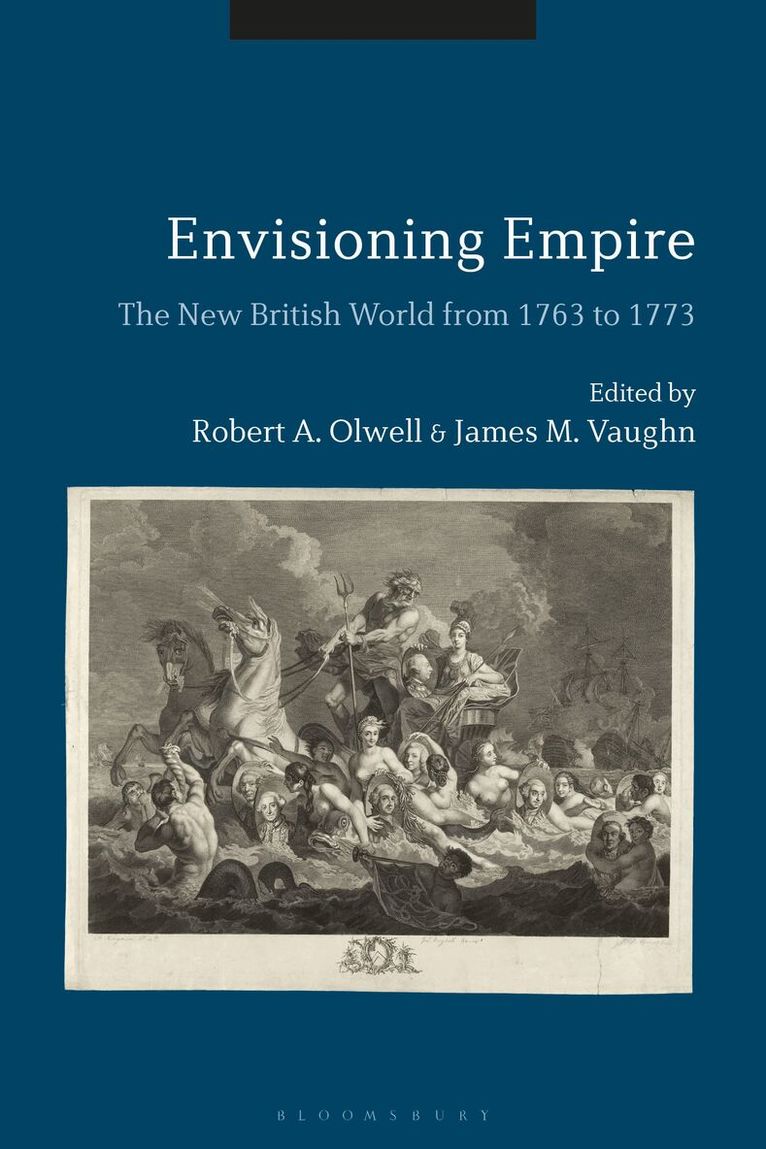
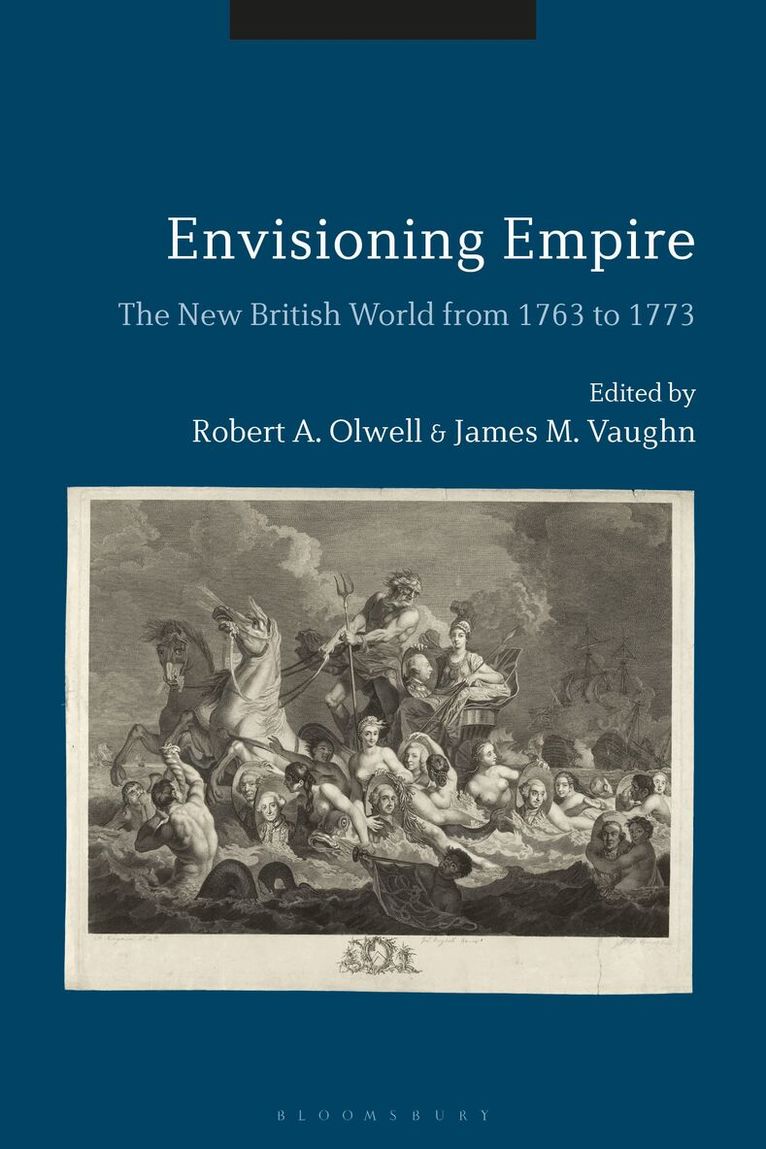
Examining the pivotal period between the end of the Seven Years’ War and the dawn of the American Revolution, Envisioning Empire reinterprets the development of the British Empire in the 18th century. With exceptional geographical scope, this book provides new ways of understanding the actors and events in many imperial arenas, including West Africa, North America, the Caribbean, and South Asia.While 1763 has long been seen as marking a turning point in British and British-colonial history, Envisioning Empire treats this epochal year, and the decade that followed, as constituting a discrete ‘moment’ in Imperial history that is significant in its own right. Exploring the programs and plans that sought to incorporate the vast new territories and millions of new subjects into the British state and imperial system, it demonstrates how the period between the end of the Seven Years’ War and the beginning of the American Revolution was one of contested ideas about the future of British overseas expansion. By examining these competing imperial visions and designs from the perspective of Britain’s new subjects as well as from that of British ministers, Envisioning Empire both illuminates and complicates the boundaries that have been drawn between the first and second British empires and reveals how the Empire was being conceived, discussed, and debated during an era of rapid transformation.
461 kr
Skickas inom 10-15 vardagar
Examining the pivotal period between the end of the Seven Years’ War and the dawn of the American Revolution, Envisioning Empire reinterprets the development of the British Empire in the 18th century. With exceptional geographical scope, this book provides new ways of understanding the actors and events in many imperial arenas, including West Africa, North America, the Caribbean, and South Asia.While 1763 has long been seen as marking a turning point in British and British-colonial history, Envisioning Empire treats this epochal year, and the decade that followed, as constituting a discrete ‘moment’ in Imperial history that is significant in its own right. Exploring the programs and plans that sought to incorporate the vast new territories and millions of new subjects into the British state and imperial system, it demonstrates how the period between the end of the Seven Years’ War and the beginning of the American Revolution was one of contested ideas about the future of British overseas expansion. By examining these competing imperial visions and designs from the perspective of Britain’s new subjects as well as from that of British ministers, Envisioning Empire both illuminates and complicates the boundaries that have been drawn between the first and second British empires and reveals how the Empire was being conceived, discussed, and debated during an era of rapid transformation.
Del 23 - People, Markets, Goods: Economies and Societies in History
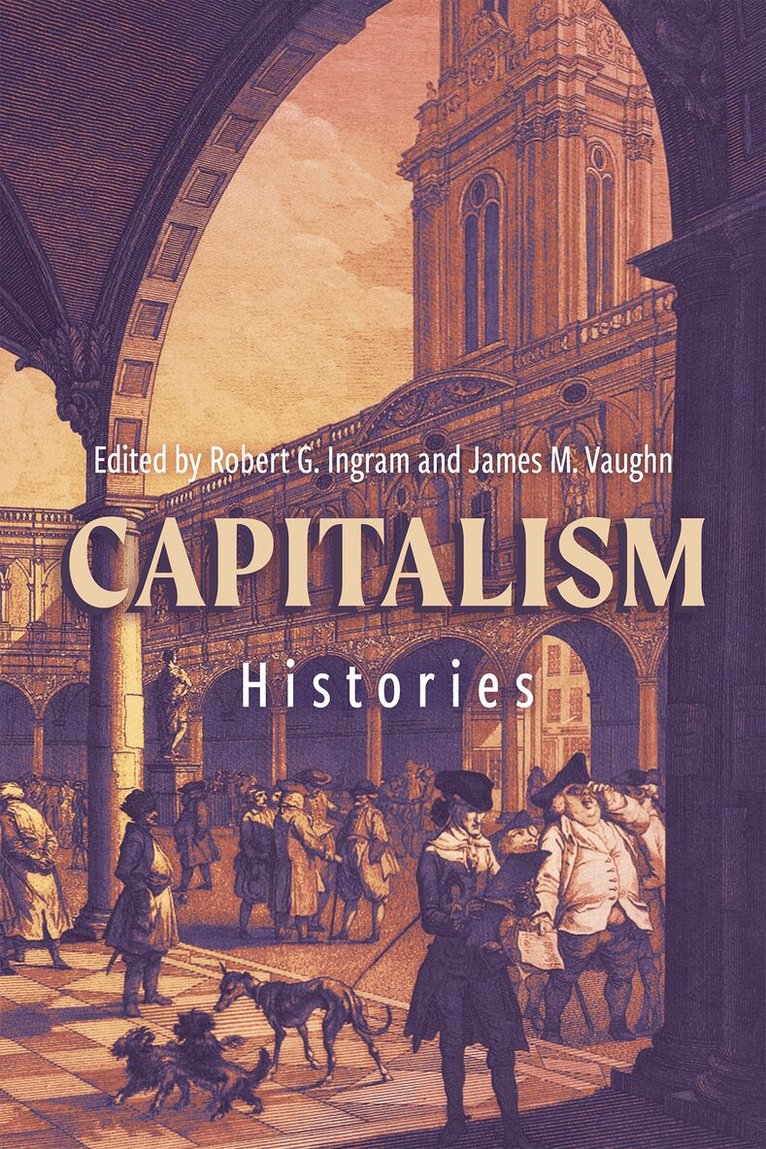
Capitalism: Histories
Häftad, Engelska, 2025
330 kr
Skickas
Charts the emergence and development of capitalism across the world from a variety of perspectives, providing a deep understanding of how capitalism came to be the dominant economic force.This book re-examines the historical emergence and evolution of capitalism. Why did a radically new way of organizing economic life emerge in regions of the early modern world? Why did it eventually encompass the globe, tying the peoples of the world together in a common economic fate? These questions have been at the heart of historical and social-scientific inquiry since the nineteenth century. They are explored and answered anew by the scholars gathered together in this geographically and theoretically capacious volume. The chapters explore the emergence and development of capitalism in Africa, Western Europe, Eastern Europe, South Asia, East Asia, North America, and the Atlantic world, and they engage with many of the major intellectual approaches for understanding capitalism, from the New Institutional Economics to world-systems theory.The authors share a common commitment, but not a common approach, to understanding the historical development of capitalism. They believe that the emergence and evolution of capitalism must be understood by examining the concrete conditions of socioeconomic life in a particular country, empire, or region, and that such empirically and archivally driven historical analysis must be combined with theoretical discussion of the concepts and categories used to make sense of capitalism and its dynamics.This work offers different accounts of capitalist development across and within major regions of the world. It is a histories of, rather than a history of, capitalism. As such, it introduces readers to new historical research on capitalist development in different regional and national contexts and to several significant intellectual approaches for understanding what Max Weber called "the most fateful force of our modern life."