James MacDowell – författare
Visar alla böcker från författaren James MacDowell. Handla med fri frakt och snabb leverans.
4 produkter
4 produkter
Inbunden, Engelska, 2013
1 324 kr
Skickas inom 7-10 vardagar
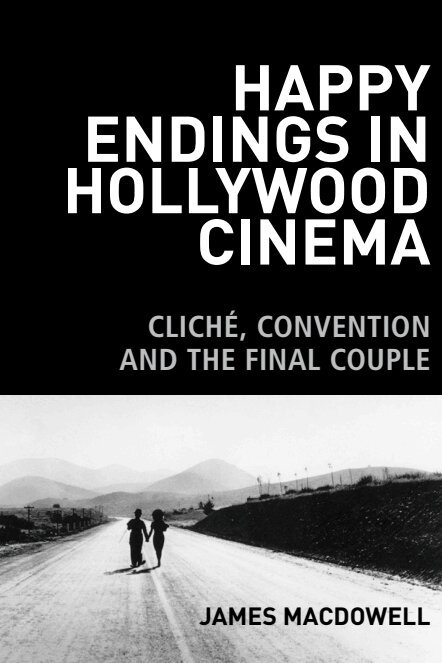
The Hollywood ‘happy ending’ has long been considered among the most famous and standardised features in the whole of narrative filmmaking. Yet, while ceaselessly invoked, this notorious device has received barely any detailed attention from the field of film studies.This book is thus the first in-depth examination of one of the most overused and under-analysed concepts in discussions of popular cinema. What exactly is the 'happy ending'? Is it simply a cliché, as commonly supposed? Why has it earned such an unenviable reputation? What does it, or can it, mean? Concentrating especially on conclusions featuring an ultimate romantic union – the final couple – this wide-ranging investigation probes traditional associations between the 'happy ending' and homogeneity, closure, ‘unrealism’, and ideological conservatism, testing widespread assumptions against the evidence offered by a range of classical and contemporary films.Key Features: Defines key features of the Hollywood ‘happy ending’ through detailed textual analysis and theoretical debate.Traces the historical development of the scholarly approaches taken towards the cinematic ‘happy ending’ Reassesses the concept of cinematic closure and its relationship to genre, ideology and ‘unrealism’
Häftad, Engelska, 2014
672 kr
Skickas inom 3-6 vardagar
The Hollywood ‘happy ending’ has long been considered among the most famous and standardised features in the whole of narrative filmmaking. Yet, while ceaselessly invoked, this notorious device has received barely any detailed attention from the field of film studies.This book is thus the first in-depth examination of one of the most overused and under-analysed concepts in discussions of popular cinema. What exactly is the 'happy ending'? Is it simply a cliché, as commonly supposed? Why has it earned such an unenviable reputation? What does it, or can it, mean? Concentrating especially on conclusions featuring an ultimate romantic union – the final couple – this wide-ranging investigation probes traditional associations between the 'happy ending' and homogeneity, closure, ‘unrealism’, and ideological conservatism, testing widespread assumptions against the evidence offered by a range of classical and contemporary films.Key Features: Defines key features of the Hollywood ‘happy ending’ through detailed textual analysis and theoretical debate.Traces the historical development of the scholarly approaches taken towards the cinematic ‘happy ending’ Reassesses the concept of cinematic closure and its relationship to genre, ideology and ‘unrealism’
E-bok
PDF, Engelska, 2016351 kr
Läs direkt efter köp
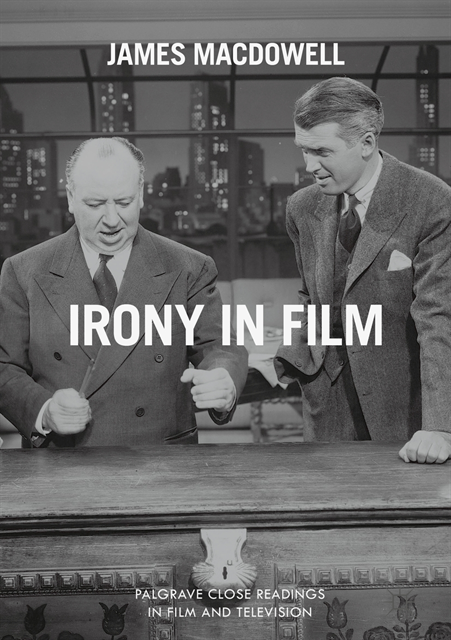
Irony in Film is the first book about ironic expression in this medium. We often feel the need to call films or aspects of them ironic; but what exactly does this mean? How do films create irony? Might certain features of the medium help or hinder its ironic potential? How can we know we are justified in dubbing any film or moment ironic? This book attempts to answer such questions, investigating in the process crucial and under-examined issues that irony raises for our understanding of narrative filmmaking.A much-debated subject in other disciplines, in film scholarship irony is habitually referred to but too seldom explored. Combining in-depth theorising with detailed close analysis, this pioneering study asks what ironic capacities films might possess, how film style may be used ironically, and what role intention should play in film interpretation. The proposed answers have significance for our understanding of not only ironic filmmaking, but the nature of expression in this medium.
Häftad, Engelska, 2018
276 kr
Skickas inom 10-15 vardagar
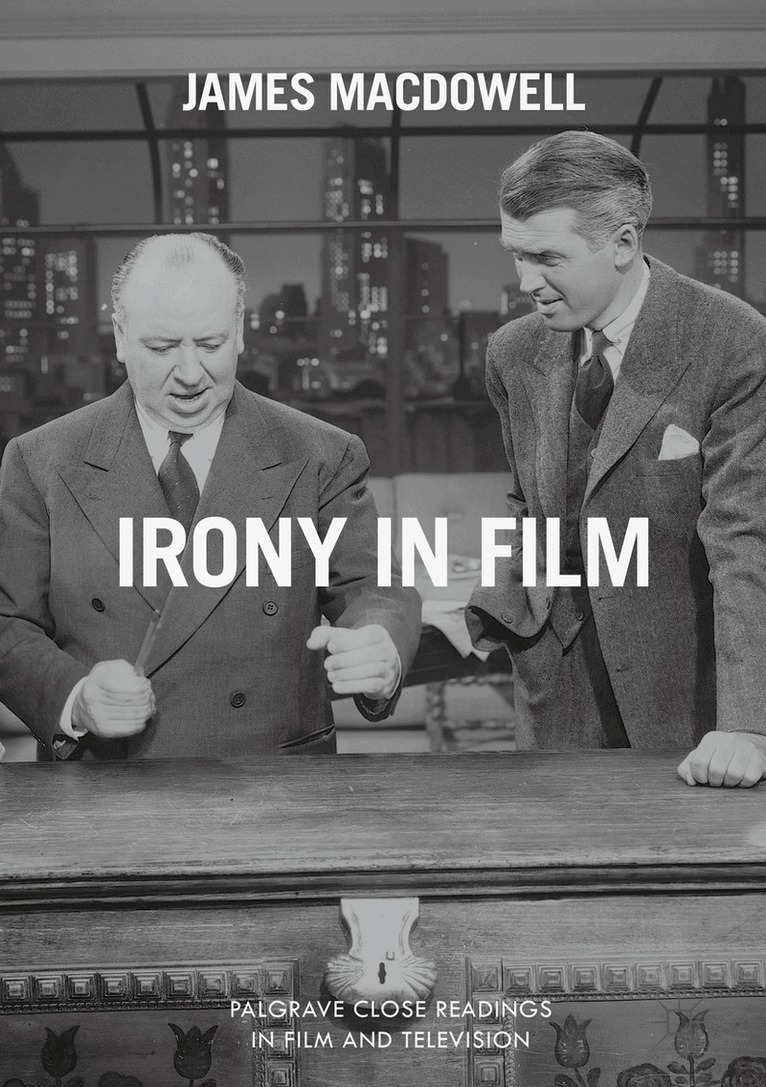
Irony in Film is the first book about ironic expression in this medium. We often feel the need to call films or aspects of them ironic; but what exactly does this mean? How do films create irony? Might certain features of the medium help or hinder its ironic potential? How can we know we are justified in dubbing any film or moment ironic? This book attempts to answer such questions, investigating in the process crucial and under-examined issues that irony raises for our understanding of narrative filmmaking.A much-debated subject in other disciplines, in film scholarship irony is habitually referred to but too seldom explored. Combining in-depth theorising with detailed close analysis, this pioneering study asks what ironic capacities films might possess, how film style may be used ironically, and what role intention should play in film interpretation. The proposed answers have significance for our understanding of not only ironic filmmaking, but the nature of expression in this medium.