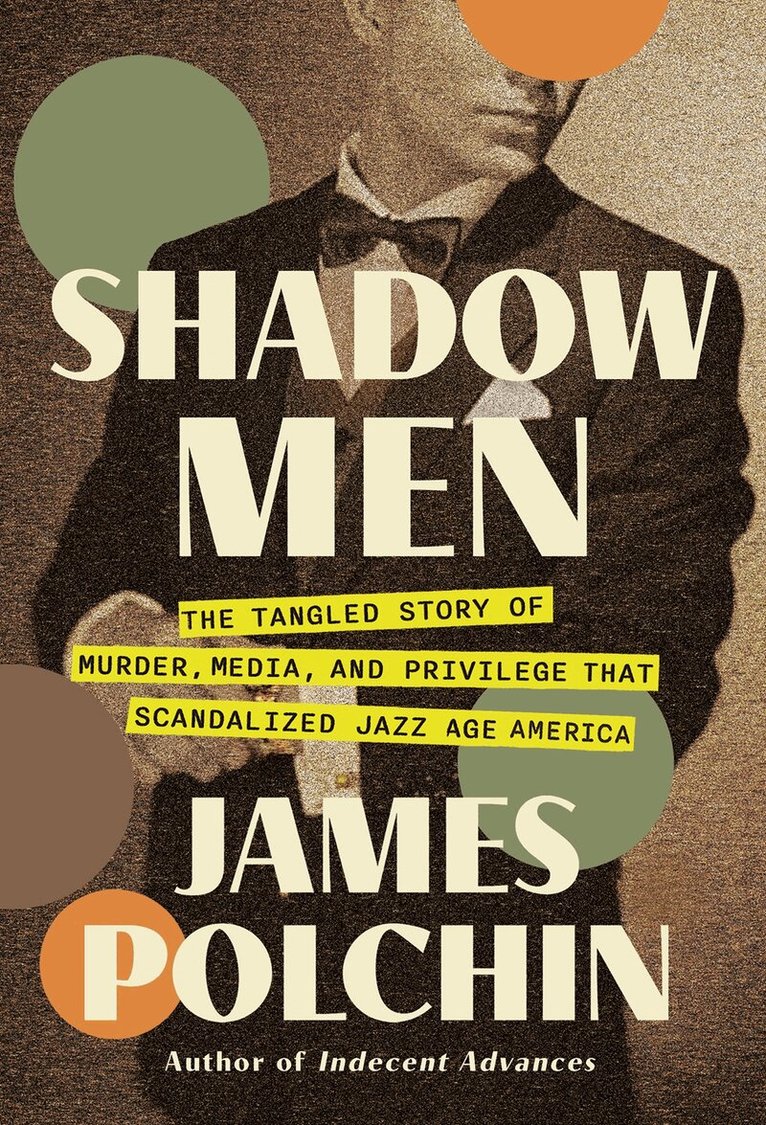
"Polchin knows the era, and brings to his account a wealth of colorful supporting detail . . . With its layers of taboos and public spectacle, the case feels, a century later, as relevant as ever." —Marisa Meltzer, The New York Times Book ReviewFrom Edgar Award finalist James Polchin comes a thrilling examination of the murder that captivated Jazz Age America, with echoes of the decadence and violence of The Great GatsbyOn the morning of May 16, 1922, a young man’s body was found on a desolate road in Westchester County. The victim was penniless ex-sailor Clarence Peters. Walter Ward, the handsome scion of the family that owned the largest chain of bread factories in the country, confessed to the crime as an act of self-defense against a violent gang of “shadow men,” blackmailers who extorted their victims’ moral weaknesses. From the start, one question defined the investigation: What scandalous secret could lead Ward to murder?For sixteen months, the media fueled a firestorm of speculation. Unscrupulous criminal attorneys, fame-seeking chorus girls, con artists, and misogynistic millionaires harnessed the power of the press to shape public perception. New York governor and future presidential candidate Al Smith and editor of the Daily News Joseph Medill Patterson leveraged the investigation to further professional ambitions. Famous figures like Harry Houdini, Arthur Conan Doyle, and F. Scott Fitzgerald weighed in. As the bereaved working-class Peters family sought to bring the callous Ward to justice, America watched enraptured.Capturing the extraordinary twists and turns of the case, Shadow Men conjures the excess and contradictions of the Jazz Age and reveals the true-crime origins of the media-led voyeurism that reverberates through contemporary life. It’s a story of privilege and power that lays bare the social inequity that continues to influence our system of justice.
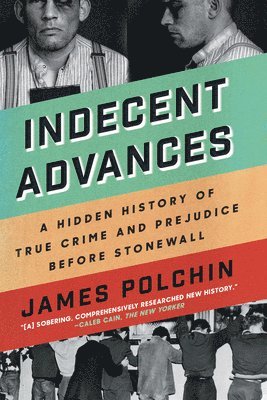
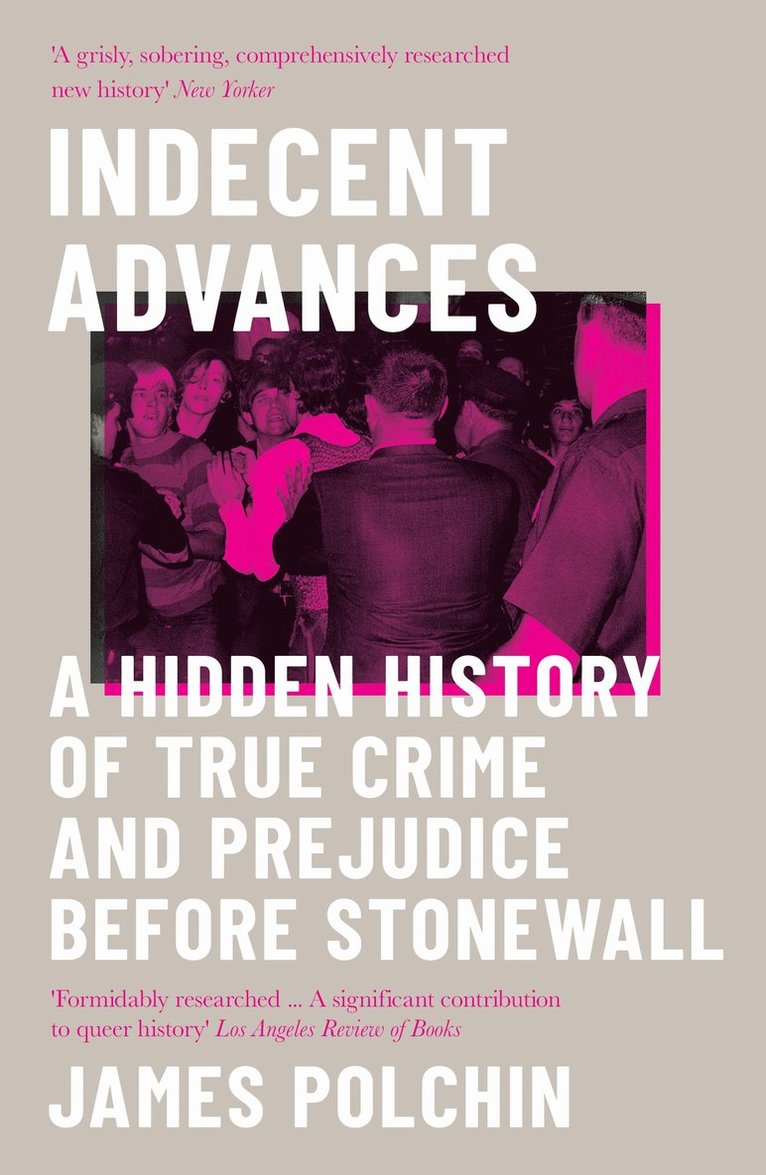
'A grisly, sobering, comprehensively researched new history.' - The New YorkerIndecent Advances is a skilful hybrid of true crime and social history that examines the often-coded portrayal of crimes against gay men in the decades before Stonewall. New York University professor and critic James Polchin illustrates how homosexuals were criminalized, and their murders justified, in the popular imagination from 1930s 'sex panics' to Cold War fear of Communists and homosexuals in government. He shows the vital that role crime stories played in ideas of normalcy and deviancy, and how those stories became tools to discriminate against and harm gay men. J. Edgar Hoover, Kerouac, Burroughs, Patricia Highsmith, James Baldwin, Allen Ginsberg and Gore Vidal all feature.Published around the fiftieth anniversary of the Stonewall uprising in 1969, Indecent Advances investigates how queer men navigated a society that criminalized them. Polchin shows how this discrimination was ultimately transformed by gay rights activists before Stonewall, and explores its resonances up to and including the policing of Gianni Versace's death in 1997.