James Shortle – författare
Visar alla böcker från författaren James Shortle. Handla med fri frakt och snabb leverans.
4 produkter
4 produkter
Inbunden, Engelska, 2001
1 456 kr
Skickas inom 5-8 vardagar
This book describes the environmental problems associated with agriculture, particularly the use of pesticides and chemical fertilizers and the disposal of animal waste. These have become major policy issues in many countries, with the main polluting effect being on water quality. As with other types of pollution, significant reductions in agriculture's contribution to water pollution requires the application of either enforceable regulatory approaches or changes in the economic environment, so that farmers adopt environmentally-friendly production practices. Providing a review and guide to the policy options and their economic administrative and political merits, the reader can develop an understanding of these options and their merits in the emerging policy context. The principal focus is on the developed world, particularly North America and Europe. The book is aimed at advanced students, researchers and professionals in agricultural economics and policy, and environmental and pollution sciences.
Inbunden, Engelska, 2021
1 524 kr
Skickas inom 10-15 vardagar
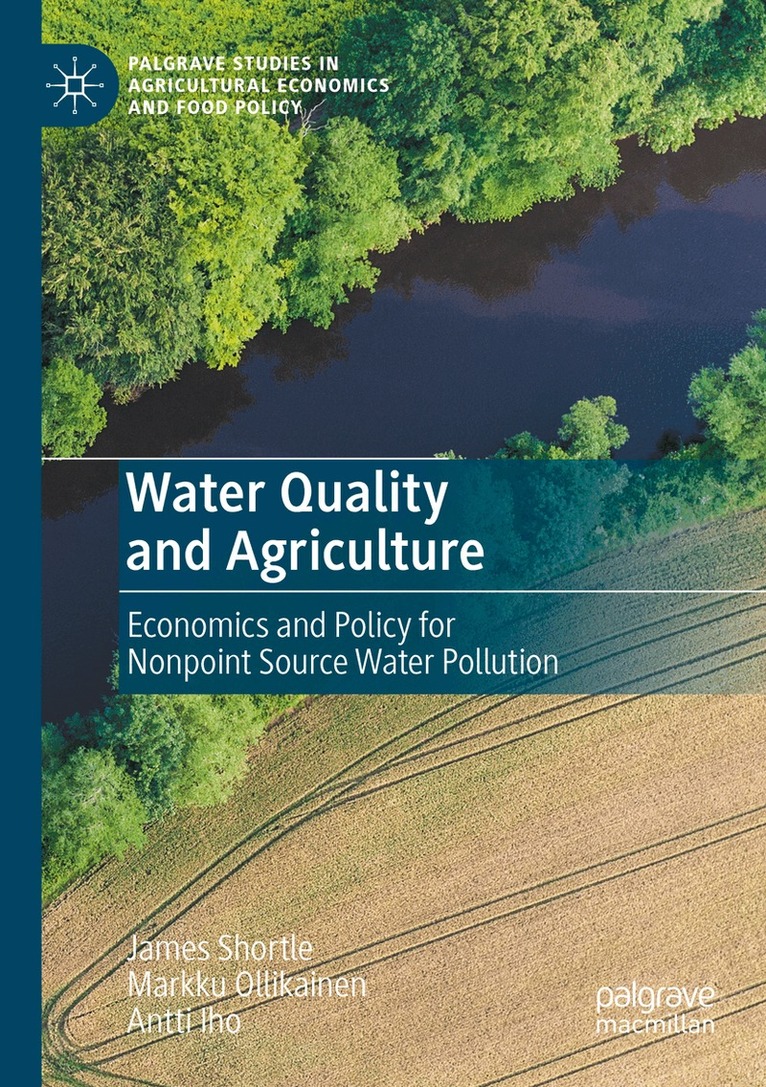
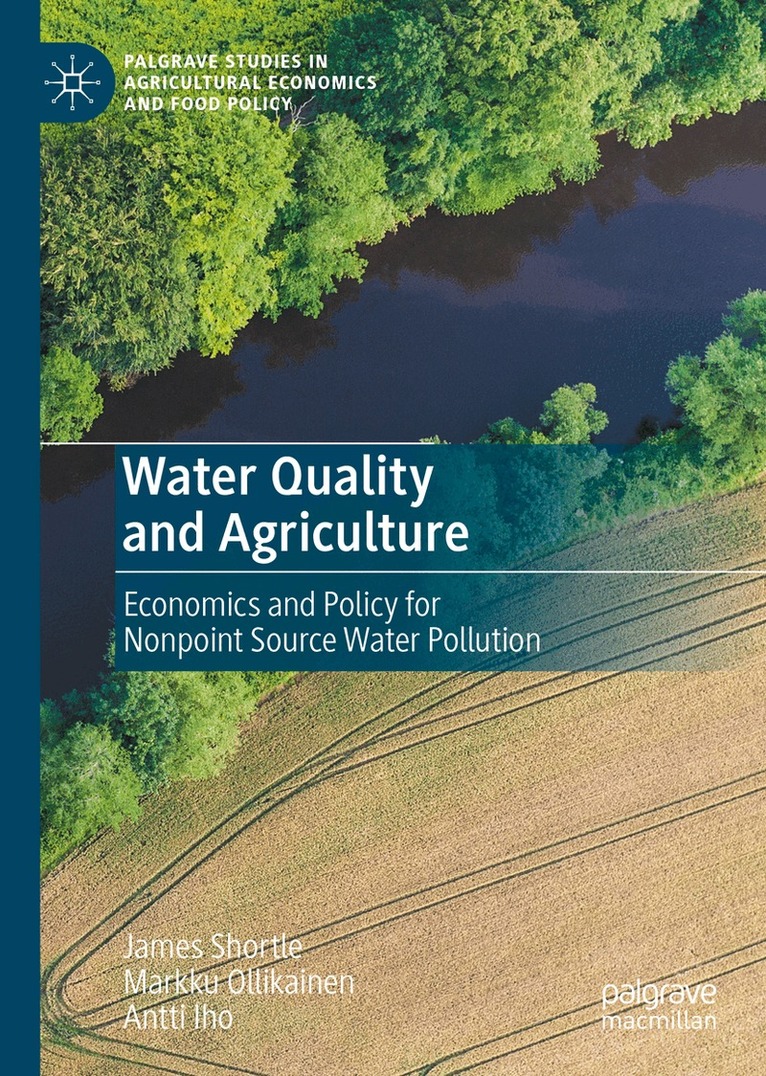
Water pollution control has been a top environmental policy priority of the world’s most developed countries for decades, and the focus of significant regulation and public and private spending. Yet, significant water quality problems remain, and trends for some pollutants are in the wrong direction. This book addresses the economics of water pollution control and water pollution control policy in agriculture, with an aim towards providing students, environmental policy analysts, and other environmental professionals with economic concepts and tools essential to understanding the problem and crafting solutions that can be effective and efficient. The book will also examine existing policies and proposed reforms in the developed world. Although this book addresses and has a general applicability to major water pollutants from agriculture (e.g., pesticides, pharmaceuticals, sediments, nutrients), it will focus on the sediment and nutrient pollution problem. The economic and scientific foundations for pollution management are best developed for these pollutants, and they are currently the top priorities of policy makers. Accordingly, the authors provide both highly salient and informative cases for developing concepts and methods of general applicability, with high profile examples such as the Chesapeake Bay, Lake Erie, and the Gulf of Mexico Dead Zone in the US; the Baltic Sea in Northern Europe; and Lake Taupo in New Zealand.
E-bok
Engelska, 20211 825 kr
Läs direkt efter köp
Water pollution control has been a top environmental policy priority of the world’s most developed countries for decades, and the focus of significant regulation and public and private spending. Yet, significant water quality problems remain, and trends for some pollutants are in the wrong direction. This book addresses the economics of water pollution control and water pollution control policy in agriculture, with an aim towards providing students, environmental policy analysts, and other environmental professionals with economic concepts and tools essential to understanding the problem and crafting solutions that can be effective and efficient. The book will also examine existing policies and proposed reforms in the developed world. Although this book addresses and has a general applicability to major water pollutants from agriculture (e.g., pesticides, pharmaceuticals, sediments, nutrients), it will focus on the sediment and nutrient pollution problem. The economic and scientific foundations for pollution management are best developed for these pollutants, and they are currently the top priorities of policy makers. Accordingly, the authors provide both highly salient and informative cases for developing concepts and methods of general applicability, with high profile examples such as the Chesapeake Bay, Lake Erie, and the Gulf of Mexico Dead Zone in the US; the Baltic Sea in Northern Europe; and Lake Taupo in New Zealand.
Häftad, Engelska, 2022
1 524 kr
Skickas inom 10-15 vardagar
Water pollution control has been a top environmental policy priority of the world’s most developed countries for decades, and the focus of significant regulation and public and private spending. Yet, significant water quality problems remain, and trends for some pollutants are in the wrong direction. This book addresses the economics of water pollution control and water pollution control policy in agriculture, with an aim towards providing students, environmental policy analysts, and other environmental professionals with economic concepts and tools essential to understanding the problem and crafting solutions that can be effective and efficient. The book will also examine existing policies and proposed reforms in the developed world. Although this book addresses and has a general applicability to major water pollutants from agriculture (e.g., pesticides, pharmaceuticals, sediments, nutrients), it will focus on the sediment and nutrient pollution problem. The economic and scientific foundations for pollution management are best developed for these pollutants, and they are currently the top priorities of policy makers. Accordingly, the authors provide both highly salient and informative cases for developing concepts and methods of general applicability, with high profile examples such as the Chesapeake Bay, Lake Erie, and the Gulf of Mexico Dead Zone in the US; the Baltic Sea in Northern Europe; and Lake Taupo in New Zealand.