James W. Scott – författare
Visar alla böcker från författaren James W. Scott. Handla med fri frakt och snabb leverans.
16 produkter
16 produkter
Inbunden, Engelska, 2021
2 137 kr
Skickas inom 10-15 vardagar
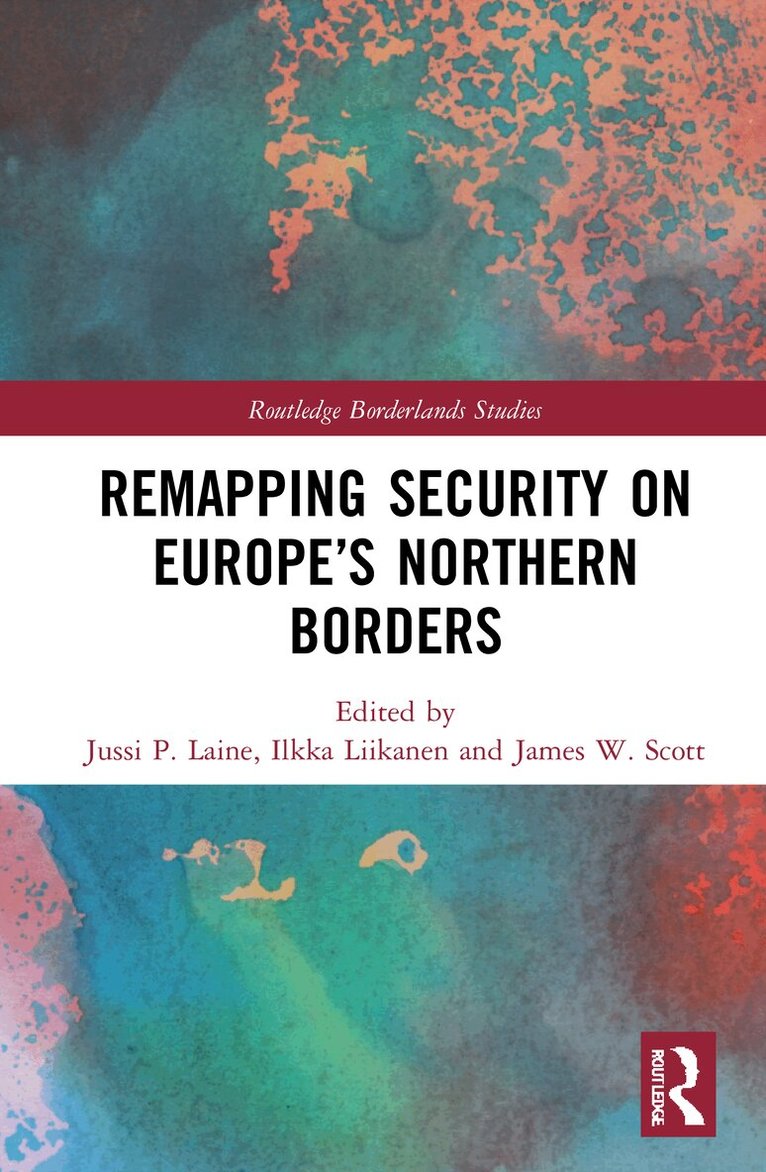
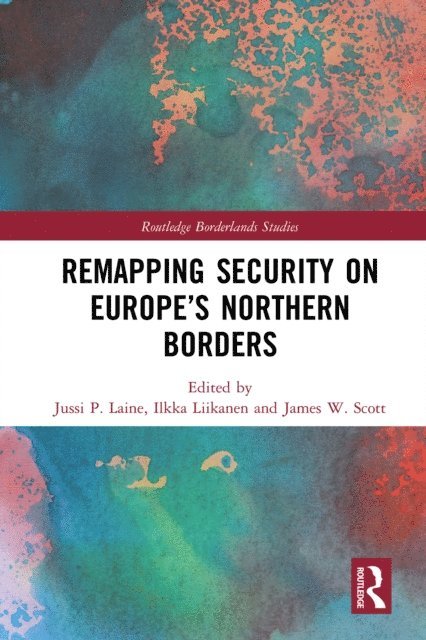
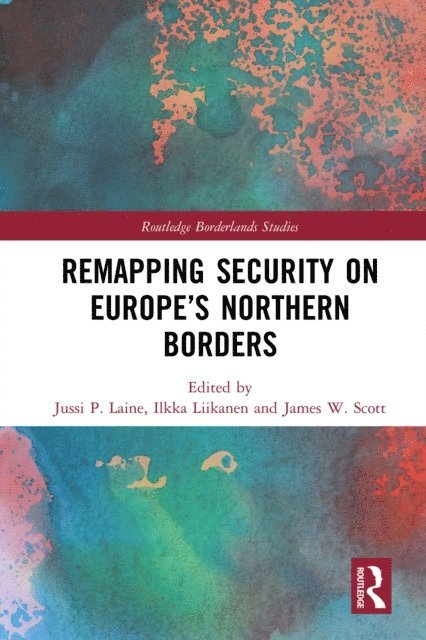
This book critically analyses the changing EU-Russian security environment in the wake of the Ukraine crisis, with a particular focus on northern Europe where the EU and the Russian Federation share a common border. Russian involvement in conflict situations in the EU’s immediate neighbourhood has drastically impacted the European security environment, leading to a resurgence of competitive great power relations. The book uses the EU-Russia interface at the borders of Finland and the European North as a prism through which interwoven external and internal security challenges can be explored. Security is considered in the broadest sense of the term, as the authors consider how the security environment is reflected politically, socially and culturally within European societies. The book analyses changing political language and concepts, institutional preparedness, border governance, human security, migration and wider challenges to societal resilience. Ultimately, the book investigates into Finland’s preparedness to address new global security challenges and to find solutions to them on an everyday level.This book will be an important guide for researchers and upper-level students of security, border studies, Russian and European studies, as well as to policy makers looking to develop a wider, contextualized understanding of the challenges to stability and security in different parts of Europe.
Häftad, Engelska, 2023
625 kr
Skickas inom 10-15 vardagar
This book critically analyses the changing EU-Russian security environment in the wake of the Ukraine crisis, with a particular focus on northern Europe where the EU and the Russian Federation share a common border. Russian involvement in conflict situations in the EU’s immediate neighbourhood has drastically impacted the European security environment, leading to a resurgence of competitive great power relations. The book uses the EU-Russia interface at the borders of Finland and the European North as a prism through which interwoven external and internal security challenges can be explored. Security is considered in the broadest sense of the term, as the authors consider how the security environment is reflected politically, socially and culturally within European societies. The book analyses changing political language and concepts, institutional preparedness, border governance, human security, migration and wider challenges to societal resilience. Ultimately, the book investigates into Finland’s preparedness to address new global security challenges and to find solutions to them on an everyday level.This book will be an important guide for researchers and upper-level students of security, border studies, Russian and European studies, as well as to policy makers looking to develop a wider, contextualized understanding of the challenges to stability and security in different parts of Europe.
Häftad, Engelska, 2020
625 kr
Skickas inom 10-15 vardagar
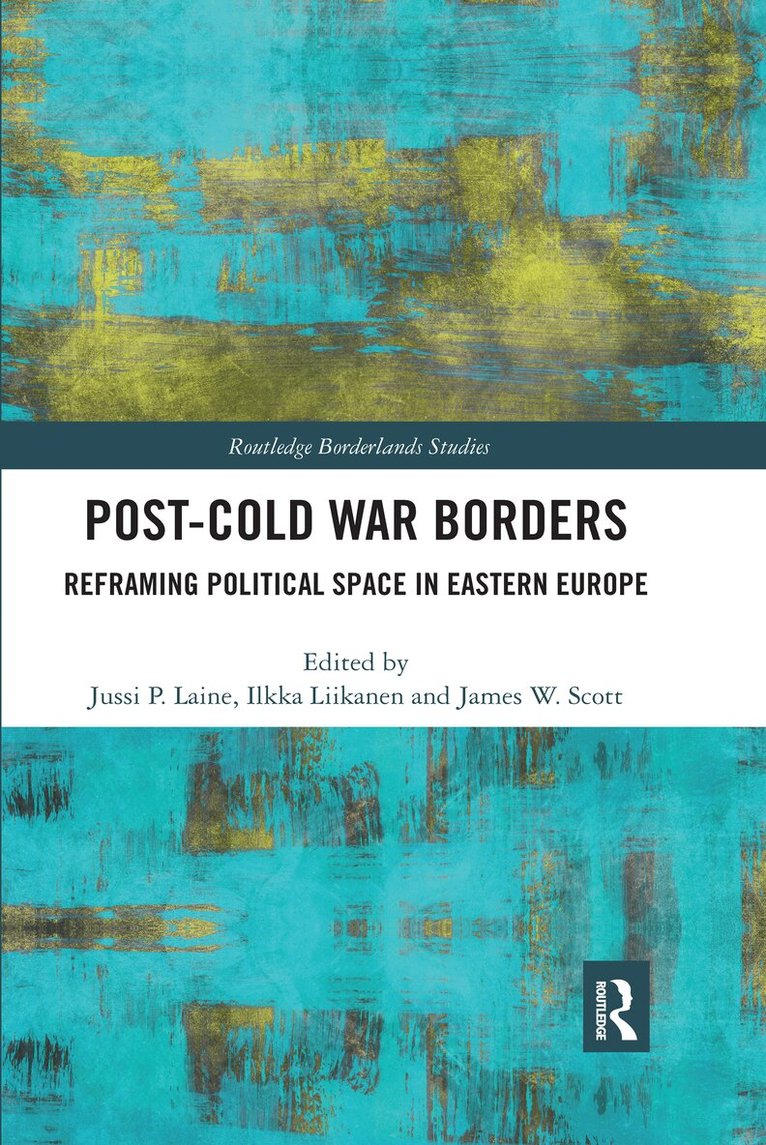
In the aftermath of the Ukraine crises, borders within the wider post-Cold War and post-Soviet context have become a key issue for international relations and public political debate. These borders are frequently viewed in terms of military preparedness and confrontation, but behind armed territorial conflicts there has been a broader shift in the regional balance of power and sovereignty. This book explores border conflicts in the EU’s eastern neighbourhood via a detailed focus on state power and sovereignty, set in the context of post-Cold war politics and international relations.By identifying changing definitions of sovereignty and political space the authors highlight competing strategies of legitimising and challenging borders that have emerged as a result of geopolitical transformations of the last three decades. This book uses comparative studies to examine country specific variation in border negotiation and conflict, and pays close attention to shifts in political debates that have taken place between the end of State Socialism, the collapse of the Soviet Union and the outbreak of the Ukraine crises. From this angle, Post-Cold War Borders sheds new light on change and variation in the political rhetoric of the EU, the Russian Federation, Ukraine and neighbouring EU member countries. Ultimately, the book aims to provide a new interpretation of changes in international order and how they relate to shifting concepts of sovereignty and territoriality in post-Cold war Europe.Shedding new light on negotiation and conflict over post-Soviet borders, this book will be of interest to students, researchers and policy makers in the fields of Russian and East European studies, international relations, geography, border studies and politics.
Inbunden, Engelska, 2012
2 206 kr
Skickas inom 10-15 vardagar
After the collapse of the Soviet Union, there were high hopes of Russia’s "modernisation" and rapid political and economic integration with the EU. But now, given its own policies of national development, Russia appears to have ‘limits to integration’. Today, much European political discourse again evokes East/West civilisational divides and antagonistic geopolitical interests in EU-Russia relations. This book provides a carefully researched and timely analysis of this complex relationship and examines whether this turn in public debate corresponds to local-level experience – particularly in border areas where the European Union and Russian Federation meet.This multidisciplinary book - covering geopolitics, international relations, political economy and human geography - argues that the concept ‘limits to integration’ has its roots in geopolitical reasoning; it examines how Russian regional actors have adapted to the challenges of simultaneous internal and external integration, and what kind of strategies they have developed in order to meet the pressures coming across the border and from the federal centre. It analyses the reconstitution of Northwest Russia as an economic, social and political space, and the role cross-border interaction has had in this process. The book illustrates how a comparative regional perspective offers insights into the EU-Russia relationship: even if geopolitics sets certain constraints to co-operation, and market processes have led to conflict in cross-border interaction, several actors have been able to take initiative and create space for increasing cross-border integration in the conditions of Russia’s internal reconstitution.
Inbunden, Engelska, 2016
1 381 kr
Skickas inom 10-15 vardagar
The collapse of the Soviet Union has had profound and long-lasting impacts on the societies of Eastern Europe, the South Caucasus and Central Asia, impacts which are not yet fully worked through: changes in state-society relations, a comprehensive reconfiguration of political, economic and social ties, the resurgence of regional conflicts "frozen" during the Soviet period, and new migration patterns both towards Russia and the European Union. At the same time the EU has emerged as an important player in the region, formulating its European Neighbourhood Policy, and engaging neighbouring states in a process of cross-border regional co-operation. This book explores a wide range of complex and contested questions related to borders, security and migration in the emerging "European Neighbourhood" which includes countries of the Caucasus and Central Asia as well as the countries which immediately border the EU. Issues discussed include new forms of regional and cross-border co-operation, new patterns of migration, and the potential role of the EU as a stabilizing external force. The Open Access version of this book, available at http://www.taylorfrancis.com, has been made available under a Creative Commons Attribution-Non Commercial-No Derivatives 4.0 license.
Inbunden, Engelska, 2009
2 343 kr
Skickas inom 10-15 vardagar
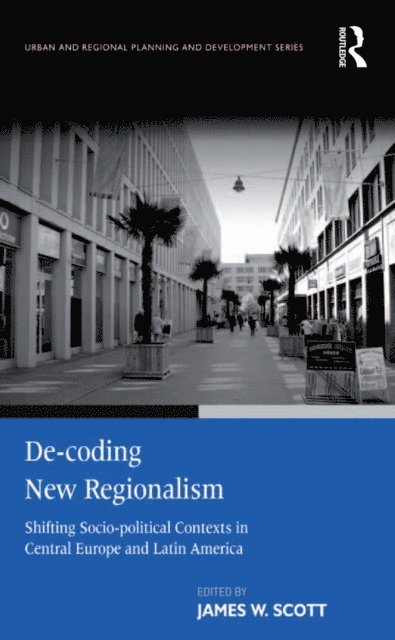
Bringing together comparative case studies from Central Europe and South America, this book focuses on 'new' regions - regions created as political projects of modernization and 're-scaling'. Through this approach it de-codes 'New Regionalism' in terms of its contributions to institutional change, while acknowledging its contested nature and contradictions. It questions whether these regions are merely a strategy of neo-liberal adjustment to changing political and economic conditions, or whether they are indicative of true reform, greater citizen participation and empowerment. It assesses whether these regions are really representing something new or whether they are a reconfiguration of traditional power relationships. It provides a timely critical analysis of 'region-building' and the extent to which national processes of decentralization and sub-national processes of regionalism can enhance the effectiveness and responsiveness of governance.
Häftad, Engelska
313 kr
Skickas inom 3-6 vardagar
Inbunden, Engelska, 2023
2 000 kr
Skickas inom 10-15 vardagar
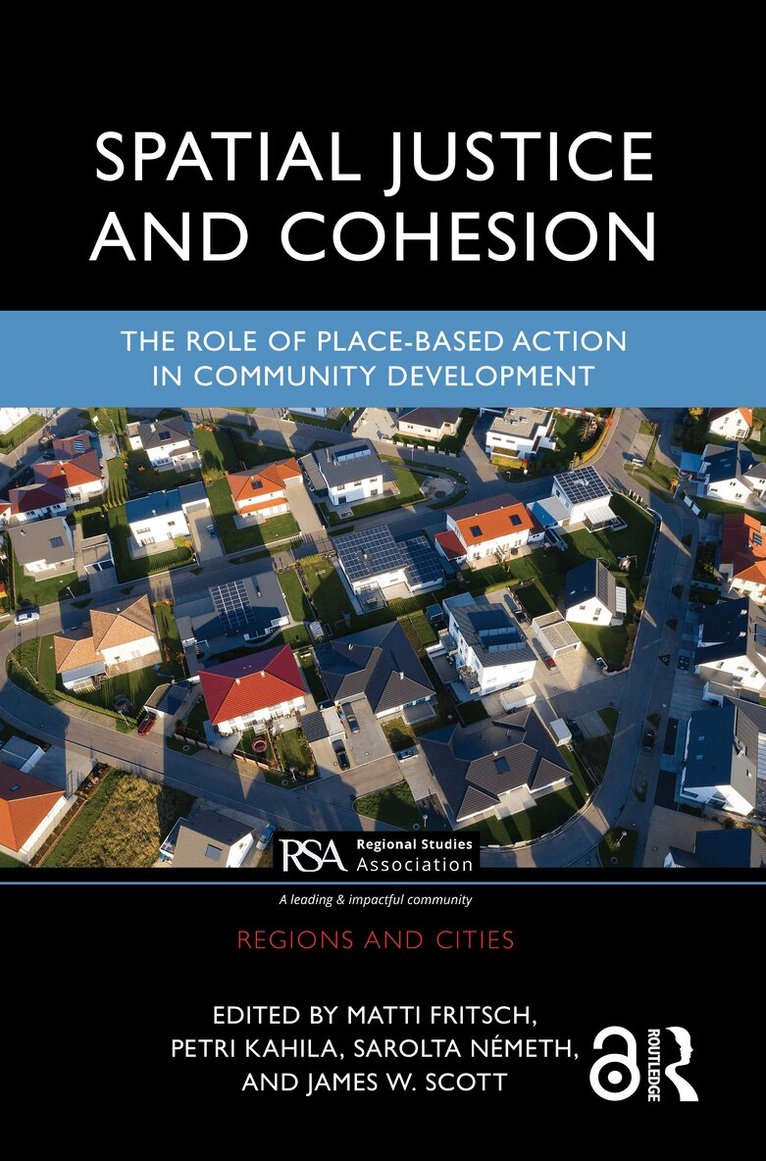
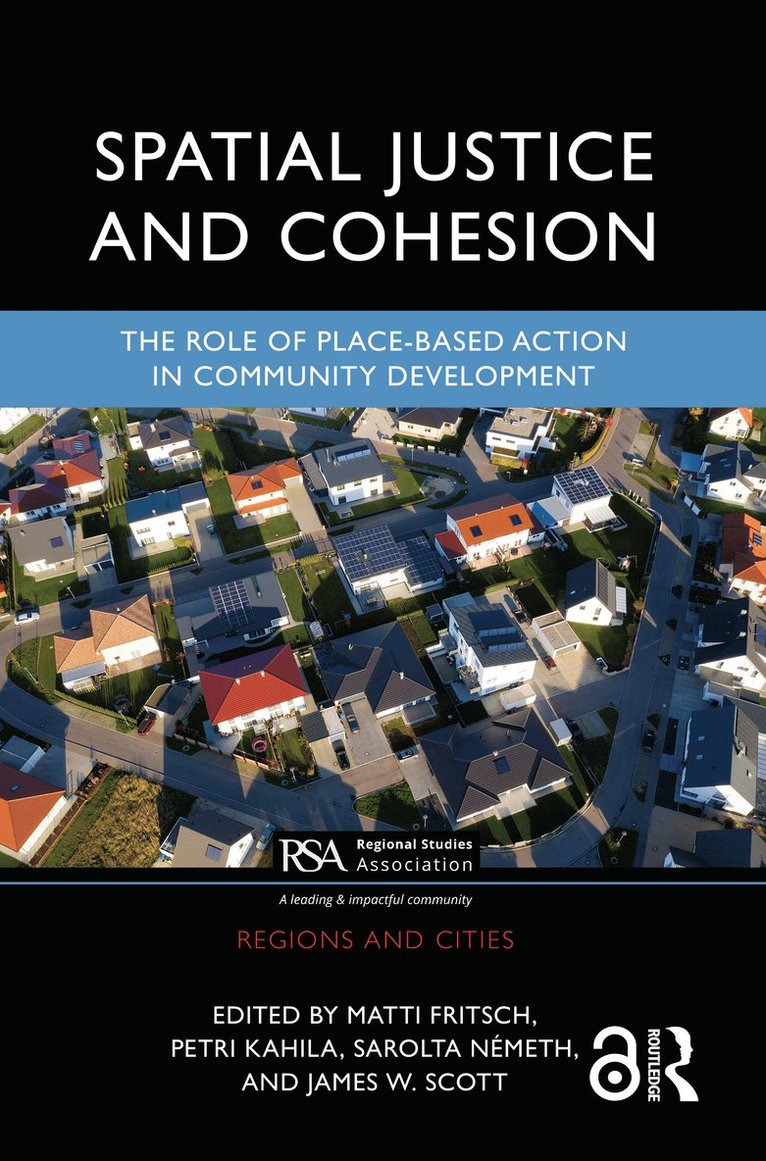
Place-based strategies are widely discussed as powerful instruments of economic and community development. In terms of the European debate, the local level – cities, towns and neighbourhoods – has recently come under increased scrutiny as a potentially decisive actor in Cohesion Policy. As understandings of socio-spatial and economic cohesion evolve, the idea that spatial justice requires a concerted policy response has gained currency.Given the political, social and economic salience of locale, this book explores the potential contribution of place-based initiative to more balanced and equitable socio-economic development, as well as growth in a more general sense. The overall architecture of the book and the individual chapters address place-based perspectives from a number of vantage points, including the potential of achieving greater effectiveness in EU and national level development policies, through a greater local level and citizens' role and concrete actions for achieving this; enhancing decision-making autonomy by pooling local capacities for action; linking relative local autonomy to development outcomes and viewing spatial justice as a concept and policy goal. The book highlights, through the use of case studies, how practicable and actionable knowledge can be gained from local development experiences.This book targets researchers, practitioners and students who seek to learn more about place-based based development and its potentials. Its cross-cutting focus on spatial justice and place will ensure that the book is of wider international interest.The Open Access version of this book, available at www.taylorfrancis.com, has been made available under a Creative Commons Attribution-Non Commercial-No Derivatives (CC-BY-NC-ND) 4.0 license. Funded by The University of Eastern Finland.
Häftad, Engelska, 2025
584 kr
Skickas inom 10-15 vardagar
Place-based strategies are widely discussed as powerful instruments of economic and community development. In terms of the European debate, the local level – cities, towns and neighbourhoods – has recently come under increased scrutiny as a potentially decisive actor in Cohesion Policy. As understandings of socio-spatial and economic cohesion evolve, the idea that spatial justice requires a concerted policy response has gained currency.Given the political, social and economic salience of locale, this book explores the potential contribution of place-based initiative to more balanced and equitable socio-economic development, as well as growth in a more general sense. The overall architecture of the book and the individual chapters address place-based perspectives from a number of vantage points, including the potential of achieving greater effectiveness in EU and national level development policies, through a greater local level and citizens' role and concrete actions for achieving this; enhancing decision-making autonomy by pooling local capacities for action; linking relative local autonomy to development outcomes and viewing spatial justice as a concept and policy goal. The book highlights, through the use of case studies, how practicable and actionable knowledge can be gained from local development experiences.This book targets researchers, practitioners and students who seek to learn more about place-based based development and its potentials. Its cross-cutting focus on spatial justice and place will ensure that the book is of wider international interest.The Open Access version of this book, available at www.taylorfrancis.com, has been made available under a Creative Commons Attribution-Non Commercial-No Derivatives (CC-BY-NC-ND) 4.0 license. Funded by The University of Eastern Finland.
Inbunden, Engelska, 2025
3 374 kr
Skickas inom 10-15 vardagar
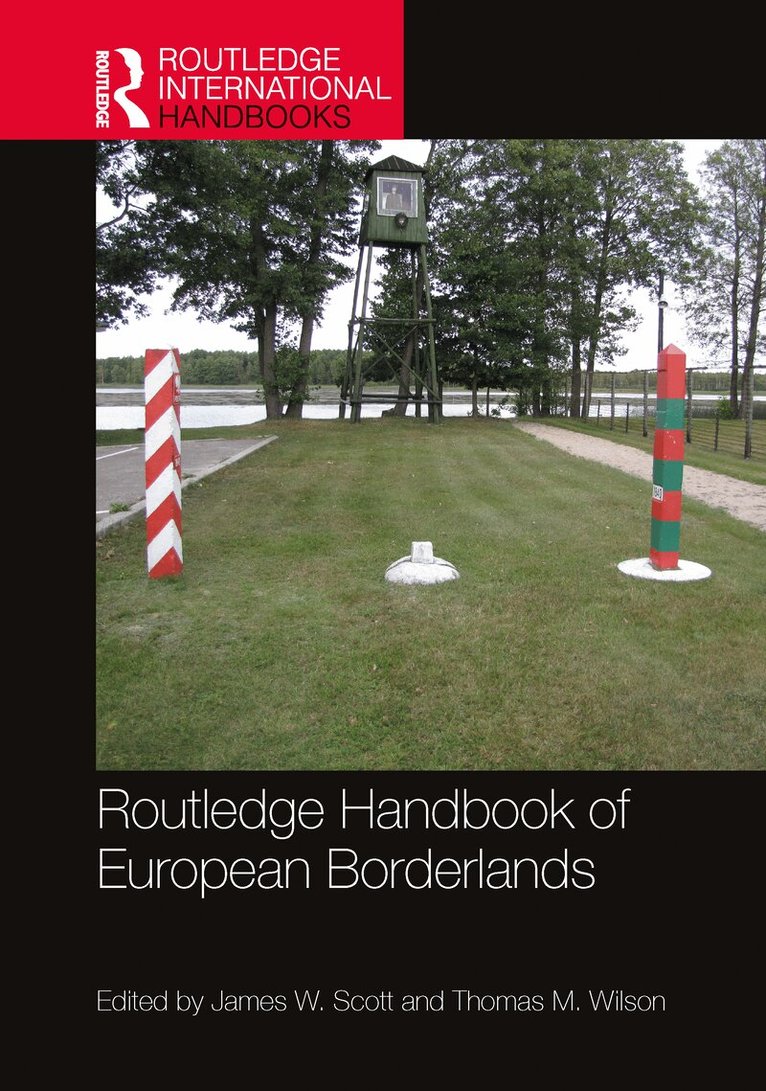
The Routledge Handbook of European Borderlands revisits and reassesses the concept of borderlands in Europe, balancing case-specific perspectives with rich theoretical and conceptual avenues of research.The significance of the transformations after the fall of the Soviet Union made European borders central to the emergence of border studies as an emerging field of study, and since then, the financial crisis, rising migration, Brexit, and the Covid-19 pandemic have continued to make European borderlands a focus of research, national and international policy, media, and everyday concern. Bringing together a wealth of cross-cutting and empirically rigorous international scholarship, the handbook investigates European borderlands as spaces of encounter and political, social, and cultural change. This book depicts borderlands as both fundamentally relational and ambiguous products of fanciful geographical imagination, as well as real and lived places in which communities engage in different forms of integration, differentiation and contestation, at many levels of political, economic, geographic, and social interaction. Drawing on a range of different disciplinary perspectives, the handbook covers key topics such as security, migration, social inequality and justice, cross-border governance, cooperation and development, environmental threats, health and disease, and conflicts over citizenship, sovereignty, and territory.This handbook provides the perfect guide to understanding the multilayered complexities surrounding borderlands, and as such will be of interest to researchers across the fields of geography, politics, migration studies, international relations, anthropology, sociology, tourism, cultural studies, and European studies.
Häftad, Engelska, 2016
680 kr
Skickas inom 10-15 vardagar
After the collapse of the Soviet Union, there were high hopes of Russia’s "modernisation" and rapid political and economic integration with the EU. But now, given its own policies of national development, Russia appears to have ‘limits to integration’. Today, much European political discourse again evokes East/West civilisational divides and antagonistic geopolitical interests in EU-Russia relations. This book provides a carefully researched and timely analysis of this complex relationship and examines whether this turn in public debate corresponds to local-level experience – particularly in border areas where the European Union and Russian Federation meet.This multidisciplinary book - covering geopolitics, international relations, political economy and human geography - argues that the concept ‘limits to integration’ has its roots in geopolitical reasoning; it examines how Russian regional actors have adapted to the challenges of simultaneous internal and external integration, and what kind of strategies they have developed in order to meet the pressures coming across the border and from the federal centre. It analyses the reconstitution of Northwest Russia as an economic, social and political space, and the role cross-border interaction has had in this process. The book illustrates how a comparative regional perspective offers insights into the EU-Russia relationship: even if geopolitics sets certain constraints to co-operation, and market processes have led to conflict in cross-border interaction, several actors have been able to take initiative and create space for increasing cross-border integration in the conditions of Russia’s internal reconstitution.
Häftad, Engelska, 2016
763 kr
Skickas inom 10-15 vardagar
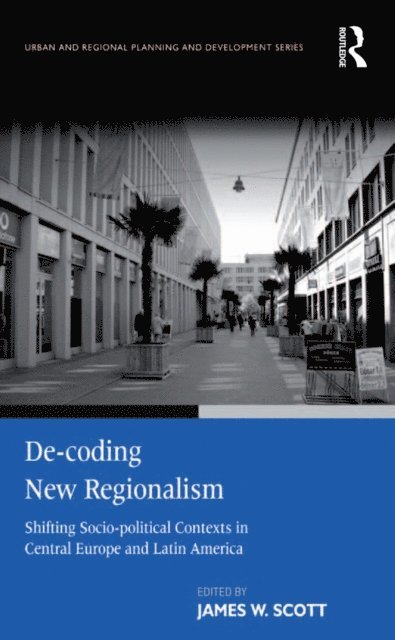
Bringing together comparative case studies from Central Europe and South America, this book focuses on 'new' regions - regions created as political projects of modernization and 're-scaling'. Through this approach it de-codes 'New Regionalism' in terms of its contributions to institutional change, while acknowledging its contested nature and contradictions. It questions whether these regions are merely a strategy of neo-liberal adjustment to changing political and economic conditions, or whether they are indicative of true reform, greater citizen participation and empowerment. It assesses whether these regions are really representing something new or whether they are a reconfiguration of traditional power relationships. It provides a timely critical analysis of 'region-building' and the extent to which national processes of decentralization and sub-national processes of regionalism can enhance the effectiveness and responsiveness of governance.
Häftad, Engelska, 2018
447 kr
Skickas inom 10-15 vardagar
The collapse of the Soviet Union has had profound and long-lasting impacts on the societies of Eastern Europe, the South Caucasus and Central Asia, impacts which are not yet fully worked through: changes in state-society relations, a comprehensive reconfiguration of political, economic and social ties, the resurgence of regional conflicts "frozen" during the Soviet period, and new migration patterns both towards Russia and the European Union. At the same time the EU has emerged as an important player in the region, formulating its European Neighbourhood Policy, and engaging neighbouring states in a process of cross-border regional co-operation. This book explores a wide range of complex and contested questions related to borders, security and migration in the emerging "European Neighbourhood" which includes countries of the Caucasus and Central Asia as well as the countries which immediately border the EU. Issues discussed include new forms of regional and cross-border co-operation, new patterns of migration, and the potential role of the EU as a stabilizing external force. The Open Access version of this book, available at http://www.taylorfrancis.com, has been made available under a Creative Commons Attribution-Non Commercial-No Derivatives 4.0 license.
Inbunden, Engelska, 2018
2 137 kr
Skickas inom 10-15 vardagar
In the aftermath of the Ukraine crises, borders within the wider post-Cold War and post-Soviet context have become a key issue for international relations and public political debate. These borders are frequently viewed in terms of military preparedness and confrontation, but behind armed territorial conflicts there has been a broader shift in the regional balance of power and sovereignty. This book explores border conflicts in the EU’s eastern neighbourhood via a detailed focus on state power and sovereignty, set in the context of post-Cold war politics and international relations.By identifying changing definitions of sovereignty and political space the authors highlight competing strategies of legitimising and challenging borders that have emerged as a result of geopolitical transformations of the last three decades. This book uses comparative studies to examine country specific variation in border negotiation and conflict, and pays close attention to shifts in political debates that have taken place between the end of State Socialism, the collapse of the Soviet Union and the outbreak of the Ukraine crises. From this angle, Post-Cold War Borders sheds new light on change and variation in the political rhetoric of the EU, the Russian Federation, Ukraine and neighbouring EU member countries. Ultimately, the book aims to provide a new interpretation of changes in international order and how they relate to shifting concepts of sovereignty and territoriality in post-Cold war Europe.Shedding new light on negotiation and conflict over post-Soviet borders, this book will be of interest to students, researchers and policy makers in the fields of Russian and East European studies, international relations, geography, border studies and politics.
Inbunden, Engelska, 2020
1 730 kr
Skickas inom 5-8 vardagar
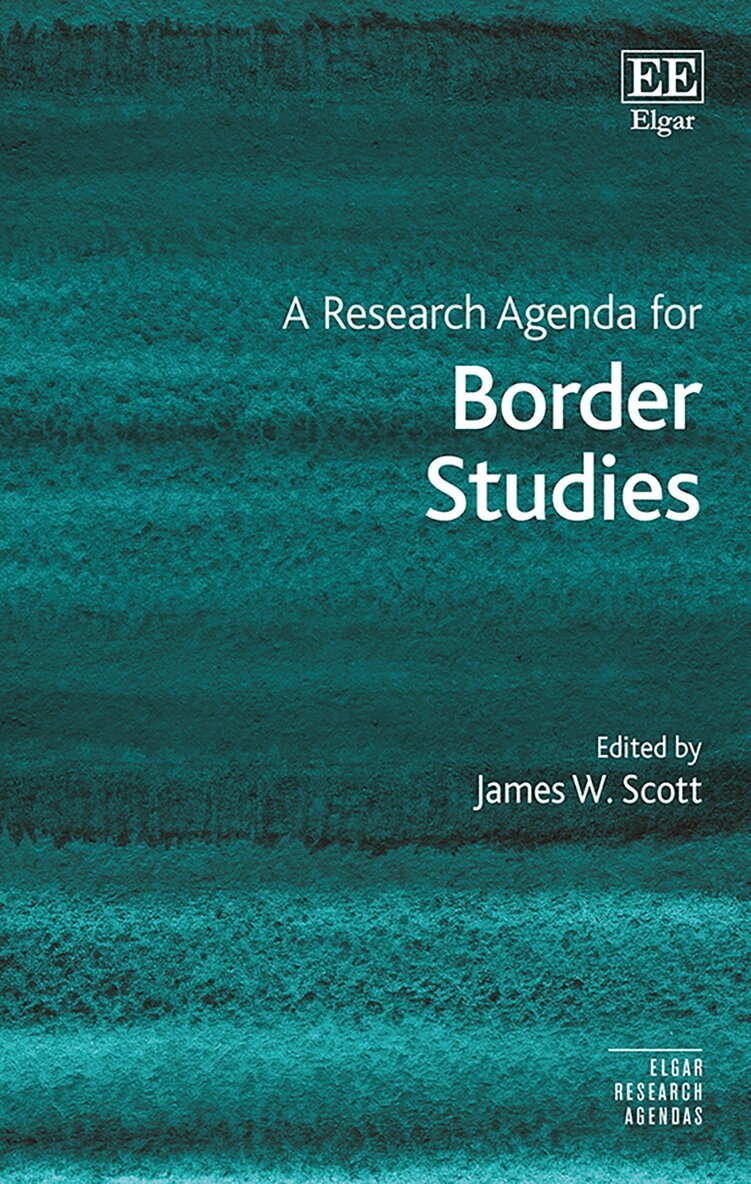
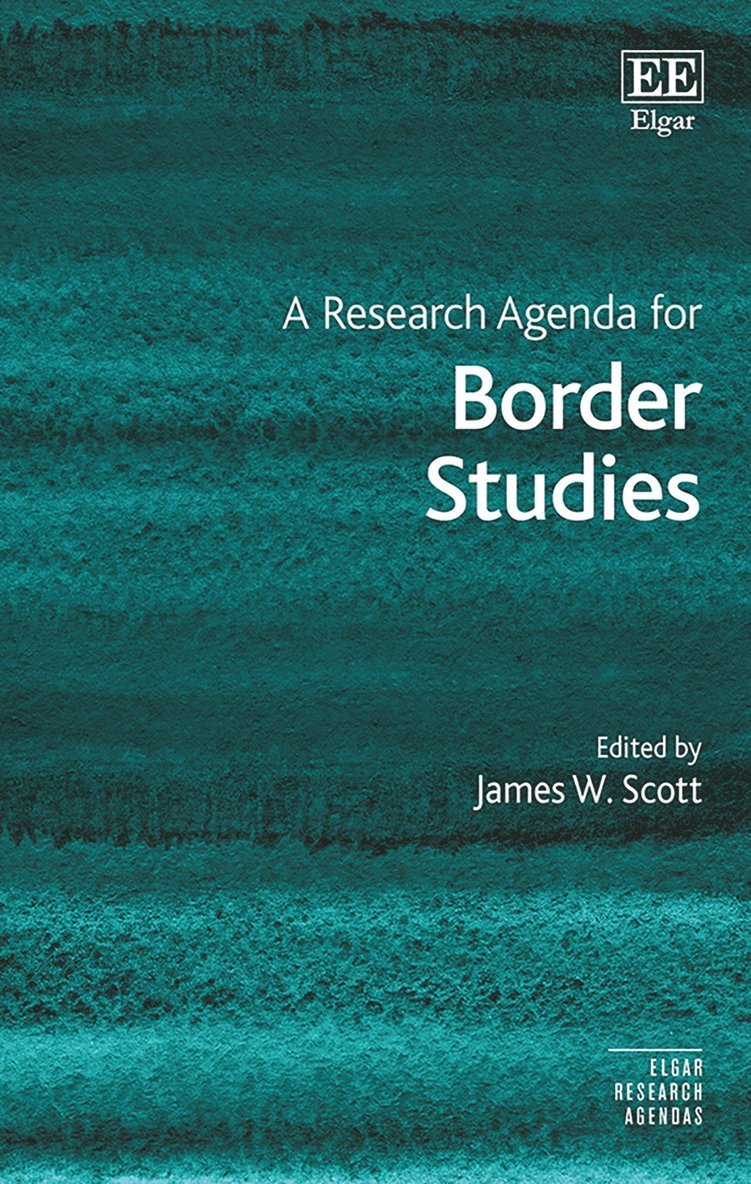
Elgar Research Agendas outline the future of research in a given area. Leading scholars are given the space to explore their subject in provocative ways, and map out the potential directions of travel. They are relevant but also visionary.The power of borders emerges not only from their institutional and legal nature but also from their symbolic and identity-forming significance. This innovative Research Agenda uncovers links between different levels of border-making processes, or bordering, from the political to the cognitive, and connects everyday processes and experiences of border-making to the wider social world.Grounded in their original research, contributors offer a variety of discussions on future directions for border studies, including two areas which may prove particularly fruitful; firstly, the question of the broader political salience of borders and secondly, the ways in which the border studies paradigm increasingly connects ontological and ethical questions to processes of border-making. Taken together, these address the question of how everyday bordering practices and discourses can be productively linked to different aspects of social relations.This timely book will be an invigorating read for those studying borders across a wide range of disciplines including human geography, political science, sociology, anthropology, history, international law as well as the humanities, notably art, media studies and philosophy.
Häftad, Engelska, 2022
437 kr
Skickas inom 5-8 vardagar
Elgar Research Agendas outline the future of research in a given area. Leading scholars are given the space to explore their subject in provocative ways, and map out the potential directions of travel. They are relevant but also visionary.The power of borders emerges not only from their institutional and legal nature but also from their symbolic and identity-forming significance. This innovative Research Agenda uncovers links between different levels of border-making processes, or bordering, from the political to the cognitive, and connects everyday processes and experiences of border-making to the wider social world.Grounded in their original research, contributors offer a variety of discussions on future directions for border studies, including two areas which may prove particularly fruitful; firstly, the question of the broader political salience of borders and secondly, the ways in which the border studies paradigm increasingly connects ontological and ethical questions to processes of border-making. Taken together, these address the question of how everyday bordering practices and discourses can be productively linked to different aspects of social relations.This timely book will be an invigorating read for those studying borders across a wide range of disciplines including human geography, political science, sociology, anthropology, history, international law as well as the humanities, notably art, media studies and philosophy.