James W. Snyder - Böcker
Visar alla böcker från författaren James W. Snyder. Handla med fri frakt och snabb leverans.
5 produkter
5 produkter
937 kr
Skickas inom 7-10 vardagar
This issue of Clinics in Laboratory Medicine, edited by Drs. Nahed Ismail, A. William Pasculle, and James Snyder, will cover a wide variety of Emerging Pathogens. Topics covered in this issue include, but are not limited to West Nile Virus; Zika Virus; Ebola and Marburg Heamorrhagic Fever; Rift Valley Fever; Carbapenem Resistant Enterobacteriacae; Closteridium Difficuile; and Chikungunya, among others.
956 kr
Skickas inom 10-15 vardagar
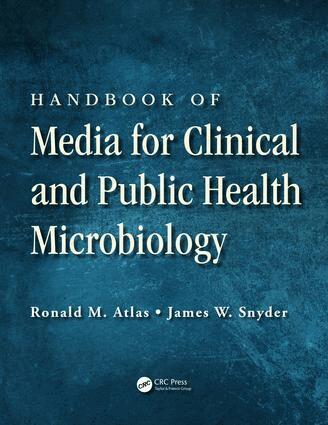
The detection and/or isolation and identification of pathogenic microorganisms is critical for the laboratory diagnosis of infectious diseases. With growth-dependant methods providing reliable means for identifying pathogens, traditional culturing continues to play an integral role in the detection and characterization of known and "new" microbial pathogens. Microbiologists, therefore, rely on a variety of media for the detection, isolation, characterization, and identification of primary and opportunistic microbial pathogens.The Handbook of Media for Clinical and Public Health Microbiology provides a compilation of the formulations, methods of preparation, and applications for media used in clinical and public health microbiology laboratories. It is a significant update to the Handbook of Media for Clinical Microbiology, expanding the coverage to media used for public health epidemiological investigations of disease outbreaks and including media used for the detection of pathogens in foods and environmental samples. Comprising both classic and modern media, the handbook describes almost 1,800 types of media, listed alphabetically, including new media for the cultivation of emerging bacteria, fungi, and viruses that are causing major medical problems around the world. Examples of emerging pathogens are extended-spectrum beta-lactamase (ESBL)-producing bacteria, Escherichia coli O157:H7, methicillin-resistant Staphylococcus aureus (MRSA), vancomycin-resistant enterococci (VRE), and carbapenem-resistant Enterobacteriaceae (CRE). Many of the new media contain chromogenic or fluorogenic substrates that permit rapid detection of specific pathogens.The handbook’s format allows easy reference to information needed to prepare media for cultivating clinically relevant microorganisms. It also contains descriptions of expected results for organisms that are important for the examination of foods, water, and other
928 kr
Skickas inom 10-15 vardagar
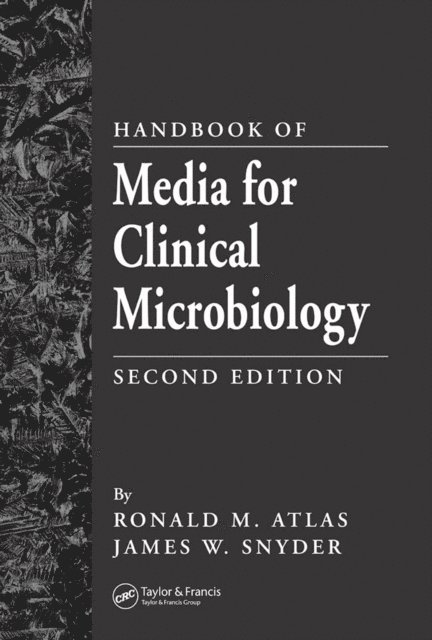
While evolving molecular diagnostic methods are being heralded for the role they will play in improving our ability to cultivate and identify bacteria, fungi, and viruses, the reality is that those new methods are still beyond the technical and financial reach of most clinical laboratories. Most clinical microbiology laboratories still rely upon culture methods for the identification of microorganisms of medical importance.The newest edition of the Handbook of Media for Clinical Microbiology addresses the needs of clinical microbiology laboratories and infectious disease researchers. Authored by Ronald Atlas and James Snyder, who over the years have built solid reputations among researchers for their exceptionally reliable media handbooks, this volume gives microbiologists in clinical and medical laboratories the reference they need to quickly and effectively deal with the modern challenges shaping the field.Organized for a fast-paced environment, this fully updated Second Edition provides clinical diagnostic laboratories with an easy-to-use reference for those routine and specialized media employed in the cultivation of pathogenic bacteria, fungi, and viruses. Almost 1,650 media are described in this edition, among them many newly developed media designed for the rapid detection and identification of disease-causing microorganisms, including those responsible for emerging and re-emerging infectious diseases.Describes media designed to cultivate and identify Escherichia coli O157:H7, methicillin-resistant Staphylococcus aureus, and vancomycin-resistant enterococciIncludes chromogenic or fluorogenic substrates that permit the rapid detection of specific pathogens critical to the diagnosis of individuals with specific infectious diseasesThe Handbook provides a compilation of the formulations, methods of preparation, and applications for media used in the clinical microbiology laboratory. Listings are alphabetical, and each inc
2 317 kr
Tillfälligt slut
While evolving molecular diagnostic methods are being heralded for the role they will play in improving our ability to cultivate and identify bacteria, fungi, and viruses, the reality is that those new methods are still beyond the technical and financial reach of most clinical laboratories. Most clinical microbiology laboratories still rely upon culture methods for the identification of microorganisms of medical importance.The newest edition of the Handbook of Media for Clinical Microbiology addresses the needs of clinical microbiology laboratories and infectious disease researchers. Authored by Ronald Atlas and James Snyder, who over the years have built solid reputations among researchers for their exceptionally reliable media handbooks, this volume gives microbiologists in clinical and medical laboratories the reference they need to quickly and effectively deal with the modern challenges shaping the field.Organized for a fast-paced environment, this fully updated Second Edition provides clinical diagnostic laboratories with an easy-to-use reference for those routine and specialized media employed in the cultivation of pathogenic bacteria, fungi, and viruses. Almost 1,650 media are described in this edition, among them many newly developed media designed for the rapid detection and identification of disease-causing microorganisms, including those responsible for emerging and re-emerging infectious diseases.Describes media designed to cultivate and identify Escherichia coli O157:H7, methicillin-resistant Staphylococcus aureus, and vancomycin-resistant enterococciIncludes chromogenic or fluorogenic substrates that permit the rapid detection of specific pathogens critical to the diagnosis of individuals with specific infectious diseasesThe Handbook provides a compilation of the formulations, methods of preparation, and applications for media used in the clinical microbiology laboratory. Listings are alphabetical, and each inc
3 048 kr
Skickas inom 10-15 vardagar
The detection and/or isolation and identification of pathogenic microorganisms is critical for the laboratory diagnosis of infectious diseases. With growth-dependant methods providing reliable means for identifying pathogens, traditional culturing continues to play an integral role in the detection and characterization of known and "new" microbial pathogens. Microbiologists, therefore, rely on a variety of media for the detection, isolation, characterization, and identification of primary and opportunistic microbial pathogens.The Handbook of Media for Clinical and Public Health Microbiology provides a compilation of the formulations, methods of preparation, and applications for media used in clinical and public health microbiology laboratories. It is a significant update to the Handbook of Media for Clinical Microbiology, expanding the coverage to media used for public health epidemiological investigations of disease outbreaks and including media used for the detection of pathogens in foods and environmental samples. Comprising both classic and modern media, the handbook describes almost 1,800 types of media, listed alphabetically, including new media for the cultivation of emerging bacteria, fungi, and viruses that are causing major medical problems around the world. Examples of emerging pathogens are extended-spectrum beta-lactamase (ESBL)-producing bacteria, Escherichia coli O157:H7, methicillin-resistant Staphylococcus aureus (MRSA), vancomycin-resistant enterococci (VRE), and carbapenem-resistant Enterobacteriaceae (CRE). Many of the new media contain chromogenic or fluorogenic substrates that permit rapid detection of specific pathogens.The handbook’s format allows easy reference to information needed to prepare media for cultivating clinically relevant microorganisms. It also contains descriptions of expected results for organisms that are important for the examination of foods, water, and other