James W. Stone – författare
Visar alla böcker från författaren James W. Stone. Handla med fri frakt och snabb leverans.
15 produkter
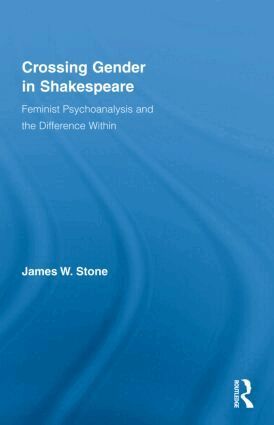
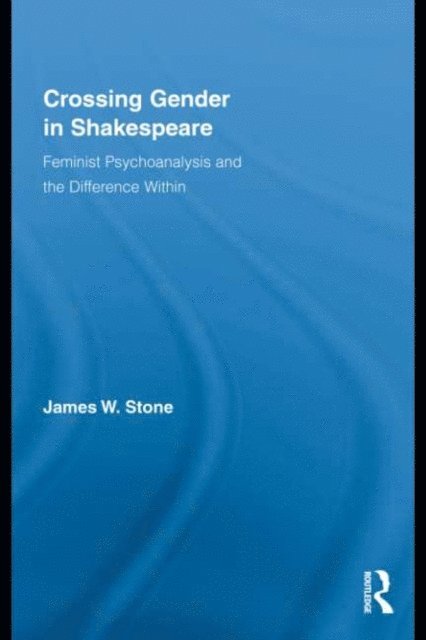
Crossing Gender in Shakespeare
Feminist Psychoanalysis and the Difference Within
Inbunden, 2010
3146 kr
Lägg i varukorg
In this book, Stone effects a return to gender, after many years of neglect by Twenty-First-Century critics, via a methodology of close reading that foregrounds moments of sexual decentering and disequilibrium within the text and in the interstices of the dialogue between Shakespeare and his …
Crossing Gender in Shakespeare
Feminist Psychoanalysis and the Difference Within
Häftad, 2011
909 kr
Lägg i varukorg
In this book, Stone effects a return to gender, after many years of neglect by Twenty-First-Century critics, via a methodology of close reading that foregrounds moments of sexual decentering and disequilibrium within the text and in the interstices of the dialogue between Shakespeare and his …
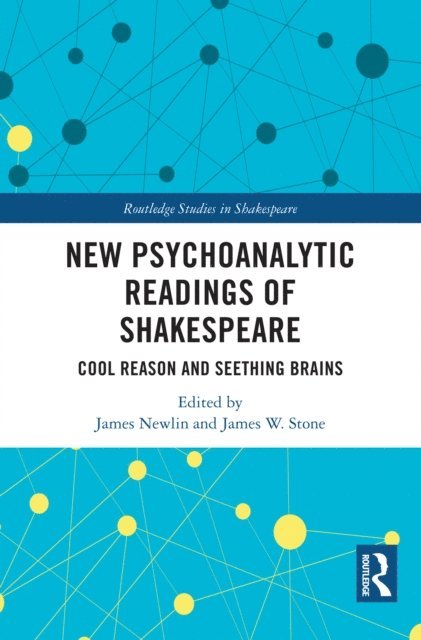
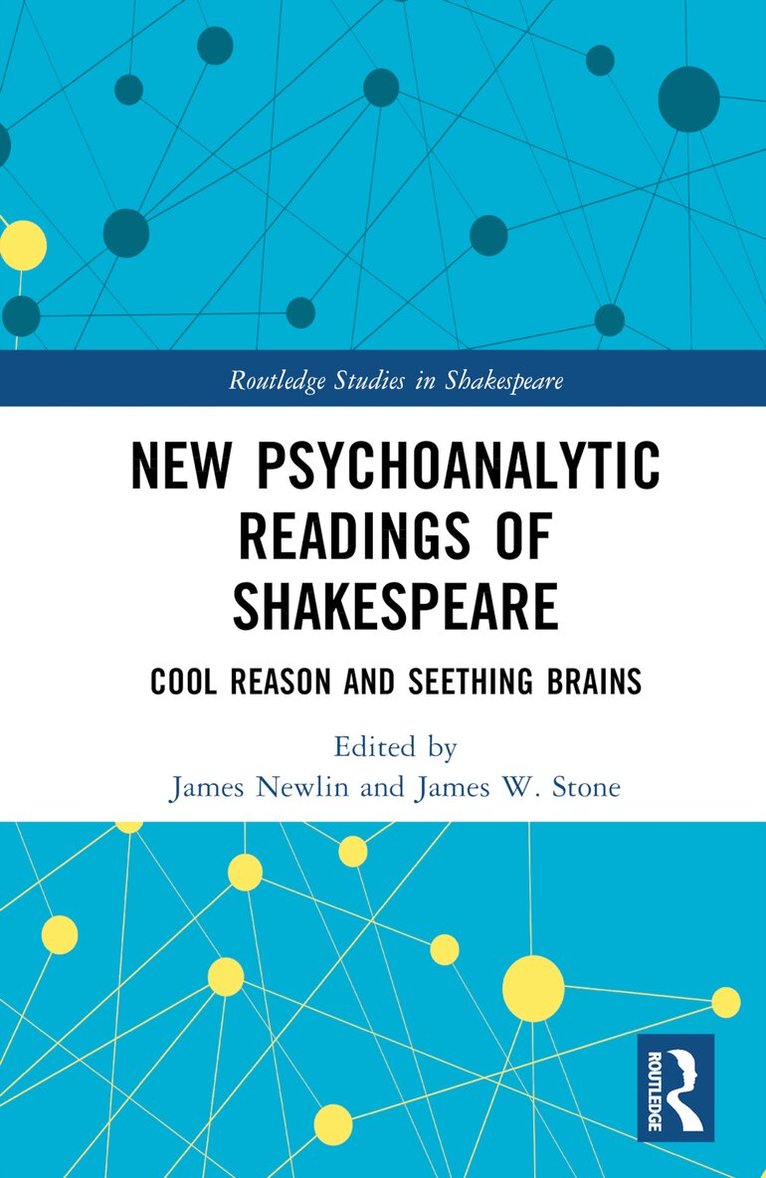
New Psychoanalytic Readings of Shakespeare
Cool Reason and Seething Brains
Av James W. Stone, James Newlin
E-bok, 2023
876 kr
Lägg i varukorg
It has been over two decades since the publication of the last major edited collection focused on psychoanalysis and early modern culture. In Shakespeare studies, the New Historicism and cognitive psychology have hindered a dynamic conversation engaging depth-oriented models of the mind from taking …
New Psychoanalytic Readings of Shakespeare
Cool Reason and Seething Brains
Av James W. Stone, James Newlin
E-bok, 2023
857 kr
Lägg i varukorg
It has been over two decades since the publication of the last major edited collection focused on psychoanalysis and early modern culture. In Shakespeare studies, the New Historicism and cognitive psychology have hindered a dynamic conversation engaging depth-oriented models of the mind from taking …
New Psychoanalytic Readings of Shakespeare
Cool Reason and Seething Brains
Av James Newlin, James W. Stone
Inbunden, 2023
2896 kr
Lägg i varukorg
It has been over two decades since the publication of the last major edited collection focused on psychoanalysis and early modern culture. In Shakespeare studies, the New Historicism and cognitive psychology have hindered a dynamic conversation engaging depth-oriented models of the mind from taking …
New Psychoanalytic Readings of Shakespeare
Cool Reason and Seething Brains
Av James Newlin, James W. Stone
Häftad, 2024
747 kr
Lägg i varukorg
It has been over two decades since the publication of the last major edited collection focused on psychoanalysis and early modern culture. In Shakespeare studies, the New Historicism and cognitive psychology have hindered a dynamic conversation engaging depth-oriented models of the mind from taking …
Crossing Gender in Shakespeare
Feminist Psychoanalysis and the Difference Within
E-bok, 2010
1075 kr
Lägg i varukorg
In this book, Stone effects a return to gender, after many years of neglect by Twenty-First-Century critics, via a methodology of close reading that foregrounds moments of sexual decentering and disequilibrium within the text and in the interstices of the dialogue between Shakespeare and his …
Crossing Gender in Shakespeare
Feminist Psychoanalysis and the Difference Within
E-bok, 2010
1075 kr
Lägg i varukorg
In this book, Stone effects a return to gender, after many years of neglect by Twenty-First-Century critics, via a methodology of close reading that foregrounds moments of sexual decentering and disequilibrium within the text and in the interstices of the dialogue between Shakespeare and his …
Removal of Judge Loring
Remarks of James W. Stone, of Boston, in the Massachusetts House of Representatives, April 13, 1855.
Häftad, 2010
195 kr
Lägg i varukorg
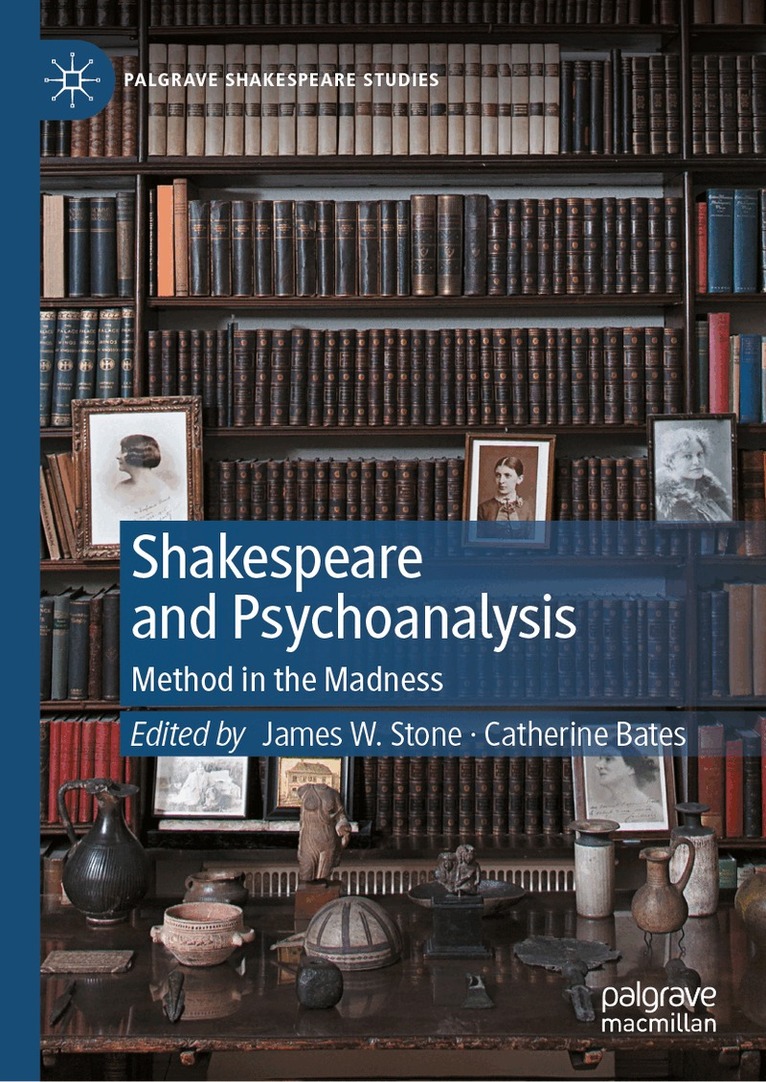
Shakespeare and Psychoanalysis
Method in the Madness
Av James W. Stone, Catherine Bates
Inbunden, 2026
1680 kr
Lägg i varukorg
This edited volume presents a collection of new essays on Shakespeare and Psychoanalysis from leading figures in the field, making a strong statement about the ongoing relevance of contemporary psychoanalytic theory and method to the study of literary texts in general, and to Shakespeare’s poems …
Shakespeare and Psychoanalysis
Method in the Madness
Av Catherine Bates, James W. Stone
E-bok, 2026
2133 kr
Lägg i varukorg
This edited volume presents a collection of new essays on Shakespeare and Psychoanalysis from leading figures in the field, making a strong statement about the ongoing relevance of contemporary psychoanalytic theory and method to the study of literary texts in general, and to Shakespeare’s poems …