Jamil Hasanli – författare
Visar alla böcker från författaren Jamil Hasanli. Handla med fri frakt och snabb leverans.
23 produkter
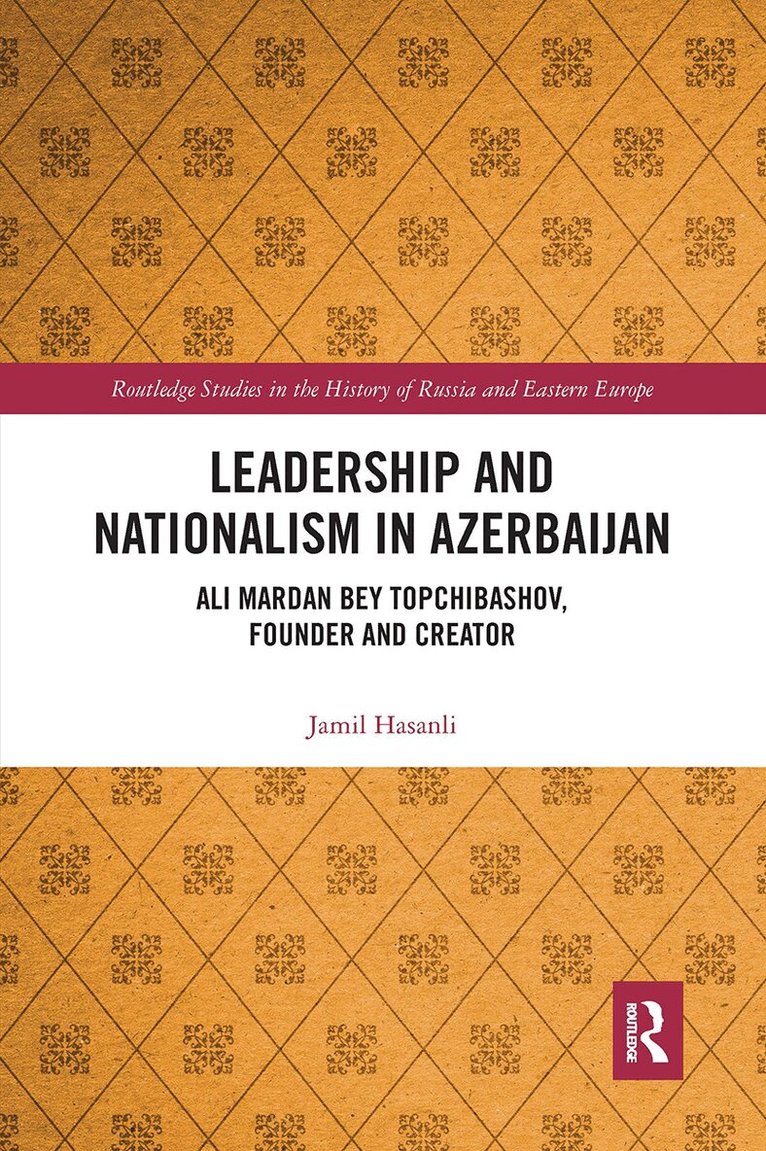
Leadership and Nationalism in Azerbaijan
Ali Mardan bey Topchibashov, Founder and Creator
Häftad, 2020
742 kr
Lägg i varukorg
Ali Mardan bey Topchibashov was a prominent politician, who played a crucial role in the history of Azerbaijan. One of the most striking personalities in the history of Azerbaijan, the founder of liberal ideas, and the first President of the Republic of Azerbaijan, he led the Muslim faction in the …
Leadership and Nationalism in Azerbaijan
Ali Mardan bey Topchibashov, Founder and Creator
E-bok, 2018
901 kr
Lägg i varukorg
Ali Mardan bey Topchibashov was a prominent politician, who played a crucial role in the history of Azerbaijan. One of the most striking personalities in the history of Azerbaijan, the founder of liberal ideas, and the first President of the Republic of Azerbaijan, he led the Muslim faction in the …
Leadership and Nationalism in Azerbaijan
Ali Mardan bey Topchibashov, Founder and Creator
E-bok, 2018
881 kr
Lägg i varukorg
Ali Mardan bey Topchibashov was a prominent politician, who played a crucial role in the history of Azerbaijan. One of the most striking personalities in the history of Azerbaijan, the founder of liberal ideas, and the first President of the Republic of Azerbaijan, he led the Muslim faction in the …
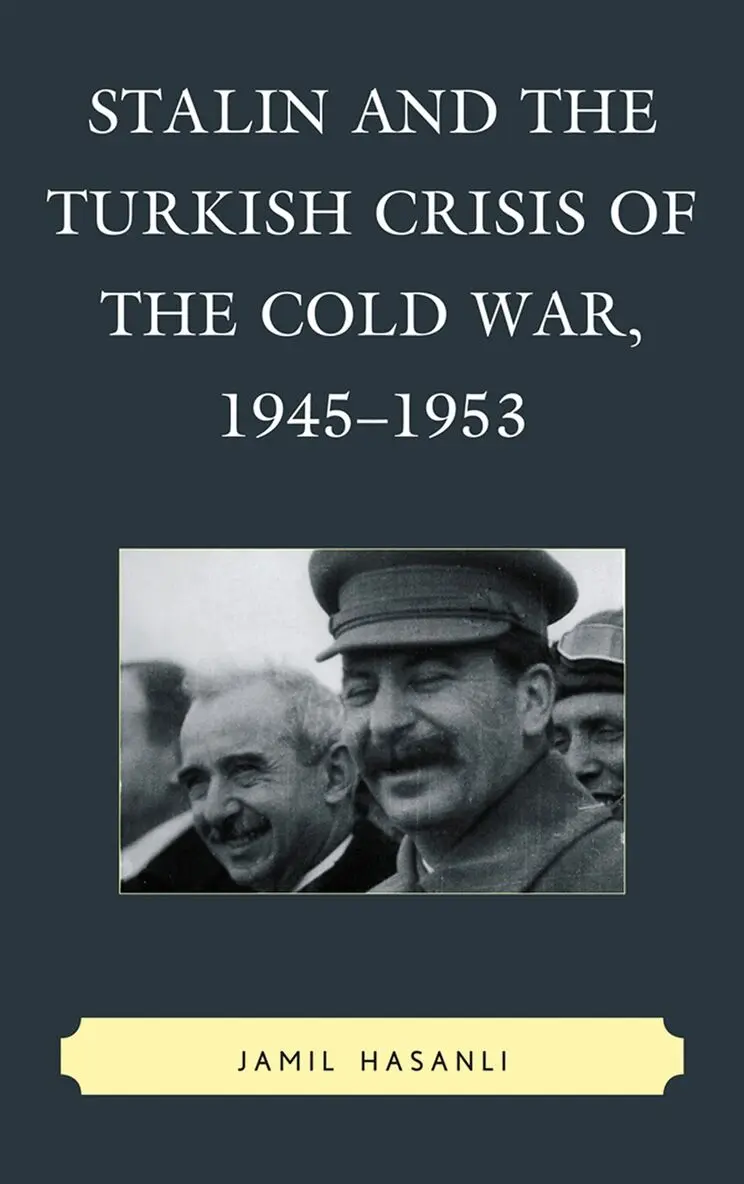
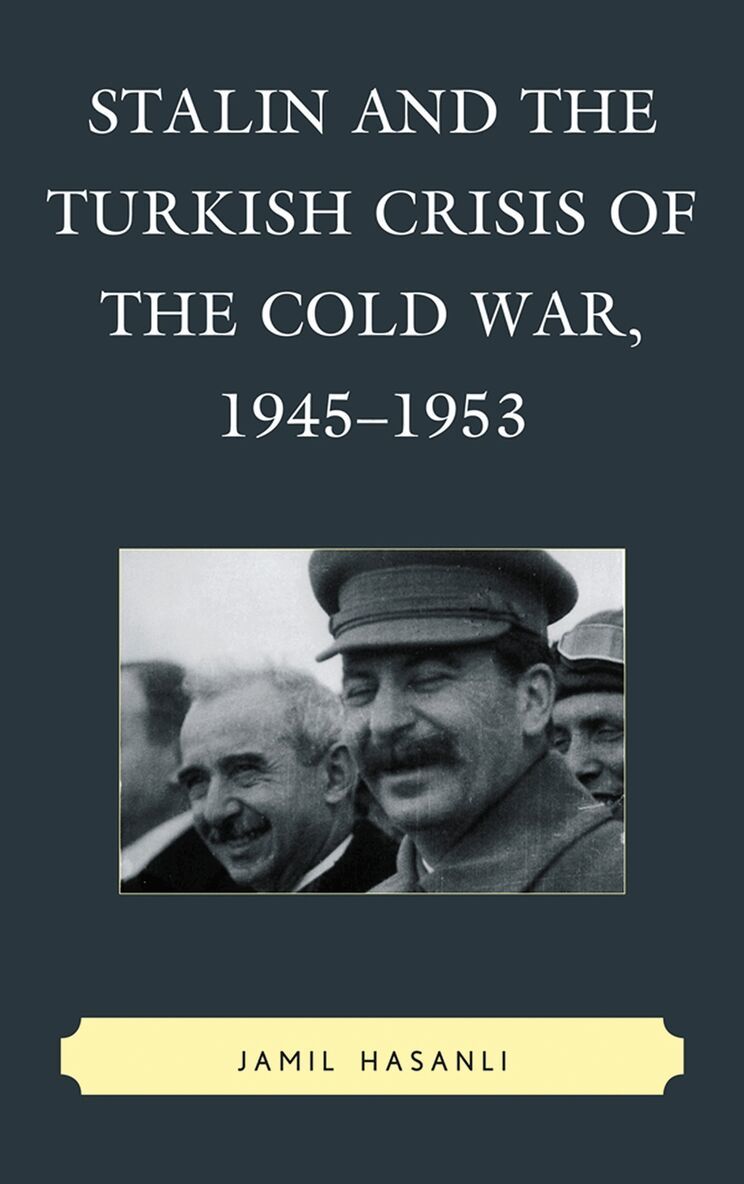
Stalin and the Turkish Crisis of the Cold War, 1945–1953
Inbunden, 2011
1899 kr
Lägg i varukorg
This book presents the ups and downs of the Soviet-Turkish relations during World War II and immediately after it. Hasanli draws on declassified archive documents from the United States, Russia, Armenia, Georgia, Turkey, and Azerbaijan to recreate a true picture of the time when the 'Turkish …
Stalin and the Turkish Crisis of the Cold War, 1945–1953
Häftad, 2013
880 kr
Lägg i varukorg
This book presents the ups and downs of the Soviet-Turkish relations during World War II and immediately after it. Hasanli draws on declassified archive documents from the United States, Russia, Armenia, Georgia, Turkey, and Azerbaijan to recreate a true picture of the time when the 'Turkish …
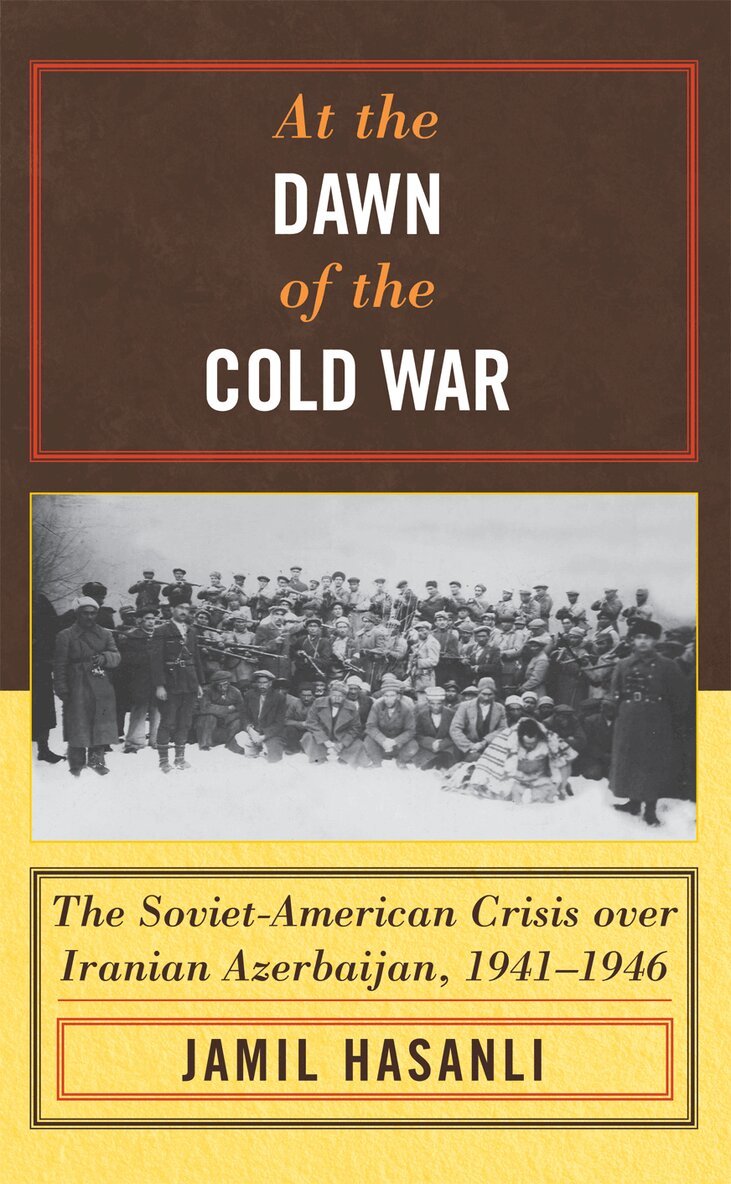
At the Dawn of the Cold War
The Soviet-American Crisis over Iranian Azerbaijan, 1941–1946
Inbunden, 2006
1608 kr
Lägg i varukorg
For half a century, the United States and the Soviet Union were in conflict. But how and where did the Cold War begin? Jamil Hasanli answers these intriguing questions in At the Dawn of the Cold War. He argues that the intergenerational crisis over Iranian Azerbaijan (1945–1946) was the first event …
At the Dawn of the Cold War
The Soviet-American Crisis Over Iranian Azerbaijan, 1941–1946
E-bok, 2006
1727 kr
Lägg i varukorg
For half a century, the United States and the Soviet Union were in conflict. But how and where did the Cold War begin? Jamil Hasanli answers these intriguing questions in At the Dawn of the Cold War. He argues that the intergenerational crisis over Iranian Azerbaijan (1945–1946) was the first event …
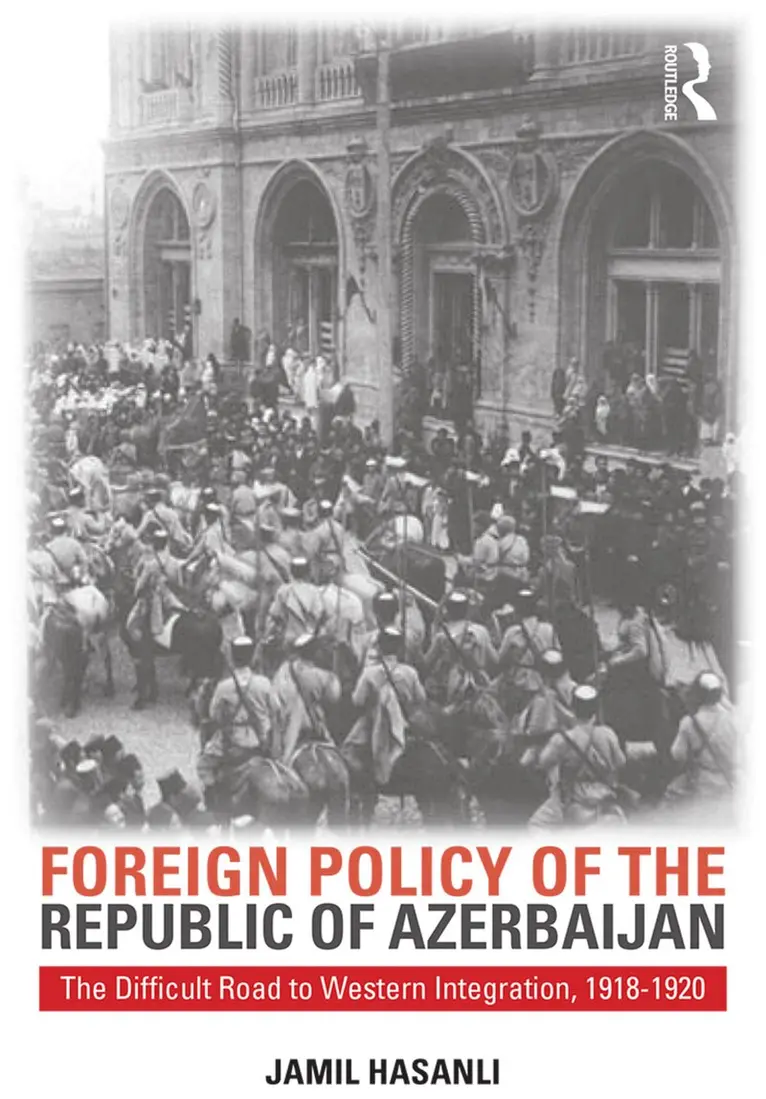
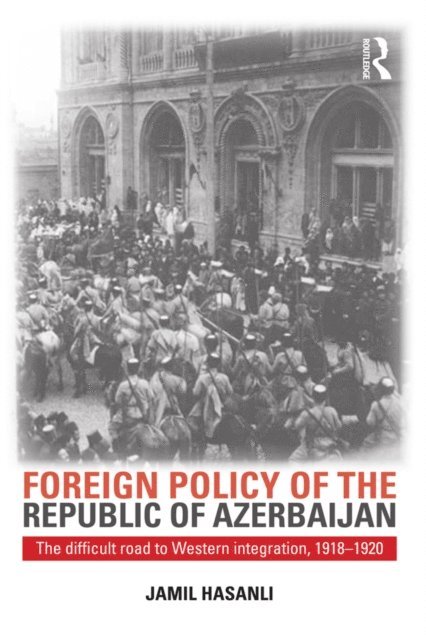
Foreign Policy of the Republic of Azerbaijan
The Difficult Road to Western Integration, 1918-1920
Inbunden, 2015
3156 kr
Lägg i varukorg
As revolution swept over Russia and empires collapsed in the final days of World War I, Azerbaijan and neighbouring Georgia and Armenia proclaimed their independence in May 1918. During the ensuing two years of struggle for independence, military endgames, and treaty negotiations, the diplomatic …
Foreign Policy of the Republic of Azerbaijan
The Difficult Road to Western Integration, 1918-1920
Häftad, 2014
1042 kr
Lägg i varukorg
As revolution swept over Russia and empires collapsed in the final days of World War I, Azerbaijan and neighbouring Georgia and Armenia proclaimed their independence in May 1918. During the ensuing two years of struggle for independence, military endgames, and treaty negotiations, the diplomatic …
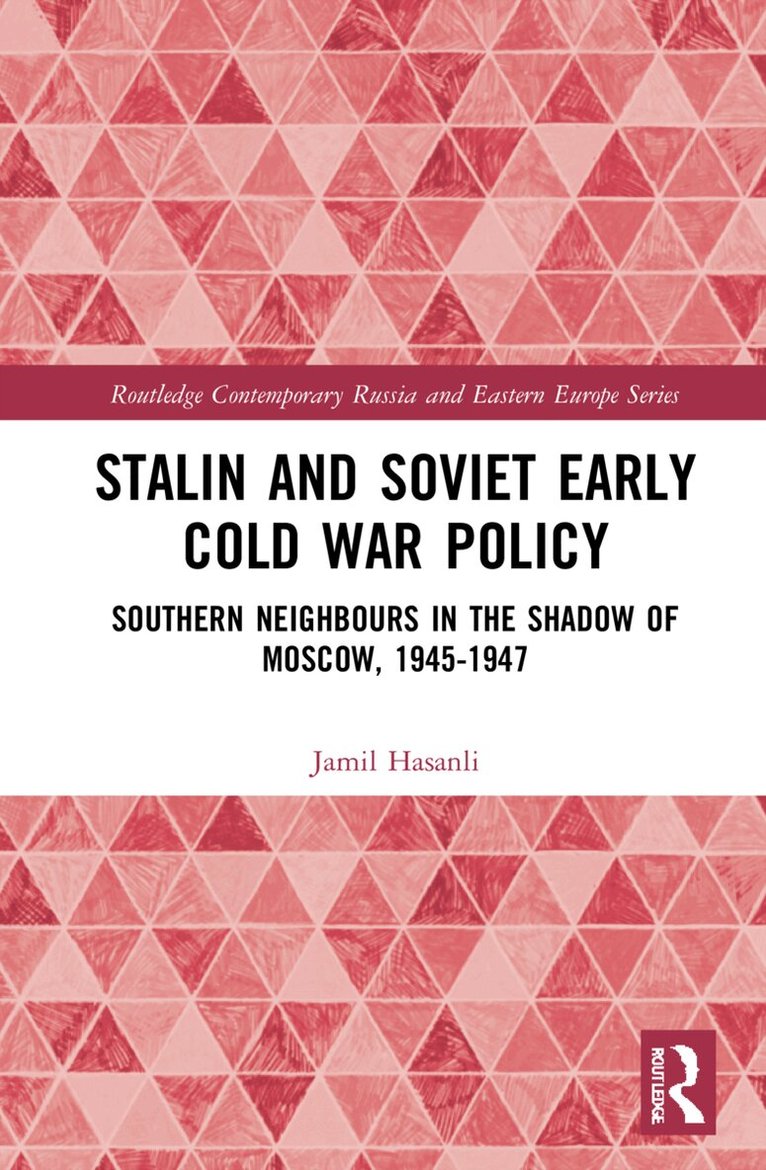
Stalin's Early Cold War Foreign Policy
Southern Neighbours in the Shadow of Moscow, 1945-1947
E-bok, 2022
814 kr
Lägg i varukorg
Immediately after the Allied WW2 victory in Europe, claims were made by the Soviet Union over the eastern regions of Turkey, to secure direct control over the Bosporus, Dardanelles, and Turkish Straits. The detailed study of the international components of these events, featuring the veiled …
Stalin's Early Cold War Foreign Policy
Southern Neighbours in the Shadow of Moscow, 1945-1947
E-bok, 2022
814 kr
Lägg i varukorg
Immediately after the Allied WW2 victory in Europe, claims were made by the Soviet Union over the eastern regions of Turkey, to secure direct control over the Bosporus, Dardanelles, and Turkish Straits. The detailed study of the international components of these events, featuring the veiled …
Stalin’s Early Cold War Foreign Policy
Southern Neighbours in the Shadow of Moscow, 1945-1947
Inbunden, 2022
2512 kr
Lägg i varukorg
Immediately after the Allied WW2 victory in Europe, claims were made by the Soviet Union over the eastern regions of Turkey, to secure direct control over the Bosporus, Dardanelles, and Turkish Straits. The detailed study of the international components of these events, featuring the veiled …
Stalin’s Early Cold War Foreign Policy
Southern Neighbours in the Shadow of Moscow, 1945-1947
Häftad, 2024
712 kr
Lägg i varukorg
Immediately after the Allied WW2 victory in Europe, claims were made by the Soviet Union over the eastern regions of Turkey, to secure direct control over the Bosporus, Dardanelles, and Turkish Straits. The detailed study of the international components of these events, featuring the veiled …
Iranian Oil Crisis and Mossadegh in the Cold War, 1949-1953
E-bok, 2026
829 kr
Lägg i varukorg
In the early 1950s, Iranian oil became a firebomb of the Cold War in the Middle East, creating one of the era's two major hot spots alongside Korea.This book examines the dramatic events surrounding Mohammad Mossadegh whose government unanimously passed legislation nationalizing the Iranian oil …
Iranian Oil Crisis and Mossadegh in the Cold War, 1949-1953
E-bok, 2026
856 kr
Lägg i varukorg
In the early 1950s, Iranian oil became a firebomb of the Cold War in the Middle East, creating one of the era's two major hot spots alongside Korea.This book examines the dramatic events surrounding Mohammad Mossadegh whose government unanimously passed legislation nationalizing the Iranian oil …
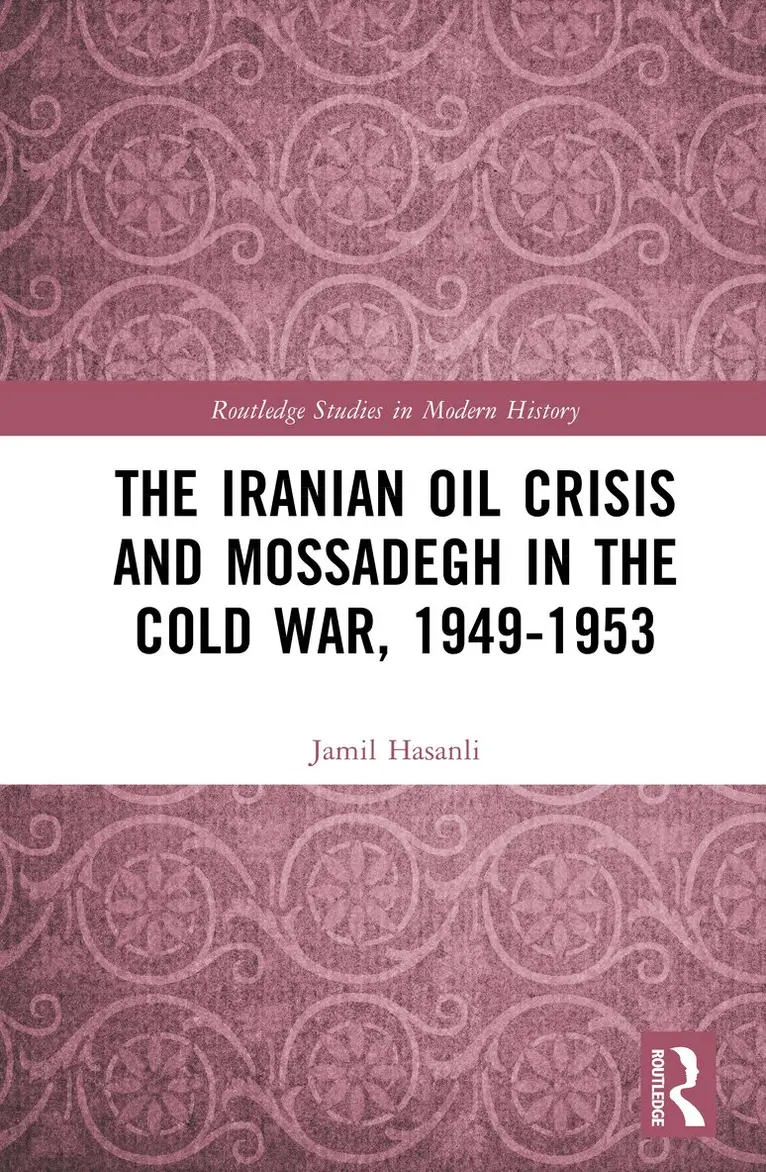
Iranian Oil Crisis and Mossadegh in the Cold War, 1949-1953
Inbunden, 2026
2595 kr
Lägg i varukorg
In the early 1950s, Iranian oil became a firebomb of the Cold War in the Middle East, creating one of the era's two major hot spots alongside Korea.This book examines the dramatic events surrounding Mohammad Mossadegh whose government unanimously passed legislation nationalizing the Iranian oil …
Leadership and Nationalism in Azerbaijan
Ali Mardan bey Topchibashov, Founder and Creator
Inbunden, 2018
2599 kr
Lägg i varukorg
Ali Mardan bey Topchibashov was a prominent politician, who played a crucial role in the history of Azerbaijan. One of the most striking personalities in the history of Azerbaijan, the founder of liberal ideas, and the first President of the Republic of Azerbaijan, he led the Muslim faction in the …
Foreign Policy of the Republic of Azerbaijan
The Difficult Road to Western Integration, 1918-1920
E-bok, 2015
1231 kr
Lägg i varukorg
As revolution swept over Russia and empires collapsed in the final days of World War I, Azerbaijan and neighbouring Georgia and Armenia proclaimed their independence in May 1918. During the ensuing two years of struggle for independence, military endgames, and treaty negotiations, the diplomatic …
Foreign Policy of the Republic of Azerbaijan
The Difficult Road to Western Integration, 1918-1920
E-bok, 2015
1231 kr
Lägg i varukorg
As revolution swept over Russia and empires collapsed in the final days of World War I, Azerbaijan and neighbouring Georgia and Armenia proclaimed their independence in May 1918. During the ensuing two years of struggle for independence, military endgames, and treaty negotiations, the diplomatic …
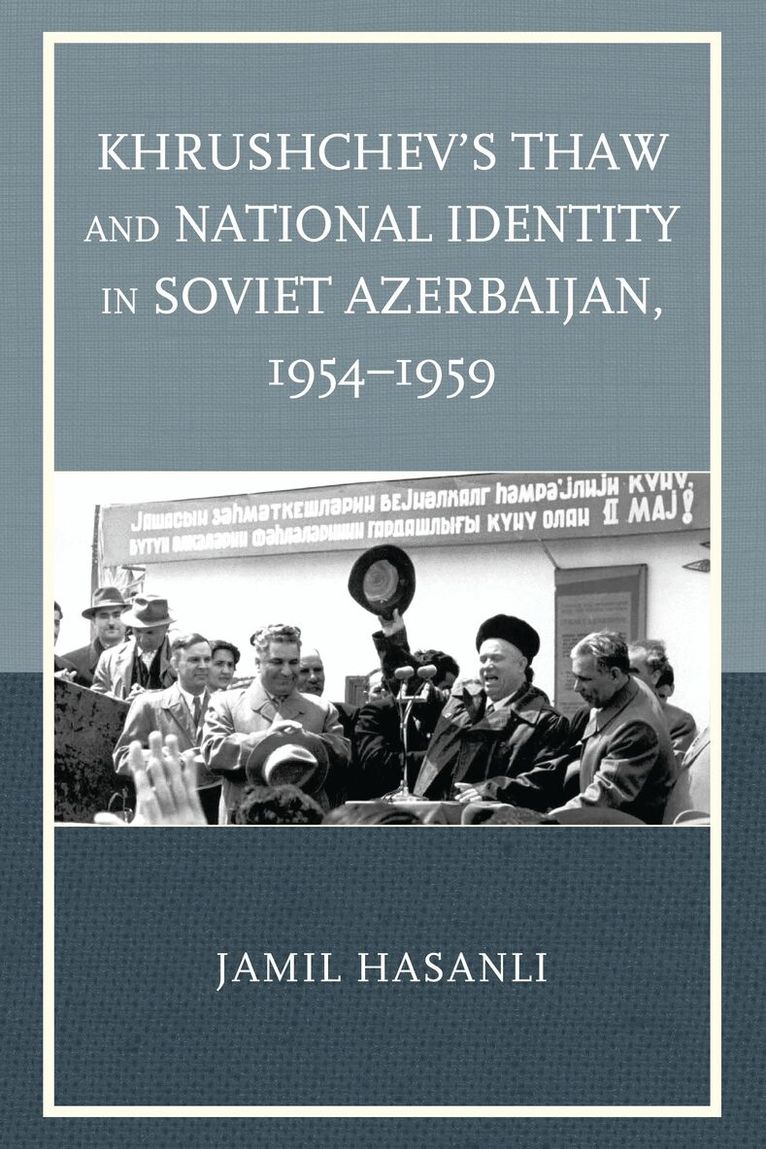
Khrushchev's Thaw and National Identity in Soviet Azerbaijan, 1954–1959
Inbunden, 2014
2051 kr
Lägg i varukorg
On February 25, 1956, Soviet leader Nikita S. Khrushchev delivered the so-called “secret speech” in the Twentieth Party Congress of the CPSU in which he denounced Stalin’s transgressions and the cult of personality around the deceased dictator. Replete with sharp criticism of the Terror of the late …
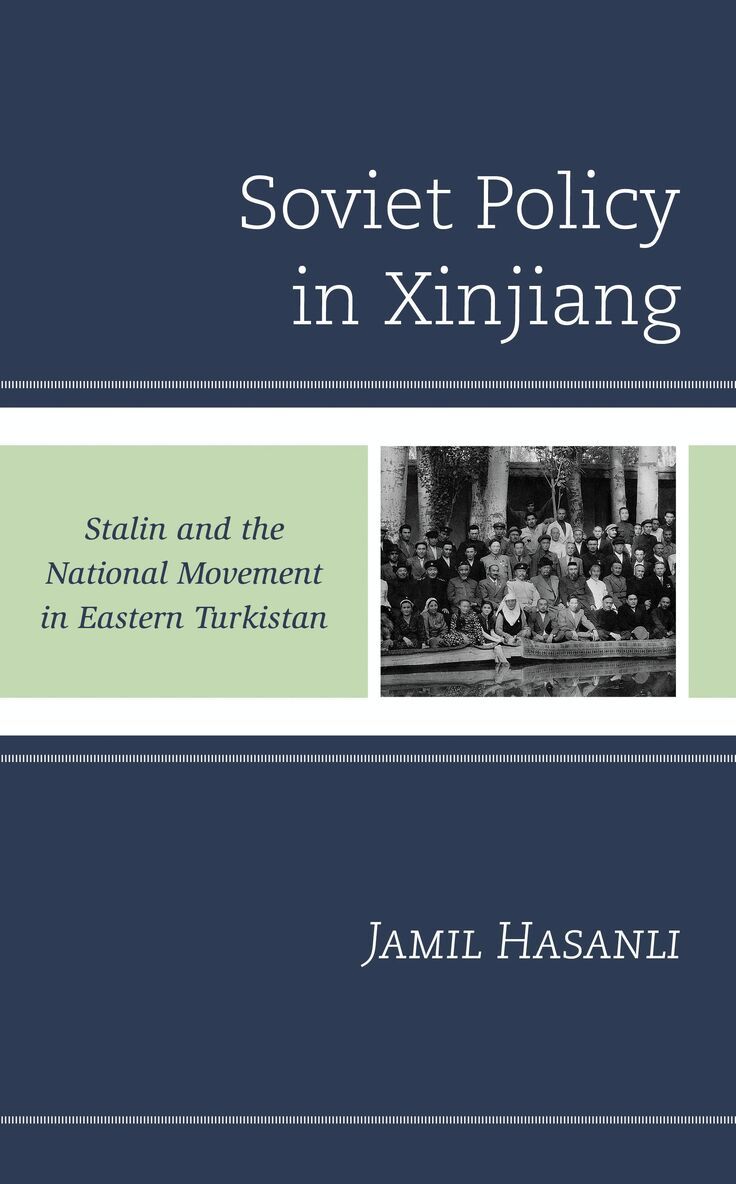
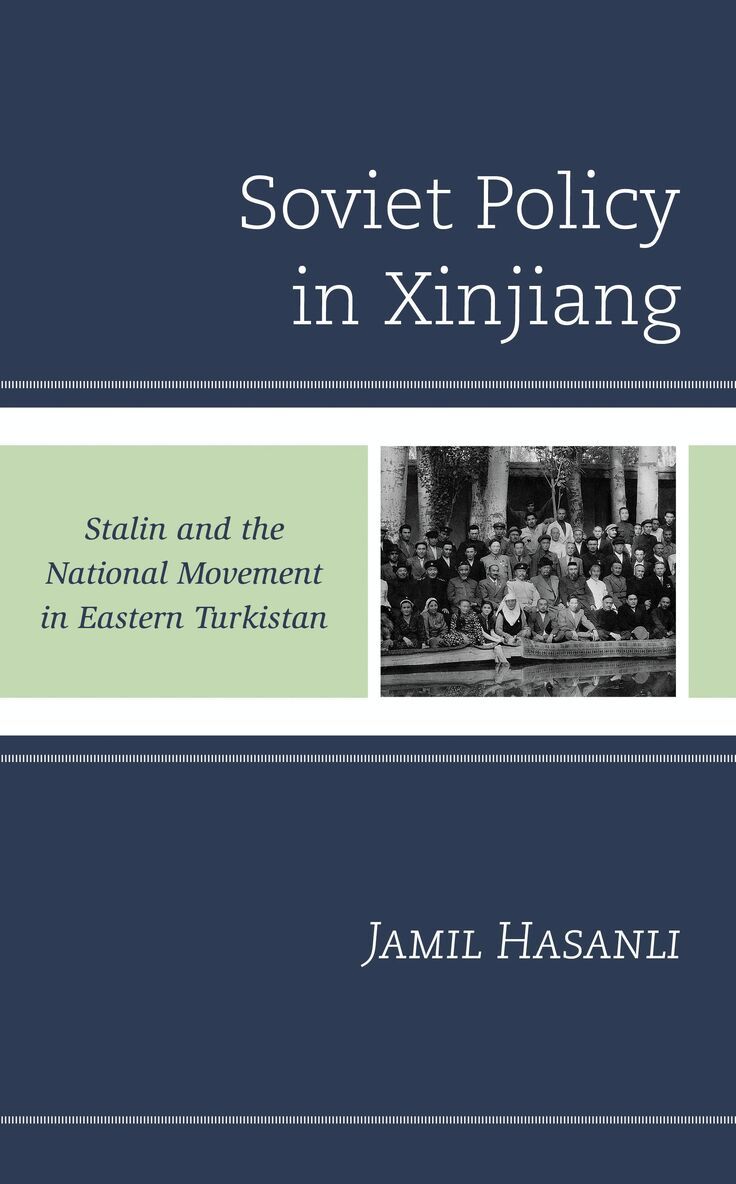
Soviet Policy in Xinjiang
Stalin and the National Movement in Eastern Turkistan
Inbunden, 2020
1394 kr
Lägg i varukorg
Using recently declassified Soviet documents, Jamil Hasanli examines Soviet involvement in the anti-China rebellion in East Turkistan. Hasanli takes readers back to the early 1930s when the Turkic national movement was suppressed by the Soviet government and the USSR. Hasanli deftly illustrates how …
Soviet Policy in Xinjiang
Stalin and the National Movement in Eastern Turkistan
Häftad, 2022
533 kr
Lägg i varukorg
Using recently declassified Soviet documents, Jamil Hasanli examines Soviet involvement in the anti-China rebellion in East Turkistan. Hasanli takes readers back to the early 1930s when the Turkic national movement was suppressed by the Soviet government and the USSR. Hasanli deftly illustrates how …
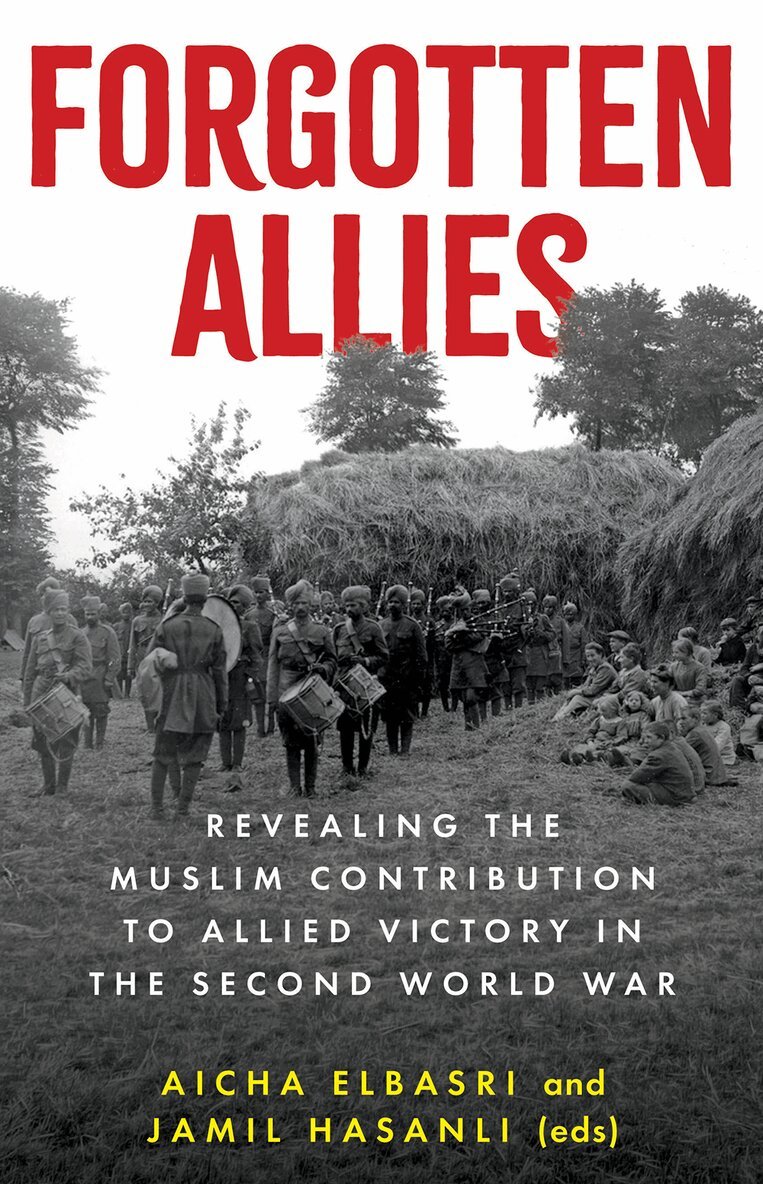
Forgotten Allies
Revealing the Muslim Contribution to Allied Victory in the Second World War
Av Aicha Elbasri, Jamil Hasanli
Inbunden, 2026
655 kr
Kommande
The first global overview that maps out Muslims’ military, economic, political and logistical contributions to the Allied victory in the Second World War. The participation of Muslims in the Second World War is frequently ignored, overlooked or mischaracterised. A profound Western-centric scholarly …