Jan Eichler – författare
Visar alla böcker från författaren Jan Eichler. Handla med fri frakt och snabb leverans.
13 produkter
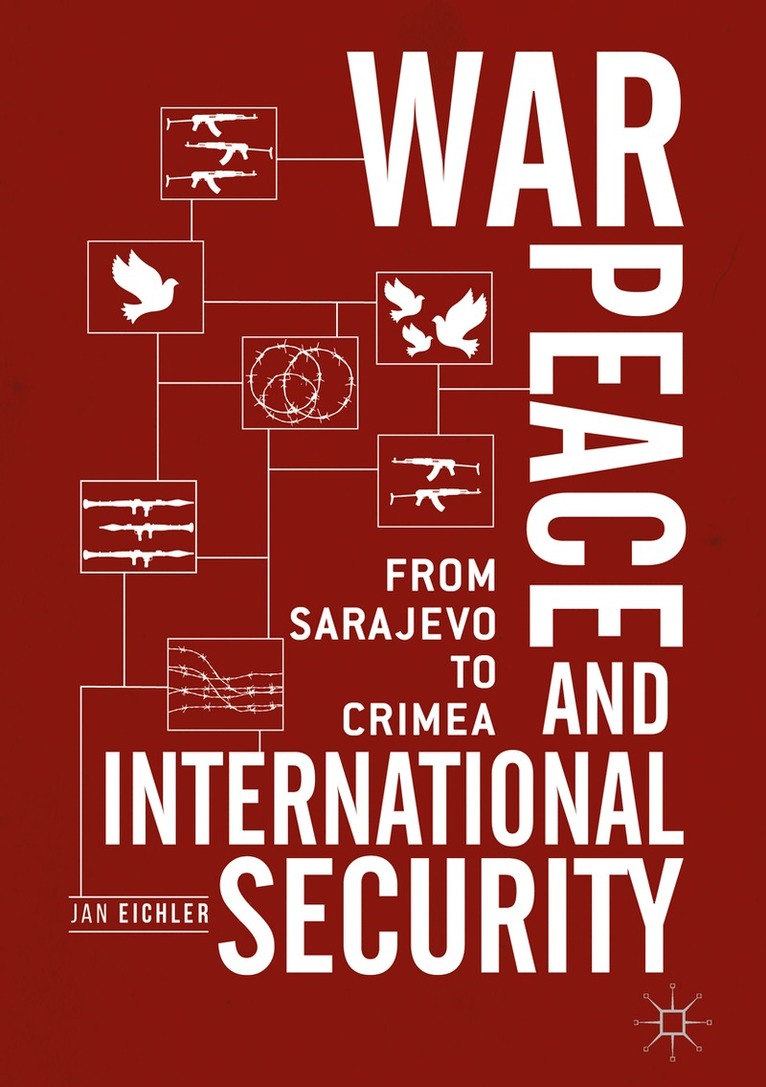
War, Peace and International Security
From Sarajevo to Crimea
Av Jan Eichler
Inbunden, 2016
1096 kr
Lägg i varukorg
This book examines and explains the dialectic of war and peace between the outbreak of WWI and the Russian annexation of Crimea in 2014. The theoretical inspiration is built upon Galtung’s concept of negative and positive peace, Aron´s distinction between strategy and diplomacy, and Carr´s theory …
War, Peace and International Security
From Sarajevo to Crimea
Av Jan Eichler
E-bok, 2016
1550 kr
Lägg i varukorg
This book examines and explains the dialectic of war and peace between the outbreak of WWI and the Russian annexation of Crimea in 2014. The theoretical inspiration is built upon Galtung’s concept of negative and positive peace, Aron´s distinction between strategy and diplomacy, and Carr´s theory …
War, Peace and International Security
From Sarajevo to Crimea
Av Jan Eichler
Häftad, 2018
1096 kr
Lägg i varukorg
This book examines and explains the dialectic of war and peace between the outbreak of WWI and the Russian annexation of Crimea in 2014. The theoretical inspiration is built upon Galtung’s concept of negative and positive peace, Aron´s distinction between strategy and diplomacy, and Carr´s theory …
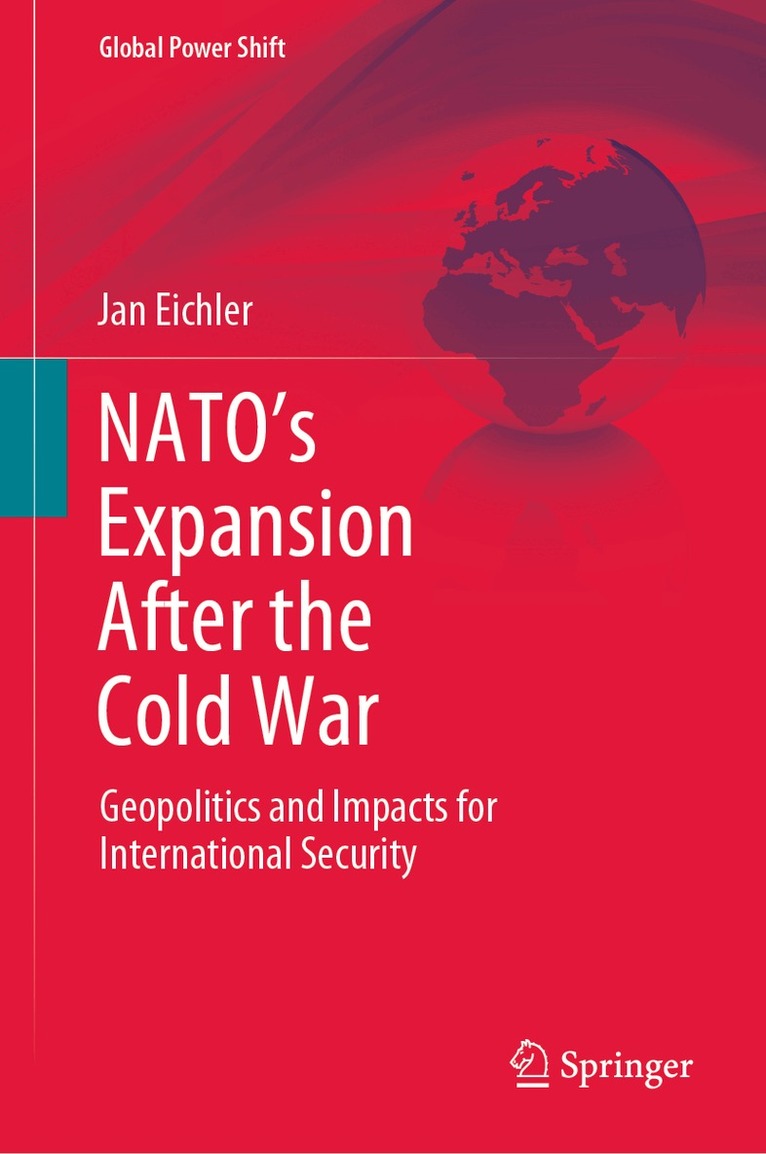
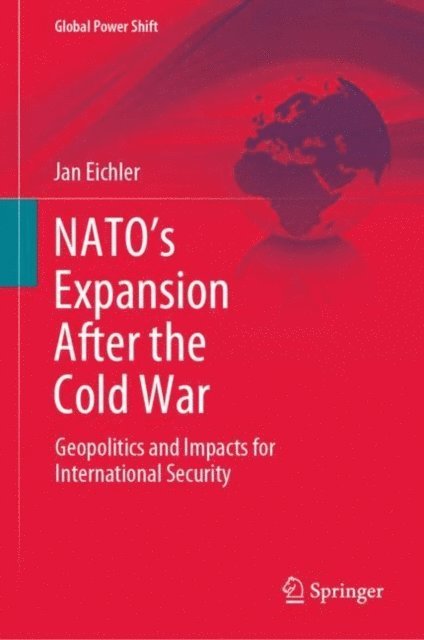
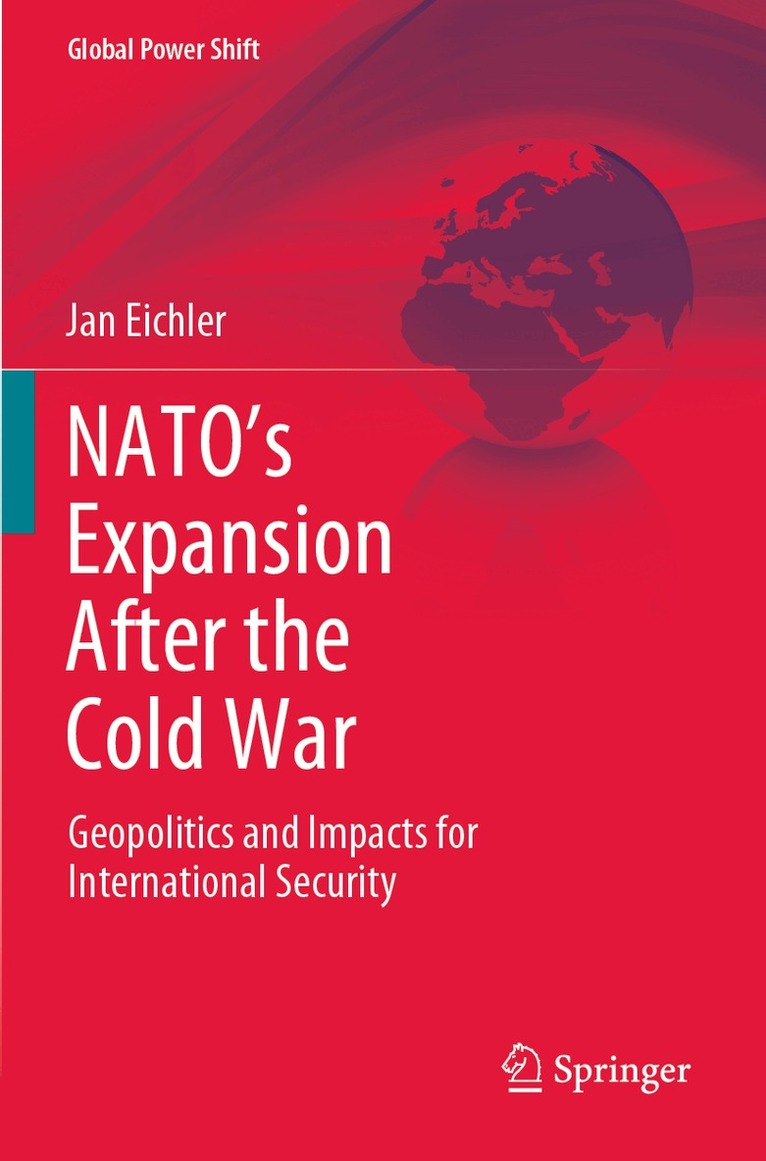
NATO’s Expansion After the Cold War
Geopolitics and Impacts for International Security
Av Jan Eichler
Inbunden, 2021
754 kr
Lägg i varukorg
This book analyses the expansion of The North Atlantic Treaty Organization (NATO) into the post-Soviet space after the end of the Cold War. Based on an extensive analysis of the literature and government documents, including doctrines, statements and speeches by the most influential decision-makers …
NATO's Expansion After the Cold War
Geopolitics and Impacts for International Security
Av Jan Eichler
E-bok, 2021
1838 kr
Lägg i varukorg
This book analyses the expansion of The North Atlantic Treaty Organization (NATO) into the post-Soviet space after the end of the Cold War. Based on an extensive analysis of the literature and government documents, including doctrines, statements and speeches by the most influential decision-makers …
NATO’s Expansion After the Cold War
Geopolitics and Impacts for International Security
Av Jan Eichler
Häftad, 2022
738 kr
Lägg i varukorg
This book analyses the expansion of The North Atlantic Treaty Organization (NATO) into the post-Soviet space after the end of the Cold War. Based on an extensive analysis of the literature and government documents, including doctrines, statements and speeches by the most influential decision-makers …
Terrorism in Contemporary France
A Vicious Circle of Violence
Av Jan Eichler
Inbunden, 2023
1419 kr
Lägg i varukorg
This book examines radical Jihad terrorism in contemporary France and sheds light on the vicious circle of violence, based on reciprocity. Building upon the theoretical heritage of Pierre Bourdieu, the book develops a methodology and a concept of the vicious circle of violence in France, based on …
Terrorism in Contemporary France
A Vicious Circle of Violence
Av Jan Eichler
E-bok, 2023
1785 kr
Lägg i varukorg
This book examines radical Jihad terrorism in contemporary France and sheds light on the vicious circle of violence, based on reciprocity. Building upon the theoretical heritage of Pierre Bourdieu, the book develops a methodology and a concept of the vicious circle of violence in France, based on …
Terrorism in Contemporary France : A Vicious Circle of Violence
Av Jan Eichler
2023
646 kr
Lägg i varukorg
Terrorism in Contemporary France
A Vicious Circle of Violence
Av Jan Eichler
Häftad, 2024
1419 kr
Lägg i varukorg
This book examines radical Jihad terrorism in contemporary France and sheds light on the vicious circle of violence, based on reciprocity. Building upon the theoretical heritage of Pierre Bourdieu, the book develops a methodology and a concept of the vicious circle of violence in France, based on …
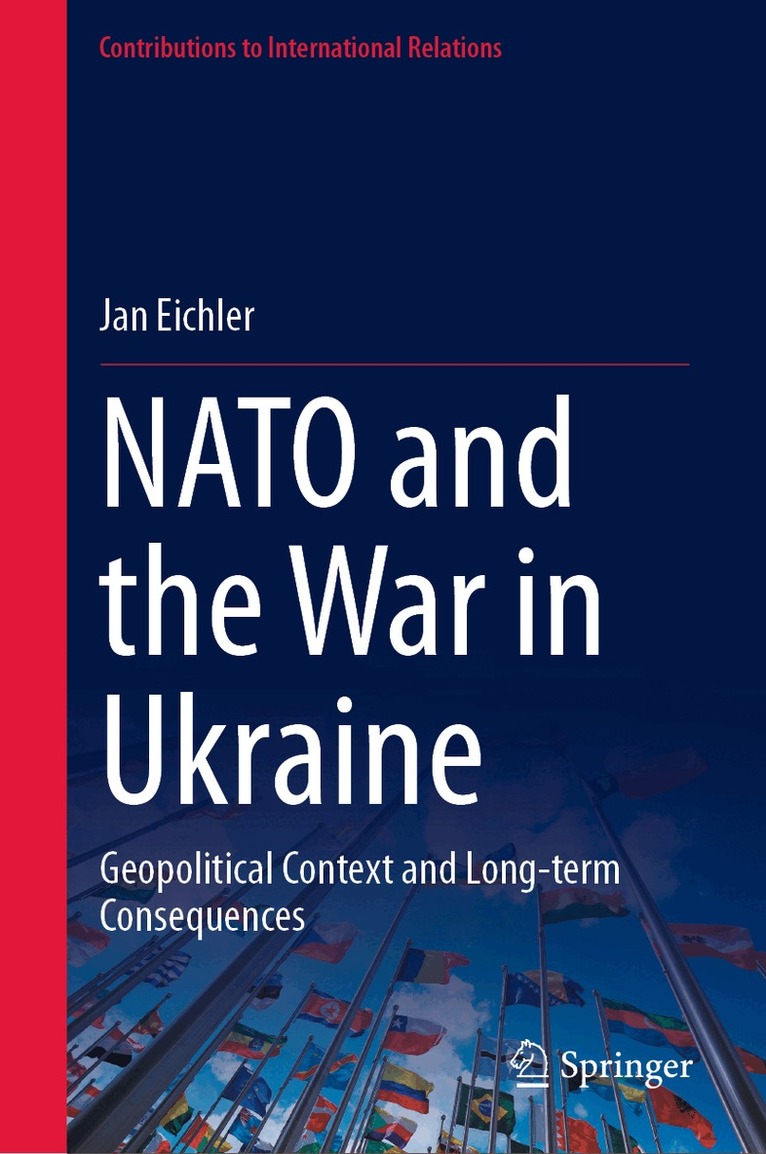
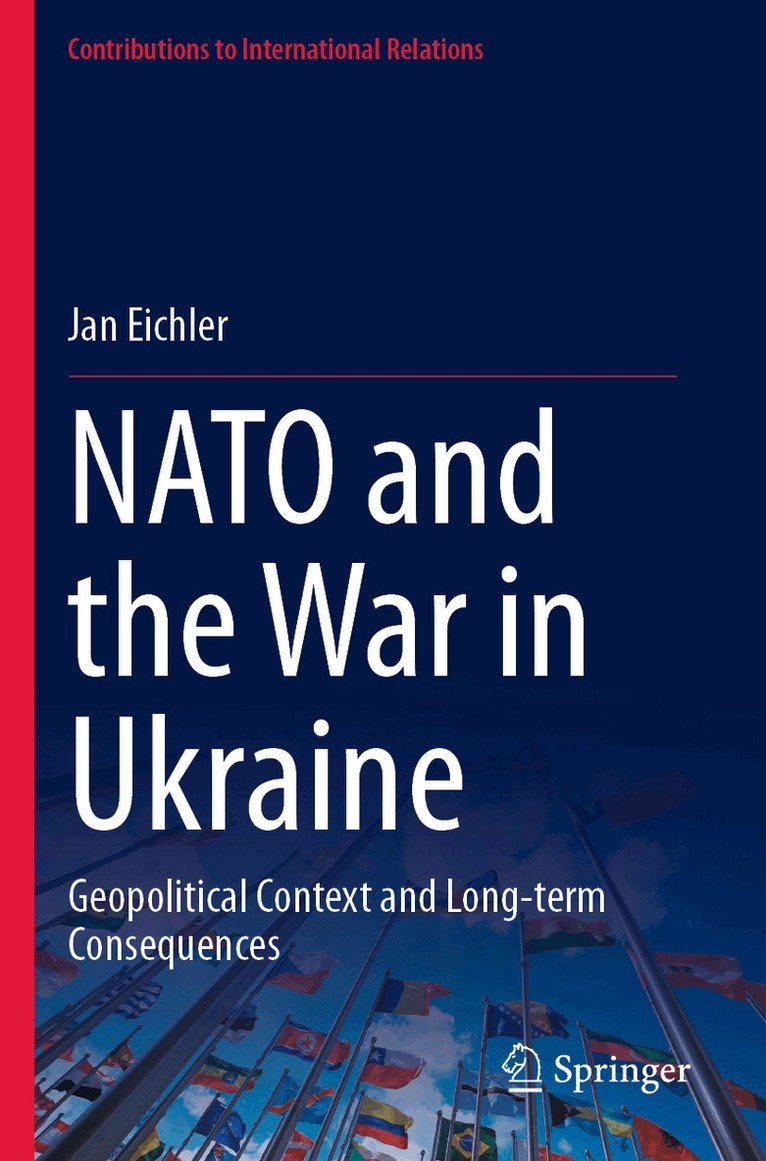
NATO and the War in Ukraine
Geopolitical Context and Long-term Consequences
Av Jan Eichler
Inbunden, 2024
1419 kr
Lägg i varukorg
This book presents a fresh perspective on the geopolitical landscape surrounding NATO's enlargement, aptly termed "expansion by invitation." Looking beyond conventional narratives, it unravels the multifaceted outcomes of this process, extending beyond the initial optimism.While acknowledging the …
NATO and the War in Ukraine
Geopolitical Context and Long-term Consequences
Av Jan Eichler
E-bok, 2024
1754 kr
Lägg i varukorg
This book presents a fresh perspective on the geopolitical landscape surrounding NATO''s enlargement, aptly termed "expansion by invitation." Looking beyond conventional narratives, it unravels the multifaceted outcomes of this process, extending beyond the initial optimism. While acknowledging the …
NATO and the War in Ukraine
Geopolitical Context and Long-term Consequences
Av Jan Eichler
Häftad, 2025
1419 kr
Lägg i varukorg
This book presents a fresh perspective on the geopolitical landscape surrounding NATO's enlargement, aptly termed "expansion by invitation." Looking beyond conventional narratives, it unravels the multifaceted outcomes of this process, extending beyond the initial optimism.While acknowledging the …