Jan Ellen Lewis – författare
Visar alla böcker från författaren Jan Ellen Lewis. Handla med fri frakt och snabb leverans.
5 produkter
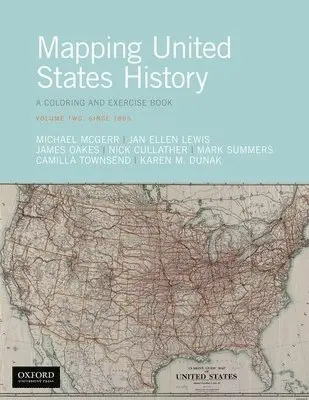
Mapping United States History: A Coloring and Exercise Book, Volume Two: Since 1865
Av Michael McGerr, Jan Ellen Lewis
Häftad
746 kr
Lägg i varukorg
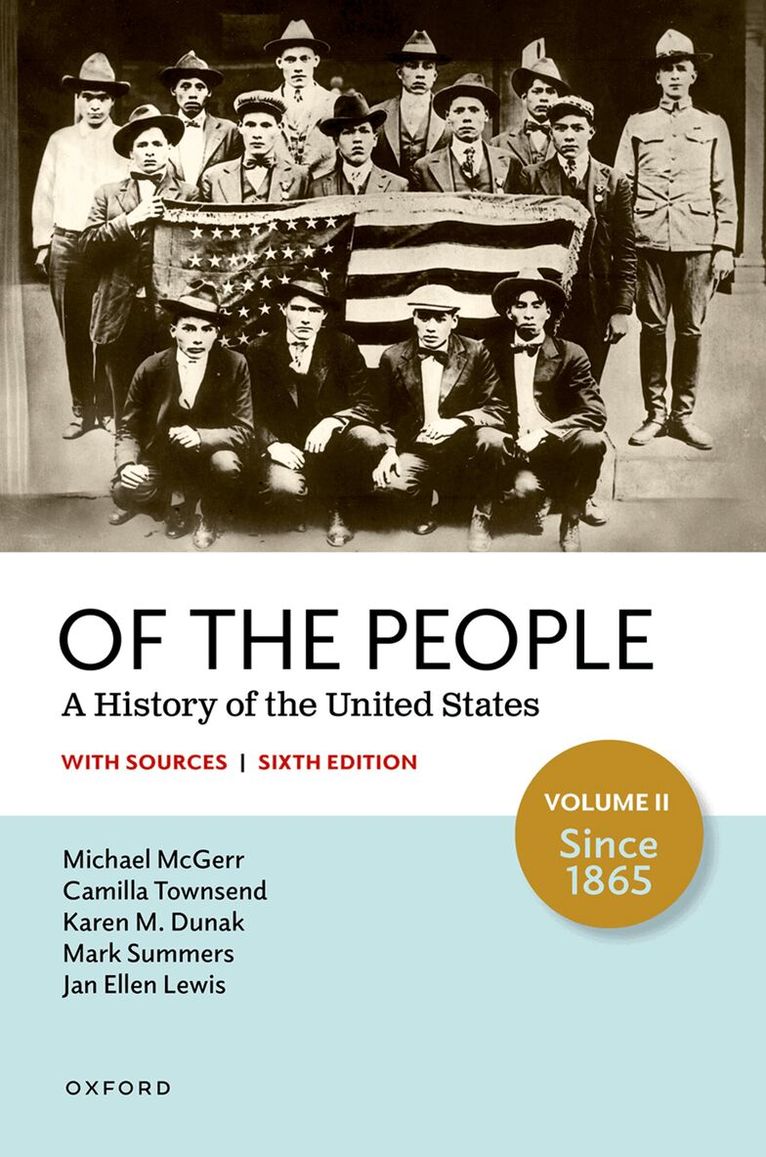
Of the People
A History of the United States, Volume II: Since 1865, with Sources
Häftad, 2026
1140 kr
Lägg i varukorg
Of the People: A History of the United States does more than tell the history of America-of its people and places, of its dealings and ideals. It unfolds the story of American democracy, carefully marking how this country's evolution has been anything but certain, from its complex beginnings to its …
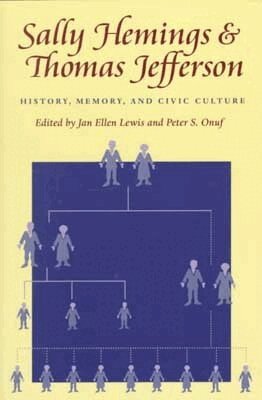
Sally Hemings and Thomas Jefferson
History, Memory and Civic Culture
Av Jan Ellen Lewis, Jan Lewis m. fl.
Häftad, 1999
386 kr
Lägg i varukorg
A discussion of the probability (shown by DNA tests) that Thomas Jefferson was the father of his slave Sally Hemings's children. The essays reflect the deeper questions the relationship between Jefferson and Hemings has raised about American history and national culture.
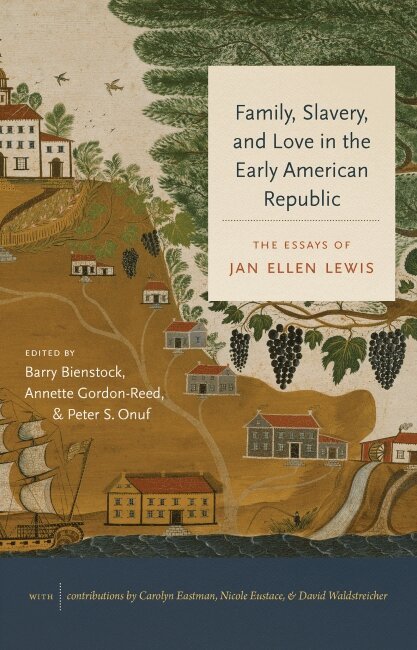
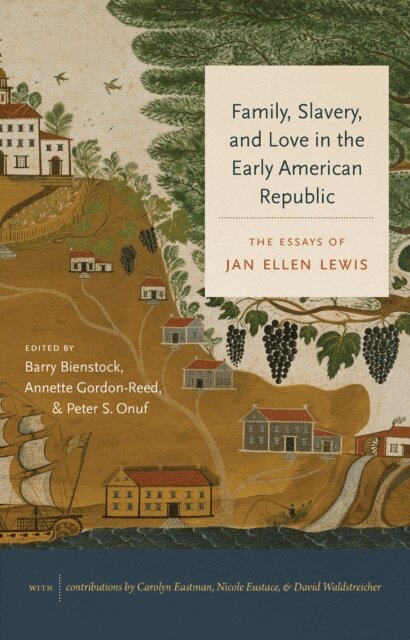
Family, Slavery, and Love in the Early American Republic
The Essays of Jan Ellen Lewis
Av Jan Ellen Lewis, Barry Bienstock m. fl.
Inbunden, 2021
528 kr
Lägg i varukorg
One of the finest historians of her generation, Jan Ellen Lewis transformed our understanding of the early U.S. Republic. Her groundbreaking essays defined the emerging fields of gender and emotions history and reframed traditional understandings of the founding fathers and the U.S. Constitution. …
Family, Slavery, and Love in the Early American Republic
The Essays of Jan Ellen Lewis
Av Jan Ellen Lewis, Peter Onuf m. fl.
E-bok, 2021
410 kr
Lägg i varukorg
One of the finest historians of her generation, Jan Ellen Lewis (1949-2018) transformed our understanding of the early U.S. Republic. Her groundbreaking essays defined the emerging fields of gender and emotions history and reframed traditional understandings of the founding fathers and the U.S. …