Jan Goldman - Böcker
Visar alla böcker från författaren Jan Goldman. Handla med fri frakt och snabb leverans.
9 produkter
9 produkter
595 kr
Skickas inom 10-15 vardagar
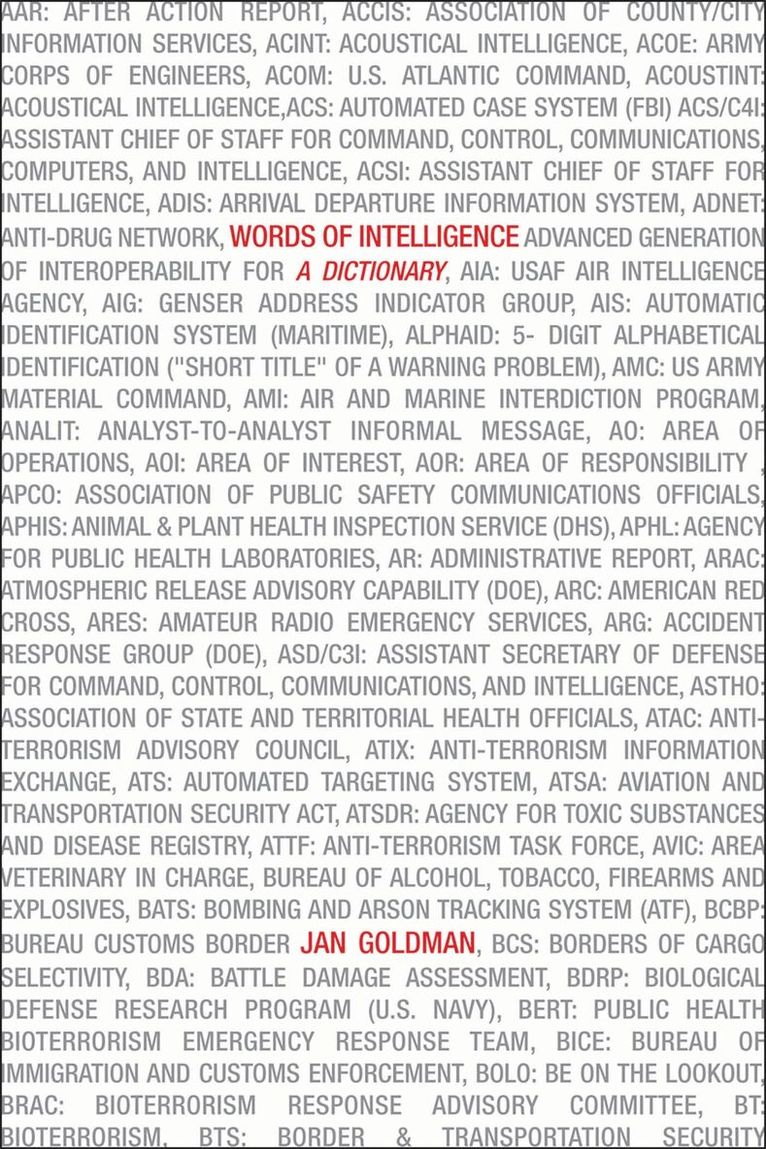
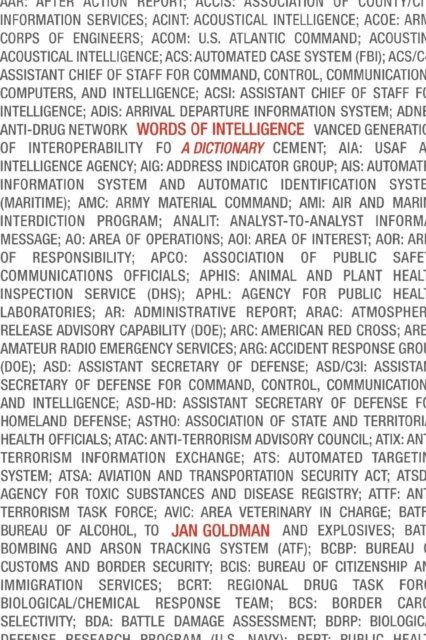
Words of Intelligence: A Dictionary is intended for the intelligence and national security men and women who are fighting the Global War on Terrorism at all levels: local, state, and federal. The intelligence community has undergone massive changes since the Central Intelligence Agency, National Security Agency, and the Department of Defense were created, and recently, with the establishment of Homeland Security and a Director of National Intelligence, it has taken on even more duties and responsibilities. Intelligence now must be transmitted to state and local public administrators, health officials, and transportation planners (to name just a few) in times of a possible domestic attack. Containing over 600 terms related to theoretical aspects of intelligence, intelligence operations, intelligence strategies, security classification of information, obscure names of intelligence boards and organizations, and homeland security, this dictionary is an invaluable tool for those requiring a working knowledge of intelligence-related issues. A topical index is also included.
721 kr
Skickas inom 10-15 vardagar
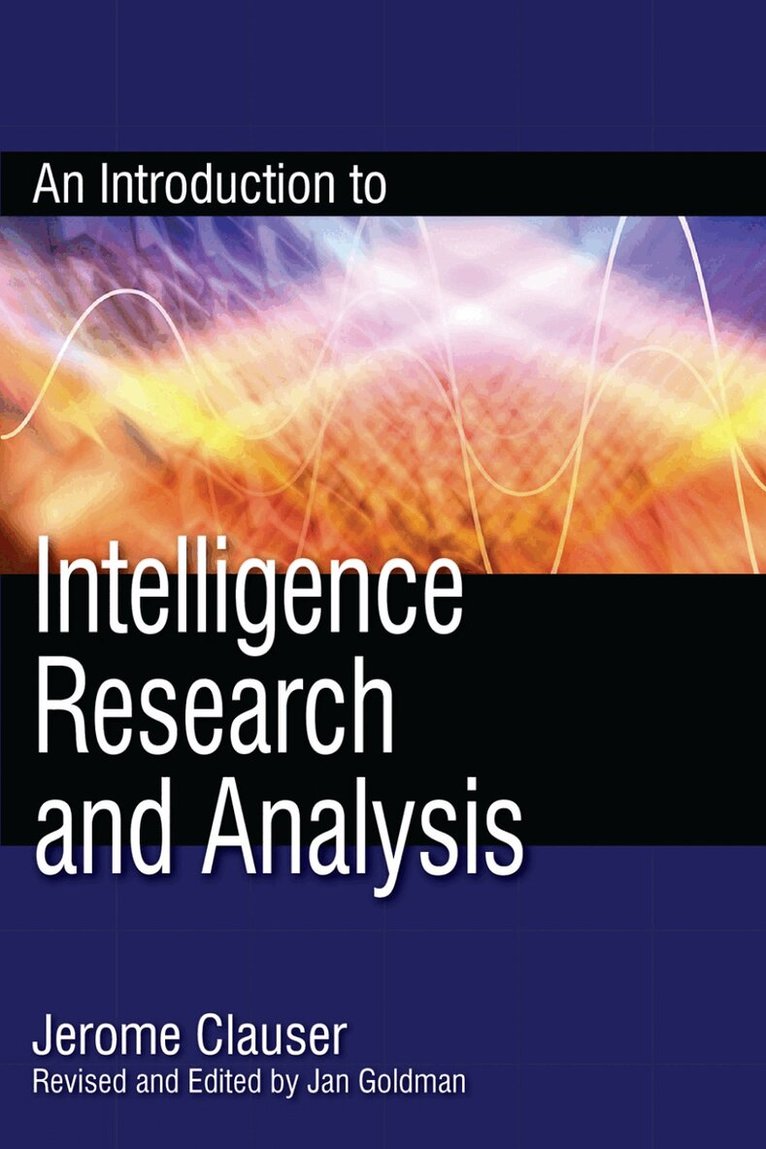
Since the September 11, 2001 terrorist attacks on United States soil, the intelligence community has been scrutinized on how it performs its functions. Consequently, the 9/11 Commission made several recommendations on how to improve the quality of intelligence analysis. Those charges and the United States' involvement in a war in Iraq have spawned additional charges of the politicization of intelligence. All this is being played out as the Intelligence Community has reformed and reconfigured itself with newly created departments supported by an expanded and inexperienced workforce that was never envisioned when the intelligence community was formally established in 1947.First published in the 1970s, the classic book An Introduction to Intelligence Research and Analysis was used by intelligence analysts to track and monitor the Communist threat. Although today's environment has changed considerably since the Cold War, intelligence analysts still need to understand the basics of intelligence analysis. The book focuses on how to do research, what qualities are needed to be an intelligence analyst, and what methods can be employed to help in producing products. To avoid politicization, intelligence analysts should strive to become more transparent in their methodology of how they arrived at their conclusions. Intelligence Research and Analysis provides several methods to assist in that end.
742 kr
Skickas inom 10-15 vardagar
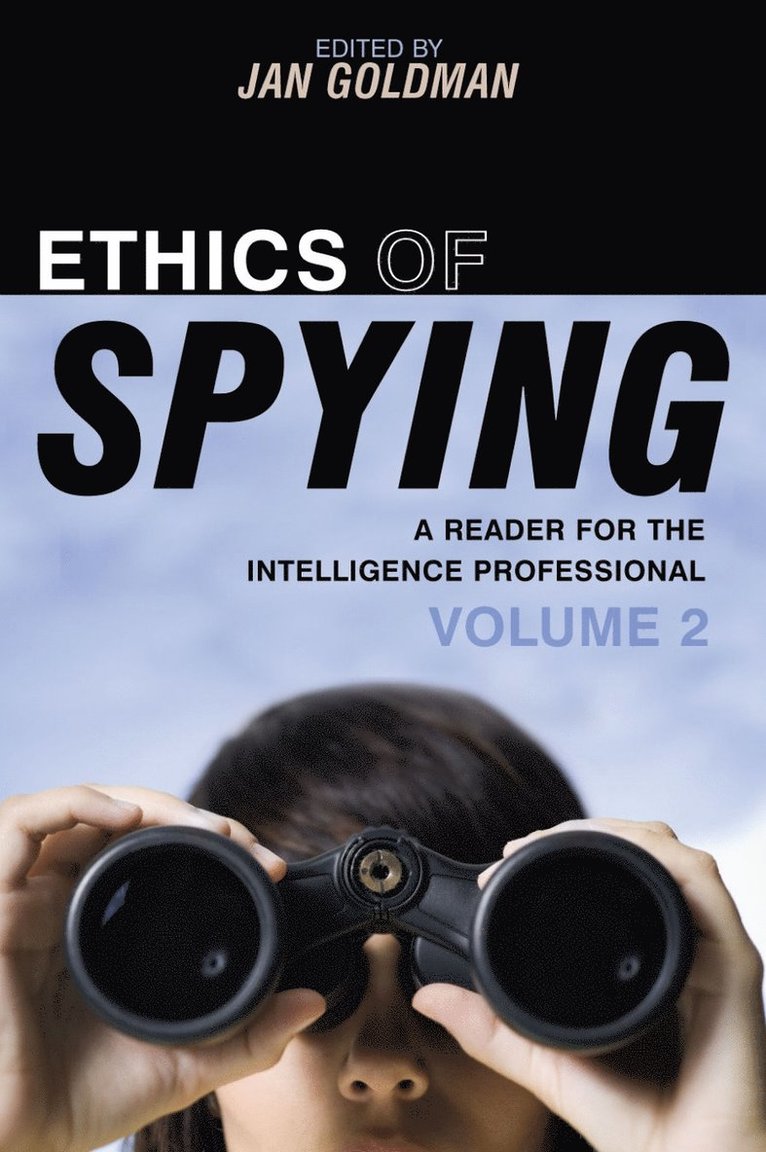
Ethics of Spying: A Reader for the Intelligence Professional, Volume 2 picks up where the first book ended, but, with a twist. The book begins with an historical perspective of the expectations of moral and ethical conduct of personnel working in intelligence. In a previously classified memo from 1941 and a report from 1954, the reader gets a sense of both the history and perception of what was expected of professional conduct as viewed from government officials. The first half of this book seeks to define an intelligence professional, while the second half of the book seeks to utilize various theoretical and practical perspectives. The richness of this publication is aided by the international views of its authors, which hail from Israel, the United Kingdom, Switzerland, and the United States, among others. These prominent scholars explore ethics through the intelligence cycle and how ethics is evolving and viewed in a post-9/11 world. The book concludes with a survey on ethical conduct by interrogators, a brief history of intelligence reform, and a bibliography on this subject. The history and international perspectives provided in this book lay the foundation for further study in this increasingly prominent field of interdisciplinary study.
Words of Intelligence
An Intelligence Professional's Lexicon for Domestic and Foreign Threats
Inbunden, Engelska, 2011
1 572 kr
Skickas inom 10-15 vardagar
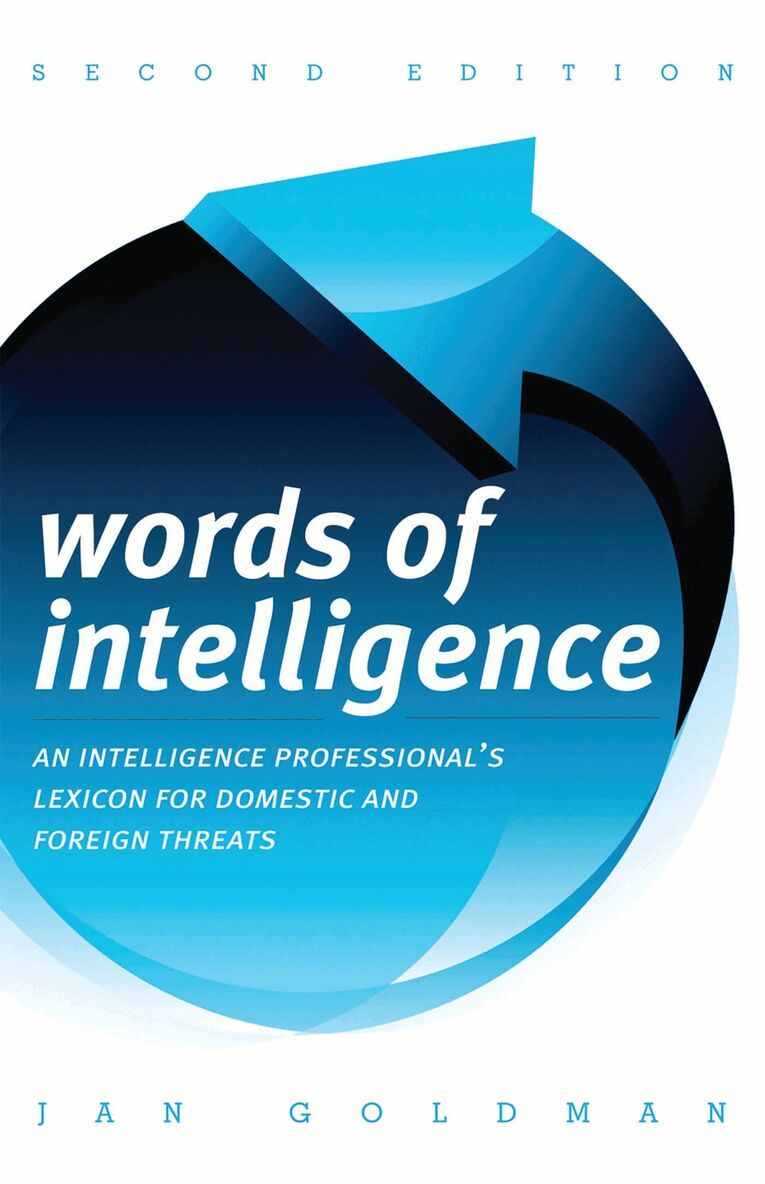
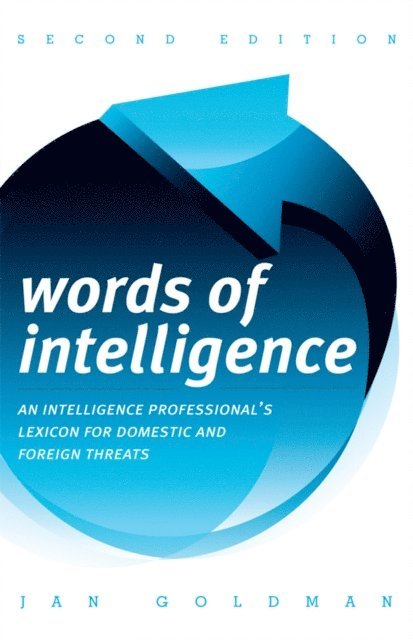
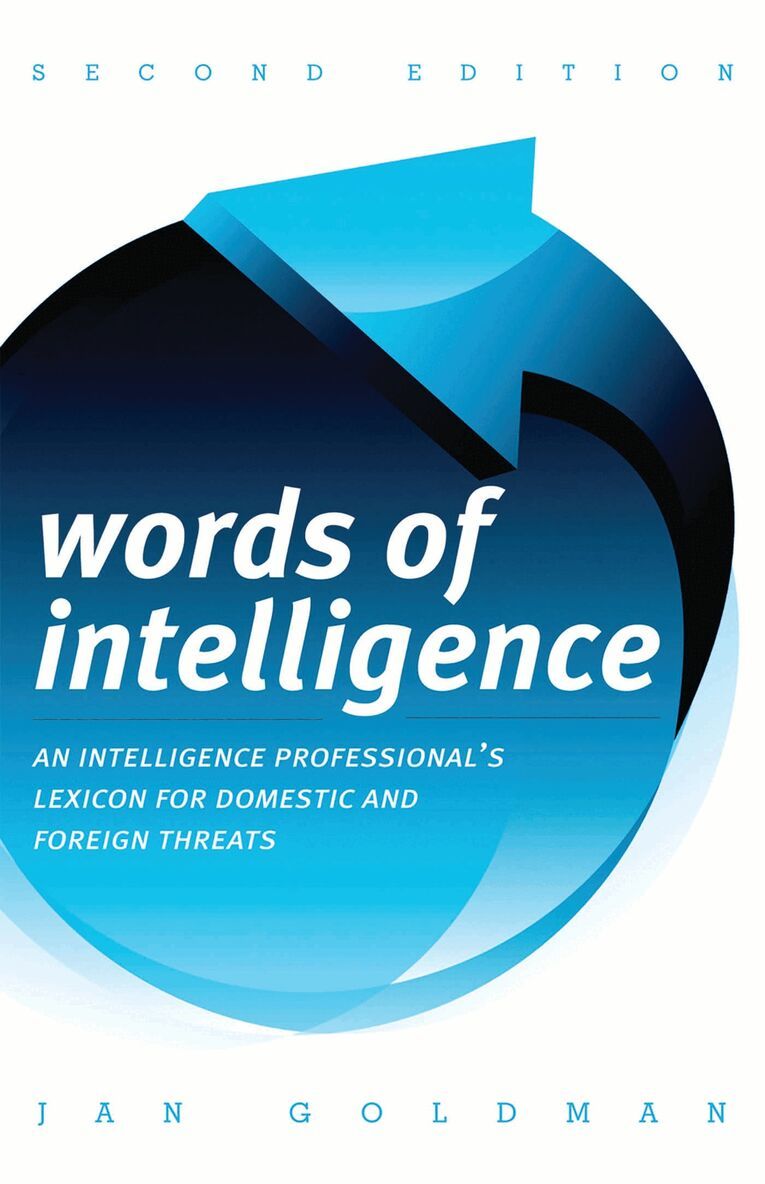
Words of Intelligence: An Intelligence Professional's Lexicon for Domestic and Foreign Threats is intended for the intelligence and national security men and women at the federal, state, and local levels. The intelligence community has undergone massive changes since it developed after World War II. Intelligence work now involves several different processes, including the planning, collection, analysis, and production of information. It also requires extensive expertise in its terminology. And in the post-9/11 era, the intelligence community has expanded, requiring the transmission of information to state and local public administrators, health officials, and transportation planners in times of a possible domestic attack. The number of people who need to know the specialized terminology of the intelligence community continues to grow. This dictionary is an invaluable tool for those requiring a working knowledge of intelligence-related issues from both a foreign intelligence perspective and a local perspective for law enforcement officials.The number of terms, abbreviations, and acronyms has more than doubled for this new edition, and it includes a topical index and extensively cross-referenced entries. This book explains terms that relate to intelligence operations, intelligence strategies, security classifications, obscure names of intelligence boards and organizations, and methodologies used to produce intelligence analysis. Both entry-level and experienced intelligence professionals in the domestic and foreign intelligence communities find this book useful. This book is more than just a reference book; it is a book to read and enjoy, and from which to learn the art and science of intelligence analysis.
Words of Intelligence
An Intelligence Professional's Lexicon for Domestic and Foreign Threats
Häftad, Engelska, 2011
568 kr
Skickas inom 10-15 vardagar
Words of Intelligence: An Intelligence Professional's Lexicon for Domestic and Foreign Threats is intended for the intelligence and national security men and women at the federal, state, and local levels. The intelligence community has undergone massive changes since it developed after World War II. Intelligence work now involves several different processes, including the planning, collection, analysis, and production of information. It also requires extensive expertise in its terminology. And in the post-9/11 era, the intelligence community has expanded, requiring the transmission of information to state and local public administrators, health officials, and transportation planners in times of a possible domestic attack. The number of people who need to know the specialized terminology of the intelligence community continues to grow. This dictionary is an invaluable tool for those requiring a working knowledge of intelligence-related issues from both a foreign intelligence perspective and a local perspective for law enforcement officials.The number of terms, abbreviations, and acronyms has more than doubled for this new edition, and it includes a topical index and extensively cross-referenced entries. This book explains terms that relate to intelligence operations, intelligence strategies, security classifications, obscure names of intelligence boards and organizations, and methodologies used to produce intelligence analysis. Both entry-level and experienced intelligence professionals in the domestic and foreign intelligence communities find this book useful. This book is more than just a reference book; it is a book to read and enjoy, and from which to learn the art and science of intelligence analysis.
Intelligence and Information Policy for National Security
Key Terms and Concepts
Inbunden, Engelska, 2016
1 964 kr
Skickas inom 10-15 vardagar
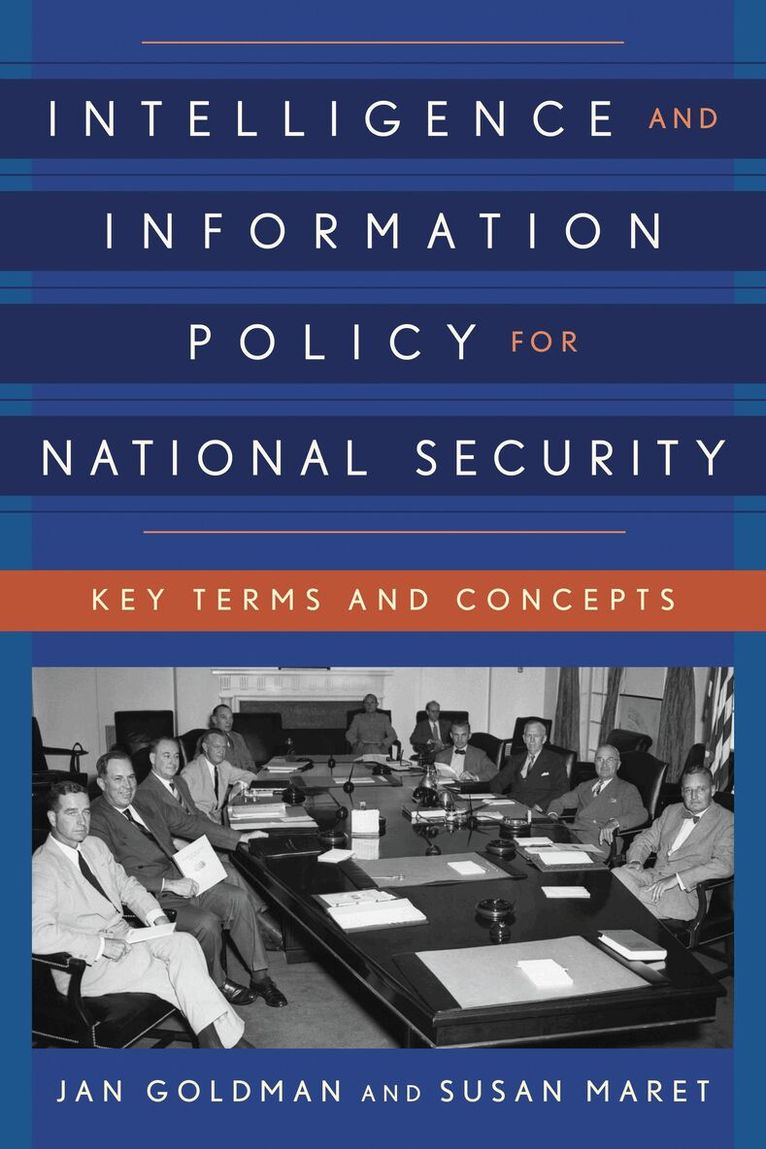
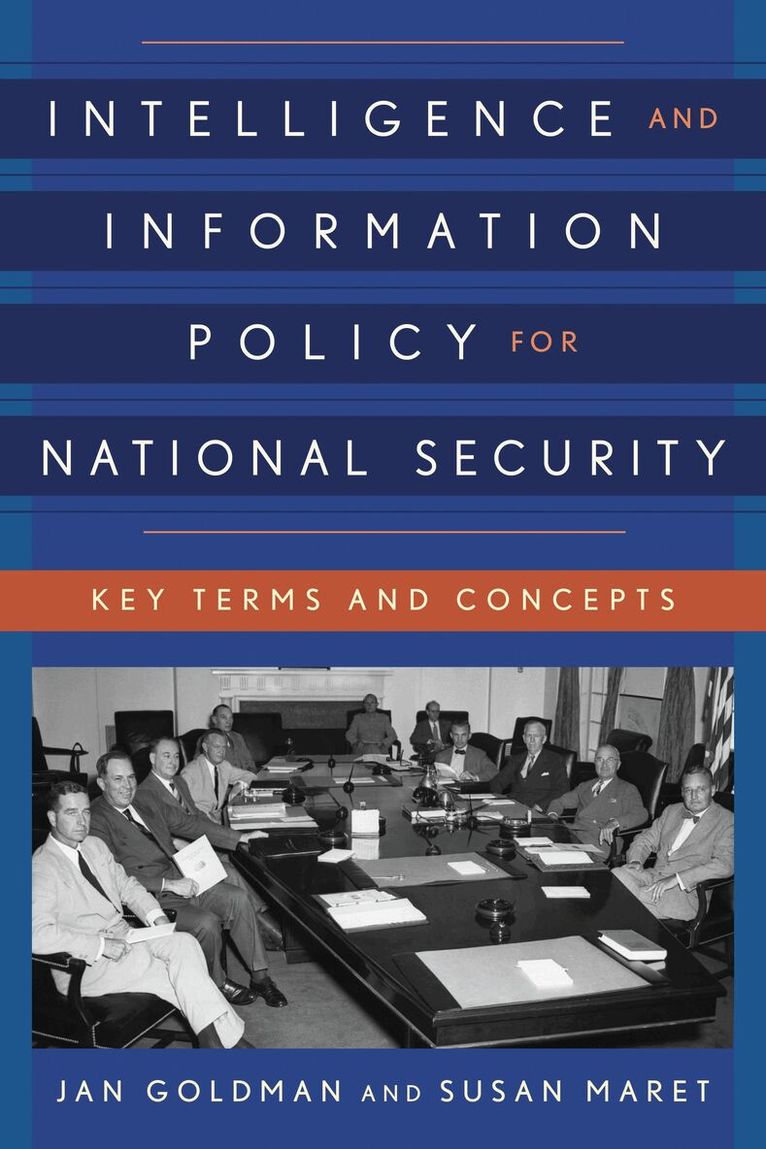
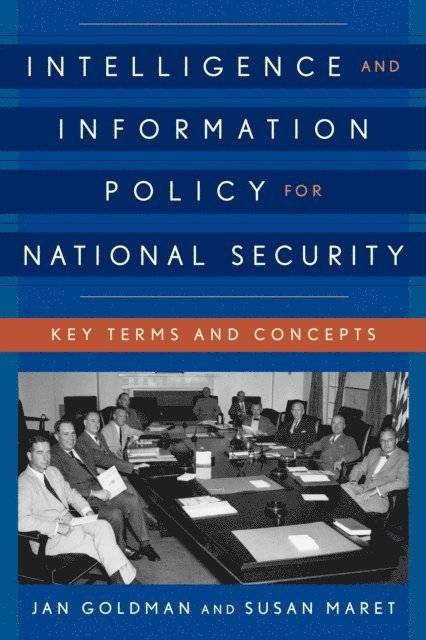
Building on Goldman’s Words of Intelligence and Maret’s On Their Own Terms this is a one-stop reference tool for anyone studying and working in intelligence, security, and information policy. This comprehensive resource defines key terms of the theoretical, conceptual, and organizational aspects of intelligence and national security information policy. It explains security classifications, surveillance, risk, technology, as well as intelligence operations, strategies, boards and organizations, and methodologies. It also defines terms created by the U.S. legislative, regulatory, and policy process, and routinized by various branches of the U.S. government. These terms pertain to federal procedures, policies, and practices involving the information life cycle, national security controls over information, and collection and analysis of intelligence information.This work is intended for intelligence students and professionals at all levels, as well as information science students dealing with such issues as the Freedom of Information Act.
Intelligence and Information Policy for National Security
Key Terms and Concepts
Häftad, Engelska, 2016
1 076 kr
Skickas inom 10-15 vardagar
Building on Goldman’s Words of Intelligence and Maret’s On Their Own Terms this is a one-stop reference tool for anyone studying and working in intelligence, security, and information policy. This comprehensive resource defines key terms of the theoretical, conceptual, and organizational aspects of intelligence and national security information policy. It explains security classifications, surveillance, risk, technology, as well as intelligence operations, strategies, boards and organizations, and methodologies. It also defines terms created by the U.S. legislative, regulatory, and policy process, and routinized by various branches of the U.S. government. These terms pertain to federal procedures, policies, and practices involving the information life cycle, national security controls over information, and collection and analysis of intelligence information.This work is intended for intelligence students and professionals at all levels, as well as information science students dealing with such issues as the Freedom of Information Act.
942 kr
Skickas inom 10-15 vardagar
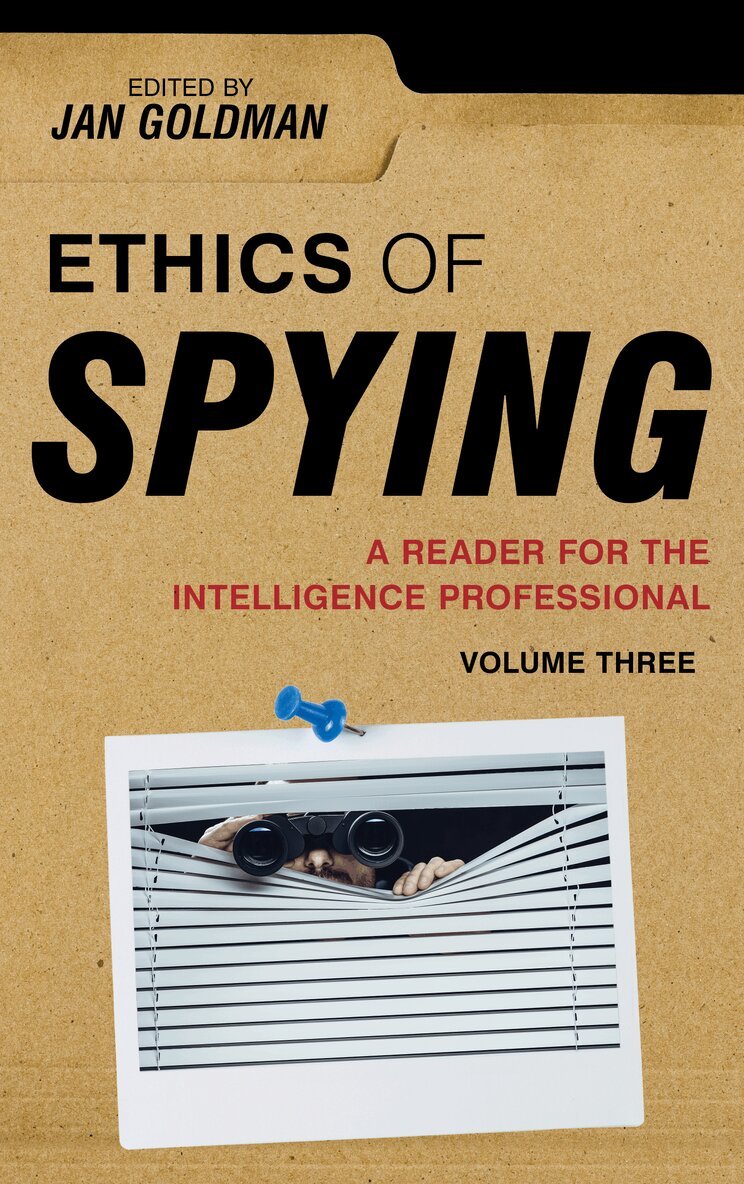
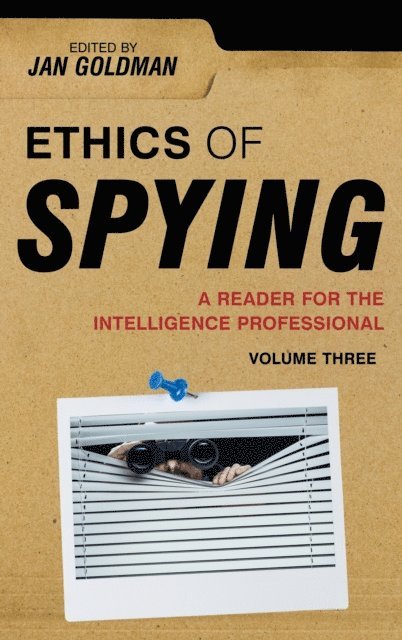
The first volume introduced readers to ethics in intelligence operations. Published when the U.S. was conducting operations in the post-9/11 era, this book represents the first collection of articles to seriously study ethics for and about intelligence professionals. The second volume established the codes of conduct that professionals in the private and public sectors would employ that could be separate from those of their private lives. Ethics of Spying: A Reader for the Intelligence Professional, Volume 3 combines the best articles from the first two volumes. It’s reorganized into 5 parts, and it contains new articles that expand and explain further the meaning and dichotomy of a working professional in the intelligence community and the national security and civil liberties they are entrusted with safeguarding. New articles include Ethics of Human Intelligence Operations; Tension and Strategy: : Ethics Phobia; Tension and Strategy: Sources and Bypassing Strategies; Just Intelligence Theory; Ethics, Intelligence, and Preemptive and Preventive Actions; Speak No Evil; Using Private Corporations to Conduct Intelligence Activities for National Security Purposes; and Intelligence Research and Scholarship
675 kr
Skickas inom 10-15 vardagar
The first volume introduced readers to ethics in intelligence operations. Published when the U.S. was conducting operations in the post-9/11 era, this book represents the first collection of articles to seriously study ethics for and about intelligence professionals. The second volume established the codes of conduct that professionals in the private and public sectors would employ that could be separate from those of their private lives. Ethics of Spying: A Reader for the Intelligence Professional, Volume 3 combines the best articles from the first two volumes. It’s reorganized into 5 parts, and it contains new articles that expand and explain further the meaning and dichotomy of a working professional in the intelligence community and the national security and civil liberties they are entrusted with safeguarding. New articles include Ethics of Human Intelligence Operations; Tension and Strategy: : Ethics Phobia; Tension and Strategy: Sources and Bypassing Strategies; Just Intelligence Theory; Ethics, Intelligence, and Preemptive and Preventive Actions; Speak No Evil; Using Private Corporations to Conduct Intelligence Activities for National Security Purposes; and Intelligence Research and Scholarship